Using Role-Playing and Simulations to Create an Engaging Classroom
5 December 2025
Let’s be real—keeping students engaged in the classroom can sometimes feel like herding cats. You’re trying to teach important concepts, but all you see are glazed-over eyes and students secretly checking their phones under the desk. Yikes.
But what if I told you there’s a way to make learning not just bearable, but actually fun? Enter role-playing and simulations, the ultimate game-changers in your teaching arsenal. These interactive techniques don’t just spice up lessons; they transform your classroom into an exciting hub of discovery, creativity, and critical thinking. Buckle up because we’re about to dive into how you can use these methods to boost student engagement, retention, and overall enthusiasm.

Why Should You Use Role-Playing and Simulations?
Let’s face it—traditional lectures can feel like watching paint dry. Sure, they have their place, but if you want your students to really learn (not just memorize for the test), you need to shake things up.Role-playing and simulations immerse students in real-world scenarios, forcing them to think on their feet and make decisions in real-time. Instead of passively absorbing information, they actively participate in the learning process. And guess what? Research backs this up! Studies show that students who engage in experiential learning retain information better and longer than those who just sit through lectures.
The Magic of Role-Playing
Role-playing isn’t just for drama class. It’s an engaging technique where students take on different roles to explore historical events, literary characters, or even scientific debates. Imagine your history lesson transforming into a lively courtroom where students argue as historical figures. Sounds way better than just reading from a textbook, right?The Power of Simulations
Simulations take things up a notch by recreating real-life scenarios. Think of a business simulation where students manage a company, or a science experiment where they respond to a simulated natural disaster. These activities bridge the gap between theory and practice, allowing students to experience the consequences of their decisions without real-world risks.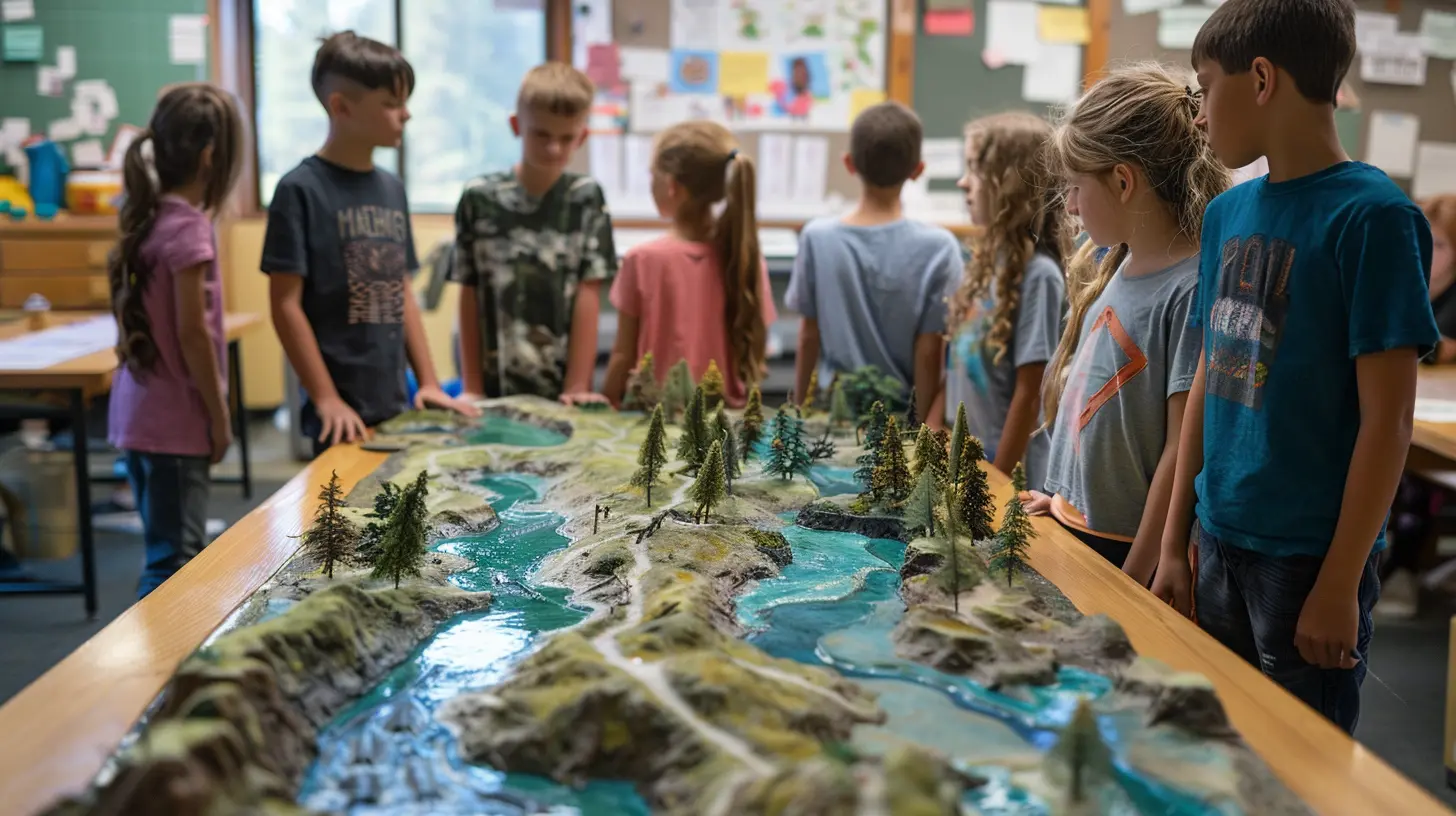
Benefits That Will Make You Want to Try This ASAP
Still on the fence? Let’s break down the key benefits that will have you ditching those monotonous PowerPoint slides for something far more exciting.1. Boosts Engagement Like Crazy
Think about it—students aren’t just sitting back; they’re living the lesson. Whether they’re role-playing as historical figures or running a simulated startup, they’re invested. And when students are engaged, they actually pay attention (cue the teacher’s happy dance).2. Encourages Critical Thinking
Role-playing and simulations force students to think, adapt, and problem-solve. Instead of just memorizing facts, they apply knowledge in real-time, which is a whole different ball game.3. Improves Retention
Ever noticed how you remember movie plots better than boring lectures? That’s because experiences stick. When students actively participate in learning, their brains retain information more effectively.4. Teaches Real-World Skills
The world doesn’t operate through multiple-choice questions. Simulations and role-playing prepare students for real-life situations by improving communication, teamwork, and decision-making—skills they’ll actually use outside the classroom.5. Makes Learning Inclusive
Not all students learn the same way. Some excel in discussions, others through hands-on activities. Role-playing and simulations cater to varied learning styles, making education more engaging for everyone.
How to Implement Role-Playing and Simulations Like a Pro
Now that you’re convinced, let’s talk about how to bring this magic into your classroom.1. Choose a Relevant Scenario
Pick a role-playing or simulation activity that aligns with your lesson objectives. Teaching history? Turn it into a trial where students defend or oppose a historical figure. Teaching science? Simulate an environmental crisis and let students find solutions.2. Set Clear Guidelines
Before throwing students into the deep end, establish rules and expectations. Define objectives, outline roles, and explain how success will be measured. The last thing you want is chaos disguised as "learning."3. Encourage Creativity
Let students own their roles. The more creative they get, the more engaged they’ll be. Costumes, props, and a bit of dramatization? Yes, please!4. Debrief After the Activity
Reflection is crucial. After the activity, discuss what happened. What did students learn? What challenges did they face? This helps reinforce key concepts and allows students to connect the experience to real-world applications.5. Mix It Up
Variety is the spice of life! Don’t just stick to one format—incorporate different types of simulations and role-plays throughout the year to keep things fresh.
Examples of Role-Playing and Simulation Activities
Still unsure how to implement these strategies? Here are some killer ideas to get you started:🔹 Historical Trials
Transform your classroom into a courtroom where students take on the roles of historical figures, lawyers, and jurors. Imagine debating "Was Julius Caesar a hero or a tyrant?"—that’s way more engaging than just reading about it.🔹 Mock United Nations
Perfect for social studies and political science classes, a Mock UN lets students become diplomats, debating global issues and drafting resolutions.🔹 Medical Simulations
For science or health classes, simulate medical emergencies where students act as doctors diagnosing patients. Who doesn’t want to play doctor for a day?🔹 Business Startup Challenge
Give students a budget and let them simulate launching their own business. They’ll make marketing decisions, manage "finances," and face unexpected curveballs. A dose of Shark Tank, but in the classroom.🔹 Environmental Crisis Response
Create a scenario where students must respond to an environmental disaster, making policy decisions and managing resources. This not only teaches science but also critical thinking and ethics.Challenges & How to Overcome Them
Okay, let’s keep it real. No teaching method is perfect, and role-playing and simulations come with their own set of challenges. Here’s how to handle them like a pro.❌ "It Takes Too Much Time!"
Yes, setting up a simulation or role-play requires planning, but the engagement and retention pay off. Keep activities concise and focused on key learning objectives.❌ "Some Students Won’t Participate"
Not everyone is comfortable acting in front of peers. Offer different levels of involvement—some students can take on speaking roles, while others manage logistics or serve as observers.❌ "It Might Get Out of Control"
Set clear rules and expectations. Assign roles in a way that ensures everyone stays on track while keeping things fun and interactive.❌ "How Do I Assess This?"
Assessment doesn’t have to be a nightmare. Use rubrics that measure participation, problem-solving, teamwork, and understanding of the material. You can also have students reflect on the experience in a written response.Wrapping It Up
Role-playing and simulations aren’t just trendy buzzwords—they’re powerful tools that transform passive learning into active engagement. They help students not only understand concepts but experience them, leading to deeper learning and better retention.So, if you’re tired of lifeless lectures and distracted students, give role-playing and simulations a shot. Your classroom might just become the most exciting place in school. And who knows? Your students might actually thank you for it!
all images in this post were generated using AI tools
Category:
Student EngagementAuthor:

Zoe McKay
Discussion
rate this article
2 comments
Taryn Reyes
Incorporating role-playing and simulations in the classroom fosters active learning and critical thinking. These methods enhance student engagement by allowing learners to embody different perspectives, making complex concepts more relatable and encouraging collaboration and creativity in problem-solving.
January 18, 2026 at 1:00 PM
Zoe McKay
Absolutely! Role-playing and simulations are powerful tools that not only engage students but also deepen their understanding by fostering collaboration and critical thinking. Thank you for your insights!
Harley Wheeler
This article effectively highlights the benefits of role-playing and simulations in the classroom. These interactive strategies not only enhance student engagement but also promote critical thinking and teamwork. Implementing these techniques can transform traditional learning into a dynamic and memorable experience for students.
December 5, 2025 at 1:03 PM
Zoe McKay
Thank you for your insightful comment! I’m glad you found the article highlights the transformative potential of role-playing and simulations in fostering engagement and teamwork.