The Role of Peer Tutoring in Building Student Confidence
21 February 2026
Let’s get real for a second — school can be intimidating.
Between pop quizzes, long assignments, and the never-ending pressure to perform, students often find themselves buried under stress. But here’s something that’s been quietly transforming classrooms and boosting student morale: peer tutoring.
No, it’s not just students helping each other with homework. It’s a powerful, confidence-building force that’s been reshaping how students learn, interact, and grow. So, if you’ve ever doubted how much of a difference peer tutoring can make, buckle up — because we’re about to break it all down.
What Is Peer Tutoring, Anyway?
Peer tutoring isn’t some revolutionary tech or a fancy AI tool. It’s simple: students teaching other students.Typically, a student who’s excelling in a subject (the tutor) helps another student (the tutee) who might be struggling or just wants some extra support. It happens in all kinds of models — one-on-one sessions, group settings, or even informal lunchtime meetups.
And here's the twist: It doesn't just help the person being tutored. The tutor themselves walks away with more than just good karma.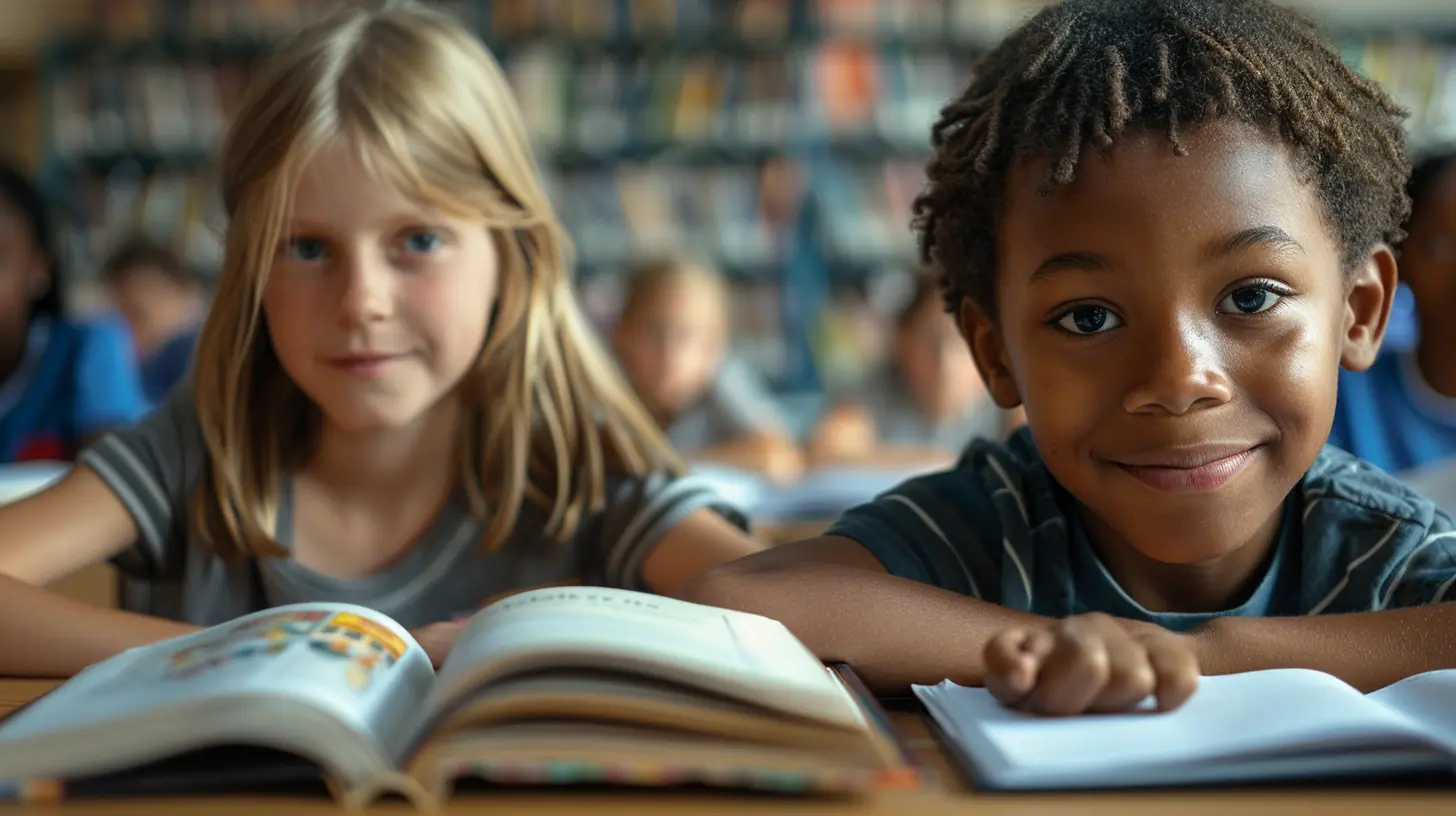
Why Confidence Matters in the Classroom
Alright, before we go any further, let’s talk about confidence. No, not the type you fake before a presentation — the real, inner belief that you can tackle a problem and come out winning.When students believe in themselves, everything changes.
They start participating more, asking better questions, taking academic risks, and even setting higher goals. Confidence builds resilience, which is like the secret sauce for surviving (and thriving) in school.
So when students lack confidence? You better believe it impacts everything — grades, friendships, future plans — the whole deal.
How Peer Tutoring Boosts Confidence Like Magic
You might be wondering — how does working with another student build all that self-belief?Let’s crack this open.
1. It Destroys the Fear of Judgment
Ever noticed how students hesitate to ask teachers questions in front of the whole class? They’re scared of sounding dumb, right?But in a peer-to-peer setting, that fear melts away. Students feel more comfortable asking "silly" questions because they know they’re not going to get side-eyed or embarrassed. It's like finally exhaling after holding your breath.
This comfort leads to openness, and openness leads to confidence.
2. Mistakes Become Part of the Process
With peer tutoring, mistakes don’t feel like failures — they feel like stepping stones.Why? Because both the tutor and the tutee are learning together, bouncing ideas off each other, and figuring stuff out in real time. It's a judgment-free zone where experimentation is encouraged.
Over time, students start seeing mistakes differently. Instead of something to avoid, they become something to learn from.
And that shift in mindset? Oh yeah, it’s a total game-changer.
3. It Strengthens Social Skills
Confidence isn’t just about academics. It’s also about how students interact with their peers.Peer tutoring gives students the chance to communicate, listen, empathize, and even lead. These social muscles get stronger with time and, guess what — they carry over into other parts of life, too.
We're talking group projects, class discussions, even interviews down the road.
4. Tutors Get a Giant Confidence Boost Too
Let’s not forget the tutor in all of this.Teaching someone else reinforces their own knowledge, challenges them to explain things clearly, and pushes them to be patient — all solid confidence boosters. When a student realizes they can help someone else succeed? That's pride at another level.
They start to see themselves not just as learners, but as leaders.
Real-Life Stories: When Peer Tutoring Pays Off
Still skeptical? Let’s bring this to life.Take Mia, for example — a quiet 10th grader who barely raised her hand in math class. She joined a peer tutoring program, pairing up with a student in the 9th grade who was having trouble with algebra.
Week by week, Mia transformed. Explaining math concepts forced her to think deeper, but more importantly, she started to believe in her own abilities. A few months in? She was volunteering to solve problems at the board and even considering a future in education.
Then there’s Jamal, who struggled with reading comprehension. Working with an upper-class student in a relaxed, peer-led setup gave him the one-on-one attention he needed. Slowly, his test scores crept up — but more importantly, he started liking reading. That confidence spilled over into his writing, class participation, and even storytelling during lunch breaks.
This stuff is real. Peer tutoring changes lives.
Different Peer Tutoring Models That Work
There’s no one-size-fits-all here. Schools and educators have gotten creative with how they implement peer tutoring programs. Here are a few go-to models:1. Cross-Age Tutoring
Older students tutor younger ones. This works great because older students tend to have a stronger grasp of the material, and younger students feel less pressure learning from someone who's “been there.”Bonus: It builds a sense of community across grade levels.
2. Same-Age Tutoring
Students in the same grade tutor one another. This helps eliminate power dynamics and can feel more collaborative and relaxed. Think of it as two people rowing the same boat together.3. Reciprocal Peer Tutoring
In this model, both students take turns being the tutor and the tutee. It promotes equality and mutual understanding — and everyone gets a chance to shine.4. Online Peer Tutoring
Thanks to tech, peer tutoring doesn't have to happen in person.Apps, video calls, and online boards let students connect across schools, states, and even countries. Remote tutoring breaks down barriers and opens up a whole universe of learning opportunities.
The Role of Teachers and Schools
You might think peer tutoring is a student-only thing, but schools and teachers play a huge part.They create the space for tutoring to happen, train students on how to be effective tutors, and monitor progress. The most successful programs aren’t just thrown together — they’re intentional.
Teachers help set goals, track improvements, and provide oversight to make sure both tutor and tutee are benefiting. Think of them as the behind-the-scenes coaches.
What Makes a Great Peer Tutor?
Good question — because not every smart student is automatically a good tutor.The best peer tutors have a mix of:
- Patience (because things don’t click overnight)
- Empathy (because they’ve been there, too)
- Communication skills (because "just do it like this" isn’t always helpful)
- A positive attitude (because encouragement fuels confidence)
Training can really help here. Some schools offer mini-workshops or guides that show students how to tutor effectively — and that makes all the difference.
How Parents Can Support Peer Tutoring
Parents, you’re not off the hook. You can be a cheerleader for peer tutoring, too.Encourage your child to participate — whether as a tutor or a tutee. Talk about it regularly. Ask about what they’ve learned or how it felt helping someone else.
And most importantly? Celebrate their growth. Confidence thrives on validation.
Peer Tutoring Isn’t Just Academic — It’s Personal
Here’s what makes peer tutoring so powerful: It’s not just about better grades. It’s about building belief.Putting students in a position where they can share, teach, ask, and learn from one another strips away classroom hierarchies and makes school feel more like a community.
And when students feel supported by their peers? That’s when confidence begins to take root. Not just for the next test — but for the long run.
Imagine a world where every student feels capable. A world where asking for help isn't embarrassing and helping others is cool.
That’s the world peer tutoring is building — one session at a time.
Final Thought: Confidence Can’t Be Taught, But It Can Be Built
Let’s face it — you can’t just hand someone confidence like a textbook. But you can create environments where confidence grows naturally.Peer tutoring does just that.
So whether you’re a teacher looking to shake up your classroom, a student looking for a better way to learn, or a parent looking to help your kid thrive — consider peer tutoring as more than just a support system. It’s a confidence factory.
And in today’s education world? That might be the most important tool we have.
all images in this post were generated using AI tools
Category:
Peer TutoringAuthor:

Zoe McKay
Discussion
rate this article
2 comments
Betsy Hahn
Peer tutoring not only enhances academic skills but also significantly boosts student confidence through collaboration and support.
March 21, 2026 at 4:26 AM
Zoe McKay
Thank you for highlighting the dual benefits of peer tutoring! It truly fosters both academic growth and personal confidence among students.
Carina Richardson
Oh sure, nothing says "confidence booster" like struggling through math problems with your classmates—what a brilliant strategy for self-esteem!
February 23, 2026 at 6:00 AM
Zoe McKay
I appreciate your perspective! While it may feel challenging, collaborative problem-solving can actually foster growth and support among peers, ultimately enhancing confidence in their abilities.