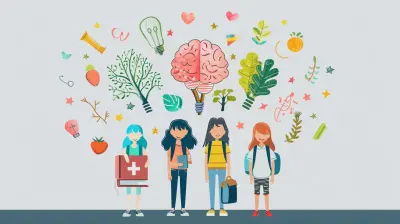
Engaging the Disengaged: Strategies for Struggling Students
2 December 2025
Let’s face it—every classroom has students who seem disconnected, zoned-out, or just plain uninterested. As much as we’d love to sprinkle magic dust and immediately spark their curiosity, reality doesn’t work that way. But here’s the thing: disengaged students aren’t lost causes. They’re not unreachable. In fact, they might be waiting for the right moment, the right push, or the right approach to help them re-ignite their love of learning. So, how do we make that happen?
In this post, we’re diving deep into strategies that genuinely work to engage struggling students. Whether you're a teacher, parent, or education enthusiast, you’re about to get some powerful tools to help guide learners back from the brink of boredom or frustration.
Why Do Students Disengage in the First Place?
Before we throw solutions at the wall, let’s talk about the "why." There’s no single reason a student might become disengaged—it’s usually a combination of factors. But understanding these root causes is crucial if we want to address them effectively.Emotional Struggles
Some students are battling battles we can't see—anxiety, low self-esteem, or external family pressures. It’s hard to care about algebra when your mind is in survival mode.Learning Difficulties
Imagine trying to run a race with your shoelaces tied together. That’s what it’s like for students with undiagnosed or unsupported learning needs. Frustration builds, and eventually, they give up.Boredom and Lack of Challenge
Ironically, both struggling and gifted students may find school boring. If the content feels irrelevant or way above (or below) their level, they check out.Disconnection from School Culture
Some students feel like outsiders. They can’t relate to the school environment, the curriculum, or even their teachers. So, they mentally (and sometimes physically) walk away.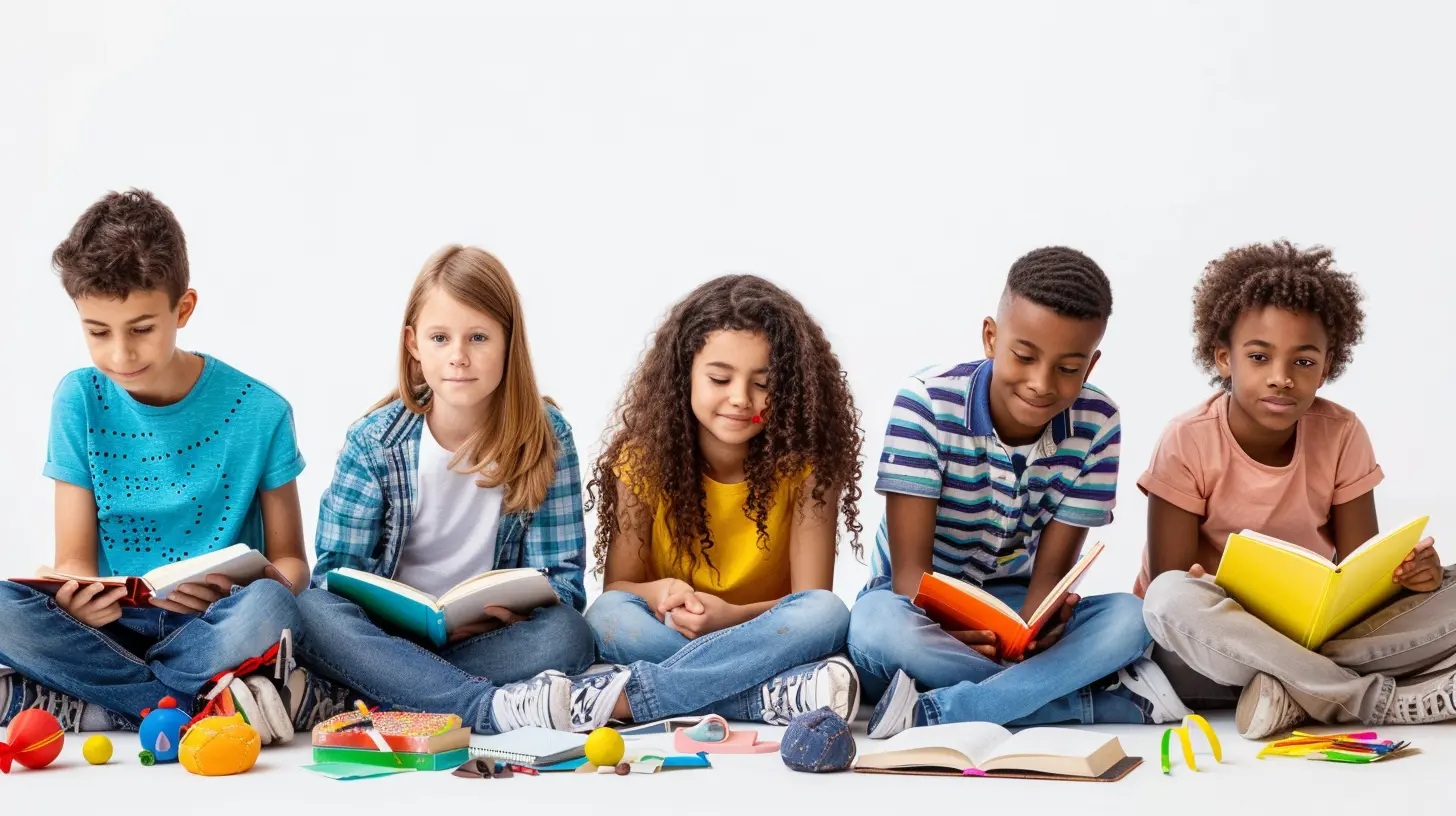
Building a Foundation: Relationships First
We cannot talk about engagement without talking about relationships. Kids don't learn from people they don't like—straight up. If a student knows you care, they’re way more likely to care in return.Create a Safe Space
Students need to know it's okay to mess up. Celebrate mistakes as learning opportunities. Build trust. Let them see you're human too—share stories, laugh, be approachable.Listen—Really Listen
Got a quiet kid? Ask open-ended questions. Give them time to respond. Show genuine interest. A small "Hey, how was your weekend?" can go a long way in showing you care more about them than just their grades.
Strategy 1: Make Learning Relevant
Ever heard a student ask, “When am I ever gonna use this in real life?” That question is a golden opportunity.Connect Content to Real Life
Whether it’s math, science, or literature, draw connections to everyday life. Show how percentages work when shopping or how chemistry explains cooking. Make it practical.Use Pop Culture and Interests
Have a student obsessed with gaming or sports? Use that! Relate lessons to their favorite team or game. If you're teaching probability, why not analyze stats from a video game?
Strategy 2: Differentiate or Die (Okay, Not Literally)
One-size-fits-all learning is ancient history. Each student is different—why shouldn’t their learning experience be too?Offer Choice
Let students pick how they want to show learning. Some might write, others might create a video, draw, or even build a model. Choice leads to ownership, and ownership boosts engagement.Scaffold Like a Pro
Break down tasks into bite-sized steps. Support struggling students with guided questions, graphic organizers, or peer buddies. Gradually ease up as confidence builds.Strategy 3: Incorporate Movement and Hands-On Learning
Sitting still for hours? Brutal—for both students and teachers. Sometimes the best lessons happen when students are on their feet and interacting.Get Physical
Set up stations around the room, do review games that require movement, or do a quick stretch break. Kinesthetic learning isn't just for little ones—it works wonders for all ages.Project-Based Learning (PBL)
Let students solve real-world problems through projects. This could mean designing a sustainable city, writing a business plan, or creating a public service announcement. The more hands-on, the better.Strategy 4: Make Technology Your Friend, Not Your Foe
We’re living in an age where students are digital natives. So let’s meet them where they are.Use EdTech Tools
There are tons of engaging tools like Kahoot!, Quizizz, Flipgrid, Edpuzzle—the list goes on. Gamify learning when possible. Even simple online polls can spark excitement.Encourage Creation, Not Just Consumption
Have students create a vlog, blog, podcast, or digital art piece based on what they’re learning. Let their creativity shine using the tech they already love.Strategy 5: Cultivate a Growth Mindset
Sometimes students disconnect because they believe they’re just "not smart enough." That fixed mindset is a huge barrier.Celebrate Effort Over Outcome
Reward persistence, not just perfect answers. Highlight stories of people who failed, tried again, and succeeded. Normalize struggle.Use the Power of “Yet”
Encourage students to say, “I don’t get this... yet.” That one word can change the game. It opens the door to possibility rather than slamming it shut.Strategy 6: Involve Parents and Caregivers
Engagement doesn’t stop when students leave the classroom. Getting families involved can make a world of difference.Build Open Lines of Communication
Don’t just contact parents when there’s a problem. Share successes, too. Invite them to be part of the learning process.Offer Tools for At-Home Support
Provide simple strategies for parents to help students at home—reading together, discussing news stories, or playing educational games.Strategy 7: Reflect and Adjust Regularly
Sometimes what works with one group crashes with another. That’s okay. Teaching isn’t a one-and-done job—it’s a craft that evolves.Ask for Feedback
Why not ask students what’s working and what’s not? Give anonymous surveys or have open class discussions. Their insights might surprise you.Keep Experimenting
Try new activities, switch up the seating, or flip the classroom format. Don’t be afraid to reinvent parts of your approach.Final Thoughts: It's a Journey, Not a Sprint
Look, re-engaging struggling students won't happen in a day. But the good news? Every effort counts. Every word of encouragement, every adjusted lesson plan, every chance you take to try something different—it all adds up.Remember: disengaged students aren’t lazy. They’re lost, frustrated, or overwhelmed. And with the right tools, you can lead them back—sometimes slowly, but always surely—towards meaningful learning.
So, take a breath. Refill your coffee mug. And get ready to re-engage the disengaged. They’re waiting for someone to notice. Be that someone.
Quick Recap: Key Strategies at a Glance
- Build strong, trusting relationships- Make learning relevant and real-life
- Differentiate instruction for all learners
- Get students moving and working hands-on
- Use technology to enhance engagement
- Foster a growth mindset mindset through encouragement
- Engage parents and caregivers
- Continuously reflect and adjust your teaching methods
You’ve got this!
all images in this post were generated using AI tools
Category:
Student EngagementAuthor:

Zoe McKay
Discussion
rate this article
2 comments
Porter Reyes
This article offers valuable insights into reconnecting with struggling students. By incorporating personalized learning, fostering a supportive classroom environment, and utilizing interactive techniques, educators can ignite curiosity and motivation. It’s essential to recognize each student’s unique challenges and strengths, paving the way for meaningful engagement and lasting academic success.
December 16, 2025 at 5:24 AM
Zoe McKay
Thank you for your thoughtful comment! I’m glad you found the insights on personalized learning and supportive environments valuable for engaging struggling students.
Elwynn Howard
Great insights on reconnecting with disengaged students! Leveraging technology, fostering a supportive classroom environment, and incorporating student interests can make a significant difference. Practical strategies like these empower educators to transform challenges into opportunities for growth.
December 2, 2025 at 1:48 PM
Zoe McKay
Thank you! I'm glad you found the strategies valuable. Together, we can create a more inclusive and engaging learning experience for all students.