The Role of Peer Mentorship in Gifted Education
8 June 2026
Let’s face it—gifted students are a unique bunch. They often think faster, dive deeper, and dream bigger than their peers. But being “gifted” doesn’t mean they’ve got everything figured out. In fact, many gifted learners wrestle with social isolation, perfectionism, or just feeling "different." That’s where peer mentorship steps in. It’s not just a trendy educational buzzword—it’s a game-changer.
Peer mentorship in gifted education has the power to fuel potential, spark creativity, and ease emotional growing pains. If you've ever wondered how just one connection can make all the difference for a gifted child, you’re in for an insightful read.

What is Peer Mentorship Anyway?
Before we start peeling back the layers, let’s clear up what peer mentorship actually means. In simple terms, it’s when a more experienced or mature student supports, guides, and encourages a fellow student—usually someone younger or newer—through academic, emotional, or social challenges.In the world of gifted education, mentorship often happens between two gifted students. The mentee benefits from guidance while the mentor gains leadership experience. It’s a win-win, and often more powerful than traditional top-down teaching.
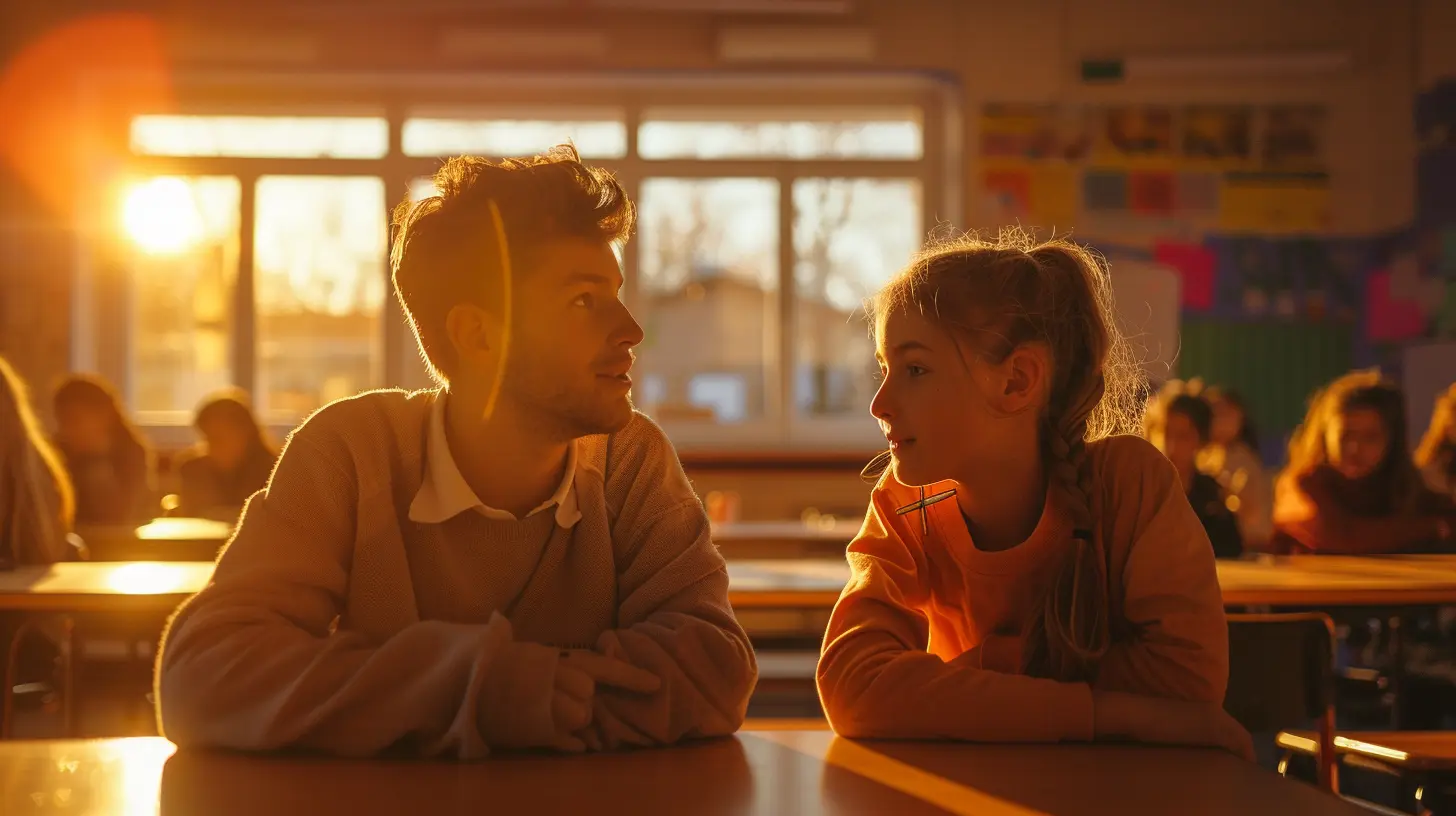
Why Gifted Students Need Mentorship
You might be thinking, “Aren’t gifted students supposed to be the ones helping everyone else?” True, they may excel in many areas, but their needs are just as complex—sometimes more so.Here’s why mentorship is especially crucial for them:
- Emotional Support: Gifted kids can feel out of sync with their age group. A mentor who has "been there" can help normalize their experiences.
- Social Skills Development: Let’s be real—some gifted students struggle socially. Mentorship fosters communication and collaboration.
- Academic Encouragement: Just because they’re gifted doesn’t mean they’re immune to self-doubt. Peer mentors can offer that extra push.
- Growth Mindset Reinforcement: Mentors can encourage mentees to see failure as feedback, not a flaw.
Put simply, mentorship fills in the gaps that traditional schooling often leaves wide open.

The Emotional Side of Being Gifted
We tend to romanticize giftedness as brilliance in motion, but beneath those high IQs and creative outbursts, there are emotional complexities few talk about. Peer mentorship provides a lifeline for these hidden challenges.- Feeling Like an Outsider: Gifted kids often feel “different.” A mentor who understands this helps them feel like they belong.
- Perfectionism Pressure: Many gifted learners expect themselves to be flawless. A mentor can remind them that progress beats perfection.
- Fear of Failure: The higher the potential, the higher the stakes feel. Peer mentors help shrink fears and stretch possibilities.
Sometimes, just hearing “I get it” from someone who’s walked a similar path is all a gifted student needs to steer back on track.

School Culture and Sandwiching Between Peers
Let’s talk peer dynamics. Gifted students are often placed in mixed-ability classrooms where they stand out—not always in a good way. Their peers might misunderstand them, or worse, mock their curiosity or academic drive.But with peer mentorship programs, the dynamic shifts. Gifted students are no longer isolated—they're connected, supported, and even celebrated. They get to interact with someone who “gets” what they’re going through, whether it’s juggling a million projects or geeking out over quantum physics.
Peer mentorship creates micro-communities within schools where gifted learners feel safe, seen, and supported.
How Peer Mentorship Programs Work in Practice
Now you’re probably wondering, “How does this look in real life?” Excellent question.Here’s how effective peer mentorship programs are typically structured:
1. Matching Process
The success of any mentorship hinges on the right match. Age, interests, personality, and academic level all factor into pairing mentors and mentees. The goal is to create a relationship that feels natural, not forced.2. Training the Mentors
Being smart doesn’t automatically make you a good mentor. Schools often provide training that covers:- Active listening
- Constructive feedback
- Emotional intelligence
- Conflict resolution
This equips gifted mentors to not only share knowledge but also support their mentees holistically.
3. Scheduled Interactions
Mentorship isn’t a one-and-done chat over lunch. It requires consistency. Programs often schedule weekly or bi-weekly check-ins—sometimes during study halls or after school hours—to keep the relationship strong.4. Goal Setting
Mentorship should be purposeful. Goals could include anything from improving writing skills to managing anxiety before exams. With clear objectives, the mentor and mentee stay focused and motivated.5. Reflection and Feedback
Regular reflections ensure the mentorship is benefiting both parties. It helps troubleshoot issues early and allows both mentor and mentee to grow over time.
The Ripple Effect of Mentorship
What starts as a one-on-one relationship quickly radiates outward.For the Mentor
The mentor isn’t just giving—they’re gaining too. They develop leadership skills, empathy, time management, and a deeper understanding of their own learning styles. These are lifelong assets.For the Mentee
The mentee gains confidence, clarity, and often a newfound passion for learning. With someone in their corner, they’re more likely to take academic risks and push their own limits.For the School
Schools with solid peer mentorship programs often see a boost in student morale, fewer disciplinary issues, and a stronger academic culture. It’s like planting seeds of success that blossom across classrooms.Case Studies: Mentorship That Made a Difference
Let’s look at a few real-life examples (with changed names, of course):- Anna & Lucy: Anna, a high school senior in a gifted program, mentored Lucy, a freshman struggling with imposter syndrome. They met every Tuesday to chat about everything from AP Chemistry to friendship drama. Lucy went from nearly dropping out of the gifted track to being a top scorer in the school’s science fair.
- Jason & Malik: Jason, a gifted eighth grader, mentored Malik, a sixth grader new to the pull-out gifted program. Their weekly brainstorming sessions not only helped Malik adapt but sparked an idea that won them a regional coding competition.
Mentorship isn’t magic, but it sure can feel magical.
Tips for Starting a Peer Mentorship Program in Gifted Education
If you’re an educator or program coordinator wondering how to kick things off, here are some actionable tips:1. Start Small: Begin with a pilot group—maybe five mentor-mentee pairs. Scale gradually.
2. Get Buy-In: Involve parents, teachers, and students in the planning process.
3. Provide Training: Invest time in preparing your mentors. Confidence is key.
4. Create Safe Spaces: Make sure meetings happen in non-judgmental, private settings.
5. Use Feedback Loops: Check in regularly. What’s working? What’s not?
Peer mentorship isn’t one-size-fits-all, but when done right, it definitely fits most.
Challenges and How to Overcome Them
No program is without hurdles, and peer mentorship is no exception. Here’s what to watch out for:- Mismatch of Personalities: Not every pairing works. Have a backup plan to reassign if needed.
- Time Constraints: Students (especially gifted ones) are often overloaded. Build flexibility into scheduling.
- Lack of Engagement: If either party isn’t invested, it shows. Encourage optional activities that build rapport naturally.
Overcoming these challenges just takes a bit of patience—and plenty of heart.
The Future of Peer Mentorship in Gifted Education
As we move toward more personalized learning models, peer mentorship will likely become a staple in classrooms across the globe. It fits perfectly within the push for student-led learning, emotional intelligence, and holistic education.Imagine every gifted student having their own peer coach, someone who understands the joy of mental gymnastics but also the frustration that comes when your brain refuses to hit the brakes. That’s not just education—that’s empowerment.
Final Thoughts
Peer mentorship in gifted education isn’t just a side dish; it’s the main course we didn’t know we needed. It’s the bridge between potential and progress, between isolation and inspiration. Whether you’re a teacher, parent, or gifted student yourself, embracing mentorship could be the spark that lights the path to a brighter, more connected learning journey.So, the next time someone says, "Gifted kids have it easy," you’ll know there’s more to the story—and mentorship is a big, beautiful part of it.
all images in this post were generated using AI tools
Category:
Gifted EducationAuthor:

Zoe McKay
Discussion
rate this article
1 comments
Gwen Alvarez
Peer mentorship can offer valuable support and insights for gifted students, fostering collaboration and personal growth in their educational journey.
June 10, 2026 at 12:02 PM
Zoe McKay
Absolutely, peer mentorship can create a dynamic environment where gifted students learn from each other and grow together. It's a crucial part of their development.