Promoting Body Positivity in the Classroom
12 January 2026
Hey there, fellow educators, parents, and positivity champions! 🍎✨ Let’s talk about something super important today—body positivity in the classroom. Yep, that space with the squeaky chairs, colorful posters, and sometimes awkward puberty conversations? That's the perfect place to plant seeds of self-love and acceptance.
Imagine a classroom where every student feels confident in their own skin, where no one feels the pressure to "look a certain way," and where kindness is cooler than criticism. Sounds amazing, right? That’s what promoting body positivity is all about.
Let’s dive in and see how we can make our classrooms a haven of acceptance and celebration for all body types, one joyful step at a time.
🌈 What Is Body Positivity Anyway?
Before we start brainstorming ideas, let’s get on the same page. Body positivity is all about respecting and appreciating all body types, no matter the size, shape, ability, or appearance. It’s also about challenging unrealistic beauty standards and encouraging people—especially young people—to value themselves for who they are, not just how they look.It’s like saying, “Hey, your body is awesome, just the way it is.” And wouldn’t it be wonderful if every child heard that every single day?
🎒 Why Body Positivity Belongs in the Classroom
You might be thinking, "Isn’t body positivity something better taught at home or on social media?" Sure, those places matter too. But guess what? Kids spend a huge chunk of their time in school. Teachers become role models. Friends become influence hubs. And cafeterias, locker rooms, and classroom mirrors? They're battlegrounds for body image issues.So yes, the classroom is the perfect place to start these conversations. Here’s why:
- Boosts Confidence: When kids feel good about their bodies, they're more likely to participate, speak up, and try new things.
- Reduces Bullying: Promoting body acceptance cuts down on teasing and bullying.
- Improves Mental Health: Positive self-image is linked to reduced anxiety, depression, and low self-esteem.
- Creates Inclusive Environments: Celebrating diversity helps all students feel seen, heard, and valued.
See? It's way more than just a "feel-good" topic—it's foundational to healthy development.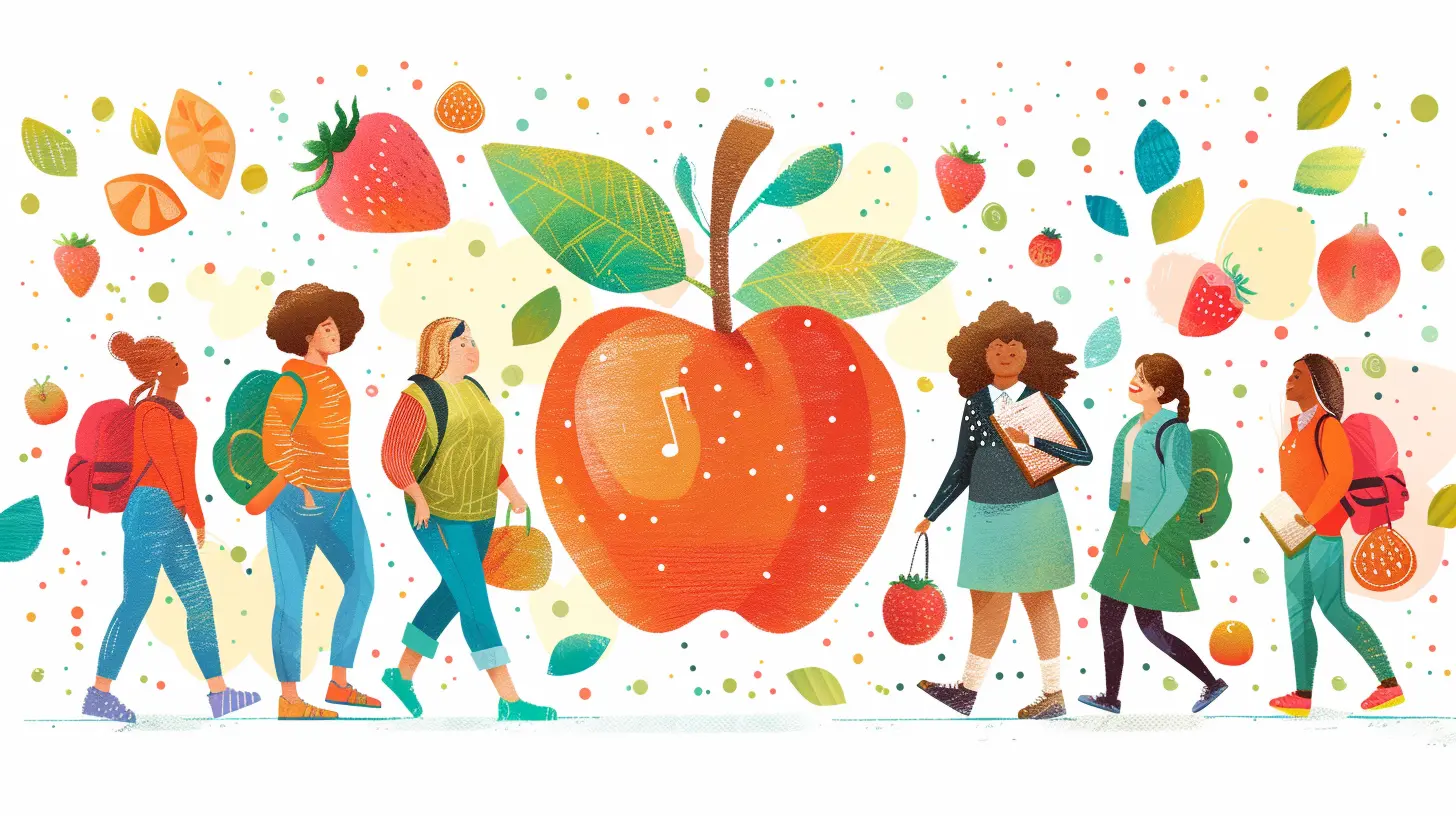
🧠 Common Body Image Triggers in School
Let’s be real—school can be tough when it comes to body image. From awkward growth spurts to gym class anxieties, here are a few areas that can spark insecurity:1. Uniforms or Dress Codes
Strict or biased dress codes can unintentionally shame certain body types. "Too tight," "too short," or "too baggy" often targets girls, plus-size students, or those developing at different rates.2. PE and Sports
For some students, gym class feels like being on stage—everyone’s watching, and they’re terrified of “messing up.” Combine that with locker room changes and you’ve got a recipe for body self-consciousness.3. Health and Science Lessons
Ever sat through a puberty lesson that made everyone cringe? Yeah, it’s a rite of passage. Still, we can offer information in a respectful, inclusive way so no one leaves feeling “wrong” or “behind.”4. Media Influences
Students are constantly bombarded by images of “ideal” bodies on Instagram, TikTok, and YouTube. They bring those comparisons into the classroom—sometimes silently, sometimes vocally.
📘 How to Promote Body Positivity in the Classroom
Alright, now let’s get into the good stuff—how we can actively promote body positivity in fun, engaging, and powerful ways.🌟 1. Model Body-Positive Language
This is a biggie. Students absorb everything—especially how adults talk about themselves and others.- Avoid negative body talk like “I feel so fat today” or “I need to lose 10 pounds.”
- Compliment students on things other than appearances. Try “You worked really hard on this,” or “I love how kind you are to others.”
- Shut down body-shaming, even if it’s “just a joke.”
Our words matter. Let's use them like sunshine!
🎨 2. Use Inclusive Visuals and Stories
Decorate your classroom with posters, books, and materials that represent all kinds of bodies.- Choose storybooks with diverse characters—different sizes, races, abilities, and backgrounds.
- Use learning materials featuring people who don’t all look the same.
- Celebrate real-life heroes of all body types.
When kids see themselves reflected in the world around them, they know they belong.
🧩 3. Foster Kindness and Empathy
Create a classroom culture where kindness is the norm and laughter isn’t at someone else’s expense.- Host a “Kindness Challenge” week.
- Encourage students to write compliments or gratitude notes.
- Highlight stories of real people showing strength, resilience, and compassion—not just beauty.
By nurturing empathy, we make room for everyone.
🗣️ 4. Talk About Media Literacy
Teach students how to look at media with a critical eye.- Show how photos are edited and curated.
- Discuss influencer culture and its impact on self-esteem.
- Ask students how certain images make them feel and why.
It’s all about helping them navigate the digital world without losing who they are.
🧠 5. Include Mental Health in the Curriculum
Body image and mental health are tightly linked, so don’t shy away from these important topics.- Teach emotional regulation and positive self-talk.
- Normalize struggles with self-esteem as a part of life, not a character flaw.
- Invite counselors or experts to speak.
When students feel emotionally supported, they’re more likely to love and respect their bodies.
🧍 6. Make PE and Health Inclusive
Physical education should be fun—not stressful!- Let students choose among activities they enjoy.
- Avoid public weigh-ins and body measurements.
- Emphasize movement for joy and wellness, not just competition or calorie-burning.
Let’s show kids that movement is for every body.
🍎 Activities to Boost Body Positivity
Ready for some hands-on ideas? These fun classroom activities can spark serious feel-good vibes!🖍️ Body Positive Art Gallery
Have students draw or print images that represent positive body messages. They can include quotes, affirmations, or drawings. Turn your walls into a celebration of diversity and self-love!✉️ Kind Letters to Ourselves
Ask students to write kind, encouraging letters to themselves. “Dear Me, I love my freckles. I’m proud of how brave I was during the school play...” Then seal them up and return them on the last day of class.🧘 Mindfulness Moments
Start or end the day with short mindfulness exercises. Breathing, gratitude lists, or short meditations can do wonders for mental clarity and self-acceptance.👫 Compliment Circles
Pair students up and have them give each other non-appearance-related compliments. “You’re always helpful” or “You’re really creative” will lift spirits and change how students view each other.🚧 What to Avoid
While we're spreading sunshine and positivity, there are a few potholes to watch out for:- Toxic Positivity: It's okay for students to have bad days. Allow space for real feelings without forcing “good vibes only.”
- Unintentional Shaming: Even well-meaning comments like “You’ve lost weight!” can reinforce harmful ideas.
- One-Size-Fits-All Approaches: Remember, not every student comes to the table with the same experiences. Be inclusive of neurodiversity, cultural differences, and differing abilities.
🌍 How Parents Can Help Too
This isn’t just the teacher's job. Nope, it takes a village! Parents play a HUGE role in building a student’s self-image. So keep an open line of communication between home and school.- Encourage body positive talk at home.
- Work together on dress code fairness.
- Share concerns and suggestions openly.
Together, we can build communities that uplift every child.
✨ Why It All Matters
At the heart of it all, promoting body positivity in the classroom isn’t just about looks. It's about self-worth. It's about cultivating environments where students feel accepted, strong, and empowered to be themselves.We don’t need every student to love every inch of themselves 24/7. But if we can help them treat their bodies with kindness—and extend that kindness to others—we’ve done something beautiful.
Because believe it or not, a single teacher’s voice can drown out a thousand ads. A single inclusive classroom can change a life. And a single act of kindness can plant the seed for a lifetime of self-love.
💬 Final Thoughts
So here’s your challenge: How will you bring more body positivity into your classroom today? Will you hang an inclusive poster? Compliment a student on their creativity? Maybe rethink that health lesson?Whatever you do, just know—it matters. A lot. You're not just teaching math or English or science. You're helping kids love themselves. And that—well, that’s the biggest lesson of all.
all images in this post were generated using AI tools
Category:
Health EducationAuthor:

Zoe McKay
Discussion
rate this article
2 comments
Mary McQuiston
Empowering students to embrace body positivity fosters a supportive classroom environment, encouraging self-acceptance and respect. Let's cultivate kindness and celebrate diversity together!
February 15, 2026 at 11:24 AM
Zoe McKay
Thank you for highlighting the importance of body positivity in education! Embracing diversity and fostering self-acceptance truly enriches our classroom environments. Let's continue to promote kindness together!
Delta McMillen
Body positivity isn't just a trend; it's essential! Let’s ditch the outdated beauty standards and empower students to celebrate their unique selves. Confidence starts in the classroom—let’s make it happen!
January 14, 2026 at 6:00 AM
Zoe McKay
Absolutely! Promoting body positivity in the classroom empowers students to embrace their individuality and fosters a supportive environment where confidence can thrive. Let's make this a priority!