Peer Tutoring and Its Place in Modern Educational Theories
12 April 2026
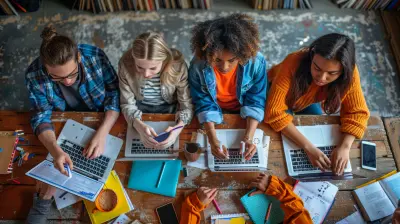
We’ve all been there—sitting in a classroom, trying to make sense of a complex concept, wondering if there’s a better way to learn it. What if instead of relying solely on the teacher at the front of the room, we could turn to a fellow student for clarification? That’s the basic idea behind peer tutoring, a learning strategy where students help each other understand the material. But peer tutoring isn’t just a random act of kindness; it’s deeply embedded in modern educational theories and backed by research.
In this article, we’ll dive deeper into peer tutoring, its benefits, and its evolving role in today’s educational landscape. Whether you're a student, teacher, or just curious about how people learn, let's explore why peer tutoring is gaining so much attention in modern education.
What is Peer Tutoring?
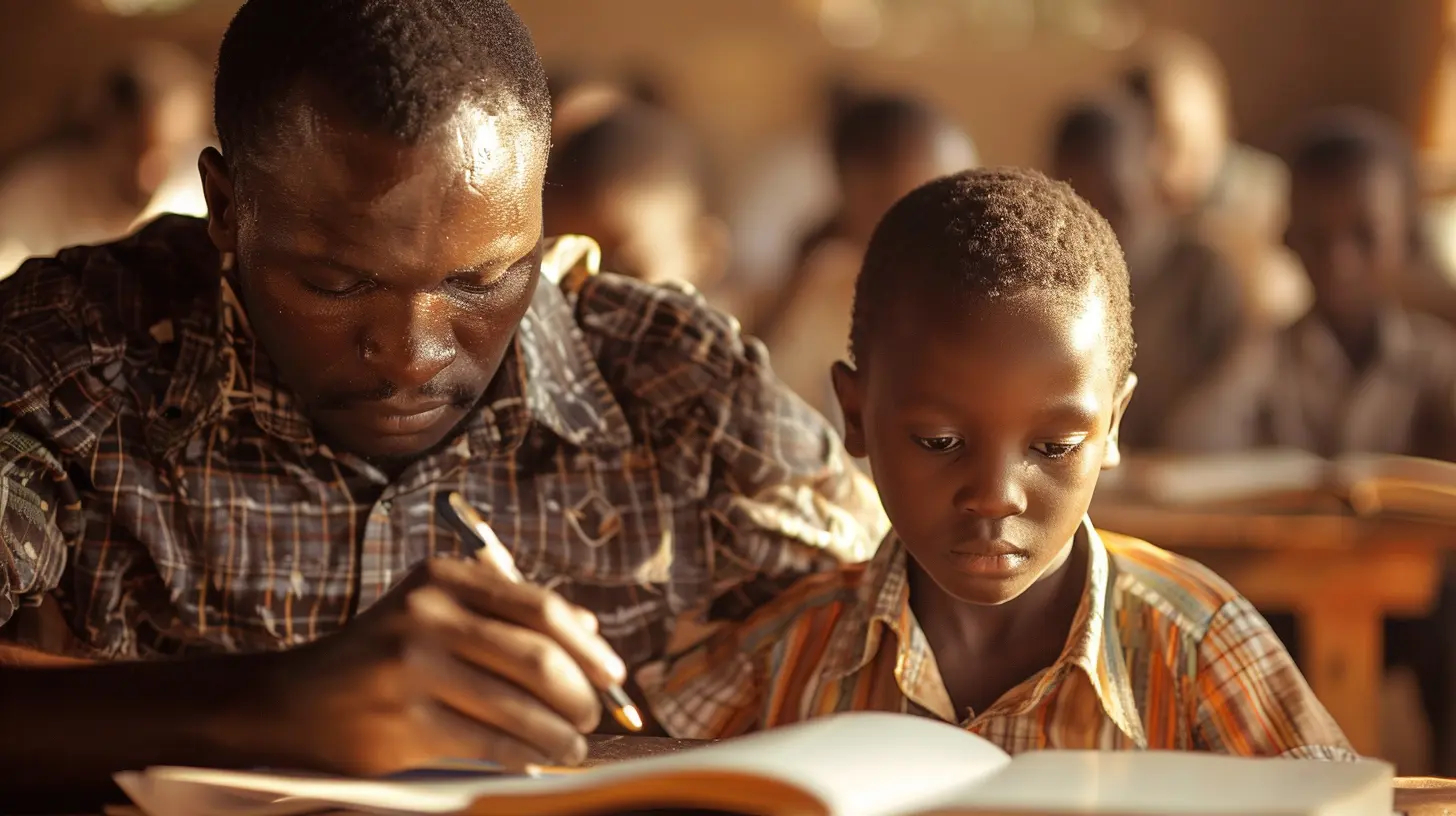
At its core, peer tutoring is a system where students tutor other students. The roles of tutor and learner are fluid—students may switch between them depending on the subject or topic at hand. The idea is simple: students work together to help each other grasp difficult concepts, complete assignments, or prepare for exams.Unlike traditional teacher-centered learning, peer tutoring is more collaborative and interactive. It’s not about one student being the "know-it-all" and the other being "helpless." Instead, both parties benefit from the process. The tutor reinforces their own knowledge by teaching, and the learner gets the advantage of a more relatable explanation.
So why is this such a big deal? Well, peer tutoring taps into a psychological principle called the "zone of proximal development" (ZPD). Coined by psychologist Lev Vygotsky, ZPD refers to the difference between what a learner can do independently and what they can achieve with guidance. Often, that guidance can come from a peer who is just a step ahead in understanding.
The Theoretical Backbone: Vygotsky and Social Learning Theories
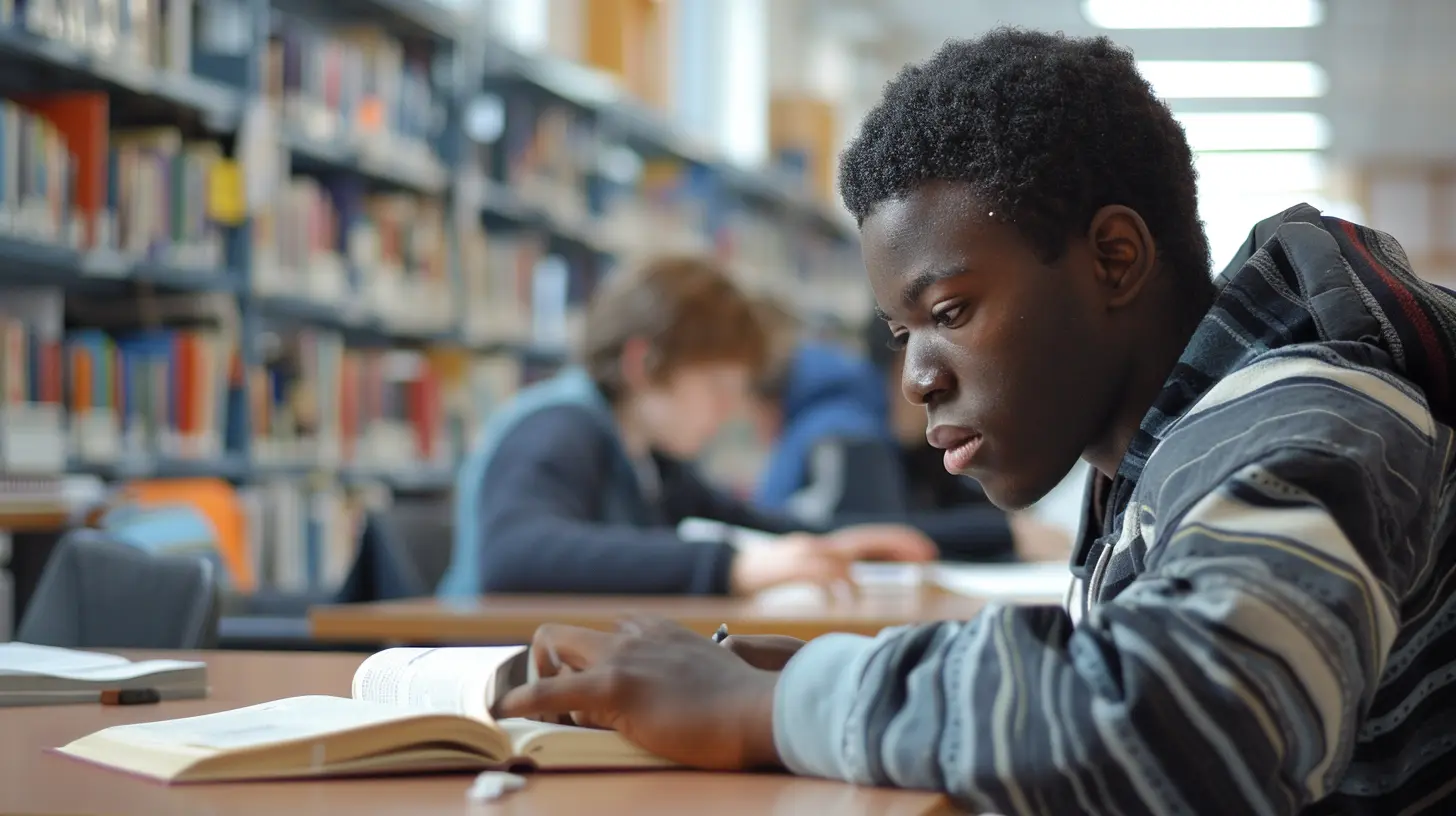
Peer tutoring is not just a technique that works by chance. It’s grounded in well-established educational theories that focus on social learning. One of the most influential figures in this field is Lev Vygotsky, who proposed that learning is inherently a social activity. According to Vygotsky’s theory, students learn best when they interact with others, especially those who are slightly more knowledgeable.This is where peer tutoring shines. When a peer explains a concept, they often use simpler language and examples that resonate more with the learner. Unlike a teacher, who may be far removed from the struggles of a beginner, a peer tutor understands the hurdles because they’ve recently overcome them themselves.
Additionally, peer tutoring aligns with Jean Piaget's theory of cognitive development. Piaget emphasized that students construct knowledge through active engagement and meaningful interactions. Peer tutoring provides those critical interactions, allowing students to test their understanding in a supportive environment.
The Peer Effect: Why Students Learn Better from Their Peers
You might be wondering, “Why would students learn better from their peers than from a trained teacher?” Good question! It’s not that peer tutors are more knowledgeable than teachers, but they provide a different perspective. Often, students explain things in a way that’s easier to grasp because they’re closer to the learner’s level of understanding.Let’s be real—sometimes teachers, with their years of experience, can inadvertently make things more complicated. They might skip steps that seem obvious to them but aren’t to a student. A peer tutor is more likely to explain things using relatable analogies or break down the problem step-by-step, because they’ve recently been in the learner’s shoes.

Modern Educational Theories Embracing Peer Tutoring
Peer tutoring isn’t just a fringe idea—it’s becoming a central feature in many modern educational theories. Let’s look at a few that highlight the importance of collaborative learning.Constructivism
Constructivism, championed by educators like Piaget and Vygotsky, holds that learning is an active process of building knowledge, rather than passively receiving information. Peer tutoring fits perfectly into this framework because it provides opportunities for students to actively engage with the material.In a peer tutoring session, learners aren’t just absorbing information; they’re engaging in a dialogue, asking questions, and testing their understanding in real time. This active participation helps deepen their comprehension and makes the learning experience more meaningful.
Collaborative Learning
Collaborative learning is a teaching approach where students work together to solve problems, complete tasks, or understand concepts. Peer tutoring is a natural extension of this idea. Instead of relying exclusively on the teacher, students lean on each other for support. This creates a more inclusive and dynamic classroom environment, where students feel empowered to contribute.Studies have shown that when students collaborate, they tend to develop higher-order thinking skills. The dialogue that happens during peer tutoring encourages critical thinking and problem-solving, two skills that are essential in today’s fast-paced world.
Student-Centered Learning
In student-centered learning, the focus shifts from the teacher to the student. The idea is to encourage learners to take ownership of their education. Peer tutoring fits well within this model because it fosters independence. Rather than relying solely on the teacher for answers, students learn to figure things out with the help of their peers.This approach not only makes learning more engaging but also teaches students valuable life skills like teamwork, communication, and responsibility.
Benefits of Peer Tutoring: Why It Works
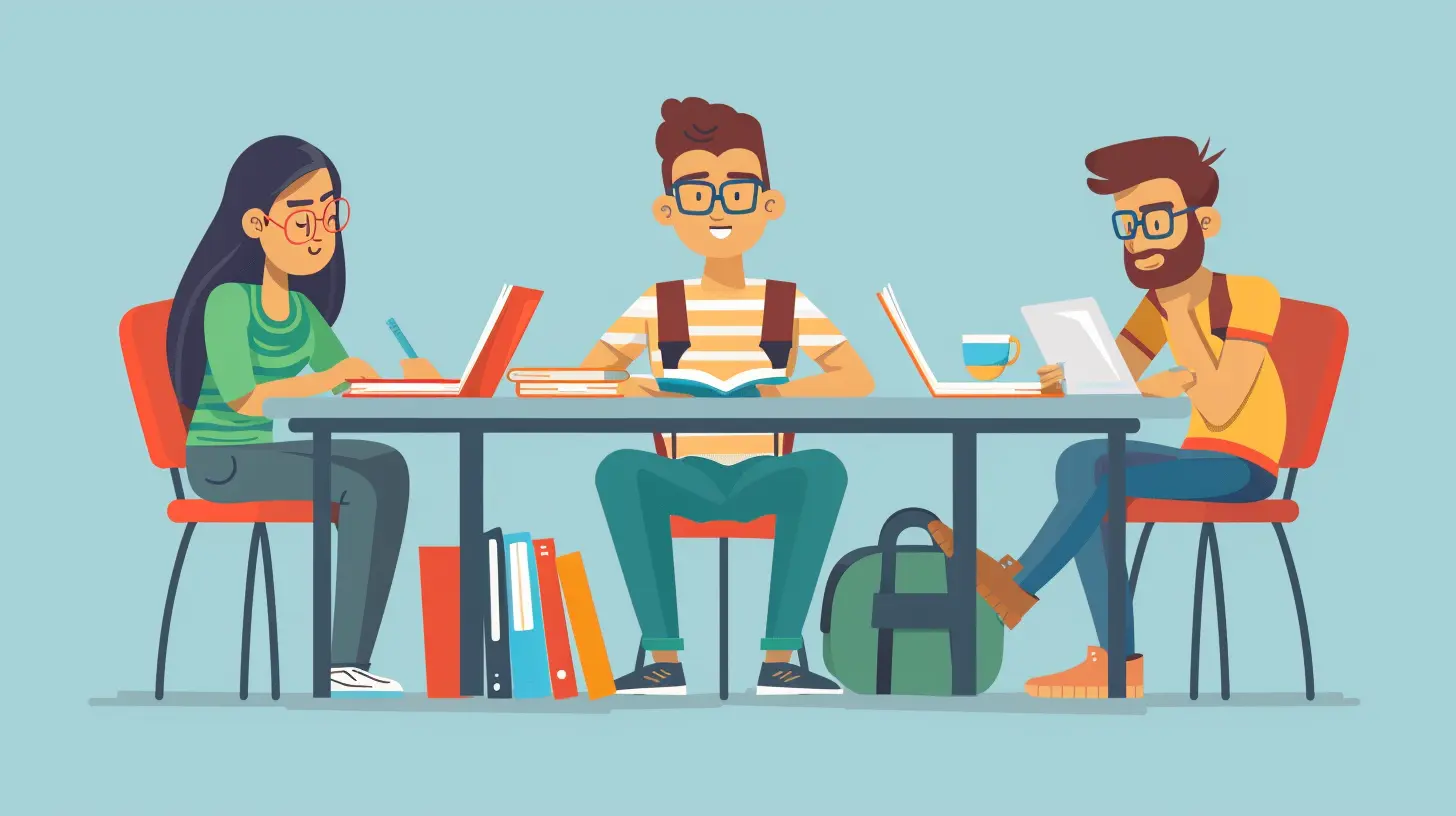
Now that we’ve covered the theory, let’s talk about the practical benefits. Why is peer tutoring so effective? Here are some of the main reasons.1. Improved Academic Performance
Numerous studies have shown that peer tutoring can lead to significant improvements in academic performance. Both the tutor and the learner benefit from the process. The learner gets personalized assistance, while the tutor solidifies their own knowledge by teaching. In fact, research shows that the act of explaining a concept to someone else is one of the best ways to deepen your own understanding.2. Enhanced Communication Skills
Peer tutoring requires students to explain concepts clearly and concisely, which helps them develop strong communication skills. These skills are invaluable—not just in school, but in everyday life. Whether it’s explaining a math problem or discussing a novel, students involved in peer tutoring become better communicators.3. Increased Confidence
When students help their peers, they gain confidence in their own abilities. For the learner, receiving help from someone their own age can make the learning process feel less intimidating. It’s easier to ask questions and admit confusion when you’re not worried about being judged by an authority figure. Peer tutoring creates an atmosphere of mutual respect and understanding.4. Personalized Learning
One of the biggest advantages of peer tutoring is that it provides personalized instruction. In a traditional classroom, a teacher might not have the time to give each student the individual attention they need. Peer tutoring fills that gap by offering targeted support. The tutor can adapt their explanations to suit the learner’s unique needs, making the learning process more effective.5. Develops Social Skills
Peer tutoring isn’t just about academics—it’s also about building relationships. Working closely with a peer fosters social skills like empathy, patience, and teamwork. These are critical life skills that go beyond the classroom and prepare students for the collaborative nature of the modern workplace.Challenges and Limitations of Peer Tutoring
While peer tutoring offers many benefits, it’s not without its challenges. For one, not all students are natural tutors. Some may lack the confidence or communication skills to explain complex concepts effectively. In these cases, training and guidance from teachers can be essential to ensure the tutoring sessions are productive.Another potential issue is that peer tutors might inadvertently pass on misconceptions or incorrect information. That’s why it’s crucial for teachers to oversee or check in on the process to ensure that the learning is accurate.
Finally, some students may feel uncomfortable being tutored by a peer, especially if they perceive the tutor as being “better” than them. This can lead to feelings of inadequacy or frustration. To mitigate this, it’s important to foster a supportive and non-judgmental learning environment where students feel safe asking for help.
How to Implement Peer Tutoring in Schools
If you're a teacher or administrator looking to implement peer tutoring in your school, there are several models you can explore.1. Cross-Age Tutoring
In cross-age tutoring, older students tutor younger students. This model works well because the older student is more likely to have mastered the material and can serve as a role model for the younger learner.2. Same-Age Tutoring
In same-age tutoring, students of the same grade level help each other. This model creates a more equal dynamic, which can be beneficial for students who are hesitant to ask for help from someone older.3. Reciprocal Peer Tutoring
Reciprocal peer tutoring involves students taking turns as the tutor and the learner. This model encourages mutual respect and helps both students reinforce their understanding of the material.Regardless of the model, it’s essential to provide some training for peer tutors. They don’t need to be experts, but they should have the tools and strategies to explain concepts clearly and manage their tutoring sessions effectively.
The Future of Peer Tutoring in Education
As education continues to evolve, peer tutoring is likely to play an even bigger role. With the rise of collaborative learning tools and online platforms, peer tutoring can extend beyond the physical classroom. Virtual peer tutoring programs are already gaining traction, providing students with more opportunities to connect and learn from each other, regardless of their location.In an era where personalized learning and student agency are becoming increasingly important, peer tutoring offers a flexible and effective way to enhance the learning experience. It not only improves academic outcomes but also fosters the social and emotional skills that students need to succeed in life.
Closing Thoughts
At the end of the day, peer tutoring is more than just a way for students to help each other with schoolwork. It’s a powerful educational tool that aligns with modern learning theories and prepares students for a collaborative world. Whether you're a student seeking help or a teacher looking to implement peer tutoring in your classroom, the benefits are clear: improved understanding, better communication skills, and a more engaged learning environment.So, next time you’re struggling with a tough concept, don’t hesitate to ask a friend for help. You might just find that peer tutoring is the key to unlocking your full potential.
all images in this post were generated using AI tools
Category:
Peer TutoringAuthor:

Zoe McKay
Discussion
rate this article
2 comments
Poppy Wheeler
Peer tutoring: where students become the teachers and learning gets a fun twist. Who knew that explaining algebra could spark friendships and turn study sessions into comedy shows? Bring on the learning!
May 28, 2026 at 2:41 AM
Zoe McKay
Absolutely! Peer tutoring not only enhances understanding but also fosters connections. It's amazing how learning can be both effective and enjoyable.
Zayne Maddox
Peer tutoring: where students teach each other and accidentally become best friends—or frenemies! It’s like a study group on caffeine, proving that sometimes the best teacher is just a slightly smarter friend. Who knew learning could come with a side of laughter and snack breaks?
April 12, 2026 at 12:06 PM
Zoe McKay
Absolutely! Peer tutoring not only enhances learning through collaboration but also fosters friendships and a supportive learning environment, making education both effective and enjoyable.