How the School Lunch Program Can Teach Nutrition Lessons
24 June 2026
In today’s fast-paced world, nutrition often takes a backseat to convenience, especially when it comes to children’s meals. However, schools have the unique opportunity to educate students about healthy eating through one of the most practical and relatable means possible—the school lunch program. It’s not just about providing calories to get kids through the day; rather, it’s about creating an environment where children can learn lifelong lessons about nutrition. But how exactly can the school lunch program teach these valuable lessons? Let’s dig in!
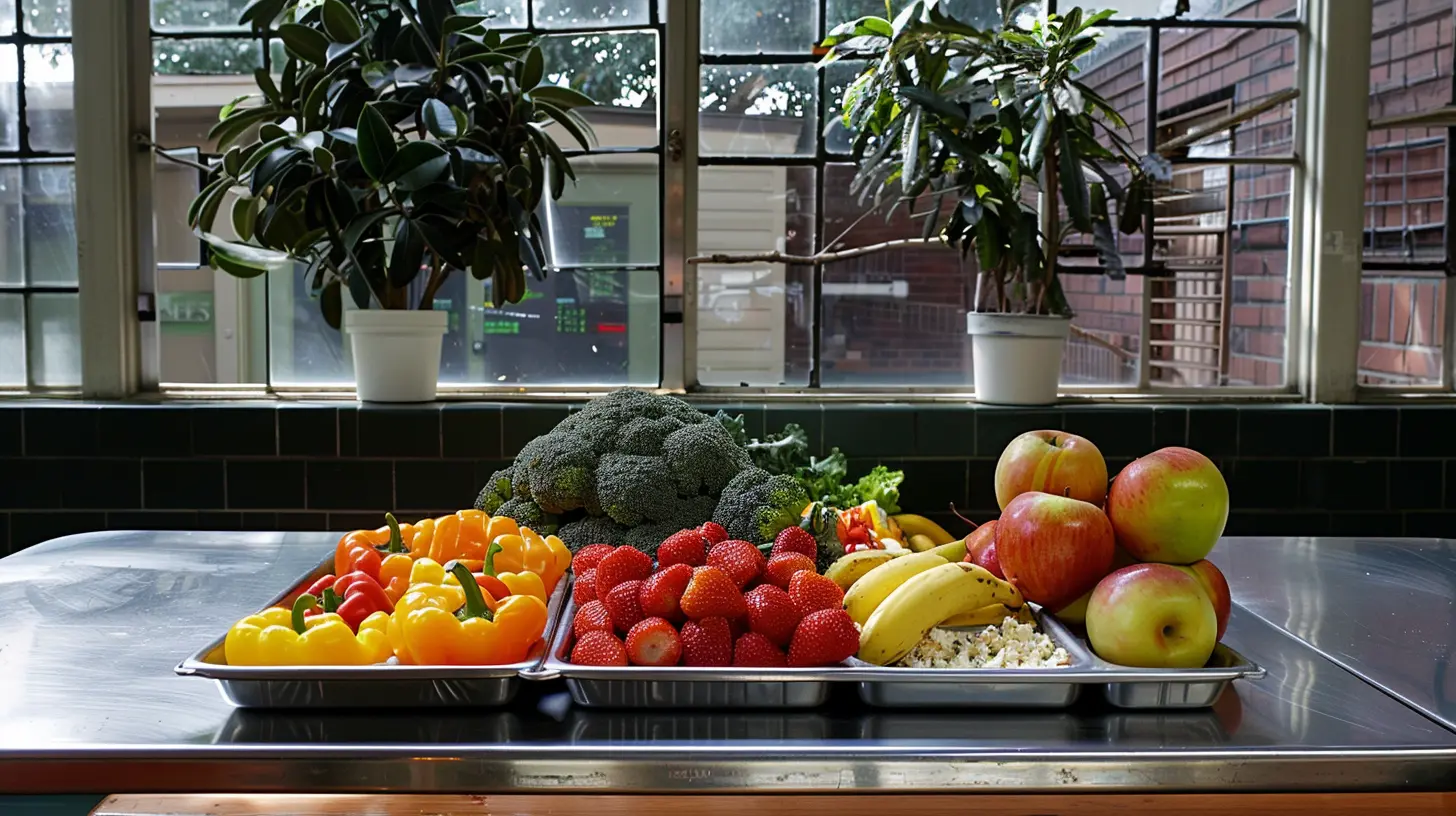
The School Cafeteria: A Classroom Beyond Books
When we think of a classroom, most people imagine desks, whiteboards, and textbooks. But what about the cafeteria? It’s a space where children make decisions about what they eat, often with minimal supervision. In a lot of ways, the school cafeteria can be just as educational as any traditional classroom. It’s like a living laboratory where kids can get hands-on experience with the concepts of balanced nutrition, portion control, and even sustainability.It’s more than just feeding students—it’s about shaping their habits, their preferences, and ultimately, their relationship with food. If we can teach kids how to make better choices at lunch, they’re more likely to carry those lessons into adulthood.
A Real-Life Example of Nutritional Education
Think about it: If a child is faced with a tray of fresh fruits, veggies, whole grains, and lean proteins on a daily basis, they start to recognize what a balanced meal looks like. It’s like learning a language—exposure is key. The more they see and experience healthy food options, the more likely they are to internalize that knowledge. Compare that to a child who is handed a pre-packaged, processed meal every day. What message is being sent about nutrition?
How Schools Can Incorporate Nutrition Education
So, how can schools use the lunch program to teach essential nutrition lessons? Here are some practical strategies that can make a big impact:1. Offer Balanced Meal Options
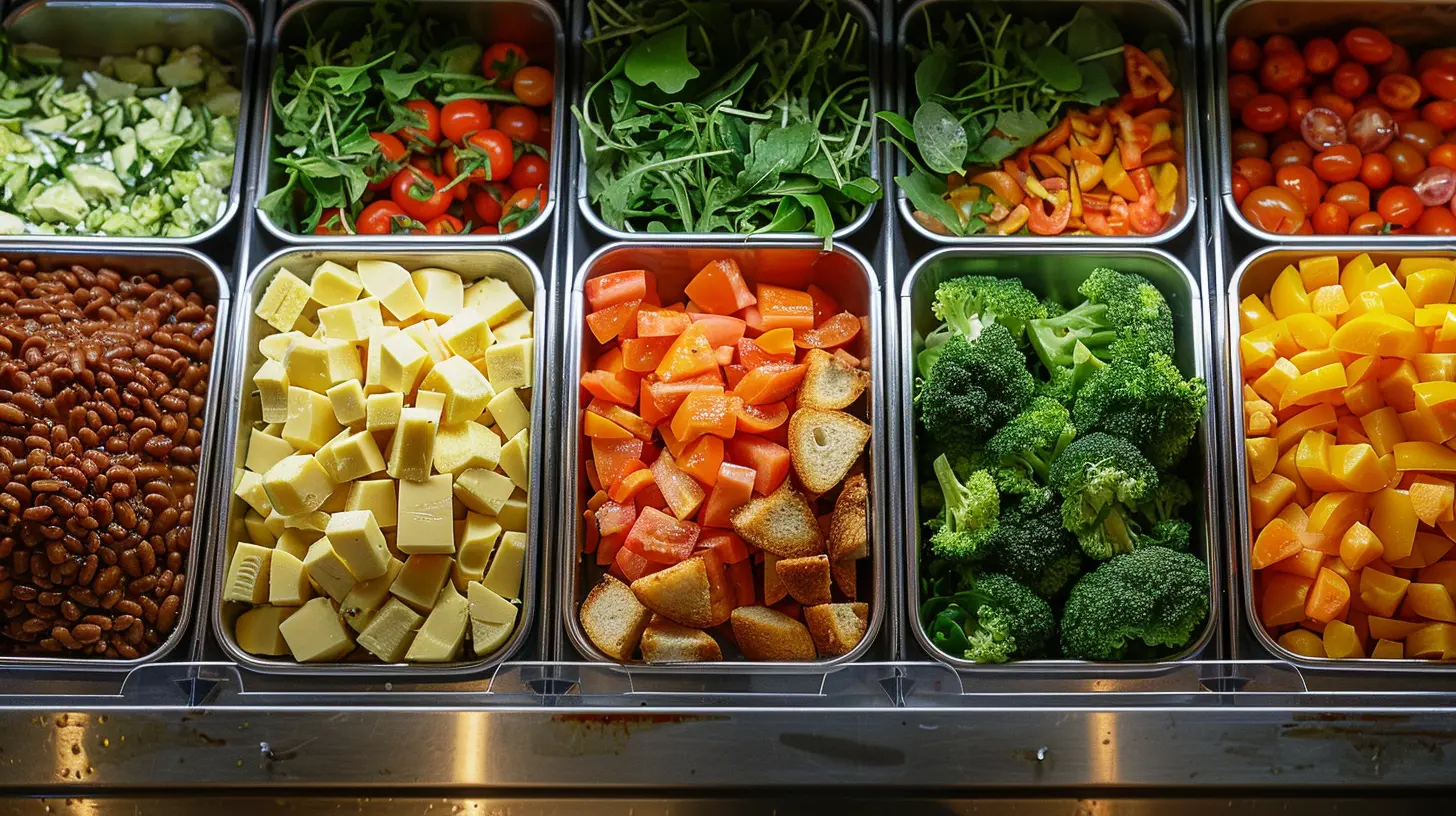
The first step is ensuring that the meals provided are nutritionally balanced. This means including all the food groups: fruits, vegetables, grains, protein, and dairy. When children see this variety on their plates every day, they’ll start to understand what a healthy meal looks like.For example, schools can introduce “Build Your Own Plate” days, where children get to create their meal by choosing from a variety of healthy options. This teaches them that they have control over their food choices and empowers them to make decisions that are good for their bodies.
2. Use Visual Cues
Kids are visual learners. Schools can utilize posters, signs, and even the layout of the cafeteria to guide students toward making healthier choices. Imagine a cafeteria where the fruits and veggies are the first thing students see when they walk in, with colorful signs encouraging them to “Try Something Green Today!” Simple, right? But super effective.This is one of those small nudges that can make a big difference. By making healthy options more appealing and accessible, schools can subtly teach students to prioritize nutritious foods.
3. Nutrition Lessons Through Taste Testing
Taste testing is a fun and interactive way to teach kids about nutrition. Schools can introduce new, healthy foods by offering small samples during lunch. Think about it: If a child has never tried quinoa or kale before, they might be hesitant to choose it as a meal option. But a taste test allows them to try something new in a low-pressure environment.This can be paired with a quick lesson about the nutritional benefits of the food. For example, “Did you know that quinoa is a great source of protein and can help you stay full longer?” This type of hands-on learning can make a lasting impression.
4. Incorporate Farm-to-School Programs
Farm-to-school programs are a fantastic way to teach kids about where their food comes from. When children have the opportunity to visit farms, grow their own vegetables in a school garden, or even meet local farmers, they gain a deeper understanding of the food system. This can also help them appreciate the importance of eating fresh, locally-sourced foods.Imagine the excitement a child feels when they get to eat a salad made from vegetables they helped grow in a school garden. It’s not just a meal anymore—it’s a lesson in sustainability, responsibility, and the importance of fresh produce.
5. Engage Parents and Caregivers
While schools play a big role in teaching nutrition, parents are the ultimate gatekeepers of their children’s eating habits. Engaging parents through newsletters, workshops, or even inviting them to lunch can help reinforce the lessons being taught at school.Schools can send home simple, kid-friendly recipes that incorporate the same healthy ingredients used in the cafeteria. This provides continuity between home and school and helps children see that healthy eating isn’t just something they do at school—it’s a lifestyle.
The Role of School Staff in Nutrition Education
Teachers, cafeteria staff, and administrators all play a critical role in shaping how students perceive and understand nutrition.1. Cafeteria Workers as Nutrition Ambassadors
Cafeteria workers often have the most direct contact with students during mealtime. By being friendly and knowledgeable about the food they’re serving, they can encourage students to try new, healthier options. For example, they might say, “Have you tried the roasted sweet potatoes today? They’re packed with vitamins and taste delicious!”In a way, they become nutrition ambassadors, promoting healthy eating in a positive and accessible way.
2. Teachers as Role Models
Teachers are role models in every sense of the word. If students see their teachers eating healthy foods or talking about the importance of nutrition, they are more likely to follow suit. Teachers can even incorporate nutrition into their lesson plans. For example, a science teacher might explain the process of digestion or the importance of certain nutrients for brain function.3. Administrators Supporting Healthy Initiatives
School administrators have the power to implement policies that promote nutrition education. This could include setting guidelines for healthier options in vending machines, or ensuring that physical education is a priority alongside healthy eating.
Overcoming Challenges in the School Lunch Program
It’s important to acknowledge that there are challenges when it comes to using the school lunch program for nutrition education. Budget constraints, food preferences, and time limitations can all make it difficult to implement these strategies effectively. However, there are ways to overcome these obstacles.1. Making Healthy Foods Affordable
One of the biggest challenges is making healthy food affordable. Schools that partner with local farms or participate in government programs like the USDA’s Farm-to-School initiative can often save money while still providing high-quality, fresh ingredients.Grants and donations can also help fund initiatives like school gardens or nutrition education workshops. There’s no one-size-fits-all solution, but with creativity and collaboration, schools can find ways to make nutritious meals more accessible.
2. Addressing Food Preferences
Kids can be picky eaters—we all know that. But with patience and persistence, schools can slowly introduce healthier options without forcing them on students. Offering a variety of choices, involving students in menu planning, and creating fun, interactive ways to learn about food can help overcome some of the resistance to trying new things.3. Time Constraints
Lunchtime can be short, and schools often feel pressure to serve meals quickly to keep things running smoothly. However, even small changes—like offering pre-packaged healthy snacks or creating grab-and-go salad bars—can make a difference. It’s about finding simple, efficient ways to integrate nutrition education without overwhelming staff or students.The Long-Term Impact of Nutrition Education
The lessons learned in the school cafeteria can have a lasting impact on students’ lives. By teaching children to make healthy choices at a young age, we’re setting them up for a lifetime of better health. Imagine a generation of kids who grow up understanding the importance of fruits, vegetables, whole grains, and lean proteins. These are the kids who are less likely to suffer from obesity, type 2 diabetes, or heart disease as they get older.But beyond the physical health benefits, there’s something deeper here: We’re teaching kids to value themselves and their well-being. When a child learns to nourish their body with healthy food, they’re also learning self-care, discipline, and the power of making informed choices.
Conclusion: A Well-Fed Mind is a Well-Educated Mind
The school lunch program is more than just a way to fill hungry stomachs—it’s an opportunity to educate and empower the next generation to make healthier choices. By making small, intentional changes to the way we approach school meals, we can teach kids valuable lessons about nutrition that will benefit them for a lifetime.Let’s remember: A well-fed mind is a well-educated mind. Schools are in a unique position to ensure that students not only leave with knowledge from textbooks but also with the tools to nourish their bodies effectively.
all images in this post were generated using AI tools
Category:
Health EducationAuthor:

Zoe McKay
Discussion
rate this article
1 comments
Vanya Jennings
This article highlights an important opportunity for schools to nurture healthy habits through their lunch programs. Teaching kids about nutrition in a supportive environment can make a lasting impact on their choices and overall well-being. Great insights!
June 24, 2026 at 2:27 AM
Zoe McKay
Thank you for your feedback! I'm glad you found the insights valuable. Nurturing healthy habits in schools is indeed vital for our kids' futures.