How Peer Tutoring Encourages Lifelong Learning Habits
15 June 2026
Introduction
Ever heard the saying, "Two heads are better than one"? Well, when it comes to learning, that’s absolutely true! Peer tutoring isn’t just about passing a test; it's about building a mindset that sticks with you for life. Imagine having a study buddy who not only helps you ace your exams but also teaches you how to think, learn, and grow long after school ends.
Lifelong learning isn’t just a fancy buzzword—it’s a skill that keeps you relevant in a constantly evolving world. And guess what? Peer tutoring is one of the best ways to develop this habit early on. So, let’s dive into why peer tutoring is more than just a short-term academic fix and how it fosters lifelong learning habits. 
What Is Peer Tutoring Anyway?
Before we start throwing around big ideas, let’s break it down.Peer tutoring is a learning method where students help each other grasp concepts, solve problems, and improve their understanding of subjects. Instead of relying solely on teachers, students work together—one acting as the tutor and the other as the learner. But here’s the fun part: learning is a two-way street! Even the "tutor" ends up strengthening their knowledge in the process.
Think of it like this: You can watch a YouTube tutorial on how to fix your computer, but explaining it to someone else? Now that really cements your understanding! 
How Peer Tutoring Builds a Lifelong Learning Mindset
1. Encourages Active Learning
Let’s be real—passively reading a textbook isn’t the most engaging way to learn. But when you're explaining a concept to someone else or brainstorming together, your brain is firing on all cylinders. You’re not just memorizing; you’re understanding, questioning, and even teaching.This type of active participation strengthens long-term retention and enhances problem-solving skills. When students get used to thinking critically and engaging with material, they carry that habit into adulthood—whether they’re learning a new skill at work or picking up a hobby.
2. Boosts Confidence and Self-Reliance
Ever noticed how teaching someone else makes you feel like a genius (even if you just learned the concept five minutes ago)? Peer tutoring boosts confidence by reinforcing one’s own knowledge.On the flip side, learners feel more comfortable asking questions from their peers, which fosters a safe learning environment. Over time, this back-and-forth interaction builds self-reliance. Instead of always looking for an instructor to guide them, students become proactive problem-solvers—an invaluable trait for a lifelong learner.
3. Fosters a Growth Mindset
Carol Dweck’s concept of a growth mindset emphasizes the belief that intelligence isn’t fixed—it can be developed through effort and learning. Peer tutoring naturally nurtures this mindset.When students see their peers struggling, improving, and finally mastering a subject, they realize that learning isn’t about being "naturally smart." It’s about effort, practice, and persistence. Over time, they carry this belief beyond academics, seeing challenges as opportunities rather than roadblocks.
4. Develops Communication and Collaboration Skills
Picture this: You’re explaining a math problem to your friend, but they just don’t get it. What do you do? You try explaining it differently, maybe with an example or a visual aid.That’s communication in action! Peer tutoring forces students to articulate their thoughts clearly, listen actively, and collaborate effectively. These skills are crucial—not just in school, but in the workplace, relationships, and everyday interactions.
Think about it. Can you recall a meeting where someone explained something in the most confusing way possible? Don’t be that person! Strong communication and collaboration skills will serve you well in every aspect of life.
5. Builds a Habit of Seeking Knowledge Beyond the Classroom
Traditional education often focuses on passing exams, but peer tutoring often sparks curiosity beyond the syllabus. When students discuss, debate, and question concepts together, they’re more likely to dig deeper into subjects, ask "why" more often, and seek knowledge outside of textbooks.This habit of self-driven learning doesn’t just vanish after school; it becomes a lifelong practice. Whether it’s reading books, taking online courses, or asking questions at work, the hunger for knowledge stays strong.
6. Exposes Learners to Different Perspectives
Ever had a debate with a friend and walked away with a totally new perspective? That’s exactly what peer tutoring does.Everyone thinks differently, and when students collaborate, they’re exposed to diverse ways of solving problems. One learner might approach a math problem with logic, while another uses visual thinking. Seeing different perspectives not only enhances understanding but also teaches adaptability—an essential skill for lifelong learning.
7. Encourages Responsibility and Accountability
When students tutor their peers, they don’t just learn; they take responsibility for someone else’s learning, too. This accountability fosters discipline and commitment.Imagine this: You promised to help your friend understand a tricky concept before a big test. You’re now responsible for making sure they get it. This sense of responsibility translates into adulthood, encouraging individuals to take ownership of their learning, whether it’s mastering a new job skill or staying updated in their field.
8. Creates a Supportive Learning Community
Let’s face it—learning alone can sometimes feel like climbing a never-ending mountain. But when you have a community that supports and motivates you, that journey becomes a lot easier.Peer tutoring fosters a culture where learning is collaborative, not competitive. When students learn to support each other, this spirit of shared growth follows them into workplaces, professional networks, and even personal growth journeys. 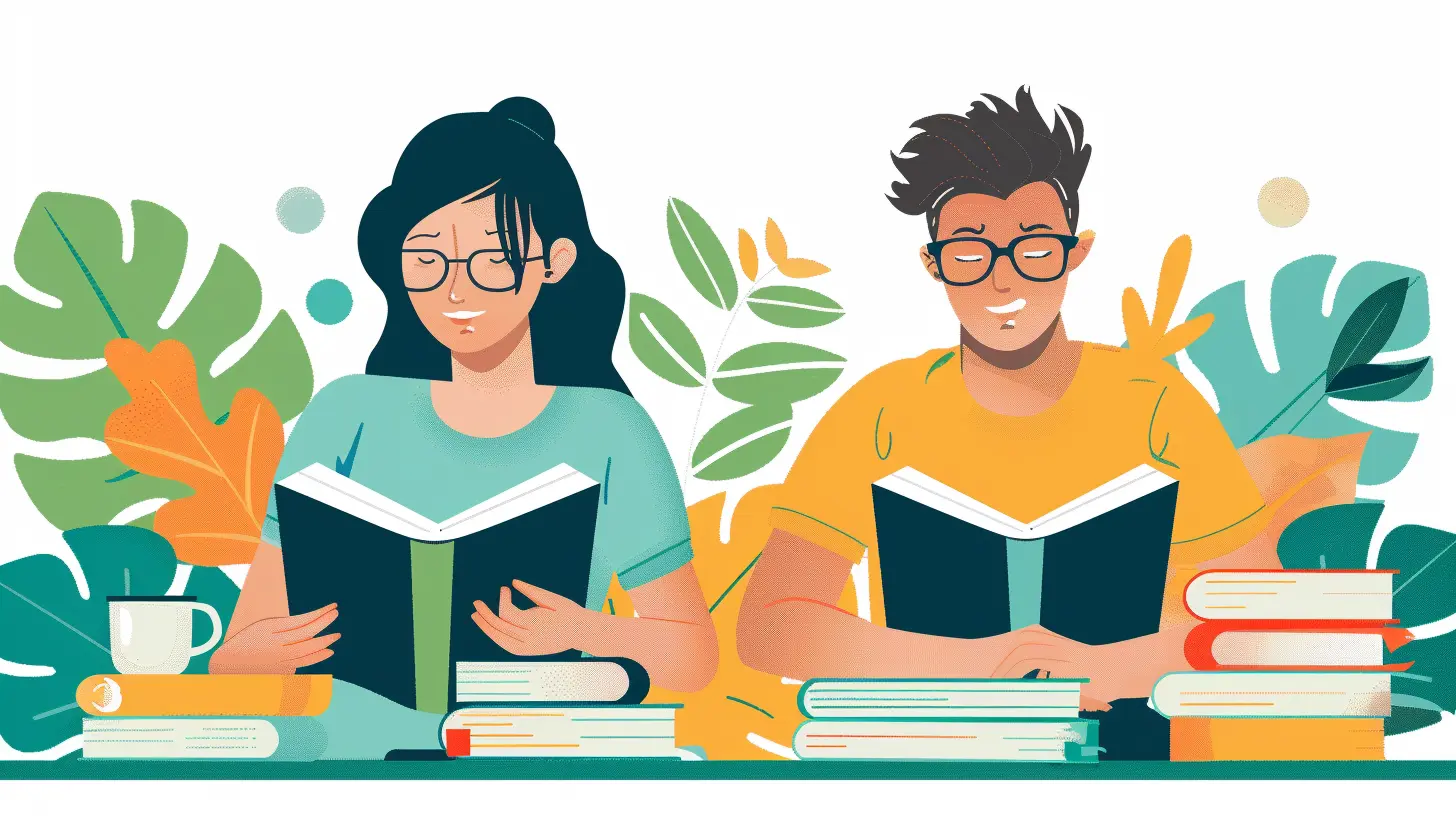
Real-Life Applications of Peer Tutoring in Lifelong Learning
Alright, so peer tutoring is great for school—but does it really help in real life? Absolutely!Here’s how peer tutoring principles show up in adulthood:
- Workplace Collaboration: Employees often teach each other new skills, tools, or procedures. Ever had a colleague walk you through a software you struggled with? That’s peer tutoring in action!
- Learning Communities: Whether it’s book clubs, online study groups, or mentorship programs, people continue to learn from peers throughout life.
- Parenting and Teaching: Parents naturally become tutors to their children, explaining concepts and guiding them through learning experiences.
- Self-Improvement: Even in hobbies like cooking, learning a new language, or coding, people turn to peer forums, discussion groups, and YouTube tutorials to teach and learn from others. 
Final Thoughts: Peer Tutoring Is More Than Just Academics
At the end of the day, peer tutoring isn’t just about getting better grades—it’s about shaping lifelong learners. It builds confidence, enhances communication, nurtures curiosity, and instills a growth mindset.So, whether you’re a student, teacher, or just someone looking for ways to keep learning, embrace peer tutoring. Engage in discussions, teach others what you know, and stay open to different perspectives. Because learning shouldn’t stop when school does—it’s a lifelong adventure.
And who knows? The person you help today might just be the one teaching you something amazing tomorrow!
all images in this post were generated using AI tools
Category:
Peer TutoringAuthor:

Zoe McKay
Discussion
rate this article
1 comments
Levi Young
Peer tutoring is a game-changer. It fosters collaboration and builds confidence among students. When learners teach each other, they not only reinforce their own knowledge but also develop essential skills like communication and empathy. This creates a foundation for lifelong learning that benefits everyone involved.
June 17, 2026 at 5:00 AM
Zoe McKay
Absolutely! Peer tutoring transforms learning by promoting collaboration and self-confidence. It's a win-win for both tutors and learners, creating valuable skills that last a lifetime.