Uncovering the Lost Civilizations Set to Reshape Classrooms by 2026
7 May 2026
Let me ask you something. When was the last time you sat through a history lesson that actually made your pulse quicken? If you're anything like me, you probably remember staring at a dusty textbook, memorizing dates for a test you forgot the next week. The stories felt flat, far away, and frankly, irrelevant. But here is the thing: that is about to change. Big time.
By 2026, classrooms are going to look radically different. Not because of some shiny new tablet or a flashy AI tutor, but because we are finally digging up the stories that were buried for centuries. I am talking about lost civilizations. Not the usual suspects like ancient Rome or Egypt. I mean the ones that got erased from our collective memory. These are the cultures that challenge everything we think we know about human progress. And they are about to become the new rock stars of education.
Why now? Because technology and archaeology have reached a tipping point. We have lidar scanning forests to reveal hidden cities. We have genetic tools that rewrite migration patterns. We have the internet to share findings in real time. And most importantly, teachers are hungry for something fresh. They are tired of the same old narrative. So let me walk you through the lost civilizations that will reshape how your kids learn history, geography, and even science by 2026.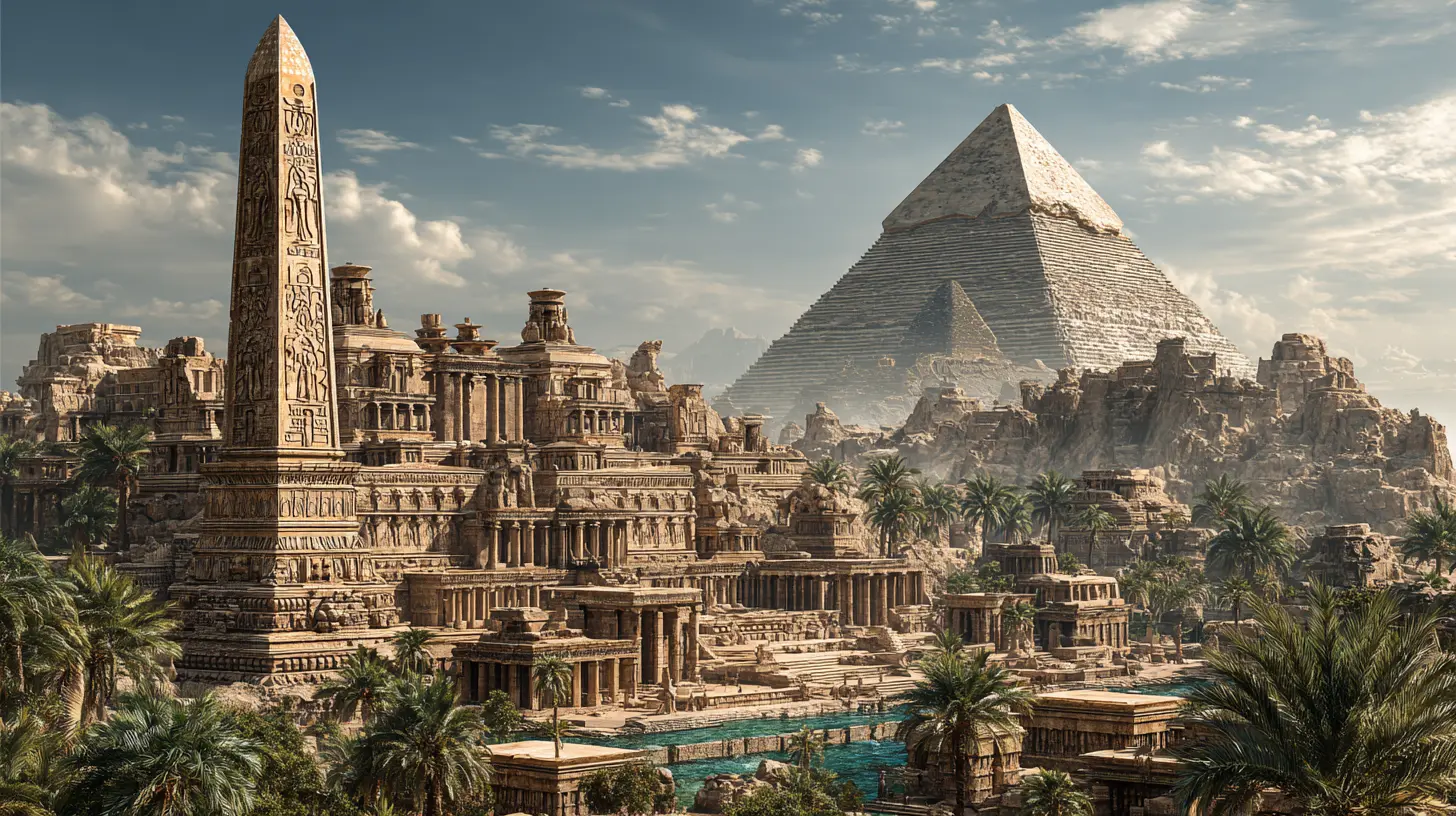
The Forgotten Metropolis of the Amazon: Kuhikugu
You probably think the Amazon rainforest is just a bunch of trees and jaguars, right? Wild guess: you imagine tribes living in small, nomadic groups. Well, brace yourself. The Kuhikugu civilization, which thrived in what is now Brazil between 200 AD and 1600 AD, was a sprawling network of fortified towns. We are talking about populations in the tens of thousands. They built roads, bridges, and massive earthworks that still shape the landscape today.What makes Kuhikugu a game-changer for classrooms? It shatters the myth that the Americas were sparsely populated before Europeans arrived. Kids will learn that the Amazon was not a pristine wilderness. It was a managed garden. These people engineered fertile soil called "terra preta" that we still struggle to replicate. They domesticated plants like manioc and cacao. They had a complex social structure without a centralized king.
Imagine a lesson plan where students compare the urban planning of Kuhikugu to medieval European cities. They can analyze satellite images of geometric earthworks. They can debate why this civilization collapsed. Was it disease? Deforestation? The arrival of outsiders? This is not dry history. This is a detective story, and every student gets to be a detective.
By 2026, expect virtual reality field trips where you walk the plazas of Kuhikugu. Textbooks will include recent archaeological reports instead of stale summaries. And the best part? This civilization forces us to question our definition of "civilization" itself. Did they need writing to be advanced? Did they need pyramids? No. And that is a powerful lesson for young minds.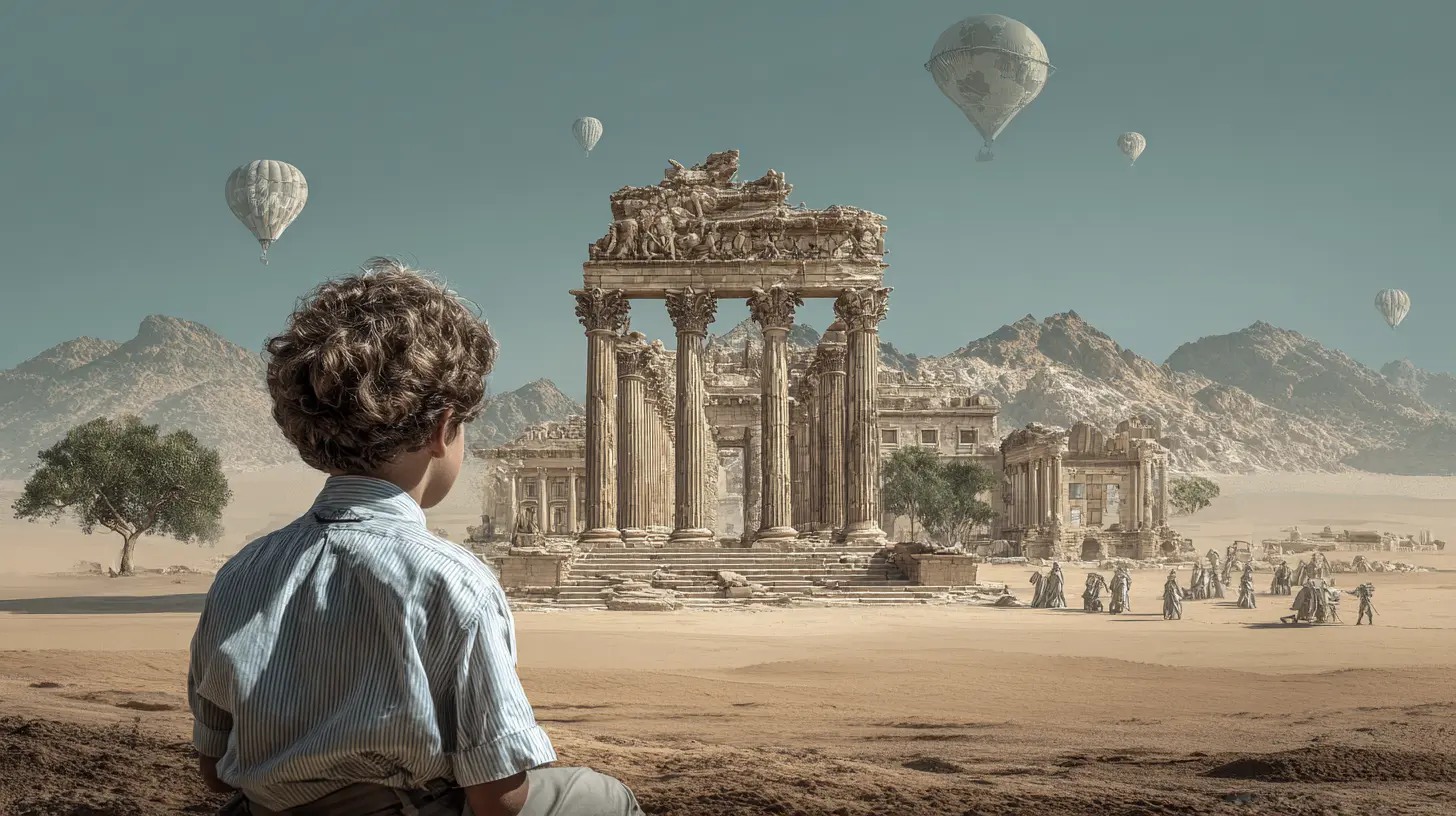
The Sea Peoples: The Raiders Who Rewrote the Bronze Age
Let me throw a name at you that sounds like a blockbuster movie title: the Sea Peoples. These mysterious raiders swept across the eastern Mediterranean around 1200 BC. They toppled empires like the Hittites and Mycenaeans. They nearly destroyed Egypt. And here is the kicker: we have no idea who they really were.Historians have argued for decades. Were they displaced refugees? A coalition of pirates? A climate-driven migration? The evidence is fragmentary. We have inscriptions from Pharaoh Ramesses III, but they are propaganda. We have pottery shards and shipwrecks, but no single narrative.
Why will this reshape classrooms? Because it teaches students that history is not a set of facts. It is a puzzle. By 2026, teachers will use the Sea Peoples to introduce critical thinking. Students will examine primary sources like the Medinet Habu temple reliefs. They will weigh competing theories: did the Sea Peoples cause the Bronze Age Collapse, or were they a symptom? They will learn to live with ambiguity.
This is huge. Most school subjects demand clear answers. The Sea Peoples demand you get comfortable with uncertainty. And in a world full of clickbait and fake news, that skill is priceless. Plus, the drama is irresistible. Imagine a classroom debate where half the students argue the Sea Peoples were from Sardinia, and the other half insists they were Greek mercenaries. That is not a lecture. That is a trial.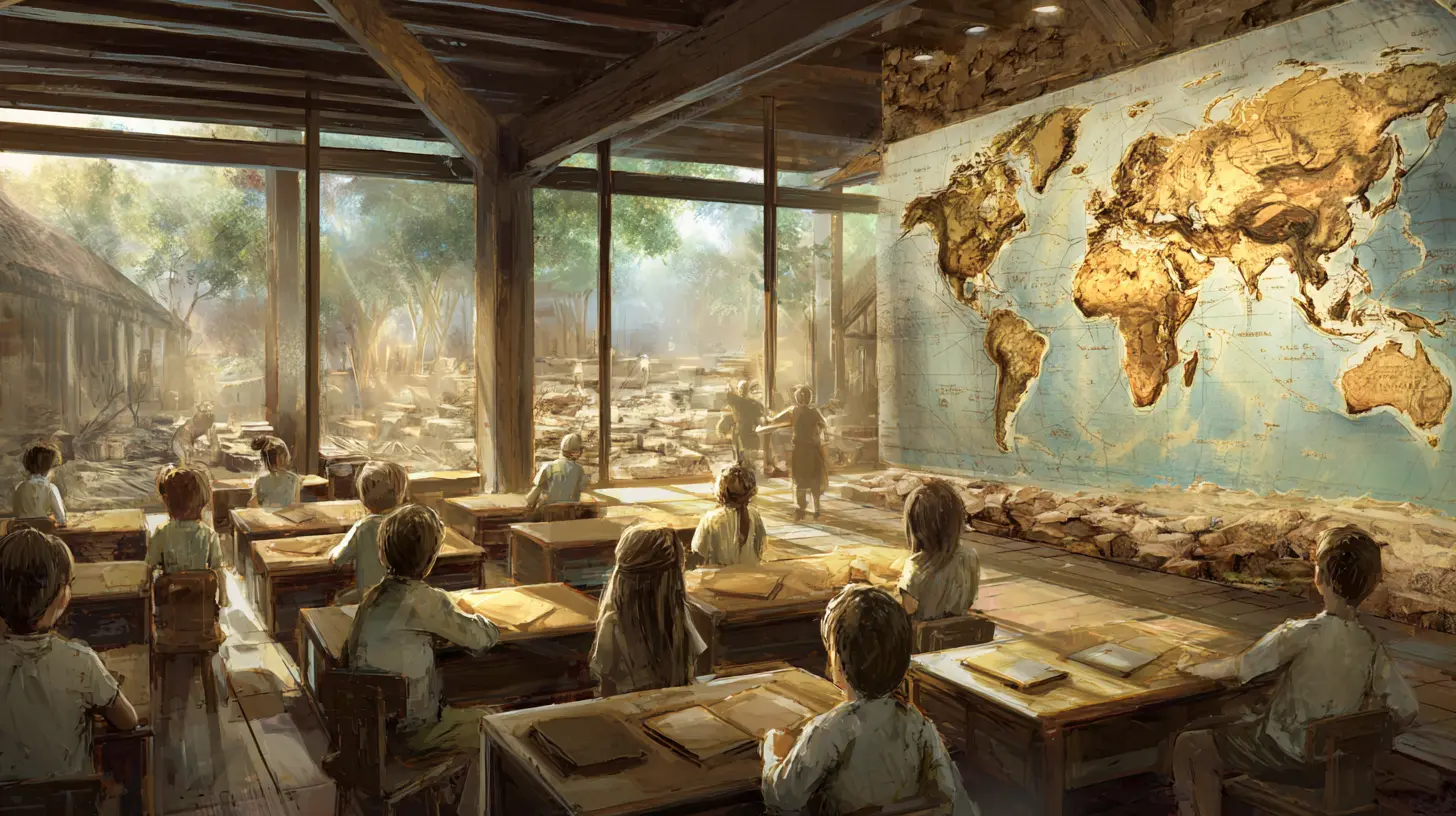
The Indus Valley Civilization: Order Without a King
We all love a good story about pharaohs and emperors, right? But what if I told you there was a civilization that lasted for 700 years with no palaces, no royal tombs, and no evidence of a single ruler? Welcome to the Indus Valley Civilization, which flourished in what is now Pakistan and India from 2600 to 1900 BC.These people built cities like Mohenjo-Daro with grid layouts, advanced drainage systems, and standardized bricks. They had trade networks stretching to Mesopotamia. They had a writing system we still cannot fully decode. And yet, no king. No army. No grand monuments to a single leader.
How is that possible? That is the question that will drive classrooms crazy by 2026. Students will explore theories of collective governance. They will look at the uniformity of their artifacts and ask: did they have a merchant oligarchy? A priestly council? Did they just agree to cooperate? This is not just history. This is a lesson in political science, sociology, and ethics.
Think about it. We teach kids that strong leaders are necessary for civilization. The Indus Valley says otherwise. By 2026, expect project-based learning where students design their own governance systems inspired by this model. They will compare it to modern democracies and dictatorships. They will ask hard questions about hierarchy and equality. And they will realize that the past is far stranger and more varied than they ever imagined.
The Kingdom of Aksum: Africa's Forgotten Superpower
Here is a pop quiz. Name a powerful African empire that existed before colonialism. If you said Egypt or Mali, you are not wrong, but you are missing a giant. The Kingdom of Aksum, located in modern-day Ethiopia and Eritrea, was one of the four great powers of the ancient world alongside Persia, Rome, and China. It controlled trade routes on the Red Sea. It minted its own gold coins. It converted to Christianity in the 4th century, long before most of Europe.So why do most history books give it a footnote? Because the narrative has been dominated by Eurocentric perspectives. By 2026, that is ending. Teachers will use Aksum to correct the record. Students will study its monumental stelae, some of the largest single pieces of stone ever carved. They will analyze its unique script, Ge'ez. They will trace its influence on the spread of Christianity and Islam.
But the real lesson is about resilience. Aksum declined due to climate change and shifting trade routes. Yet its legacy survived in Ethiopian culture. This is a perfect case study for discussions on sustainability and adaptation. Students can compare Aksum's response to drought with modern strategies. They can debate whether its isolation helped or hurt it. And they will see Africa not as a passive recipient of history, but as a driver of it.
The Jomon People: The First Potters Who Hated Farming
Here is a twist that will blow any student's mind. The Jomon people of ancient Japan were making pottery 16,000 years ago. That is older than the pyramids. Older than agriculture itself. They lived in settled villages, fished, and gathered nuts. And they deliberately chose not to farm for thousands of years.Why does this matter? Because we have this idea that progress is a straight line. Hunter-gatherers evolve into farmers, who build cities, who invent writing. The Jomon challenge that. They had complex culture without the "agricultural revolution." They created intricate clay figurines and lacquerware. They held rituals. They had social stratification.
By 2026, classrooms will use the Jomon to ask: what is progress, anyway? Students will examine their pottery and note the sophistication. They will learn that the Jomon period lasted longer than the entire history of Western civilization. They will debate whether farming was a good deal or a trap. This is the kind of content that sparks genuine curiosity. It is not about memorizing dates. It is about questioning assumptions.
The Norte Chico Civilization: The Oldest in the Americas
Most people think the Olmecs or the Maya were the first complex societies in the Americas. Wrong. The Norte Chico civilization, which thrived in coastal Peru from 3500 to 1800 BC, predates them by over a thousand years. They built monumental pyramids and sunken plazas. They had no pottery and no writing. Yet they managed to organize a society that traded with distant regions.What will students learn from Norte Chico? That civilization does not require technology as we define it. They used cotton nets for fishing and gourds for containers. Their economy was based on anchovies, not grain. This flips the script on everything we teach about the "Neolithic package."
Expect classrooms to use Norte Chico as a case study in environmental adaptation. Students will map the coastal desert and ask: how did they get water? They will discover that these people used irrigation canals. They will realize that innovation happens out of necessity, not destiny. And they will see that the Americas had urban centers long before anyone gave them credit.
How These Civilizations Will Change Teaching by 2026
Okay, so we have a list of amazing lost worlds. But how exactly will they reshape classrooms? Let me break it down.First, curriculum will become truly global. No more "Western Civ" as the default. Teachers will integrate these civilizations into lessons on trade, climate, and governance. Second, the tools will be interactive. Imagine a student using lidar data to "discover" a buried city in Guatemala. Or analyzing ancient DNA to trace migration patterns. That is already happening, and it will be mainstream by 2026.
Third, the narrative will shift from heroes to systems. Instead of memorizing the names of kings, students will study how societies organize themselves. They will see that complexity can arise without central authority. They will learn that collapse is often a choice, not a fate. And they will understand that our own civilization is not the end of history.
Fourth, expect more interdisciplinary learning. A lesson on the Indus Valley can include math (standardized bricks), art (seal carvings), and environmental science (drainage systems). The Jomon can teach ceramics and ecology. The Sea Peoples can teach navigation and geopolitics. This is the kind of learning that sticks because it feels real.
Finally, and this is the big one: students will develop historical empathy. They will see these lost civilizations not as primitive or exotic, but as human. They made choices. They faced problems. They had dreams. And their stories deserve to be told.
The Challenges Ahead
I am not going to pretend this transformation will be easy. Schools are slow to change. Textbooks are expensive to rewrite. Teachers need training. And there is resistance from those who prefer the old narratives. Some will argue that these civilizations are too obscure. My answer to that is: obscure only because we ignored them.Another challenge is the lack of written records. We cannot always confirm details. But that is actually a strength. It forces students to engage with uncertainty. It teaches them to evaluate evidence. That is a skill that matters more than any list of facts.
By 2026, I believe we will see pilot programs in forward-thinking schools. Museums will create exhibits. Documentaries will follow. And slowly, these lost civilizations will become part of the standard conversation. Not as sidebars, but as core content.
Why You Should Care
If you are a parent, a teacher, or just someone who loves learning, this matters. The old model of history education is broken. It is boring. It is incomplete. And it leaves out the most fascinating stories. By uncovering these lost civilizations, we are not just filling gaps. We are rewriting the entire map of human achievement.Your kids will not just learn what happened. They will learn how we know what happened. They will learn to question, to dig, and to wonder. And maybe, just maybe, they will see themselves as part of a bigger story.
So the next time you hear about a lost city found in the jungle or a new theory about an ancient raider, pay attention. That is the future of education knocking at the door. And by 2026, it will be sitting right in the front row.
all images in this post were generated using AI tools
Category:
History LearningAuthor:

Zoe McKay
Discussion
rate this article
2 comments
Elowyn Roberson
Discovering lost civilizations can ignite curiosity in students, transforming classrooms into vibrant hubs of exploration and learning.
August 4, 2026 at 4:27 AM
Zoe McKay
Absolutely! There's something magical about the past that can inspire students to dive deeper and spark their imaginations.
Faith McPhee
This article offers an exciting glimpse into how the study of lost civilizations can transform education. It encourages innovative teaching methods that engage students more deeply.
May 9, 2026 at 12:58 PM
Zoe McKay
I'm glad you found it exciting! Engaging with lost civilizations really does inspire fresh teaching approaches.