How Peer Tutoring Boosts Academic Confidence
4 August 2026
Hey there! ? Let’s take a deep dive into a heartwarming (and super effective) academic strategy that often gets overlooked—peer tutoring. Whether you’re a student, parent, or educator, this article is for you. We’re going to unpack how peer tutoring is more than just study sessions or after-class catch-ups. It's a confidence-building powerhouse that can seriously level up academic life for everyone involved.

What Is Peer Tutoring, Anyway?
Alright, let’s start with the basics. Peer tutoring is when students help other students learn. Simple, right? Usually, it involves a more knowledgeable or experienced student (the tutor) guiding another student (the tutee) who might need extra help with a particular subject or skill.But don’t let the simplicity fool you. This setup is packed with powerful benefits—not just for learning the material, but for boosting academic confidence. That's the real magic.

Confidence in the Classroom: Why It Matters
Before we get into how peer tutoring does its magic, let’s take a second to talk about confidence. Academic confidence is more than just raising your hand in class. It’s the feeling of “Yeah, I can do this” when you look at a math problem, a difficult text, or even an upcoming exam.So many students struggle not because they aren’t smart but because they think they aren’t smart. Big difference, right? Confidence shapes how we approach challenges. Without it, students hesitate, doubt themselves, and sometimes give up altogether.
But here’s the good news: confidence can be built. And peer tutoring might just be one of the best tools to do it.
1. Learning Feels Less Intimidating
Let’s be honest: sometimes teachers, with their fancy degrees and years of experience, can be a little intimidating—especially for struggling students. Peer tutors, however, are on the same playing field. They speak the same “student language,” share similar experiences, and can break things down in more relatable ways.When you’re stuck on a problem, having someone beside you say, “I had trouble with this too, but here’s how I got it,” can be a total game-changer.
That Familiar Face
Students are more likely to open up and ask questions when they’re with someone they already know or someone who just gets what they’re going through. This relaxed environment reduces anxiety and sets the stage for actual learning to happen.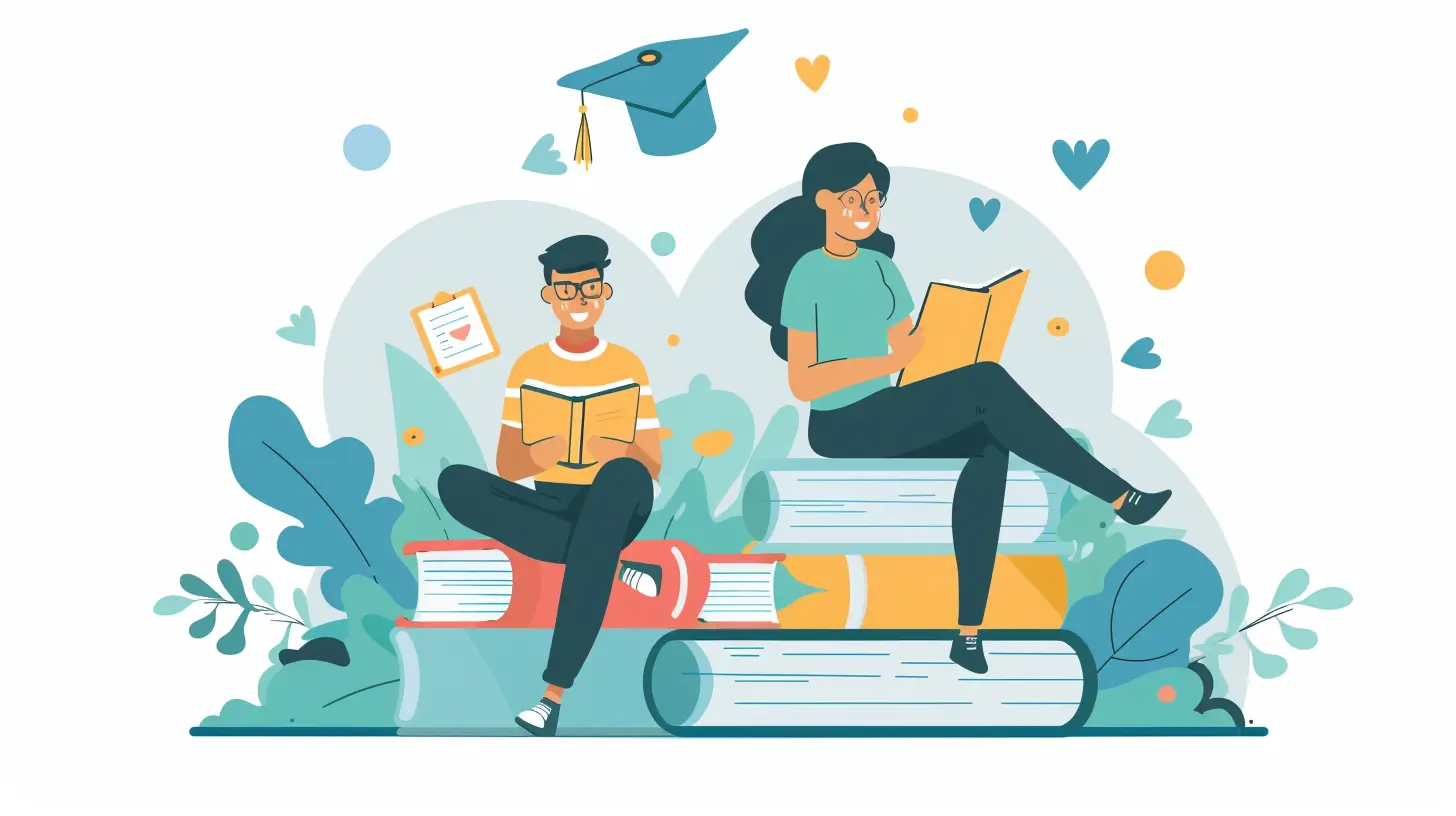
2. It Encourages Active Participation
Here’s a little education secret: the more you participate, the more you learn. And when students are in a peer tutoring setting, there’s no back row to hide in. It's just two teammates working on a goal.That kind of personal attention makes it hard to zone out or feel invisible.
Bye-Bye, Fear of Being Wrong
Many students hold back in class because they’re afraid to be wrong. Sound familiar? Peer tutoring provides a low-pressure environment where making mistakes is just part of the process. Instead of fearing failure, students start to see it as a stepping stone. That shift alone can supercharge their confidence.3. Tutors Learn Just as Much
Here’s a fun twist: teaching someone else solidifies your own understanding. When students become peer tutors, they don’t just reinforce what they’ve learned—they also become more confident in their own knowledge.It’s like baking a cake. You might follow the recipe the first few times, but once you’ve taught someone else how to do it from scratch, you know you’ve mastered it.
Leadership Skills for the Win
Peer tutors aren’t just helping others; they’re also developing leadership and communication skills. Every time they guide someone through a tricky problem or explain a tough concept, they’re sharpening their own abilities. And you better believe that boosts their belief in themselves.4. Real-Time Feedback = Real Progress
One of the coolest things about peer tutoring is how instant everything is. Confused about a math formula? You get help right away. Not sure how to structure your essay? Your tutor can brainstorm with you on the spot.That kind of fast feedback keeps the momentum going. It's like having a GPS that reroutes you immediately if you take a wrong turn. No waiting until the next class or the next test to find out you misunderstood something.
Progress Feeds Confidence
Every lightbulb moment, every “ah-ha!” is a tiny win. And those wins add up. When students start to see actual progress, their confidence skyrockets. They begin to trust themselves more. And that trust? It spills over into other subjects and even outside the classroom.5. Builds a Supportive Community
Let’s talk about vibes. Peer tutoring brings a really positive, encouraging vibe to school environments. Students begin to see one another as allies rather than competitors. Relationships form, and support systems take root.That feeling of “I’m not alone in this” is incredibly powerful—especially for students who may otherwise feel isolated in their struggles.
Everyone's in This Together
When classrooms turn into collaborative spaces instead of stressful battlegrounds, students thrive. Peer tutoring helps create that kind of culture. And when students feel supported, they’re much more likely to believe in themselves.6. Encourages Responsibility and Accountability
This one’s a biggie. Peer tutoring teaches responsibility on both sides. Tutees learn that they need to show up, participate, and apply themselves. Tutors learn to be reliable, consistent, and patient.These soft skills—time management, accountability, teamwork—are essential for academic confidence and success in life beyond school.
Think of It Like a Gym Buddy
Ever tried working out alone? It’s easy to skip a day or slack off. But when you’ve got a gym buddy waiting for you, you show up. Peer tutoring works the same way. Having someone to count on (and who counts on you) keeps motivation high and builds that “we’ve got this” attitude.7. Matches Different Learning Styles
No two students learn the same way. Some are visual learners, some love hands-on activities, and others need to hear it out loud. Teachers try their best to reach everyone, but it’s tough when you're managing a whole class.Peer tutors? They can be more flexible. They can adapt to how their tutee learns best. That customization can make all the difference. When students finally “get it” in a way that makes sense to them, their confidence soars.
Boosting Understanding, One Style at a Time
Understanding a concept in your own unique way is empowering. It's like finding the perfect pair of shoes—you feel lighter, faster, better. And that boost in understanding leads directly to a boost in confidence.8. It Promotes a Growth Mindset
You’ve probably heard the term “growth mindset,” right? It’s the belief that intelligence isn’t fixed—that you can learn and improve with effort. Peer tutoring is a perfect example of this mindset in action.Both tutors and tutees are constantly learning and adapting. They face challenges, talk through them, and figure them out together. That’s growth mindset gold!
From “I Can’t” to “Let’s Try Again”
When students are part of a system that values effort and collaboration, their self-talk shifts. “I’m bad at this” becomes “I’m working on this.” And let me tell you, that change in inner dialogue is incredibly powerful for building academic confidence.9. It Fosters Empathy and Understanding
We don’t talk enough about emotional intelligence in academics, but it matters—a lot. Peer tutoring encourages empathy. Tutors learn to be patient and understanding. Tutees feel heard and supported.In a world where mental health and emotional well-being are as critical as academic scores, these moments of human connection create a safe space to grow.
Kindness Builds Confidence
When students feel respected and understood, they're more willing to take risks, try new things, and step out of their comfort zones. That’s where confidence lives—not in perfection, but in bravery.10. It's Fun! (Yes, Seriously.)
Let’s not forget the fun factor! Peer tutoring often includes games, light-hearted moments, and inside jokes that bring joy to learning. When you enjoy what you’re doing, you stick with it. Period.Who Says Learning Can’t Be a Blast?
When studying feels like hanging out with a friend rather than a chore, everything changes. And that enjoyment keeps students engaged, invested, and yes—confident.How to Start a Peer Tutoring Program
Feeling inspired? Maybe you're a teacher who wants to start a peer tutoring program or a student who wants to offer help. Here are a few quick steps to get going:1. Find interested students – Look for volunteers who are strong in academics and have great attitudes.
2. Provide training – Teach them basic tutoring strategies, communication skills, and how to give positive feedback.
3. Match tutors and tutees – Pair them by subject, schedule, and learning styles.
4. Create a safe space – Offer a quiet, friendly environment for sessions.
5. Track progress – Celebrate milestones and make adjustments as needed.
Final Thoughts
So, does peer tutoring boost academic confidence? Absolutely, yes.From personalized attention to building social skills, from creating safe spaces to encouraging effort over perfection—peer tutoring is the unsung hero of student success. It’s like having a teammate in the game of school, someone who cheers you on, keeps you going, and makes the whole journey a lot more enjoyable.
If confidence is the key to unlocking academic potential, then peer tutoring is the hand that helps turn the key. And trust me, once that door opens, the possibilities are endless.
all images in this post were generated using AI tools
Category:
Peer TutoringAuthor:

Zoe McKay
Discussion
rate this article
1 comments
Jane Myers
Peer tutoring not only enhances understanding of subjects but also fosters a supportive environment where students build confidence in their abilities, encouraging a positive attitude toward learning and academic challenges.
August 7, 2026 at 10:49 AM
Zoe McKay
Absolutely! Peer tutoring creates a win-win situation where students not only grasp concepts better but also support each other's growth, leading to increased confidence and a more positive learning experience.