How Gifted Programs Can Promote Diversity and Inclusion
8 July 2026
Gifted programs have long been a hot topic in education. While these programs aim to nurture exceptionally talented students, they’ve often faced criticism for unintentionally reinforcing inequality. The good news? Things are changing. More schools are realizing that gifted programs can—and should—be a tool for promoting diversity and inclusion.
But how can these programs truly reflect the rich variety of backgrounds, talents, and experiences that students bring to the table? Let’s dive into the ways gifted programs can become more inclusive and help break down barriers in education.
Understanding the Diversity Gap in Gifted Programs
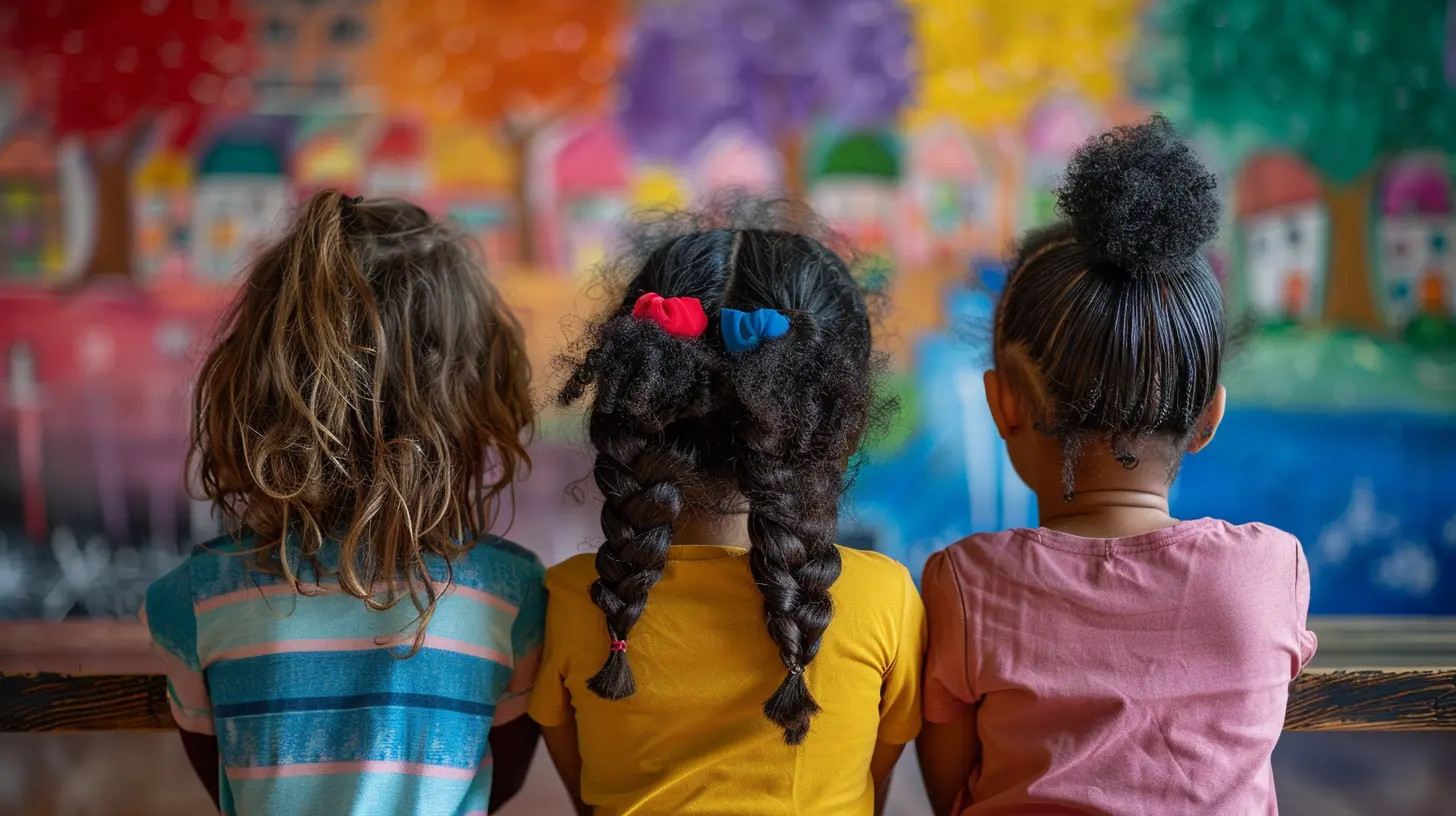
Historically, there has been a significant gap in gifted education. Research has shown that students from underrepresented backgrounds—especially those from low-income families, minority groups, and non-native English speakers—are often left out of these programs.Many factors contribute to this gap:
- Bias in identification methods – Traditional IQ tests and teacher referrals can unintentionally favor students from higher-income families.
- Limited access to resources – Some students don’t have the same level of access to test prep, enrichment activities, or advocacy from parents.
- Cultural misunderstandings – Teachers may not always recognize giftedness in students from diverse backgrounds if it presents in non-traditional ways.
When these roadblocks prevent talented students from being identified as gifted, the very purpose of these programs—to nurture exceptional abilities—is lost.
How Gifted Programs Can Embrace Diversity
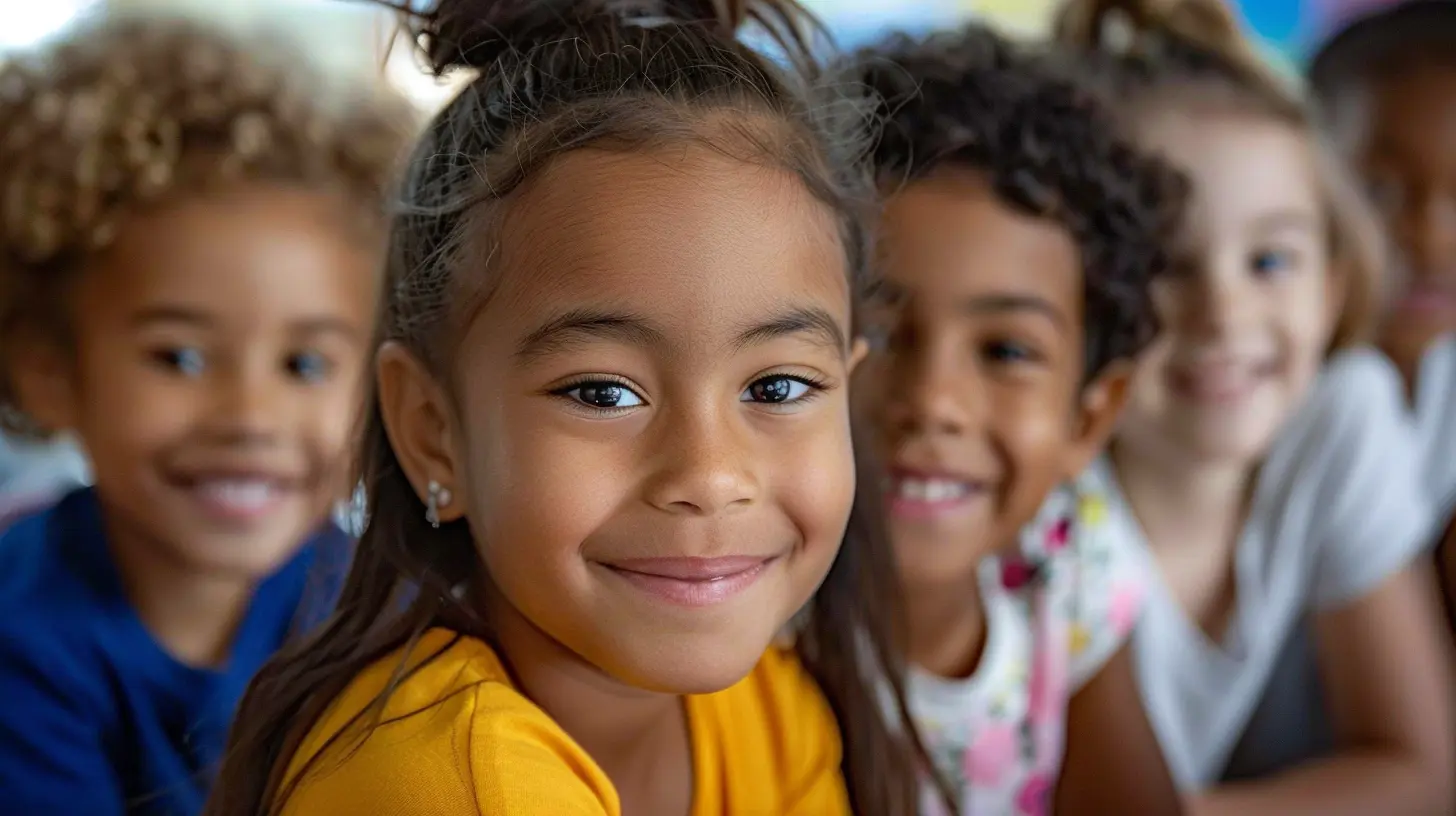
So, how can schools make gifted programs more inclusive? It starts with making changes at every level, from identification to curriculum and beyond.1. Rethinking Identification Criteria
One of the biggest reasons for the diversity gap in gifted programs is the way students are identified. Many schools rely heavily on standardized tests, but these exams don’t always capture the full scope of a child’s potential.To make identification more equitable, schools can:
- Use multiple measures of giftedness – Instead of a single test, schools can incorporate teacher observations, creativity assessments, and student portfolios.
- Provide universal screening – Instead of waiting for referrals, schools can screen all students to ensure no one is overlooked.
- Train teachers to recognize diverse talents – Giftedness doesn’t always look the same. A student who solves complex problems in their head or shows leadership in unique ways might not always fit the "typical" gifted mold.
2. Expanding Access to Gifted Programs
Once students from diverse backgrounds are identified, they need to be fully included in gifted programs. That means removing financial, language, and logistical barriers that may keep them from participating.Some ways to do this include:
- Offering scholarships or financial aid – If a gifted program requires travel, materials, or extra fees, these costs shouldn’t be a barrier for students from low-income families.
- Providing support for non-native English speakers – Gifted students who are still mastering English may need additional resources to fully participate.
- Creating flexible pathways – Not all gifted students excel in the same way. Allowing different entry points and instructional approaches can help accommodate a variety of learning styles.
3. Building an Inclusive Curriculum
It’s not just about who gets into gifted programs—it’s also about what they’re taught. An inclusive curriculum ensures that all students feel represented and valued.A few ways to make this happen:
- Incorporating diverse perspectives – Gifted programs should expose students to contributions from different cultures, backgrounds, and viewpoints.
- Encouraging student-led learning – Giving students the freedom to explore subjects that reflect their interests and backgrounds makes the curriculum more meaningful.
- Focusing on social-emotional learning – Many gifted students struggle with feeling "different." A curriculum that includes emotional intelligence, teamwork, and self-reflection can help them thrive.
4. Promoting a Culture of Inclusion
Gifted programs shouldn’t feel like exclusive clubs where only certain students belong. Creating a culture of inclusion means making sure all students—gifted or not—feel valued and supported.To foster this environment, schools can:
- Encourage mentorship and peer connections – Pairing gifted students with peers from different backgrounds helps build empathy and understanding.
- Provide professional development on equity – Teachers and administrators should receive ongoing training on how to support diverse gifted learners.
- Engage families and communities – Parents play a crucial role in advocating for their children. Schools should actively involve families from all backgrounds in the gifted education process.

The Long-Term Impact of Inclusive Gifted Programs
When gifted programs prioritize diversity and inclusion, the benefits extend far beyond the classroom. Students who grow up in inclusive learning environments:- Develop stronger problem-solving skills by learning to see issues from multiple perspectives.
- Gain a deeper appreciation for different cultures, making them more open-minded global citizens.
- Build a sense of belonging, which improves mental health and academic motivation.
At the same time, society benefits from a more diverse pool of future leaders, innovators, and changemakers. After all, talent exists in every community—it's just a matter of recognizing and nurturing it.
Final Thoughts
Gifted programs have the potential to be powerful engines of inclusion, but only if schools take intentional steps to break down barriers. By rethinking identification processes, expanding access, creating inclusive curricula, and fostering a culture of belonging, we can ensure that all gifted students—regardless of their background—get the opportunities they deserve.The goal isn’t just to fill seats in a classroom. It’s to create an education system where every student, regardless of race, income, or language, has the chance to reach their full potential. Because when we uplift all talented students, we all win.
all images in this post were generated using AI tools
Category:
Gifted EducationAuthor:

Zoe McKay
Discussion
rate this article
1 comments
Elora Thomas
Gifted programs should nurture varied talents equally.
July 22, 2026 at 5:03 AM