The Impact of Classroom Design on Student Focus and Participation
26 January 2026
When we talk about education, we often focus on the curriculum, teaching methods, and technology. But have you ever considered how classroom design affects student focus and participation? The way a classroom is set up—everything from seating arrangements to lighting—plays a crucial role in how students engage with learning.
Think about it: If you're in a cluttered, dimly lit room with uncomfortable chairs, how long can you stay focused? Now, imagine a bright, well-organized space with flexible seating. Huge difference, right? Let's dive into how classroom design influences student engagement and what educators can do to create a learning-friendly environment. 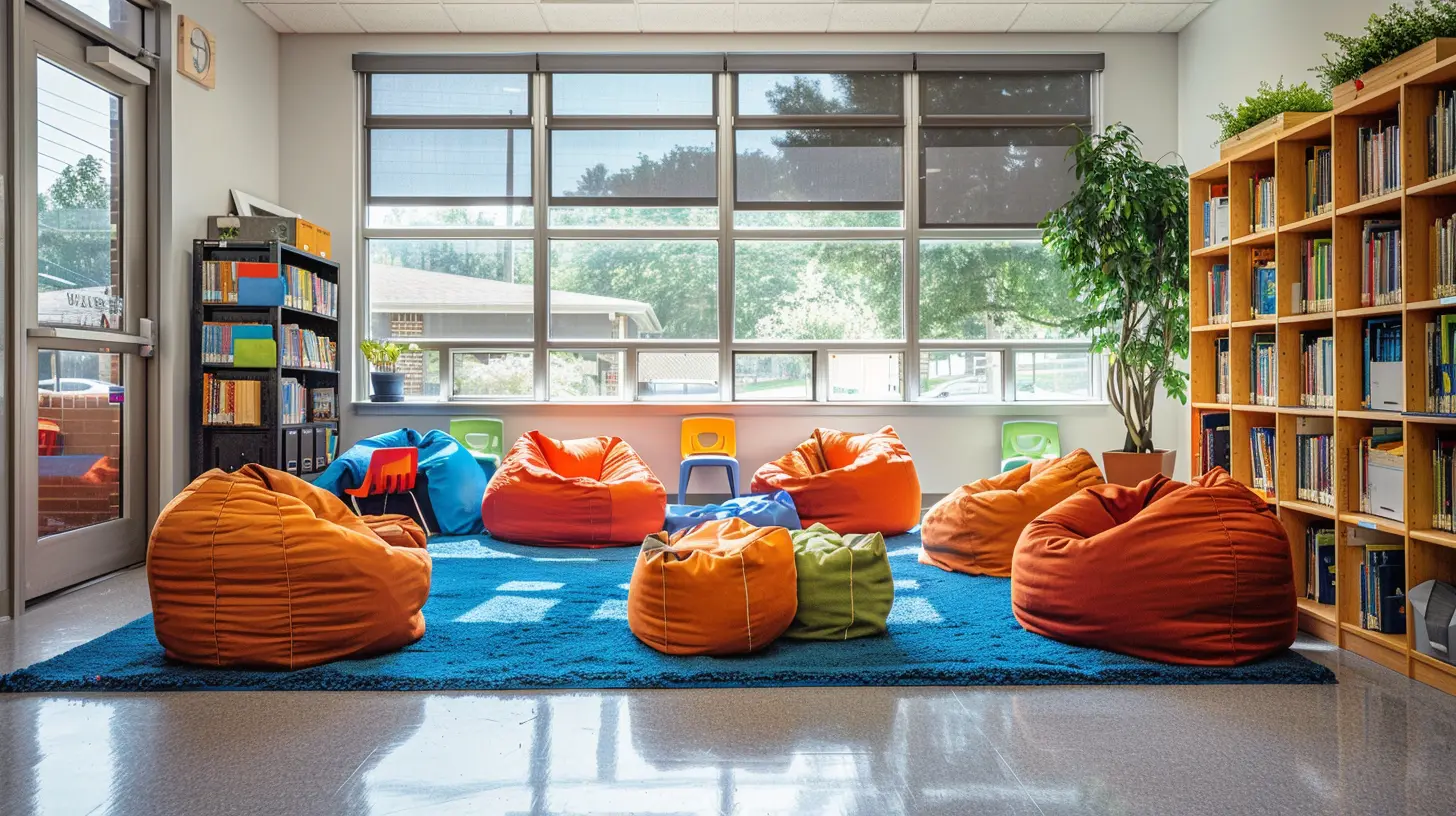
Why Classroom Design Matters
A classroom isn't just a room with desks and a whiteboard—it's a learning ecosystem. Every aspect of its design can either support or hinder student learning. A well-designed classroom promotes:- Better focus – Fewer distractions help students stay on track.
- Higher participation – A welcoming environment encourages students to speak up.
- Improved behavior – A thoughtfully arranged room can reduce behavioral issues.
- Collaboration & creativity – Flexible seating and open spaces foster teamwork and innovation.
Classroom design isn't just about aesthetics; it's about creating an environment where students can thrive. Now, let’s break down the key elements that shape a productive classroom. 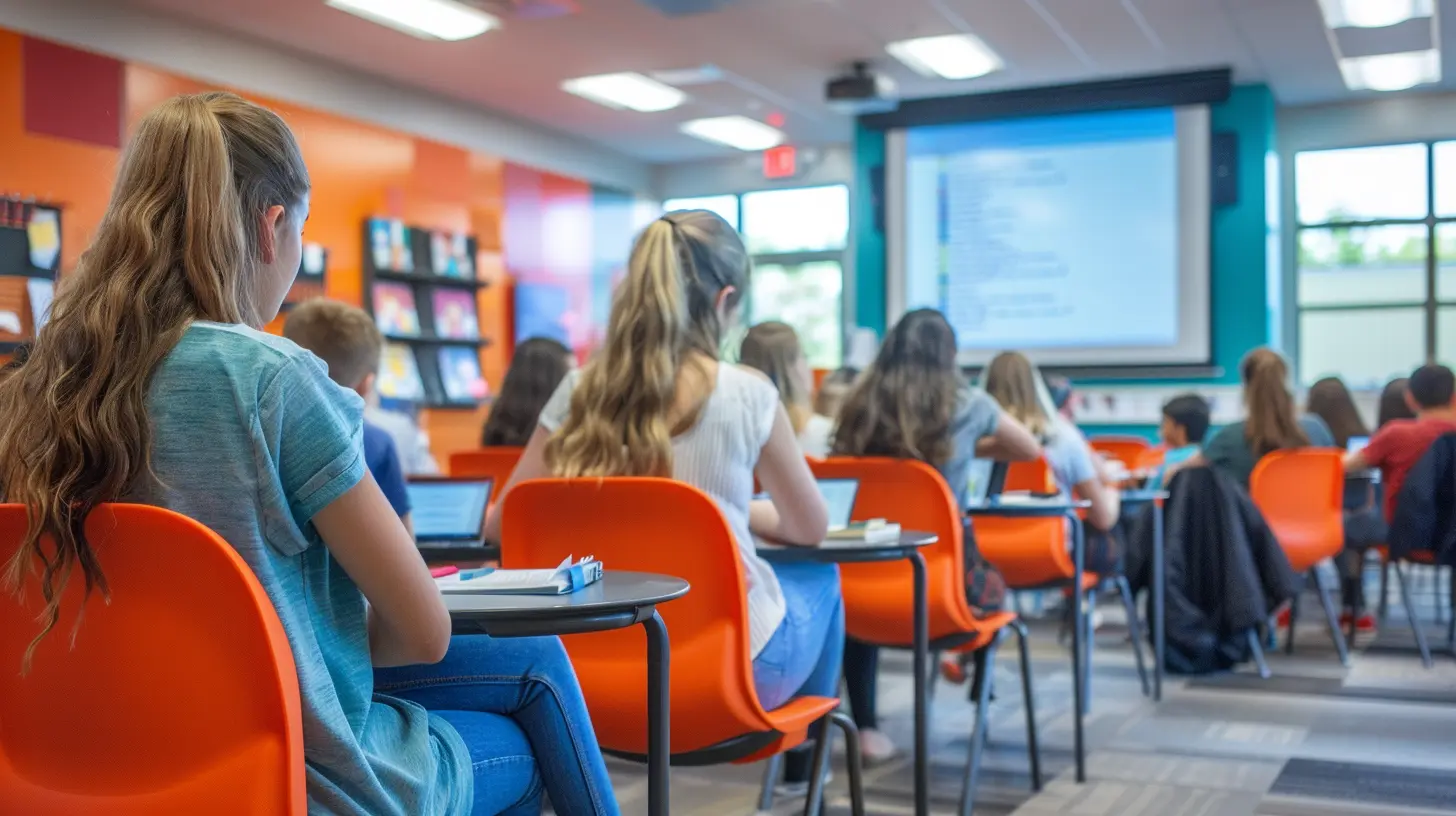
1. Seating Arrangements: More Than Just Where You Sit
How students are seated has a huge impact on how they interact and participate in class. Traditional rows of desks facing the teacher may work for lectures, but they don’t exactly encourage discussion or collaboration.Best Seating Arrangements for Engagement
✅ Clusters or Pods – Grouping desks together encourages teamwork and discussion. Great for project-based learning!✅ U-Shaped Arrangement – Helps students feel more connected and welcomes more participation in discussions.
✅ Flexible Seating – Giving students options like standing desks, bean bags, or stools allows them to move and stay engaged.
✖️ Avoid Fixed Rows – These limit student interaction and put too much focus on the teacher rather than peer learning.
A classroom that offers flexible seating options gives students a sense of ownership and comfort, which in turn boosts their willingness to participate. 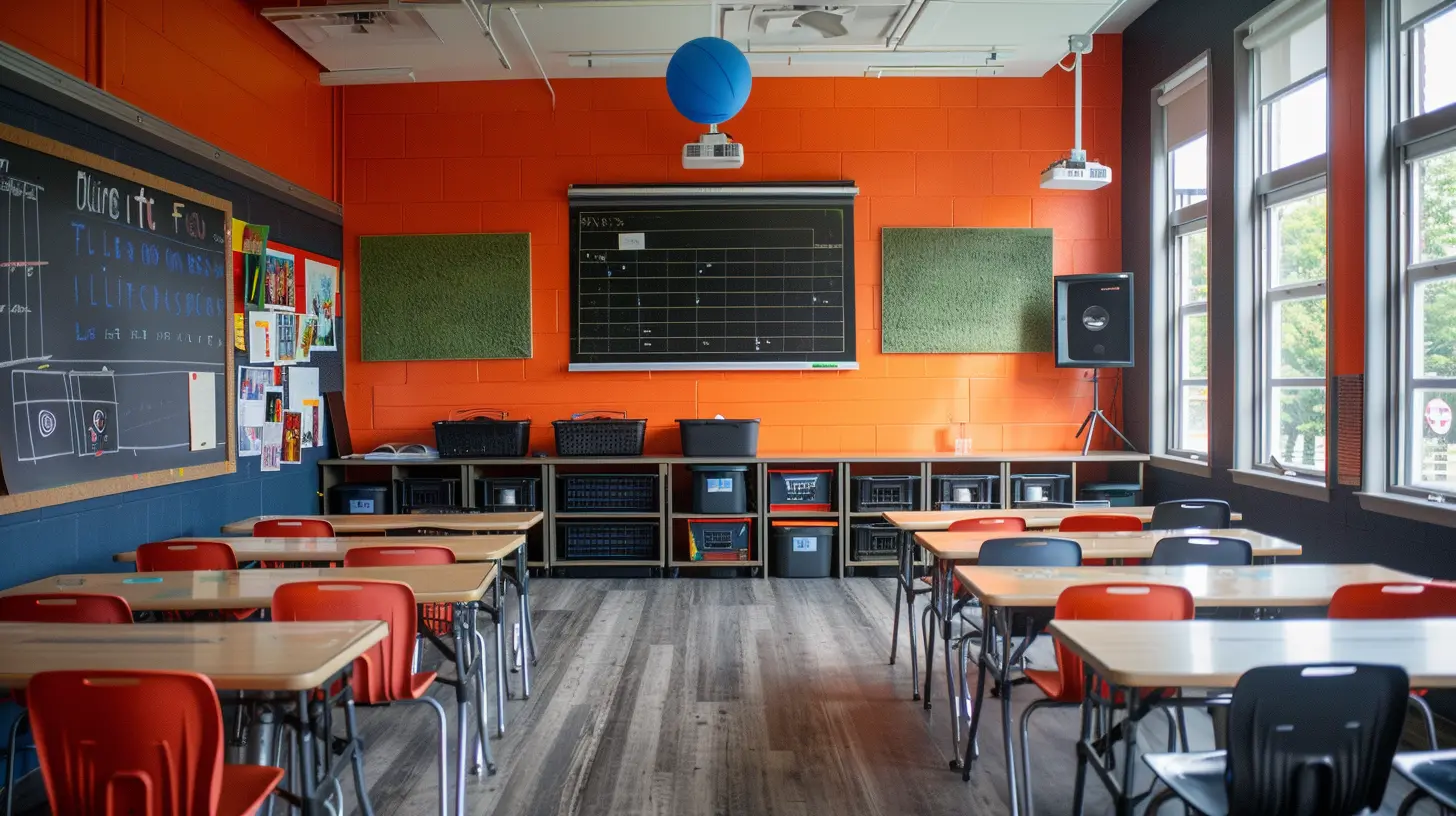
2. Lighting: The Secret to Better Concentration
Ever noticed how your energy levels drop in a dimly lit room? Lighting plays a huge role in student focus.Natural light is the best—studies show that students exposed to more daylight perform better on tests and stay alert longer. However, if natural light isn’t an option, bright, warm-toned artificial lights are a great alternative.
Tips for Better Classroom Lighting:
- Keep windows uncovered as much as possible.
- Use adjustable lighting for different activities (e.g., softer lighting for reading, bright for active learning).
- Avoid harsh fluorescent lights—they can cause eye strain and headaches.
Lighting sets the mood in a classroom, so ensuring a well-lit space can make a massive difference in student engagement. 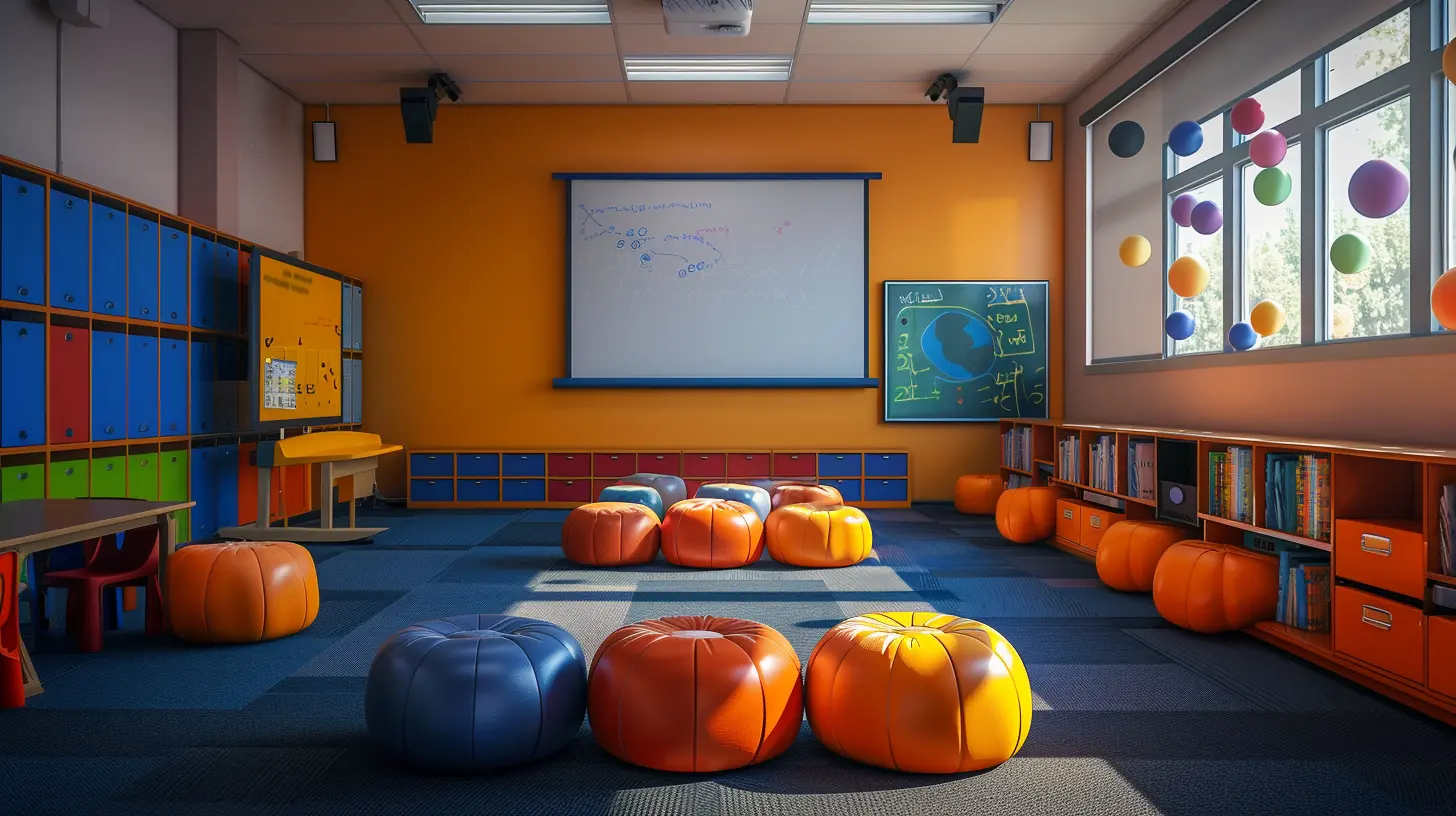
3. Color Psychology: How Walls Affect Learning
Believe it or not, the color of your classroom walls can influence how students feel and behave. Different colors have different psychological effects:- Blue & Green – Promote calmness and concentration. Perfect for study areas.
- Yellow & Orange – Boost creativity and energy. Use in moderation to avoid overstimulation.
- Red – Can stimulate excitement, but too much might be distracting.
- White & Gray – Neutral, but too much can feel dull and uninspiring.
The best approach? A balanced mix—soft, calming tones with pops of energetic colors in decorations or bulletin boards.
4. Classroom Organization: Clutter Kills Focus
A messy, chaotic classroom is a recipe for distraction. When students can’t find materials or the space feels overwhelming, participation drops.How to Keep the Classroom Organized:
✔️ Designate Zones – Have clear areas for supplies, learning tasks, and personal belongings.✔️ Declutter Regularly – Reduce unnecessary items and organize materials logically.
✔️ Use Labels & Storage Bins – Helps students find what they need quickly without disrupting the lesson.
A tidy, well-organized room sets the tone for a focused, stress-free learning experience.
5. Acoustics: Can Everyone Hear Clearly?
Background noise can be a huge distraction, especially for students who struggle with attention. Poor classroom acoustics make it hard to follow lessons, leading to disengagement.Ways to Improve Acoustics:
📌 Use carpets or rugs to absorb sound.📌 Add soft materials like curtains or bulletin boards to reduce echo.
📌 Arrange desks so that students can hear the teacher and each other easily.
Good acoustics ensure that every student, regardless of learning style, can stay engaged without unnecessary distractions.
6. Technology & Classroom Design: A Winning Combo
Technology is now a big part of education, but how it's integrated into classroom design matters. Devices like smart boards, tablets, and projectors should be positioned for easy visibility and interaction.💡 Tech-Friendly Design Tips:
- Ensure screens are visible from all seating positions.
- Have designated charging stations to avoid messy cords.
- Use interactive tools like digital whiteboards to keep students engaged.
When used correctly, technology enhances learning rather than becoming a distraction.
7. The Role of Comfort: Temperature, Furniture & More
Ever tried concentrating in a freezing cold or overly hot room? Uncomfortable temperatures can seriously affect focus.🔹 Keep the classroom at a comfortable temperature—around 68-74°F (20-23°C) is ideal.
🔹 Invest in ergonomic furniture—proper seating posture reduces discomfort and restlessness.
🔹 Allow movement—standing desks or fidget-friendly seating can help students stay engaged.
Comfort plays a bigger role in attention and participation than most realize. The goal is to eliminate physical distractions so students can fully focus on learning.
Final Thoughts: Small Changes, Big Impact
Classroom design isn’t just about making a space look nice—it’s about creating an environment where students feel comfortable, engaged, and ready to participate. Simple changes like better seating arrangements, improved lighting, and thoughtful organization can make a world of difference in student focus and success.If you’re an educator, parent, or school administrator, consider how small design tweaks in learning spaces could lead to better outcomes. After all, a well-designed classroom isn’t just good for students—it’s good for teachers too!
all images in this post were generated using AI tools
Category:
Student EngagementAuthor:

Zoe McKay
Discussion
rate this article
2 comments
Esme McVeigh
Classroom design significantly influences student focus and participation. Elements like seating arrangement, lighting, and technology integration can enhance engagement, promote collaboration, and create a more conducive learning environment, ultimately leading to improved academic outcomes.
February 28, 2026 at 1:12 PM
Zoe McKay
Thank you for highlighting the crucial role of classroom design! Your points about seating, lighting, and technology are essential for fostering engagement and collaboration among students.
Ardyn Adams
Ah yes, because a few beanbags and bright colors will totally turn every student into a laser-focused genius. Forget the actual teaching – let’s just redecorate and watch the magic happen!
January 27, 2026 at 3:46 AM
Zoe McKay
While classroom design alone won't solve all challenges, it can enhance engagement and create a more conducive environment for learning. It's about finding the right balance between aesthetics and effective teaching strategies.