How the Bolshevik Revolution Changed Russia
1 March 2026
The Bolshevik Revolution—also called the October Revolution—wasn't just a political power grab. It was a seismic event that completely flipped Russia on its head. If you've ever heard of Lenin, the Soviet Union, or communism, well, this revolution is where it all really kicked off.
But what actually changed in Russia after the Bolsheviks stormed into power? A lot—and not just at the top with the politicians and generals. The revolution impacted everyday people, changed global politics, and even reshaped how we understand the idea of power itself. Let's break down how this one event rewired an entire nation.
A Quick Recap: What Was the Bolshevik Revolution?
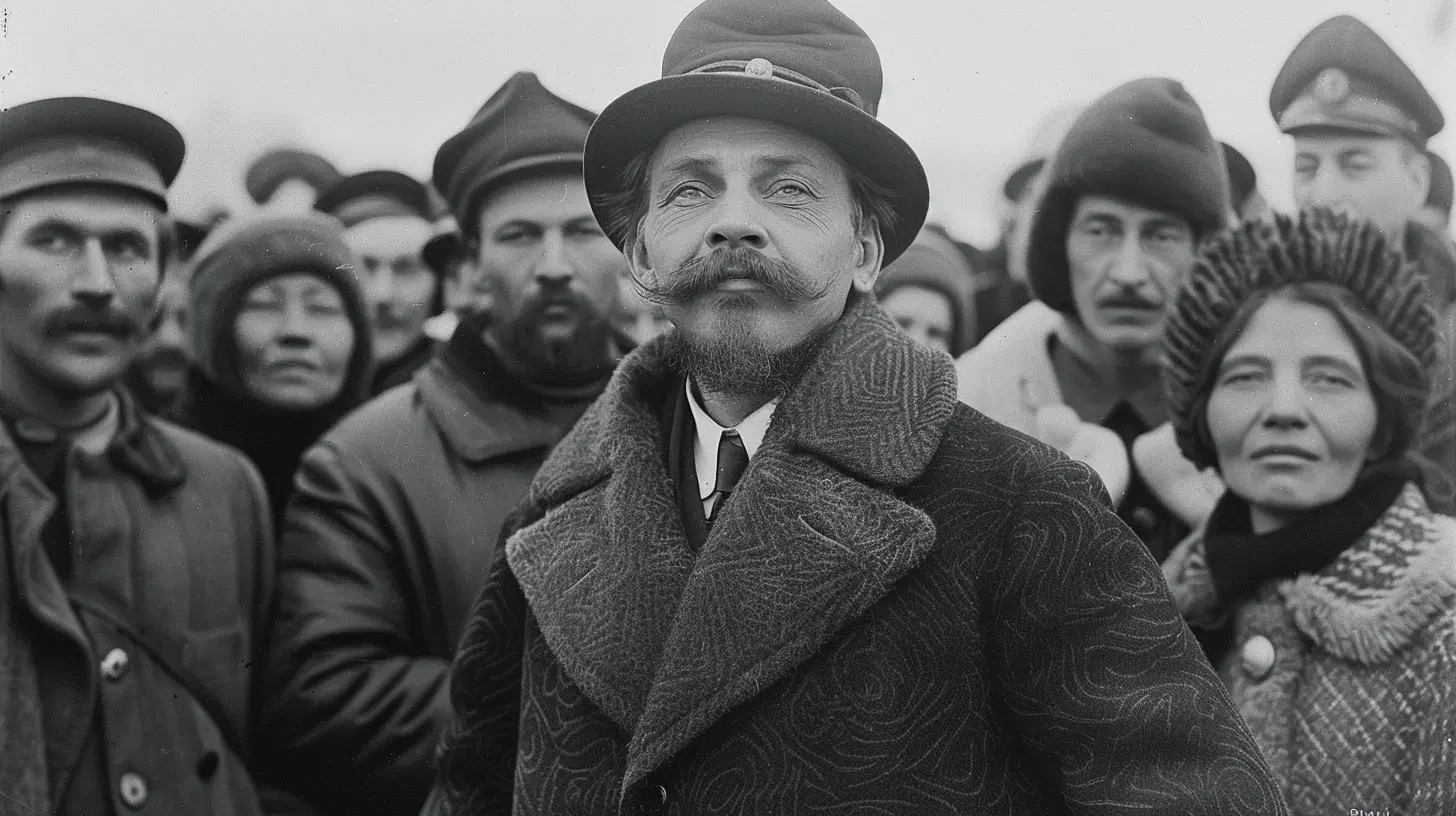
Before we dive into the “how,” let’s do a quick rewind. The Bolshevik Revolution happened in October 1917 (November in the modern calendar) in Petrograd, now Saint Petersburg. The Bolsheviks, a faction of the Marxist Russian Social Democratic Labour Party led by Vladimir Lenin, overthrew the Provisional Government that had replaced the Tsar a few months earlier.Why did the revolution happen? Well, Russia was in chaos. The economy was collapsing, World War I was draining resources, people were starving, and the interim government wasn’t getting anything done. People were desperate for change—and the Bolsheviks promised exactly that.
The End of the Romanov Dynasty
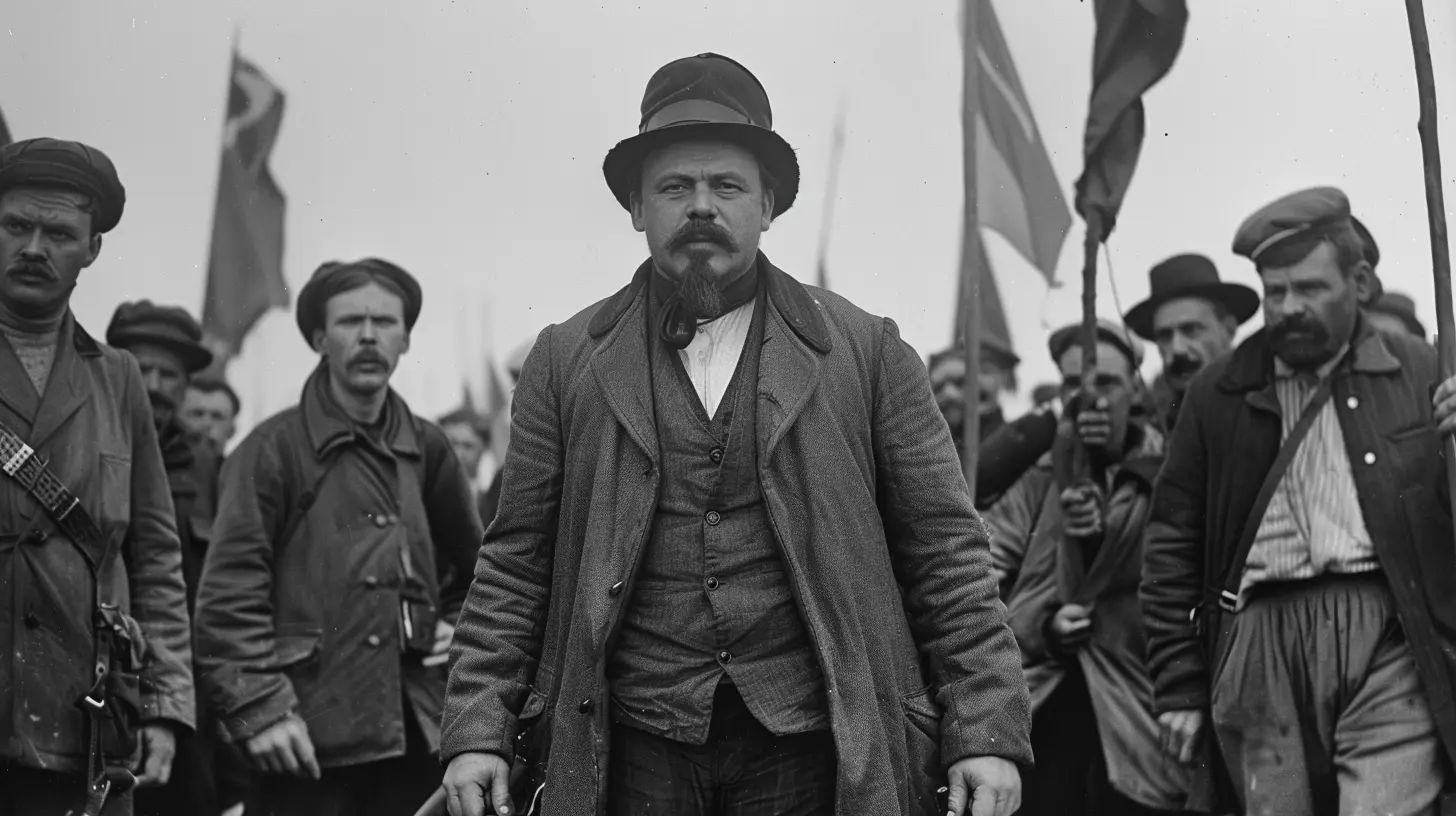
Let’s start with the major headliner: the fall of a 300-year-old empire.The Bolshevik Revolution put an end to the Romanov dynasty. Tsar Nicholas II and his entire family were executed. Think about that—centuries of monarchy wiped out in a matter of months. This wasn’t just a regime change; it was the final nail in the coffin for imperial Russia.
For everyday Russians, it meant no more divine rulers. The people had taken power (or so the Bolsheviks said), and the idea of a royal family was tossed aside like yesterday’s newspaper.
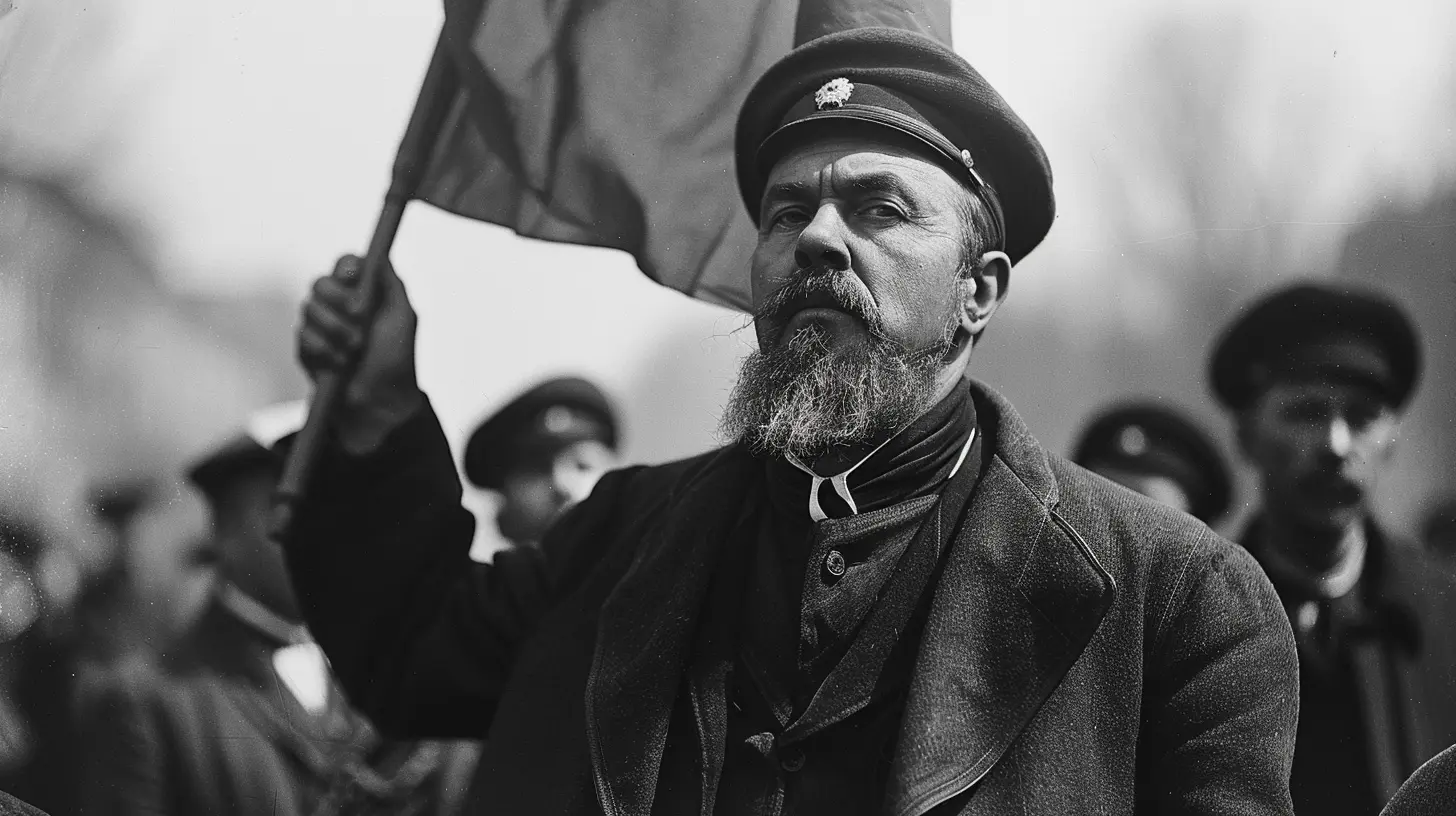
Goodbye Capitalism, Hello Communism
One of the most profound changes was economic. Under the old regime, the rich got richer, and the poor stayed poor. Landlords, factory owners, and nobles ran the show. The revolution flipped that script.The Bolsheviks promised to redistribute land to the peasants and hand factories over to the workers. On paper, it sounded fantastic. No more middlemen, no more exploiters.
In practice? It was messy. The government nationalized everything—banks, land, industry. The idea was to eliminate capitalism altogether, making everything state-owned. While this was revolutionary, it also led to massive inefficiencies. Still, it marked a radical shift in how Russia ran its economy.
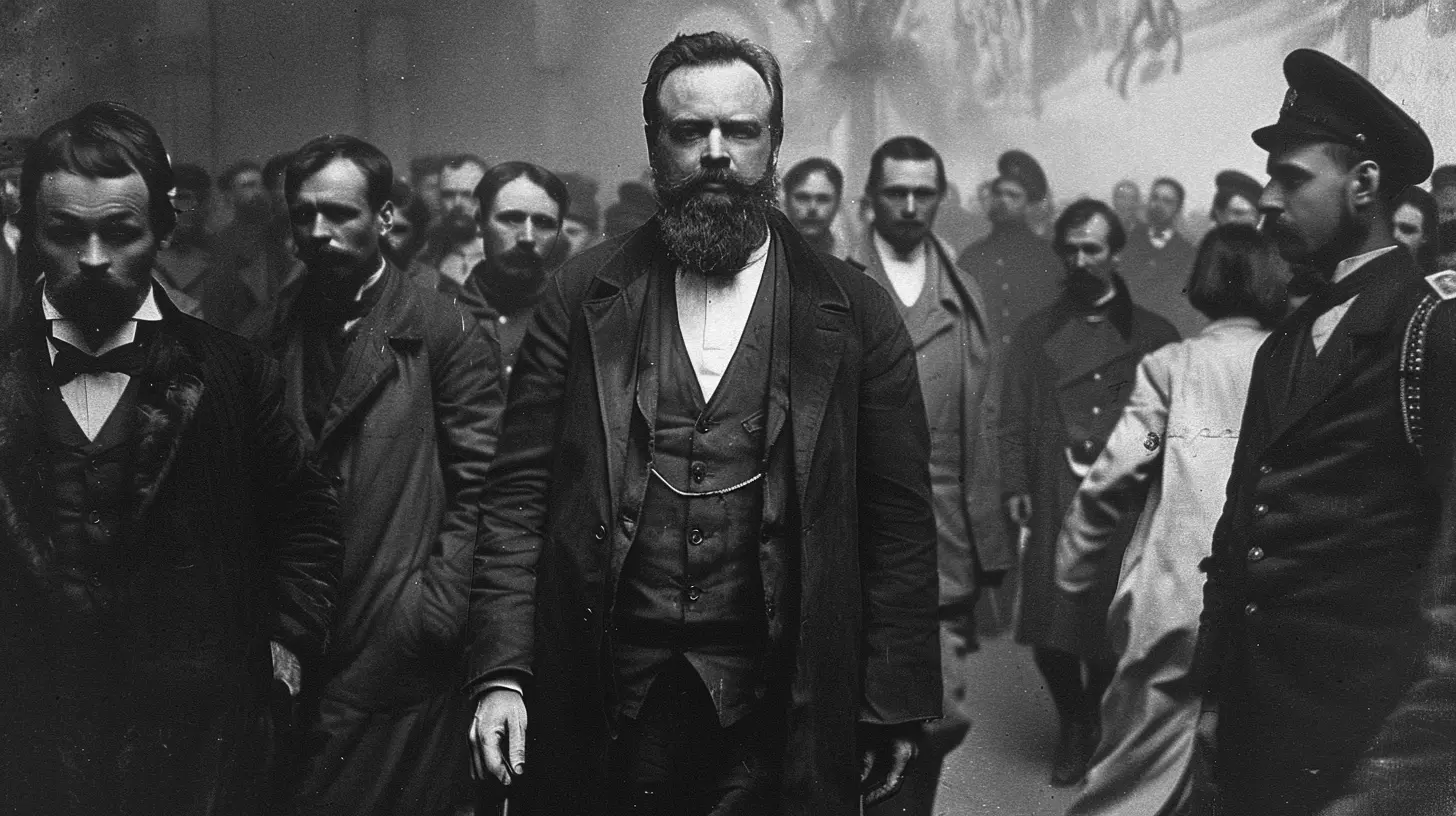
Power to the Soviets (Kind Of)
The term “soviet” actually means council. After the revolution, soviets—local committees made up of workers and soldiers—were supposed to have the power.At first, it looked democratic. Local people making local decisions, right? But that didn’t last. The Bolsheviks centralized power and created a one-party state. The soviets became more symbolic than functional.
So yes, power was taken from the aristocracy, but it wasn’t exactly handed to the people. It was handed to the Bolsheviks.
The Rise of Lenin and the Single-Party Rule
Now here's where things get intense. Lenin became the face of the new Russia. His ideology, Leninism, was a variation of Marxism tailored to Russian conditions. He was all about swift, decisive action—the kind that didn’t wait for majority votes.Under Lenin, Russia became a one-party state. Opposition parties? Banned. Freedom of speech? Severely limited. It was a case of “my way or the gulag.”
While Lenin envisioned a fairer society, his methods were often harsh. His Red Army crushed opposition during the civil war, and the Cheka (a secret police force) hunted down dissenters.
In trying to end one dictatorship, Russia ended up with another—just with a different flavor.
Civil War and the Cost of Change
You can't talk about the revolution without mentioning the Russian Civil War (1917–1923). The Bolsheviks (Reds) fought against a mix of monarchists, liberals, and foreign powers (Whites).This war devastated the country. Millions died, cities crumbled, and the economy hit rock bottom.
But the Bolsheviks won—and that solidified their new regime. It also showed that they would stop at nothing to stay in power.
Education and Literacy Got a Boost
It wasn’t all doom and gloom. One of the genuinely positive changes was in education. Before the revolution, literacy was low, especially among peasants.The Bolsheviks made education a priority. They built schools, simplified the Russian language, and pushed for universal literacy. The belief was that an educated worker was a powerful worker. In this sense, they were right.
By the 1930s, literacy had skyrocketed. For many people, this was the first time they'd learned to read and write.
Women’s Rights Took a Leap Forward
Here’s another unexpected win. Under the Tsar, women had few rights. They couldn’t vote, couldn’t own property, and were mostly tied to traditional roles.The Bolsheviks, however, pushed for gender equality—a groundbreaking idea at the time. Women got the right to vote, enter professions, and even divorce.
They introduced maternity leave, opened childcare centers, and promoted women in government roles. Of course, equality wasn’t perfect, but it was an enormous leap from the past.
Religion? Not So Much
Religion took a massive hit. The Bolsheviks were fiercely atheist. They saw religion as a tool of oppression, something that kept people ignorant and submissive.Churches were closed, priests were persecuted, and religious teachings were banned from schools.
While this move aimed to promote rational thinking and science, it also erased centuries of tradition for many Russians. Religion didn’t vanish overnight, but it definitely went underground.
The Birth of the USSR
Perhaps the biggest long-term impact was the formation of the Soviet Union in 1922. The Bolsheviks didn’t just want a new Russia—they wanted to spread their ideology.The Union of Soviet Socialist Republics (USSR) became the world’s first communist state. It brought together Russia and several neighboring regions under one centralized government.
This wasn’t just a name change; it was a new identity. Russia was no longer a single empire but the leader of a larger ideological federation. And this new entity would shape international politics for the next 70 years.
Global Ripple Effects
The Bolshevik Revolution didn’t just change Russia—it shook the entire world. It inspired communist movements in China, Cuba, Vietnam, and more.The revolution terrified capitalist countries, especially the United States and Britain. It planted the seeds for the Cold War, one of the most intense rivalries in modern history.
So in a way, what happened on the streets of Petrograd in 1917 ended up influencing every corner of the globe.
Legacy: Was It Worth It?
That’s the million-dollar question.Yes, the Bolsheviks brought literacy, healthcare, and a sense of equality. But they also brought dictatorship, purges, and gulags. They aimed to create a workers' paradise but ended up building a highly controlled state.
Some people view the revolution as a triumph of the working class. Others see it as a cautionary tale of good intentions gone wrong.
Whichever way you lean, there’s no denying its impact. The Bolshevik Revolution didn’t just tweak a few laws—it rewrote the entire Russian playbook.
Key Takeaways
Let’s wrap it up with some quick bullet points:- The Romanov dynasty fell, and monarchy was abolished
- Capitalism was replaced with a planned, state-run economy
- Soviet councils gained early power but were later sidelined
- Lenin’s leadership led to a one-party authoritarian government
- The civil war solidified Bolshevik control
- Education and literacy improved massively
- Women’s rights advanced significantly
- Religion was suppressed
- Russia was reborn as the USSR, the world’s first communist state
- The revolution sparked global ideological battles
Like it or hate it, the Bolshevik Revolution changed the world—and it all started with a group of revolutionaries who thought they could build a better future.
all images in this post were generated using AI tools
Category:
History LessonsAuthor:

Zoe McKay
Discussion
rate this article
2 comments
Rayna Castillo
Great read! The Bolshevik Revolution really reshaped Russia's path. It’s fascinating to see how these events still influence the country today. Thanks for sharing!
March 29, 2026 at 4:52 AM
Zoe McKay
Thank you! I’m glad you enjoyed it and found the ongoing influence of the Bolshevik Revolution intriguing. Your insights are appreciated!
Wolf Barnes
The Bolshevik Revolution fundamentally reshaped Russia's political landscape.
March 2, 2026 at 1:34 PM
Zoe McKay
Absolutely, the Bolshevik Revolution marked a pivotal shift, establishing a communist government that dismantled the old regime and set the stage for a new political and social order in Russia.