How Virtual Reality Will Revolutionize History Lessons by 2027
15 April 2026
Remember that feeling? You’re sitting in a history class, the fluorescent lights humming overhead, as you try desperately to picture the events described in your textbook. The pyramids being built, the signing of the Declaration of Independence, the bustling markets of the Silk Road. You’re told these were monumental, world-changing moments, but they’re just… words on a page. Dates to memorize. A narrative that feels distant, almost fictional.
What if you could step into those pages? What if, instead of reading about 1920s Harlem, you could hear the jazz spill out of the clubs, feel the energy of the Renaissance, and listen to poets like Langston Hughes? This isn’t a fantasy for some distant future. By 2027, this will be the new reality in classrooms. Virtual Reality (VR) is poised to transform history from a subject we study into a world we experience, and the implications are nothing short of revolutionary.
Let’s dive into how this immersive technology will reshape our understanding of the past.
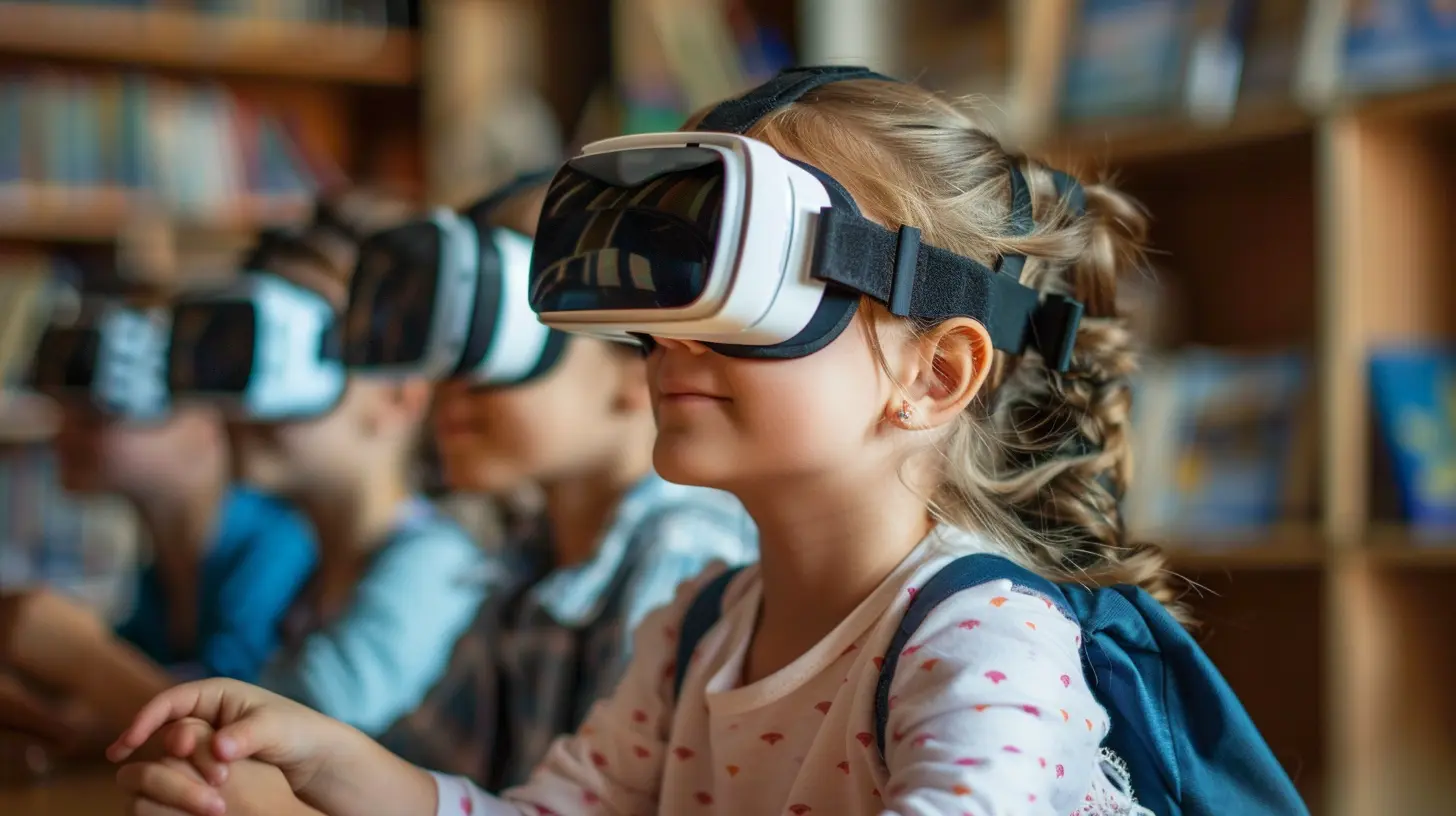
From Passive Dates to Lived Experience: The Core Shift
For generations, history education has largely followed a linear, two-dimensional model: lecture, textbook, test. It’s a model that prizes recall over understanding, and chronology over context. The human stories—the smells, the sounds, the sheer scale of events—are often lost.VR changes the fundamental axis of learning from passive absorption to active exploration. Think of it as the difference between looking at a map of the ocean and actually scuba diving within it. One gives you data; the other gives you an ecosystem. In a VR history lesson, a student isn’t told the Roman Colosseum was grand; they stand in the center of it, looking up at 50,000 roaring spectators. They grasp its scale viscerally, in a way no diagram or video can convey. This shift from observer to participant creates what educators call "situated learning," where knowledge is tied directly to a realistic environment and context. The memory isn't just of a fact; it's of an experience.
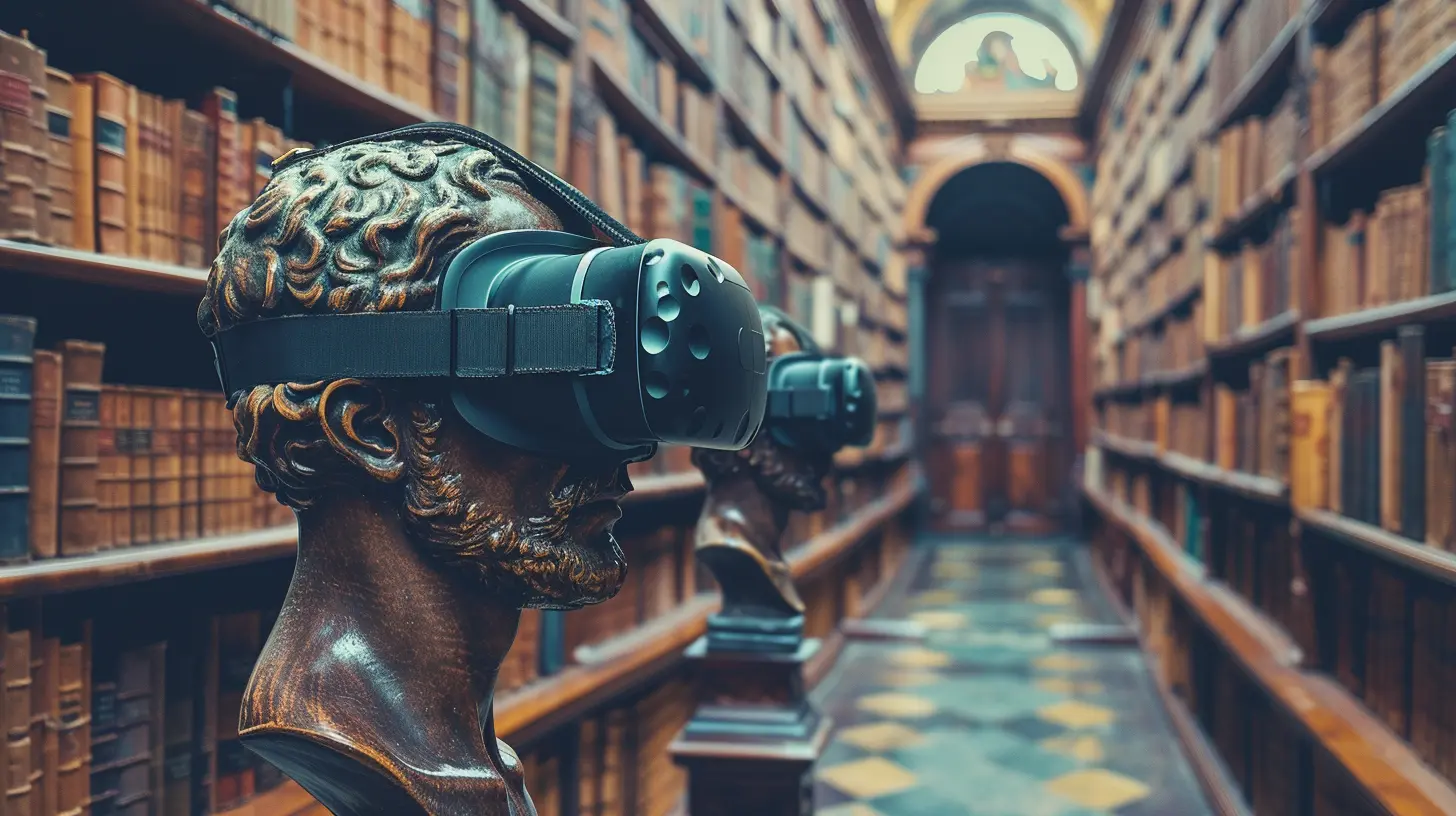
The Classroom of 2027: A Portal to Anywhere
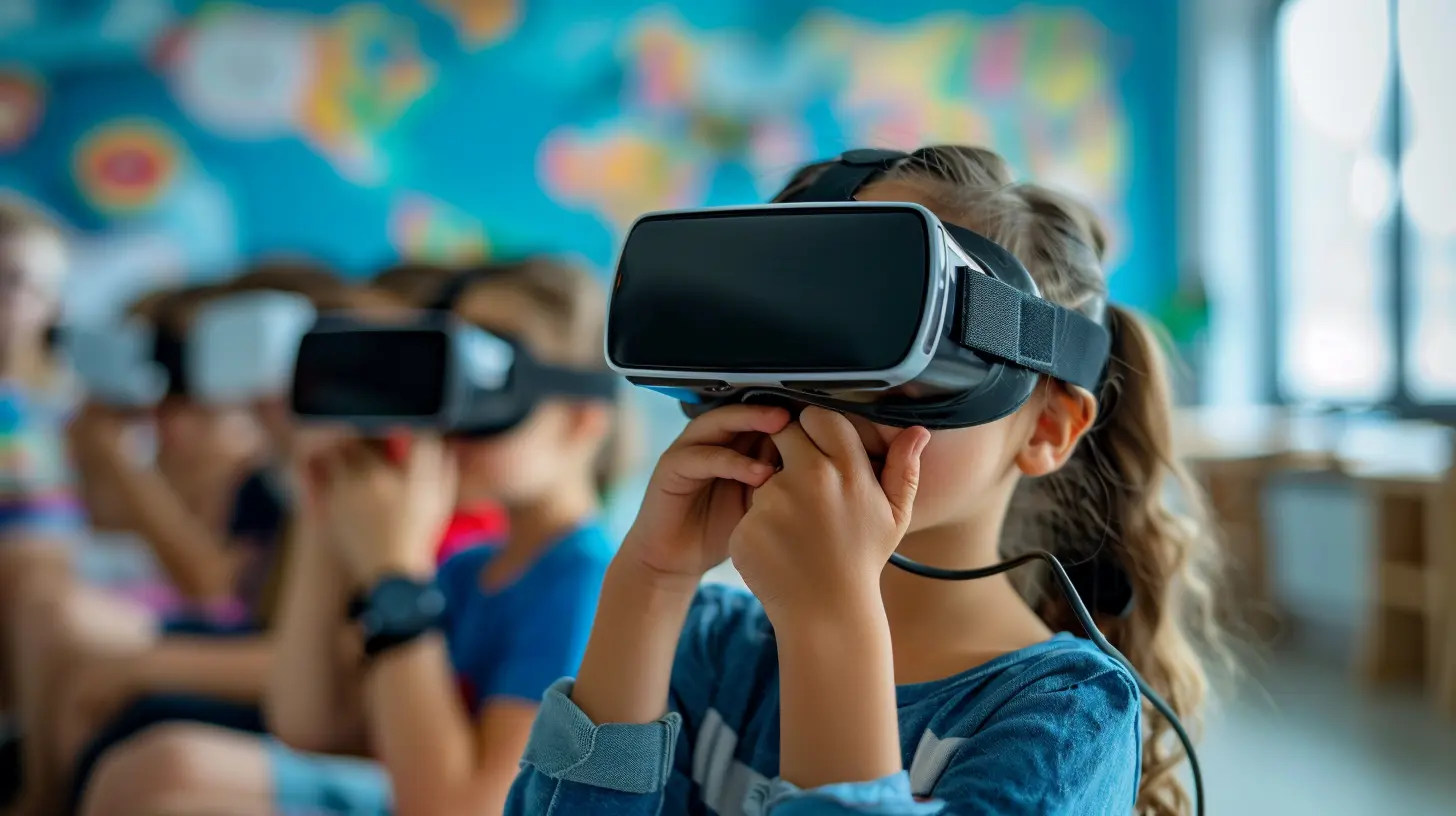
So, what will a history class actually look like in just a few short years? Let’s paint a picture.It’s a Tuesday morning in 2027. Ms. Rodriguez’s 10th-grade world history class is beginning. Instead of opening books, her students don lightweight VR headsets—think sleek goggles, not clunky helmets. With a voice command or a simple gesture, the bland classroom walls dissolve.
Option 1: They’re now standing on the deck of a Viking longship, the North Sea wind virtually stinging their faces, watching as a navigator uses a sunstone to chart a course. They can look down at the intricate woodwork of the ship, hear the creak of the oars, and understand the courage (or desperation) required for such a voyage.
Option 2: The portal opens to a quiet workshop in Renaissance Florence. They can walk around Leonardo da Vinci’s bench, see the half-finished designs for his flying machine scattered about, and even attempt to assemble a small version of his gear mechanism with their virtual hands. The lesson on innovation and artistry becomes a hands-on workshop.
Option 3: They find themselves in the midst of a peaceful protest on the Edmund Pettus Bridge in Selma, Alabama, in 1965. They are not a central character, but a witness—hearing the speeches, feeling the tension, and understanding the palpable courage of the marchers. This isn’t about gamifying trauma; it’s about building profound, empathetic understanding.
The "classroom" is no longer a single room. It’s a launchpad for countless field trips across time and space, all before the lunch bell rings.
Beyond the "Wow" Factor: Tangible Educational Benefits
The initial "wow" of VR is undeniable, but its true power lies in deep, measurable educational outcomes. This is more than just a fancy toy.Supercharged Empathy and Perspective-Taking: Reading a first-person account of a child in ancient Pompeii is powerful. But standing in a reconstructed Pompeian street as the ground trembles and ash begins to fall around you creates an emotional resonance that is indelible. VR can place students in the shoes of people from vastly different cultures and times, fostering a level of historical empathy that is crucial for a compassionate and globally-minded citizenry. They don’t just learn what happened; they get a glimpse of how* it might have felt.
* Unlocking Spatial and Scale Understanding: History is deeply physical. The cramped conditions of a transatlantic slave ship. The overwhelming verticality of a Gothic cathedral. The strategic layout of a WWII battlefield. Textbooks struggle with this. VR excels at it. Students can literally walk the trenches, grasp the claustrophobic layout of a submarine, or appreciate the engineering marvel of the Great Wall by traversing a segment of it. This spatial literacy is a key part of historical understanding that has been largely inaccessible.
* Engaging the Disengaged: For students who struggle with traditional text-heavy learning, VR is a game-changer. It speaks the language of a digital-native generation. It’s interactive, visual, and kinesthetic. A student who might tune out during a lecture about Athenian democracy might become deeply invested when tasked with virtually attending the Assembly on the Pnyx, listening to arguments for and against a war, and casting their own vote. It turns apathy into agency.
* Critical Thinking in a Simulated Sandbox: Here’s where it gets really exciting. Advanced VR won’t just be for observation; it will be for experimentation. Imagine a module on the economic causes of the French Revolution. Students could be given control of virtual levers—adjusting tax rates on the Third Estate, changing grain prices, seeing the virtual populace’s mood shift in real-time, and ultimately witnessing the consequences of those pressures. This "what-if" or counterfactual history allows students to test theories and understand history as a series of complex, interconnected systems, not a predetermined path.
Navigating the Challenges: It’s Not Just About the Headsets
Of course, this revolution won’t happen by simply dropping a box of VR goggles into every school. Significant hurdles remain, but the path to 2027 involves actively solving them.* Cost and Access: The equity issue is paramount. Will only wealthy districts have these tools? The trend is promising. Hardware costs are plummeting, and robust, standalone headsets are already a reality. By 2027, district-wide subscriptions to VR educational platforms, paired with durable classroom sets of devices, will likely become as standard as computer labs or tablet carts are today. The goal must be equitable access, not just early adoption.
* Curriculum Integration, Not Distraction: The worst outcome would be using VR as a glorified screen saver—a cool gimmick with no pedagogical purpose. Successful integration requires teacher training and high-quality, curriculum-aligned content. The best VR experiences will come with lesson plans, discussion guides, and assessment tools that tie the experience back to core learning objectives. The teacher remains the essential guide, framing the experience and helping students process what they’ve witnessed.
* Historical Accuracy and Responsibility: Who gets to build these virtual worlds? Ensuring historical accuracy and avoiding bias is a massive responsibility. This will require close collaboration between educators, historians, and software developers. Furthermore, how do we handle sensitive or traumatic historical events? The approach must be one of respectful witness, not exploitative spectacle. The focus should be on education and remembrance, not sensationalism.
The Human Teacher: More Important Than Ever
A common fear is that VR will replace teachers. The opposite is true. VR will elevate the teacher’s role from sole knowledge-deliverer to master experience-curator and facilitator.Ms. Rodriguez in 2027 won’t spend her time lecturing dates. She’ll be a mentor who:
* Prepares the Journey: Setting the stage, providing crucial background, and framing the key questions before students "step in."
* Guides the Exploration: Circulating in the physical classroom (while students are immersed) to ask probing questions: "What do you notice about the clothing of the merchants?" "Why do you think the forum was built in this location?"
* Debriefs the Experience: Leading the vital discussion afterward. "How did it feel to be there?" "What surprised you?" "How does what you saw change your understanding of the primary sources we read?" This reflective conversation is where deep learning is cemented.
The teacher becomes the conductor, helping the orchestra of technology and experience create a symphony of understanding.
The Horizon: What Does "Revolutionized" Really Mean?
By 2027, "revolutionized" won’t mean every single lesson is in VR. It will mean that immersive experience is a seamless, integrated tool in the history teacher’s toolkit—as normal as using a video or a website is today.We will move from asking, "What happened in 1066?" to "What was it like to be at the Battle of Hastings?"
We will shift from assessing who can list the causes of the Industrial Revolution to assessing who can best articulate the human and environmental trade-offs they witnessed in a simulated 19th-century industrial town.
The ultimate goal is to close the empathy gap of centuries. It’s to help students internalize that history wasn’t a dry series of events, but a vibrant, messy, human story that they are now continuing. Virtual Reality, by 2027, will stop making history a ghost. It will give it a heartbeat, a voice, and a space for our students to walk alongside it, finally bridging the chasm between the past and the present.
all images in this post were generated using AI tools
Category:
History LearningAuthor:

Zoe McKay
Discussion
rate this article
2 comments
Beatrice McVey
This article presents an exciting perspective on how virtual reality can enhance history education. The potential for immersive experiences is truly intriguing and thought-provoking.
June 4, 2026 at 2:40 AM
Zoe McKay
I'm glad you found the perspective exciting! Immersive experiences really could change how we learn about history. It's an exciting time for education.
Noemi McDermott
Virtual reality offers immersive experiences that can enhance historical understanding, making lessons more engaging and impactful for students by 2027.
April 15, 2026 at 12:49 PM
Zoe McKay
Thank you for highlighting the potential of virtual reality! By 2027, these immersive experiences will indeed transform how students connect with history, making learning more engaging and memorable.