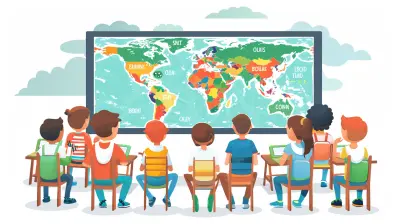
Encouraging Collaboration Between Parents and Teachers
23 March 2026
When we think about a child’s success in school, our minds often go straight to homework, grades, or classroom behavior. But behind almost every successful student is a solid partnership between parents and teachers. It’s like this—parents and teachers are the two oars rowing the same boat: the child. If they paddled in opposite directions, guess what? The boat would just spin in circles. To truly help kids move forward, both sides have to work together.
This article digs into why that partnership is so important, what gets in the way, and how we can encourage smoother, more effective collaboration between parents and teachers.
Why Parent-Teacher Collaboration Matters So Much
Let’s start with the “why.” Why even bother creating tight bonds between home and school?It Boosts Student Performance
When parents and teachers are on the same page, students benefit—big time! Studies have shown that kids whose parents are actively involved in school tend to earn better grades, have improved attendance, and show better social skills. Why? Because they feel like their world is in sync. They’re getting the same messages from home and school, and that creates stability.It Builds a Supportive Team Around the Child
Think of a child’s learning journey as a long-distance race. It’s not a sprint—it takes time, guidance, and endurance. Having parents and teachers as coaches on both sides helps the child feel supported in every stage.
What’s Standing in the Way?
Now, if collaboration between parents and teachers is such a win-win, why does it sometimes feel like pulling teeth? Let’s break down some common barriers.1. Lack of Time
Everyone’s busy. Teachers are juggling 25–30 kids (sometimes more), stacks of grading, lesson planning, and meetings. Parents often work full-time and are managing homes on top of everything else. Finding time to connect isn’t always easy.2. Communication Gaps
Ever hear the phrase “lost in translation”? That’s exactly what can happen. Some parents might not understand school jargon. Teachers might send newsletters no one reads. Texts get missed. Emails go unanswered. Without clear and effective communication, misunderstandings grow.3. Cultural Differences
In today’s diverse classrooms, cultural backgrounds can shape different expectations. What’s seen as supportive in one culture might come off as overbearing in another. Teachers may not always understand a student’s home life. Parents may feel intimidated or unwelcome due to language barriers or past negative experiences with schools.4. Fear of Judgment
Let’s be real—sometimes people avoid conversations because they fear being judged. Parents may worry they’re being blamed for their child’s behavior. Teachers may fear criticism from overly involved parents. So, instead of working together, both sides keep their distance.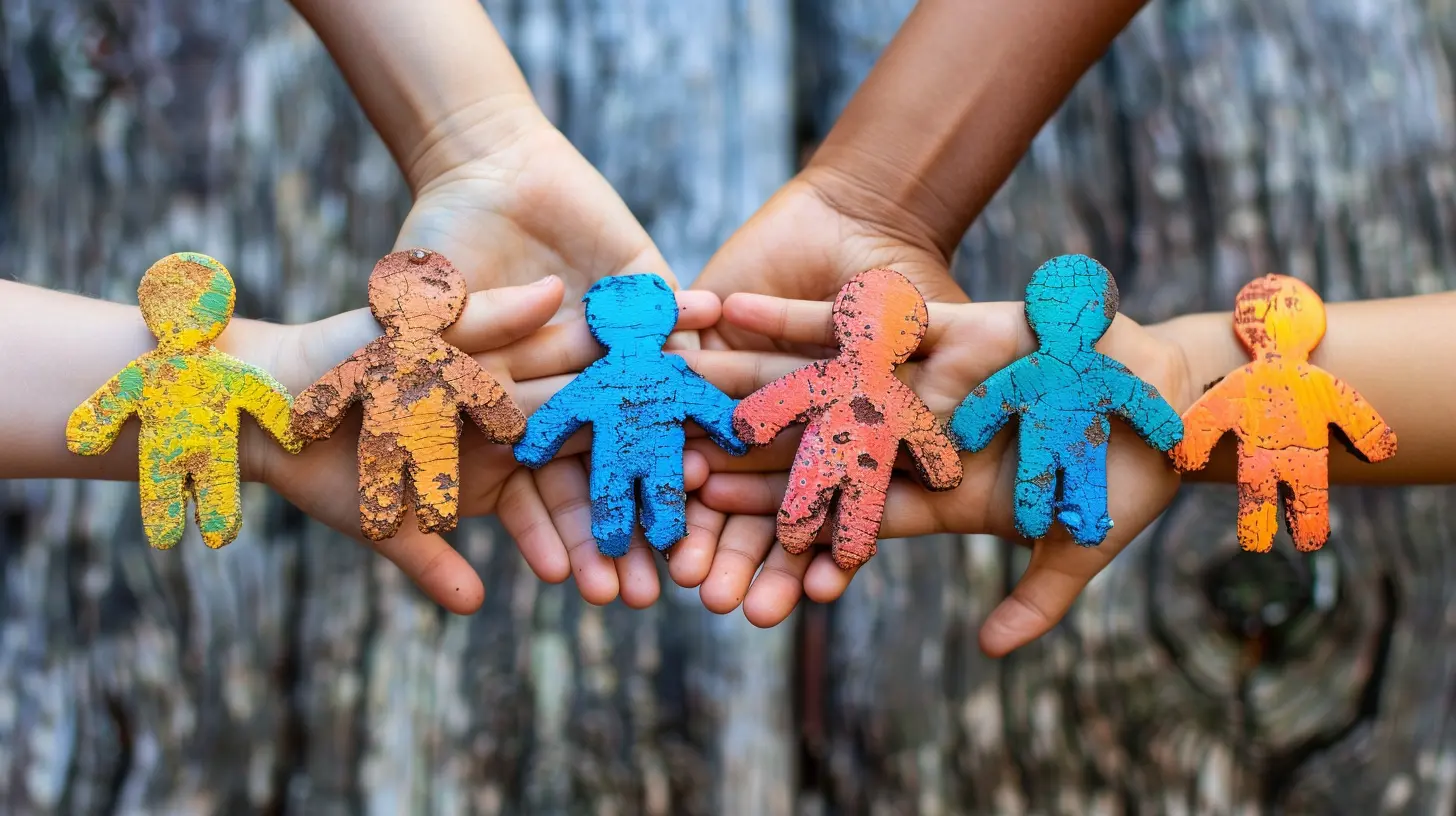
How to Build Strong Parent-Teacher Collaboration
Okay, now that we’ve aired out the challenges, let’s talk about solutions.1. Start with Open, Honest Communication
The foundation of any good relationship is communication. Not just talking—but listening, too.- Teachers: Make the first move. Send a friendly welcome message at the beginning of the year. Try to connect early, before there’s a problem.
- Parents: Don’t hesitate to reach out. Ask questions. Share what’s going on at home that might affect your child’s learning.
Use simple language. Avoid jargon. Speak like a human, not a textbook.
2. Establish Mutual Respect
Respect goes both ways. Teachers are the experts in education. Parents are the experts on their kids. When both sides respect each other’s knowledge, magic happens.Don’t assume bad intentions. Parents aren’t being overprotective—they care. Teachers aren’t being pushy—they want what’s best. A little empathy goes a long way.
3. Create Two-Way Communication Channels
A note sent home in a backpack? That’s not a conversation. Real collaboration means two-way communication.- Use communication apps like ClassDojo, Remind, or Seesaw.
- Schedule regular parent-teacher conferences—and keep them informal and approachable.
- Host virtual check-ins for parents who can’t make it in person.
And hey, not every message has to be about a problem. Positive updates build trust.
4. Involve Parents in the Learning Process
Parents aren’t just there to sign permission slips. Involve them!- Share learning goals and classroom themes.
- Offer simple activities they can do at home to reinforce concepts.
- Invite them to volunteer—even if it’s just from home.
When parents feel included, they stay invested.
5. Educate Each Other
Sometimes misunderstandings happen because we don’t understand where the other person is coming from.- Teachers can offer workshops or resources to help parents navigate curriculum or tech tools.
- Parents can share cultural insights or traditions to help teachers connect better with students.
It’s a two-way street. Building empathy creates stronger community ties.
6. Create a Comfortable Environment
Teachers, your classroom should feel open to parents. Think of it as a community space, not a fortress.Simple gestures—like warm greetings, welcoming language, and genuine interest—can make parents feel like partners, not visitors.
Likewise, schools should provide translators or bilingual staff when needed, and make sure all families feel included, regardless of background.
Real World Examples That Make a Difference
Let’s move beyond theory and into the real world. Here’s how some schools have nailed parent-teacher collaboration:The “Parent Cafe” Approach
One elementary school started hosting monthly “Parent Cafes” in the cafeteria—coffee, snacks, and casual conversation with teachers and the principal. The result? Attendance soared, and tensions dropped.Home Visit Programs
Some schools have piloted home visit programs where teachers spend 20–30 minutes visiting students at home before school starts. It’s not about curriculum—it’s about connection. Parents open up. Students feel seen. Relationships bloom.Student-Led Conferences
Instead of traditional parent-teacher conferences, some schools use student-led versions. Kids share their work, goals, and challenges. The teacher and parent just listen. It’s a powerful way to involve everyone and put the student in the driver’s seat.What Parents Can Do Today
If you’re a parent wondering how to get more involved, here are some simple steps:- Ask the teacher how your child is doing—not just academically, but socially too.
- Attend school events, even virtually. It shows interest.
- Share insights about your child’s strengths, fears, and learning style.
- Follow through on recommendations or strategies suggested by the teacher.
- Celebrate your child's effort, not just grades.
What Teachers Can Do Today
Teachers, here are quick wins for building bridges with families:- Reach out with a positive note before a negative one.
- Make sure your classroom reflects the cultures of your students.
- Offer flexible meeting times for busy parents.
- Provide choices—phone calls, emails, or video chats.
- Be patient. Some parents need time to build trust.
Long-Term Benefits of Strong Collaboration
Building solid parent-teacher relationships takes effort, but the long-term benefits are massive.Students Feel More Supported
Kids sense when their parents and teachers communicate. They’ll often feel more accountable and motivated. It’s like having a double cheering squad.Fewer Behavioral Issues
When the adults are united, behavior problems drop. There’s consistency at home and school. And kids know they can’t play one side against the other.Increased Trust in Schools
Strong collaboration helps build trust in the education system. Parents feel heard. Teachers feel backed. Everyone’s rowing in sync.Final Thoughts: It’s a Journey, Not a One-Time Event
Encouraging collaboration between parents and teachers isn’t a checkbox to tick off at the start of the year. It’s an ongoing journey. Think of it like tending a garden—you’ve got to water it, pull the weeds, and give it sunlight. But in the end, the blooms are worth it.So, whether you're a parent, a teacher, or even a school administrator, take the first step. Reach out. Start the conversation. Be willing to listen, adapt, and grow.
Because when parents and teachers partner up, kids don’t just learn—they thrive.
all images in this post were generated using AI tools
Category:
Parent InvolvementAuthor:

Zoe McKay
Discussion
rate this article
2 comments
Jackson McNaughton
Together, we empower students to reach their fullest potential!
April 21, 2026 at 3:44 AM
Zoe McKay
Absolutely! Collaboration between parents and teachers is key to unlocking every student's potential. Together, we can make a significant impact.
Izaak Kirkpatrick
Oh sure, because nothing says “teamwork” like parents and teachers trying to outsmart each other in the ultimate game of who knows the child better! Fun times!
March 27, 2026 at 4:20 AM
Zoe McKay
I understand your perspective! However, the goal is to foster collaboration for the benefit of the child, not competition. Working together can lead to the best outcomes for everyone involved.