Addressing the Social Isolation Sometimes Experienced by Gifted Learners
23 June 2026
Let’s face it—being gifted isn’t always the walk in the park that people make it out to be. Sure, gifted learners might breeze through equations or understand Shakespeare before middle school, but there's a side that often gets overlooked: social isolation.
Yep, it's a real thing. And it can hurt more than any pop quiz or standardized test ever could.
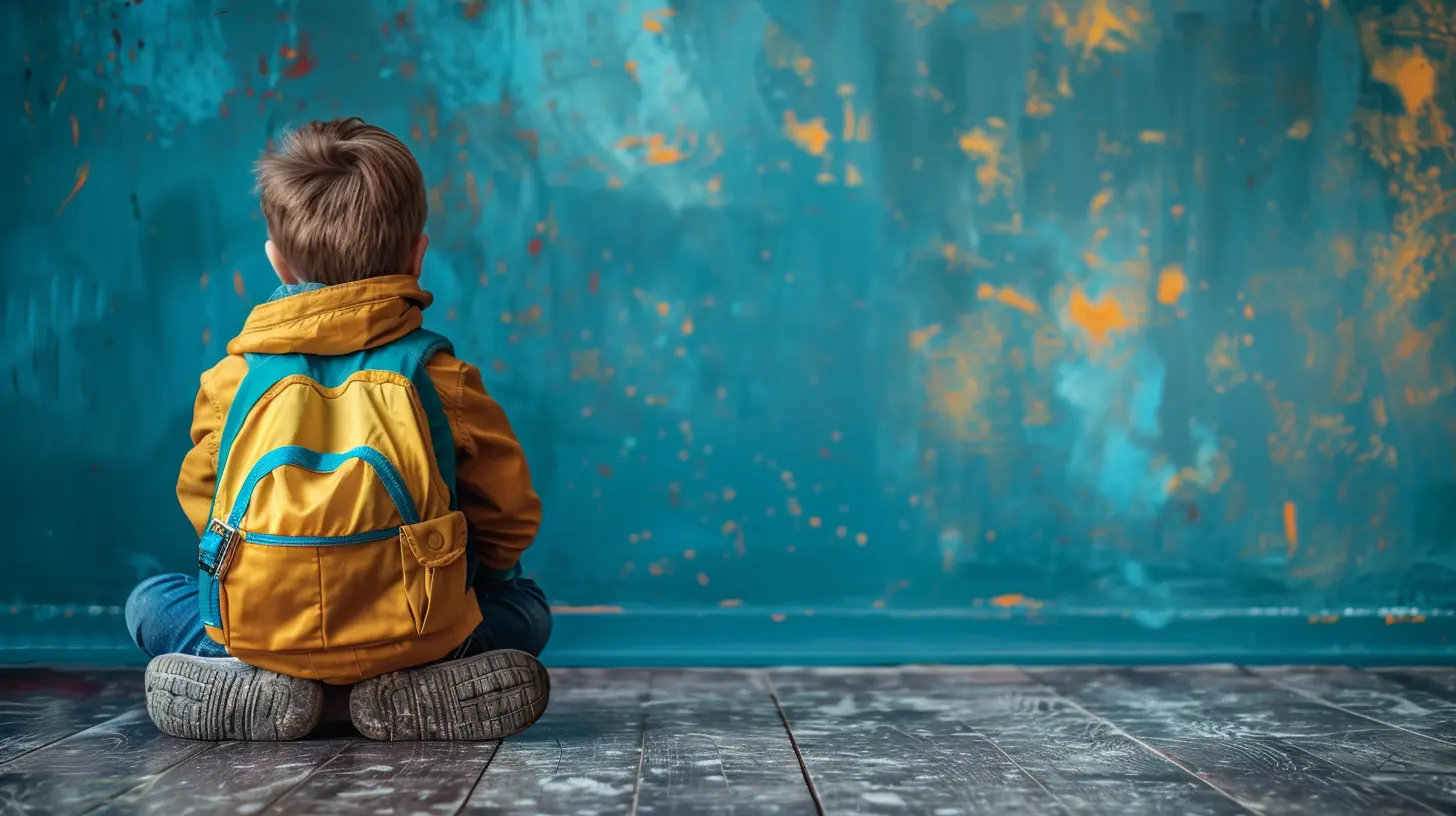
The Hidden Struggles Behind High IQ
Gifted learners are often praised for their intelligence. From a young age, they’re labeled as “bright,” “genius,” or “ahead of their time.” But these labels can sometimes weigh heavy. Why? Because those same learners often feel out of sync with their peers.Think about it—when you're excited about quantum physics, but your classmates are still obsessed with slime videos, it’s easy to feel like an alien in your own world.
And while gifted kids might outpace others academically, they are still kids. They still want to be liked, to fit in, and to be accepted.
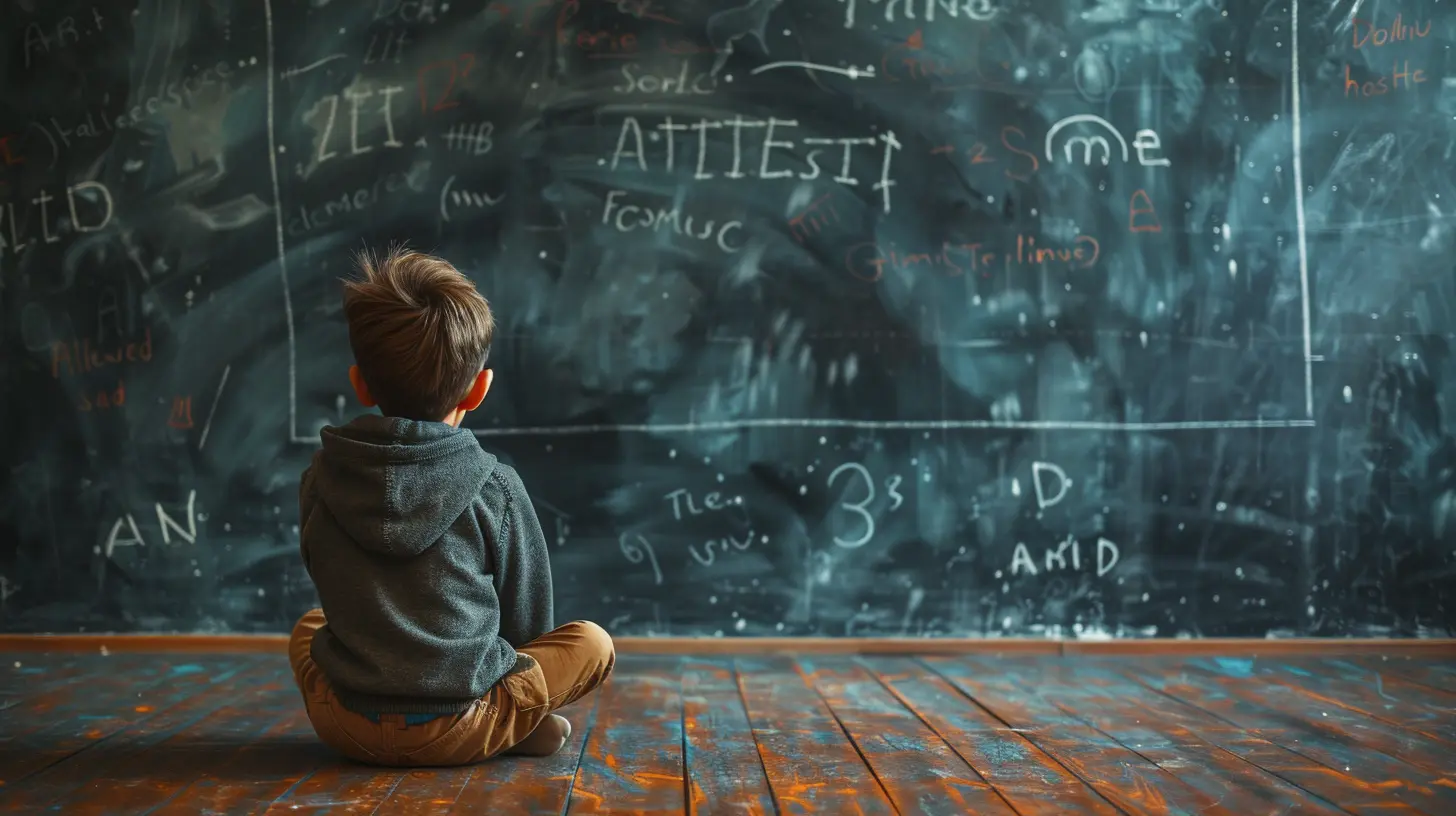
Why Do Gifted Learners Feel Isolated?
There’s no one-size-fits-all answer, but several factors often contribute:1. Different Interests and Maturity
It’s not unusual for a gifted 10-year-old to prefer reading Tolstoy over playing tag. That curiosity and love for complex topics can set them apart. While others are discussing their favorite cartoons, gifted kids may be deep-diving into history or philosophy.And with maturity? Many gifted learners display emotional or intellectual maturity well beyond their years. But emotional development doesn’t always match intellectual development. So while they might understand the horrors of war, they might still struggle with navigating a playground disagreement.
2. Perfectionism and Self-Criticism
Gifted learners often hold themselves to impossibly high standards. When things don’t go perfectly, it can lead to frustration, shame, or anxiety. This perfectionist mindset can actually make them withdraw socially—especially when they fear being judged or misunderstood.Imagine always feeling like you have to be the smartest person in the room. That's a pretty lonely room after a while.
3. Peer Rejection or Teasing
Kids can be harsh. When someone’s a little different—maybe they use big words, or they’d rather read than run—it’s not uncommon for them to be teased. Even unintentionally, peers might exclude gifted learners because they just don’t "get" them.This subtle (or sometimes outright) rejection reinforces the message that “you don’t belong here.”
It’s Not All Doom and Gloom
Now let’s pause for a second. Gifted does NOT mean doomed to a life of loneliness. Far from it.The good news? With the right support, empathy, and understanding, gifted learners can build meaningful, fulfilling friendships and feel like they truly belong.
But how do we get there? Let’s break it down.
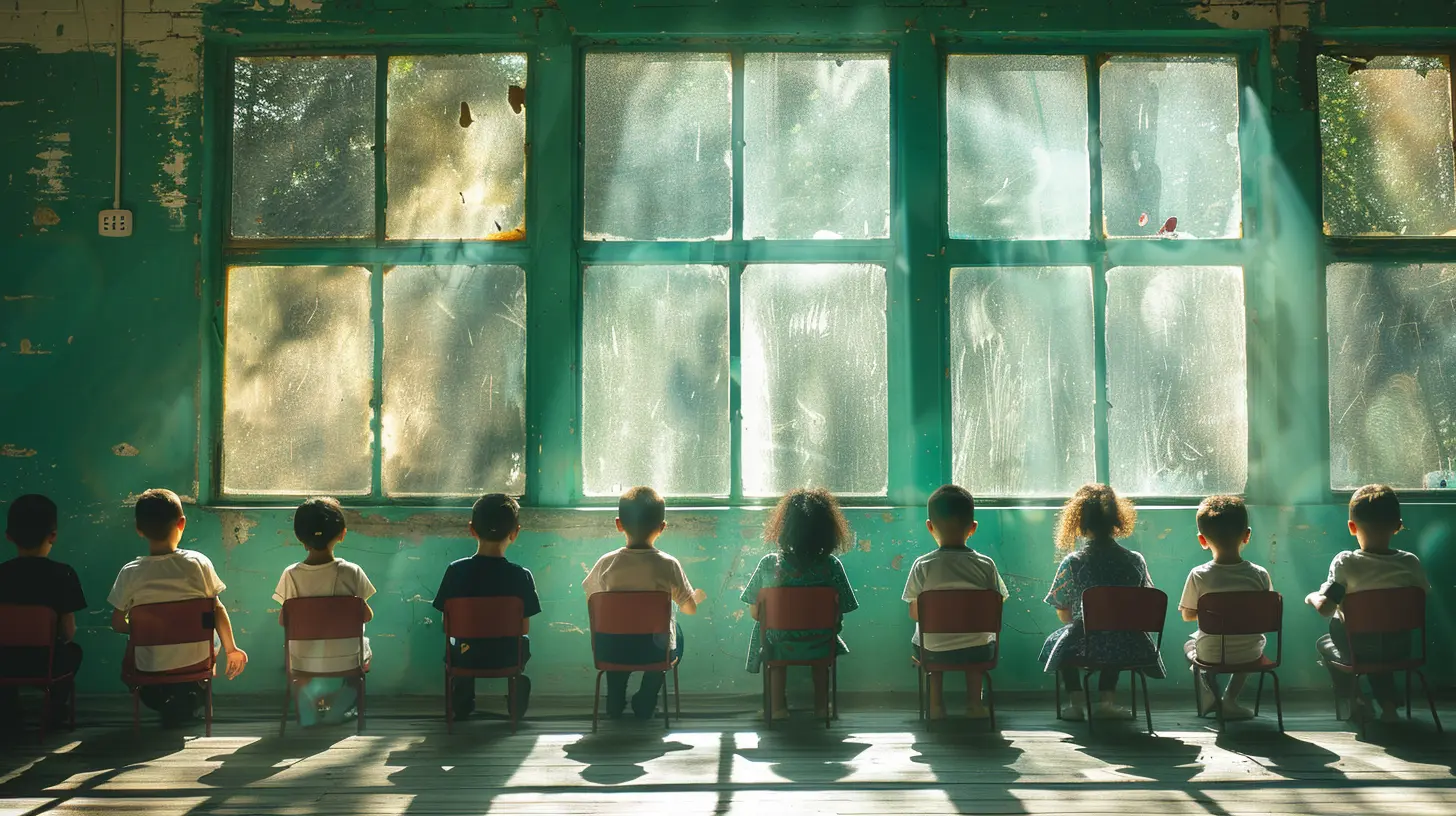
Ways to Address Social Isolation in Gifted Learners
Whether you’re a parent, teacher, or even a friend, there are ways to create a supportive environment that celebrates both intellect and emotional connection.1. Normalize Their Experience
Sometimes, simply knowing you’re not alone can be life-changing. Gifted learners often feel like they’re the only one struggling to connect. Helping them see that others experience social disconnect too can ease the sense of "otherness."Parents and educators can talk openly about these feelings. Let them know it’s okay to feel out of place sometimes—it doesn’t mean they’re broken.
2. Facilitate Peer Connections with Like-Minded Individuals
Gifted learners don't necessarily need friends just like them, but having at least a few peers who share their passions can make a world of difference.Look into:
- Gifted student programs
- Clubs based on specific interests (think robotics, chess, literature)
- Online forums or classes geared towards gifted kids
Creating spaces where they can "nerd out" without judgment nurtures both their intelligence and sense of belonging.
3. Teach Social-Emotional Skills
Gifted learners often need help developing social skills, just like any kid. But their unique brains may require a different approach.Teach them:
- How to start and maintain conversations
- How to handle social rejection or misunderstandings
- How to empathize with others even if they don’t think the same way
Role-playing and real-talk conversations can go a long way. Social-emotional learning (SEL) programs can also be a fantastic resource in schools.
4. Encourage Mixed-Age Friendships
You know how age is just a number? Well, that’s especially true for gifted learners. Many find it easier to connect with older students or even adults who share their mental wavelength.Don’t shy away from letting them build friendships across age brackets—within safe and supervised boundaries, of course.
5. Avoid Over-Scheduling and Let Them Breathe
Ever heard of the “gifted burnout”? It’s real. Between extra classes, competitions, and perfection-driven expectations, some gifted kids don’t have time to just be… kids.Leave space in their schedule for unstructured play, creative exploration, or just hanging out. Sometimes the best social bonding happens when there’s no pressure to perform.
6. Model Acceptance and Empathy
Kids pick up on how adults treat others. If we want gifted learners to feel accepted, we need to model that ourselves.Show excitement about their interests—even if they sound like a TED Talk you didn’t sign up for. Be patient when they struggle socially. And always listen—really listen—when they open up.
That compassion creates safety, and safe spaces invite connection.
From Isolation to Inclusion: Real-Life Examples
Let’s bring this to life with a couple of stories.Meet Eli: The Young Philosopher
Eli, a 9-year-old obsessed with ethics and metaphysics, felt out of place in school. His classmates couldn’t understand why he didn’t care about TikTok trends.His parents enrolled him in an online philosophy class for gifted kids. There, he connected with a girl who loved to debate as much as he did. They've been email pen pals for over a year, bonding over Socrates and silly memes. That one friend changed everything for Eli.
Meet Maya: The Silent Perfectionist
Maya never raised her hand in class—even though she knew all the answers. She was terrified of being seen as “the know-it-all.”A school counselor helped her join a small lunch group focused on self-reflection and self-esteem. There, Maya slowly began sharing her thoughts. For the first time, she felt seen for who she was, not just what she knew.
Now Maya helps welcome new kids into the group—using her experience to help others who feel left out.
The Bigger Picture: Educators, Stay Woke
Teachers play a huge role in how gifted learners feel about themselves socially. But many aren’t trained to recognize the emotional needs of the gifted.Here are a few quick tips for educators:
- Don’t just focus on academics. Check in with how they're feeling socially and emotionally.
- Pair gifted learners on projects with peers who balance challenge with companionship.
- Celebrate diverse strengths—not just intellectual ones. Let creativity, empathy, and collaboration shine too.
Giftedness isn't a golden ticket to a happy life—it's a different lens. And sometimes, that lens can blur the social landscape. But with the right tools, that blur can turn into something beautiful.
Final Words: Gifts Shouldn’t Come with Loneliness
If there’s one thing we should all take away, it’s this: every child deserves connection.Being gifted isn’t about being above others—it's about walking a unique path. And every path is better with companions.
Let’s hold space for gifted learners—not just to grow their minds, but to open their hearts, find their people, and feel at home in their wonderfully wired brains.
Because intelligence might light the way, but relationships show us where to go.
all images in this post were generated using AI tools
Category:
Gifted EducationAuthor:

Zoe McKay
Discussion
rate this article
1 comments
Jonah Roth
Gifted learners often navigate a complex emotional landscape, feeling out of sync with peers. It is essential to foster environments that encourage authentic connections. By embracing their unique perspectives and providing spaces for meaningful interaction, we can help them not only thrive academically but also cultivate lasting social bonds.
July 5, 2026 at 5:04 AM
Zoe McKay
Absolutely. Creating supportive environments is key to helping gifted learners connect with others. By valuing their perspectives, we can turn isolation into meaningful relationships.