The Case for Universal Access to Public Education
April 28, 2026 - 06:03
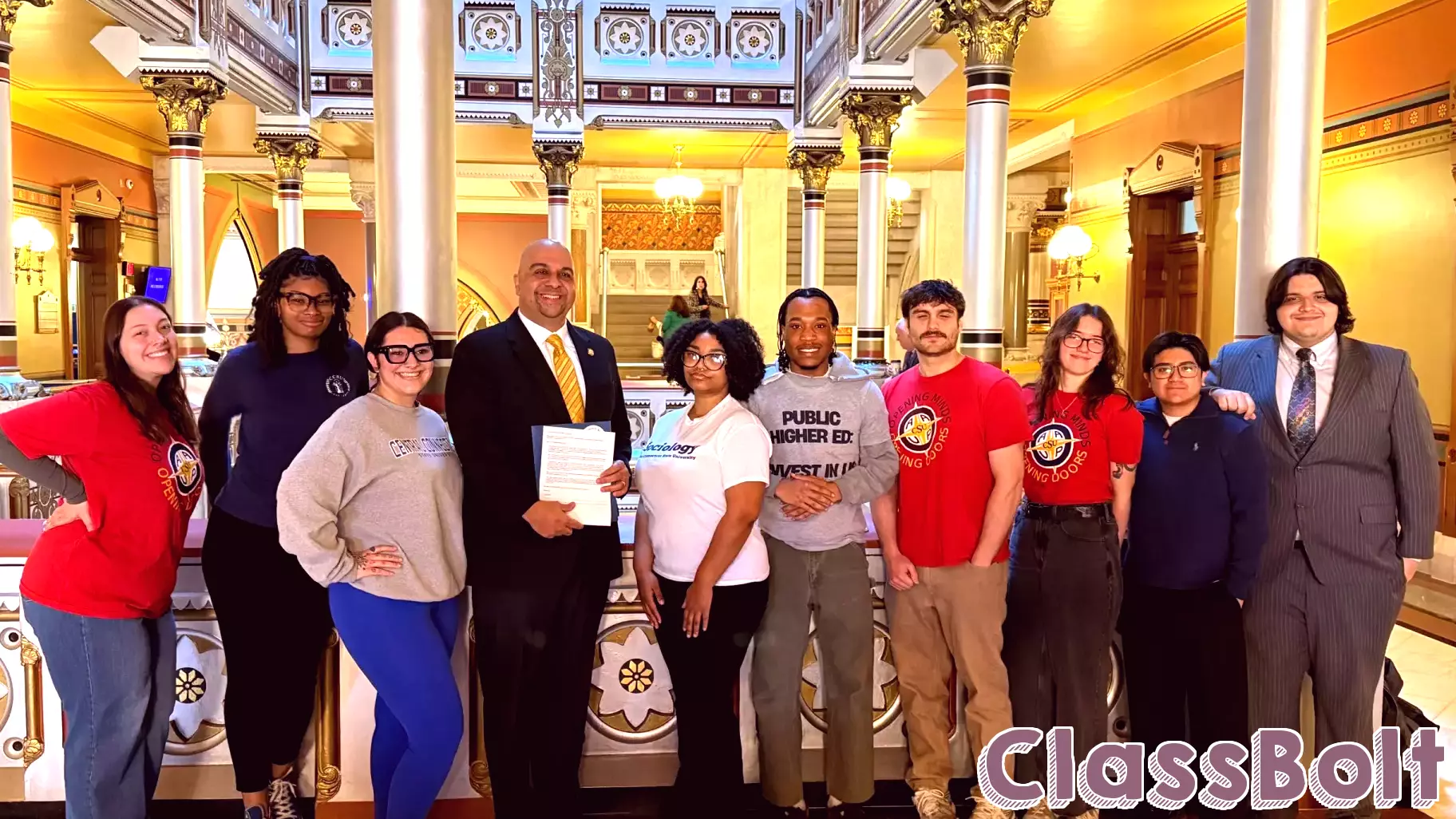
It is an unfortunate reality that the pursuit of higher education has become a financial burden for the majority of students. Across the nation, rising tuition costs, mounting student loan debt, and stagnant wages have created a system where a college degree—once seen as a ticket to the middle class—now often feels like a financial anchor. This growing crisis has reignited a critical debate: should a public education be attainable for all, regardless of economic background?
The core argument for universal access rests on the principle that education is a public good, not a private commodity. When a society invests in educating its citizens, the benefits ripple outward. A more educated workforce drives innovation, increases tax revenues, and reduces reliance on social services. Conversely, when education is priced out of reach, we risk entrenching inequality, limiting social mobility, and wasting human potential. The current model, which forces students to take on decades of debt, disproportionately harms low-income and first-generation students, who often face the steepest barriers to entry.
Proponents of reform advocate for a range of solutions, from tuition-free community college programs to expanded Pell Grants and income-driven repayment plans. Some states have already piloted programs that cover tuition for in-state students at public universities, funded by modest tax increases on high earners. Early results suggest these initiatives can boost enrollment and graduation rates without sacrificing academic quality. Critics, however, warn of the cost and question whether free tuition would devalue degrees or strain institutional budgets.
Yet the moral imperative remains clear. In a nation built on the promise of opportunity, the price of a diploma should not be a lifetime of debt. Making public education truly attainable is not just an economic necessity—it is a measure of our collective commitment to fairness and the belief that every student deserves a chance to succeed. The path forward demands political will, but the goal is one that benefits us all.
MORE NEWS

October 25, 2026 - 08:26
State education leaders visit Kenmore Junior/Senior High SchoolThe Ken-Ton School District hosted a team of state education leaders at Kenmore Junior/Senior High School on Tuesday, Oct. 20, to learn how the district is expanding graduation opportunities for...

October 24, 2026 - 17:29
Hardware Wildlife Education Center to host Turkey Tales exhibit in NovemberAs Thanksgiving approaches, the Division of Wildlife Resources is getting the Hardware Wildlife Education Center ready for its yearly Turkey Tales exhibit. Visitors will have the chance to learn...
October 24, 2026 - 00:59
Julio Salinas Discusses Rio Grande Valley Priorities in Texas House RaceJulio Salinas, a candidate for the Texas House, recently addressed key issues facing the Rio Grande Valley as he campaigns for House District 41. Salinas is running against Republican Gary Groves...
October 23, 2026 - 05:09
Education Official Cautions Against Sanctuary Campus Designation at University of UtahA high-ranking education official is pushing back against efforts to designate the University of Utah as a sanctuary campus for immigrant students, arguing that such a move could create legal and...