Federal Special Education Research Funding Faces Imminent Expiration
April 27, 2026 - 07:23
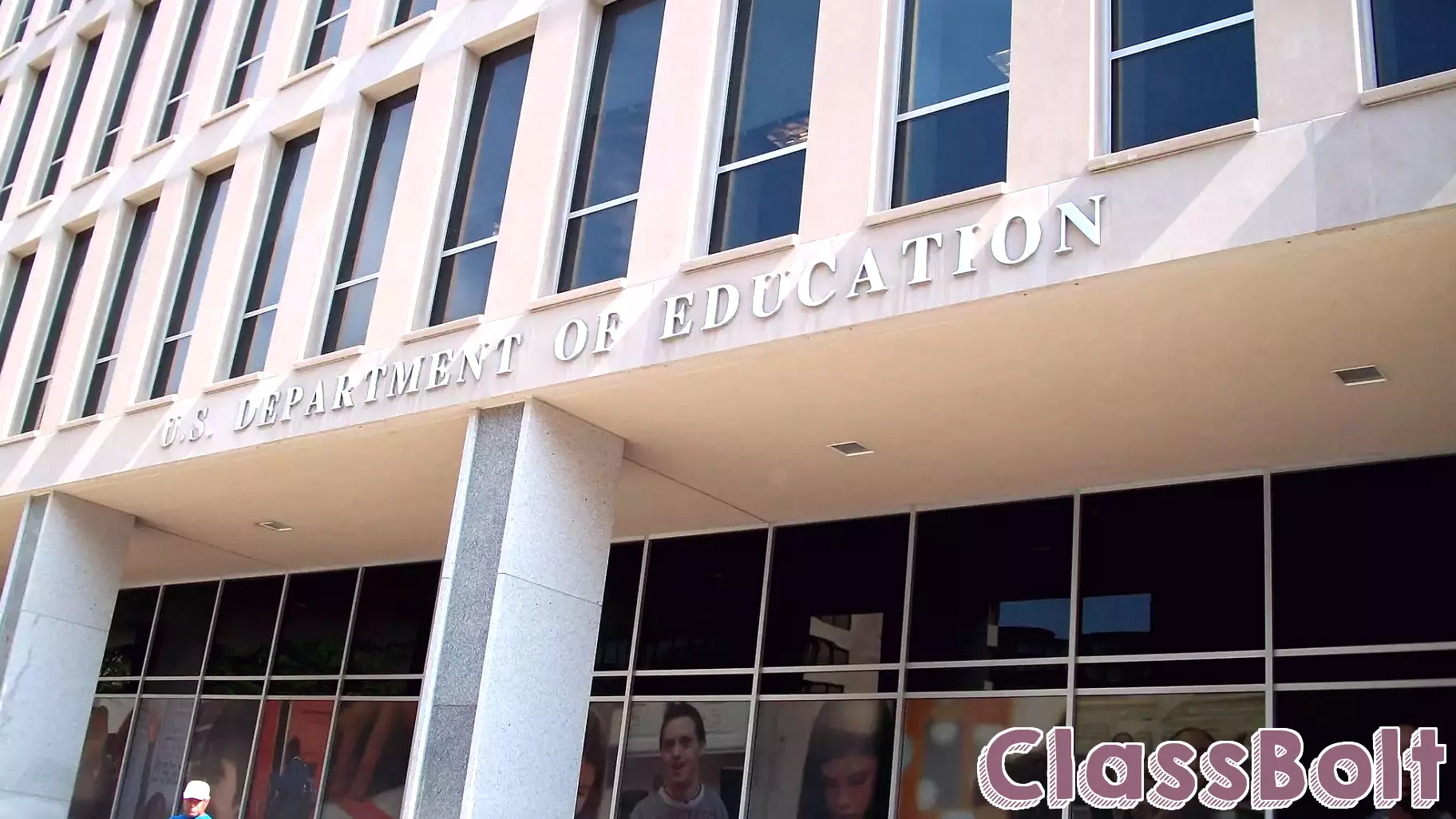
Congress has long required that tens of millions of dollars be allocated annually to investigate effective strategies and interventions in special education. However, a recent analysis raises serious concerns that the overwhelming majority of these funds may remain unspent before the current fiscal year ends. The U.S. Department of Education’s research arm, which oversees these grants, is reportedly struggling to disburse the money in time, potentially leaving critical studies unfunded and delaying progress for students with disabilities.
The funding, authorized under the Individuals with Disabilities Education Act (IDEA), supports projects ranging from early intervention techniques to classroom technologies for children with autism, dyslexia, and other learning challenges. Without timely expenditure, researchers warn that years of planning and pilot programs could collapse. “This isn’t just about money on paper,” said one policy analyst familiar with the situation. “It’s about real children who depend on evidence-based supports that we still don’t fully understand.”
The analysis, conducted by a nonpartisan education watchdog group, found that as of late summer, less than a quarter of the allocated $250 million had been obligated to specific research initiatives. Bureaucratic delays, shifting priorities within the department, and a backlog of grant applications are cited as primary causes. If the funds lapse, they would revert to the Treasury rather than being carried over, effectively canceling dozens of planned studies.
Advocacy organizations have begun urging lawmakers to intervene, either by extending the spending deadline or by streamlining the approval process. Meanwhile, special education directors in several states report that they are already bracing for a gap in knowledge that could affect classroom practices for years to come. The situation underscores a recurring tension between congressional mandates and the practical mechanics of federal grant-making, with the most vulnerable students caught in the middle.
MORE NEWS

October 24, 2026 - 00:59
Julio Salinas Discusses Rio Grande Valley Priorities in Texas House RaceJulio Salinas, a candidate for the Texas House, recently addressed key issues facing the Rio Grande Valley as he campaigns for House District 41. Salinas is running against Republican Gary Groves...

October 23, 2026 - 05:09
Education Official Cautions Against Sanctuary Campus Designation at University of UtahA high-ranking education official is pushing back against efforts to designate the University of Utah as a sanctuary campus for immigrant students, arguing that such a move could create legal and...

October 22, 2026 - 21:59
Education Salute 39: The After party.Those looking for the who, the what and the WEAR need to turn the page, or click your mouse, back to the front of Living It. I won`t be repeating myself except to make it clear that the unofficial...

October 22, 2026 - 12:17
Britain to Strengthen Holocaust Education as Schools Face Rising AntisemitismBritain will strengthen Holocaust education and require schools to address antisemitism as a specific safety risk following a major review of anti-Jewish hatred. The changes aim to give teachers...