Writing as a Process: From Idea to Final Draft
12 March 2026
Writing isn't just about putting words on paper—it's a journey. It starts with a tiny spark of an idea and ends with a polished final draft. But what happens in between? That’s where the magic (and sometimes the struggle) happens.
If you've ever stared at a blank page, unsure of where to begin, you're not alone. Writing is a step-by-step process that involves brainstorming, drafting, revising, and editing. Whether you're tackling an essay, an article, or a novel, understanding this process can make the task less daunting and more enjoyable.
So, let’s break it down. 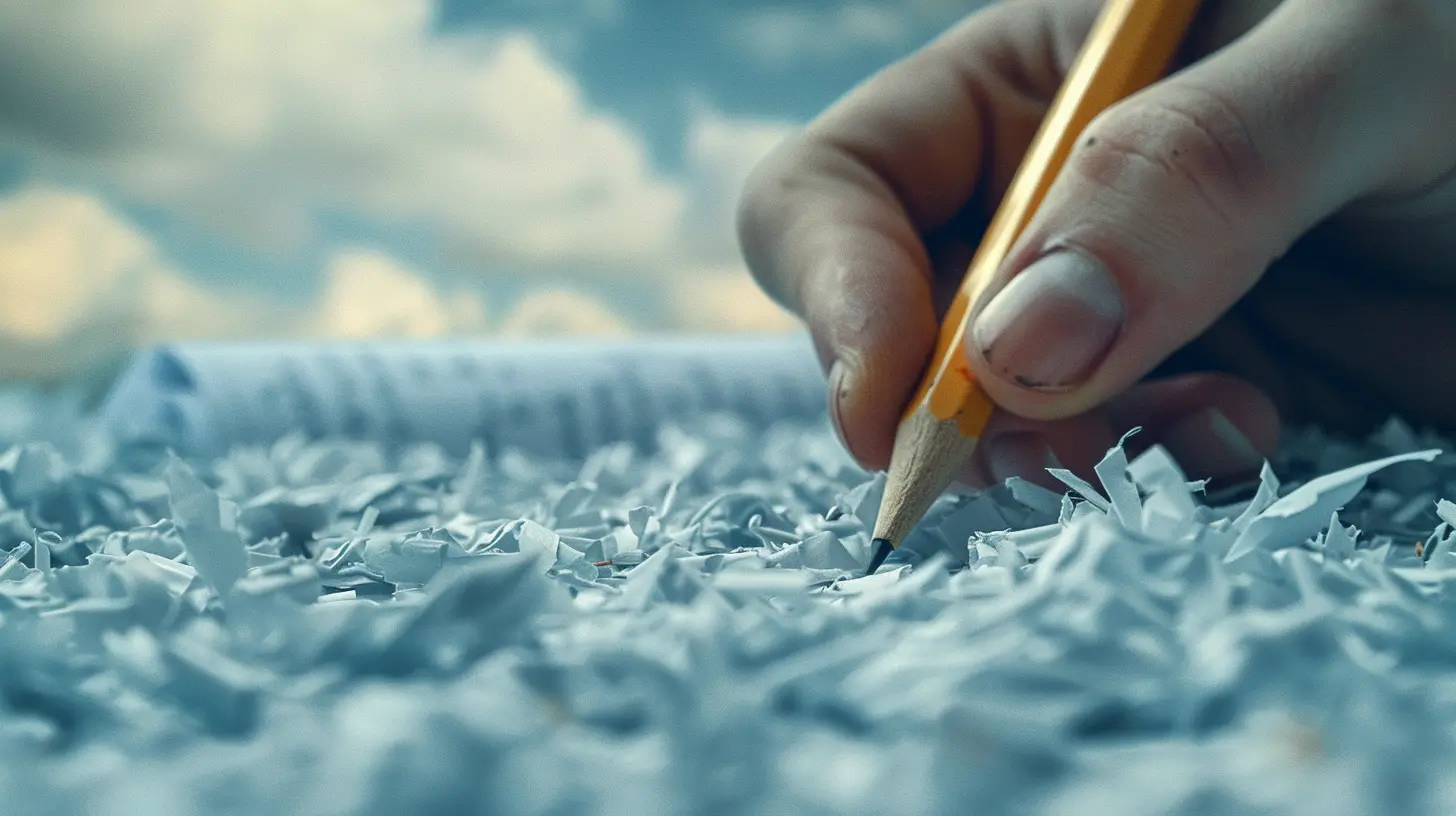
Step 1: Brainstorming – Where Ideas Take Shape
Ever had a random thought pop into your head that seemed too good to forget? That’s the first step of writing—coming up with ideas. But sometimes, ideas don’t just magically appear; you have to dig for them.How to Brainstorm Effectively
- Freewriting – Just start writing whatever comes to mind. No rules, no structure—just let the words flow.- Mind Mapping – Jot down your central idea in the middle of a page and build on it with related thoughts. This helps visualize connections between ideas.
- Asking Questions – Who? What? When? Where? Why? How? Answering these can help clarify your topic.
- Researching and Reading – Exploring other sources can spark new ideas and perspectives.
The goal here isn’t to write something perfect—it’s to get thoughts out of your head and onto paper. 
Step 2: Outlining – Giving Your Ideas Structure
Once you have your ideas, it's time to organize them. Think of an outline as a map—it guides you from start to finish.Why an Outline is Essential
- Helps keep your writing organized and focused.- Saves time by reducing the need for extensive revisions later.
- Provides a clear flow so your readers can follow your thoughts easily.
How to Create an Outline
1. Start with a Thesis Statement – What’s the main point you want to get across?2. Break It Down into Sections – Create main headings and subheadings for different parts of your piece.
3. Add Bullet Points – Under each section, list key points or arguments to cover.
A solid outline makes the drafting process much smoother. 
Step 3: Drafting – Turning Ideas into Words
Now comes the fun part—writing your first draft. This is where your ideas start coming to life.But here’s a secret: your first draft doesn’t have to be perfect. In fact, it won’t be. And that’s completely fine.
Tips for Writing a Strong First Draft
- Don't overthink – Just write. You can fix things later.- Write in chunks – Break it down into sections rather than tackling everything at once.
- Ignore grammar and spelling (for now) – Focus on getting your ideas down. Editing comes later.
- Follow your outline – But don’t be afraid to go off-script if inspiration strikes.
Think of your first draft as a rough sketch—it sets up the framework before you refine the details. 
Step 4: Revising – Refining Your Work
Once you have a draft, it’s time to revise. This is where your writing starts to take shape.What to Focus On During Revision
- Clarity – Are your ideas clear and easy to understand?- Flow – Do your paragraphs transition smoothly?
- Consistency – Are you sticking to your main argument or drifting off course?
- Strength of Arguments – Are your points well-supported with evidence or examples?
How to Revise Effectively
- Take a break first – Step away for a few hours (or days) so you can see your work with fresh eyes.- Read it out loud – This helps catch awkward phrasing and unnatural flow.
- Get feedback – A second pair of eyes can catch things you might miss.
Revision isn’t about fixing typos—it’s about strengthening your writing.
Step 5: Editing and Proofreading – Perfecting Your Draft
Now that your content is solid, it’s time for the final polish. Editing and proofreading ensure your writing is error-free and professional.Editing vs. Proofreading
- Editing focuses on improving structure, tone, and word choice.- Proofreading looks for spelling, grammar, and punctuation errors.
Techniques for Effective Editing and Proofreading
- Use Editing Tools – Grammarly, Hemingway Editor, or even Word’s spelling check can help.- Read Backwards – Start from the last sentence and read upward to catch overlooked mistakes.
- Print It Out – Mistakes are easier to catch on paper than on a screen.
Once you’ve made final tweaks, your draft is officially ready to be shared with the world!
Why Following the Writing Process Matters
Skipping steps in the writing process is like trying to bake a cake without mixing the ingredients properly—you might still get something, but it won’t turn out as expected.Each stage plays a crucial role in ensuring that your writing is clear, engaging, and well-structured. Whether you're writing a short essay or a full-length book, following this process can help you create something you're proud of.
Final Thoughts
Writing isn’t about being perfect on the first try—it’s about refining and improving along the way. So the next time you sit down to write, remember: take it one step at a time. Your words have power—use them wisely.all images in this post were generated using AI tools
Category:
Writing SkillsAuthor:

Zoe McKay
Discussion
rate this article
2 comments
Casey Reese
This article effectively highlights the iterative nature of writing, emphasizing how each draft refines ideas and enhances clarity, crucial for effective communication.
April 7, 2026 at 4:33 AM
Zoe McKay
Thank you! I'm glad you found the article emphasized the importance of revisions in the writing process. It's essential for clarity and effective communication.
Everett Warner
This insightful article highlights the importance of viewing writing as an iterative process. By embracing revision and feedback, writers can transform initial ideas into polished final drafts, enhancing both clarity and creativity in their work.
March 14, 2026 at 4:50 AM
Zoe McKay
Thank you for your thoughtful comment! I’m glad you found the article valuable in highlighting the iterative nature of writing. Embracing revision truly makes a difference!