The Benefits of Cross-Age Peer Tutoring
21 December 2025
In today’s fast-paced educational environment, finding effective and innovative ways to foster learning is critical. One approach that has been gaining traction over the years is cross-age peer tutoring. If you're unfamiliar with the concept, don't worry—I'm about to break it down in a way that makes perfect sense. By the end of this article, you'll not only understand what cross-age peer tutoring is but also why it's such a powerful tool for enhancing education.
So, let's dive in!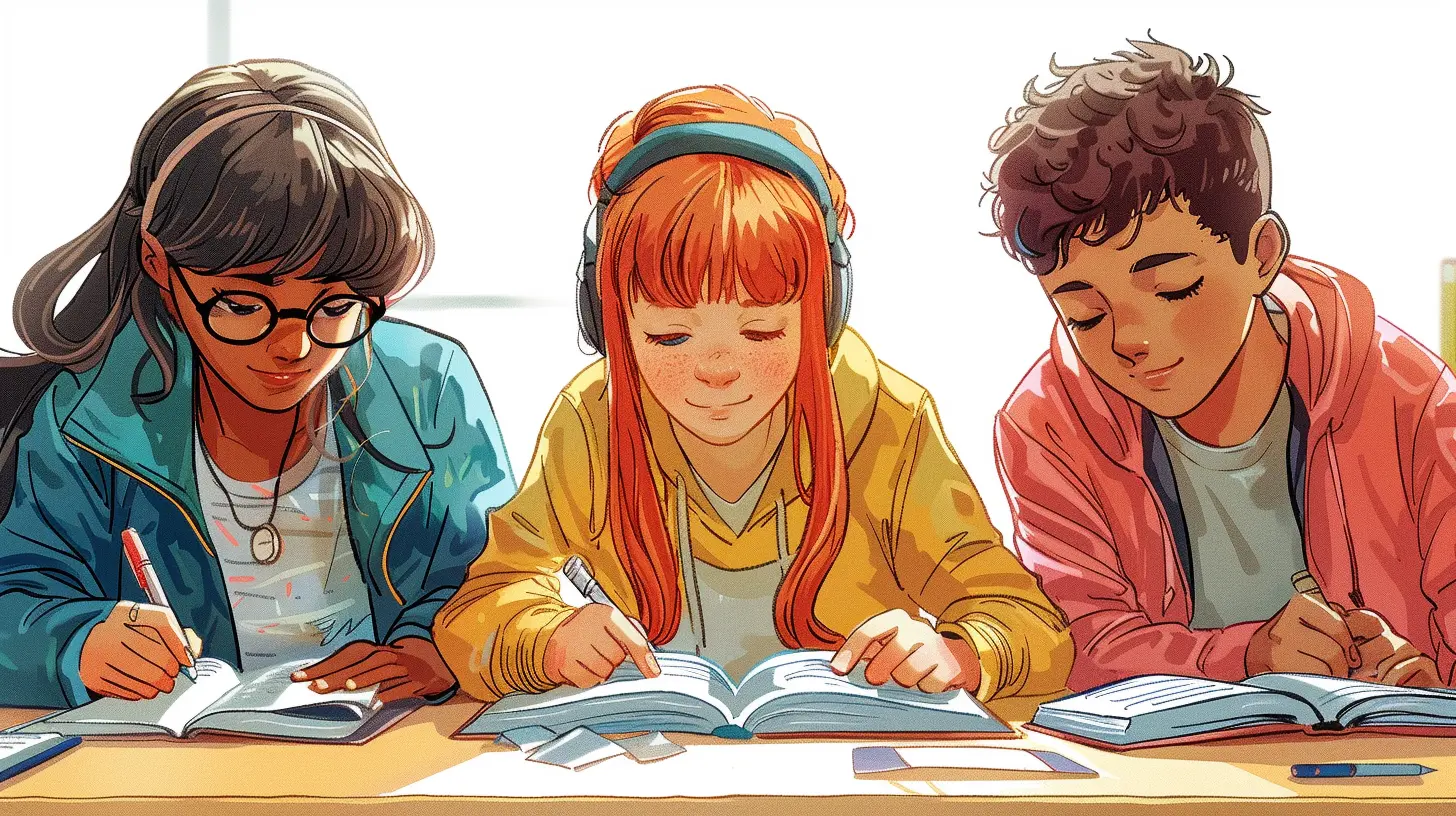
What Is Cross-Age Peer Tutoring?
Cross-age peer tutoring is a method of instruction where students from different age groups are paired together, typically with an older student serving as the tutor and a younger student as the tutee. The goal is for the tutor to help the younger student master academic concepts, while the tutor also benefits from reinforcing their own knowledge and gaining new skills.It’s like a two-way street of learning. Think of it as a mentoring program where both the mentor and the mentee grow and learn from each other. Pretty cool, right?
But why is this method becoming so popular? Well, the benefits go far beyond just improving grades. Let’s explore the advantages of cross-age peer tutoring and why more schools should consider implementing it.
1. Enhanced Learning for Both Tutor and Tutee
Tutee Benefits: Personalized Learning
Let’s start with the most obvious benefit—helping the younger or less experienced student. Cross-age peer tutoring allows younger students to receive more personalized attention than they might get in a typical classroom setting. The tutor can break down complex concepts into bite-sized pieces, making it easier for the tutee to understand.You know how sometimes a teacher’s explanation can seem a little too academic? Well, a peer tutor can often explain things in a way that’s more relatable and easier to grasp. It’s like having a friend explain something to you rather than a professor.
Tutor Benefits: Reinforcing Knowledge
But it’s not just the younger student who wins here! The older or more experienced student also gains something valuable—reinforcement of their own knowledge. As they teach, they are forced to break down the topic into simpler terms, which helps solidify their own understanding. Some say the best way to learn is to teach, and cross-age peer tutoring proves this point beautifully.
2. Improved Social and Emotional Skills
Building Confidence in Both Roles
One of the greatest aspects of cross-age peer tutoring is the confidence boost it gives to both the tutor and tutee.For the tutor, being placed in a leadership role can do wonders for their self-esteem. It feels pretty amazing to be seen as the "expert" on a subject, and this can translate into greater confidence not just in academics but in life in general. The tutee, on the other hand, benefits from receiving one-on-one attention in a low-pressure environment, which can help ease anxiety and build their confidence in tackling difficult subjects.
Developing Empathy and Communication Skills
In addition to building confidence, cross-age peer tutoring helps develop essential social skills. The tutor learns to communicate complex ideas in a simple and clear way, which is a valuable life skill in any domain. Meanwhile, the tutee learns how to ask questions and engage in problem-solving discussions.Both participants also build empathy. The tutor learns to be patient and understanding, while the tutee learns to trust someone else with their learning process. These are social skills that will serve both students well beyond the classroom.
3. Fostering a Positive Learning Environment
Breaking Down Social Barriers
Let’s be real: sometimes there’s a bit of an unspoken divide between age groups in schools. Older students tend to stick with their peers, and younger students can feel intimidated. Cross-age peer tutoring helps to break down these barriers, creating a more inclusive and positive school culture.When older students take on mentoring roles, they become role models, and the younger students no longer see them as unapproachable. This can create a more connected and supportive school environment where students of all ages feel like they belong.
Creating a Collaborative Learning Culture
Cross-age peer tutoring also promotes collaboration over competition. Often, students feel like they’re in a constant race to outdo their peers. But with peer tutoring, the focus shifts from competition to cooperation. It’s all about helping each other succeed, which fosters a sense of community and shared purpose.4. Academic Improvement for All Students
Boosting Academic Performance
Now, let’s talk numbers—because at the end of the day, one of the main goals of any educational strategy is to improve academic performance. Studies have shown that cross-age peer tutoring can significantly boost academic achievement for both tutors and tutees.Why? Because it’s a win-win. The tutee receives tailored instruction at their own pace, while the tutor reinforces their knowledge through teaching. This dual benefit can lead to improved test scores, better comprehension, and overall academic success.
Encouraging Active Learning
Unlike traditional classroom settings where students might passively absorb information, peer tutoring encourages active learning. Both the tutor and tutee have to actively engage in the material, whether through asking questions, explaining concepts, or solving problems together. This hands-on approach to learning helps students retain information much better than passive listening.5. Developing Leadership Skills
Giving Tutors Leadership Experience
For the older students, cross-age peer tutoring is a golden opportunity to develop leadership skills. As tutors, they are responsible for guiding the learning process, offering feedback, and ensuring the tutee stays on track.These are real-world leadership skills that can be applied in future academic and professional settings. It’s like a crash course in management, but instead of leading a team at work, they’re leading a peer in their learning journey.
Promoting Responsibility and Accountability
Along with leadership, tutors also learn responsibility and accountability. They know that the younger student is counting on them, which motivates them to show up prepared and take the role seriously. This is a valuable lesson in what it means to be accountable to others—something that will serve them well in all areas of life.6. Cost-Effective and Low-Resource Solution
Minimal Resources Required
One of the best things about cross-age peer tutoring is that it’s extremely cost-effective. Schools don’t need to invest in expensive tutoring programs or hire additional staff. All they need is a system for pairing older students with younger ones, and the program can practically run itself.Given the budget constraints many schools face, this makes peer tutoring an attractive option. It’s a high-impact, low-cost solution that benefits everyone involved.
7. Flexible and Adaptable
Tailored to Different Subjects and Skill Levels
Another major benefit of cross-age peer tutoring is its flexibility. It can be adapted to almost any subject—math, science, reading, you name it. Plus, it works for students of all skill levels. Whether a student is struggling or excelling, peer tutoring can be customized to meet their individual needs.It’s like a Swiss Army knife for education—versatile, easy to use, and incredibly effective.
8. Instilling Lifelong Learning Habits
Fostering a Growth Mindset
Finally, cross-age peer tutoring helps instill a growth mindset in both tutors and tutees. The process of teaching and learning from peers reinforces the idea that learning is a continuous journey rather than a destination. This can help students develop a love for learning that sticks with them long after they leave the classroom.Encouraging Self-Reflection
The reflective nature of peer tutoring—where both tutor and tutee think critically about what they’ve learned and how they’ve communicated—encourages students to adopt self-reflection as a lifelong habit. This not only helps them academically but also in personal growth and self-improvement.Conclusion: A Win-Win for Everyone
At the end of the day, cross-age peer tutoring is one of those rare educational strategies that benefits everyone involved. It improves academic performance, fosters social and emotional skills, creates a positive learning environment, and helps students develop leadership abilities. Plus, it’s cost-effective and adaptable to a variety of subjects and skill levels.So why not give it a shot? Whether you’re a teacher looking for new ways to engage your students, a parent curious about how to help your child, or even a student interested in becoming a peer tutor, cross-age peer tutoring has something to offer.
all images in this post were generated using AI tools
Category:
Peer TutoringAuthor:

Zoe McKay
Discussion
rate this article
2 comments
Jacob McFee
Who knew wisdom could be contagious? Cross-age peer tutoring isn’t just a feel-good initiative; it’s a game-changer. Let’s face it: sometimes the best lessons come from those who just survived the struggle! Age is just a number, folks!
February 2, 2026 at 5:21 AM
Zoe McKay
Absolutely! Cross-age peer tutoring harnesses valuable insights from real experiences, proving that learning can come from anyone, regardless of age. It’s a transformative approach!
Maren Heath
This article beautifully highlights the invaluable benefits of cross-age peer tutoring. Fostering connections between different age groups not only enhances academic learning but also builds empathy and social skills, enriching the educational experience for all involved. Thank you for sharing!
December 22, 2025 at 4:17 AM
Zoe McKay
Thank you for your thoughtful comment! I'm glad you found the article highlights the valuable impact of cross-age peer tutoring on learning and social connections.