Unlocking the Power of Peer Tutoring in the Classroom
11 February 2026
Ever noticed how students often explain things to each other better than teachers do? It's not because the teacher lacks skills or knowledge—far from it. It’s because sometimes, hearing a concept from someone who's just recently learned it makes the information stick in a different way. That’s the magic of peer tutoring.
In this article, we'll dive deep into how peer tutoring works, why it’s such a powerful tool in the classroom, and how you can effectively implement it without turning your class into chaos. Whether you're a teacher looking for new strategies, a parent interested in educational tools, or a student curious about learning hacks, stick around—this might just change how you view learning forever.
What Is Peer Tutoring, Really?
Let’s strip down the jargon. Peer tutoring simply means students helping other students learn. Usually, it’s when a more knowledgeable or more skilled student works with a peer to explain concepts, work through problems, or offer feedback. This can happen one-on-one, in small groups, or even within a whole-class setup.It’s not tutoring in the traditional, rigid sense. There’s no fancy office, hourly fees, or formal sessions. It’s flexible, informal, and incredibly effective when done right.
Why Does Peer Tutoring Work So Well?
The beauty of peer tutoring lies in its simplicity and relatability. Here's a glimpse into why it works so amazingly:💡 It Bridges the Communication Gap
Teachers sometimes speak a different “language” than students. Not literally, of course—but in complexity and presentation. A peer, on the other hand, can explain it in plain terms. It’s like getting directions from someone who's just walked the same path.🧠 It Reinforces Learning for the Tutor
Have you ever tried to teach someone else? You realize how well (or not-so-well) you actually know the material. Tutors consolidate their understanding while teaching, which deepens their own learning.💬 It Builds Confidence
Students gain a huge confidence boost by tutoring others. They feel proud, capable, and accomplished. And the tutees? They often feel more comfortable asking questions and expressing confusion to a peer rather than to a teacher.👥 It Promotes Collaboration Over Competition
When students work together, they begin to see learning as a team effort rather than a race. It nurtures a more positive and cooperative classroom environment.
Types of Peer Tutoring You Can Try
There's no one-size-fits-all approach here. Depending on your goals, you can tailor your peer tutoring sessions in various ways:1. Same-Age Peer Tutoring
Students from the same grade or class level tutor each other. Perfect for group projects or pair assignments.2. Cross-Age Peer Tutoring
Older students help younger ones. Think of a fifth grader helping a second grader read. This not only helps the younger student academically but builds leadership skills in the older one.3. Reciprocal Peer Tutoring
Here, students take turns acting as tutor and tutee. It keeps the dynamic balanced and encourages shared responsibility for learning.4. Online Peer Tutoring
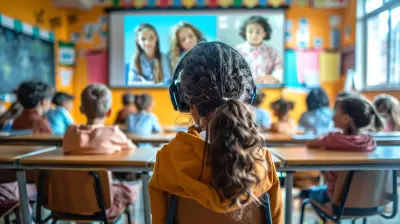
Thanks to tech, peer tutoring doesn’t have to be face-to-face. Platforms like Google Meet or Zoom can host virtual peer sessions, making it easier to connect across classes, schools, or even regions.
Getting Started: Setting Up Peer Tutoring in Your Classroom
Okay, you're convinced peer tutoring is worth a shot. So how do you actually get it rolling? Follow these practical steps:✅ Step 1: Define Clear Learning Objectives
Before pairing students up, you need to know what skills or content you want them to focus on. Is it math problem-solving? Literature analysis? Grammar rules? Be specific.✅ Step 2: Choose (or Let Students Choose) the Right Partners
You can assign pairs based on ability levels, personalities, or even learning styles. In some cases, letting students pick their partners works too—just monitor closely to avoid distractions.✅ Step 3: Set Expectations and Provide Training
Don’t just throw them into the deep end. Teach students how to ask open-ended questions, give constructive feedback, and be active listeners. A brief training session goes a long way.✅ Step 4: Monitor and Support
While peer tutoring is student-led, teacher guidance is critical. Observe sessions, offer feedback, and step in if things go off track. Encouragement and structure are key.✅ Step 5: Reflect and Adjust
After each session, ask students to reflect: What worked? What didn’t? What do they need help with next time? This promotes ownership and continuous improvement.Common Challenges (And Smart Solutions)
Like any educational strategy, peer tutoring comes with its own set of challenges. Luckily, they’re totally manageable.❌ Students Feel Unequal or Embarrassed
Nobody likes being labeled the “weaker” student. Avoid this by using neutral terms like "learning partners" instead of "tutor" and "tutee." Also, rotate roles if possible.❌ Sessions Turn Into Social Hour
Yup, it happens. Monitor interactions and set time limits. You can even provide a list of “conversation starter” questions related to the material to keep them on track.❌ Mismatched Skill Levels
Not every student-tutor combo works perfectly. Be open to reassigning partners and tweaking the format to suit individual needs.Amazing Benefits You Might Not Expect
Sure, we’ve talked about academic improvement—better test scores, enhanced understanding, yadda yadda. But that’s just the beginning.🌱 Emotional Growth
Students develop empathy, patience, and social awareness. They learn to respect different learning styles and support one another.🧩 Improved Classroom Culture
When students are invested in each other’s growth, the class vibe transforms. It becomes more inclusive, more respectful, and way more positive.🚀 Leadership and Responsibility
Peer tutors naturally adopt leadership roles. They become ambassadors of learning, leading to increased motivation and personal growth.Real-Life Examples That’ll Inspire You
Let’s look at a few real-world scenarios that show just how impactful peer tutoring can be.🎓 High School Math Team
At one high school, peer tutors helped classmates after school twice a week. Within a semester, failing math grades dropped by 30%. Even better? The “tutors” reported increased confidence and deeper understanding for their own upcoming SATs.📚 Elementary Reading Buddies
A school paired fifth graders with first graders for weekly reading sessions. Not only did reading scores improve for both groups, but classroom discipline issues also went down. Win-win!🖥️ Virtual Peer Groups During Remote Learning
During the pandemic, one middle school used Zoom to organize peer tutoring groups. Isolation and Zoom fatigue took a hit, but students felt more connected and supported, and grades remained steady despite the chaos.Tips to Supercharge Your Peer Tutoring Program
Want to take it to the next level? These bonus tips will make your peer tutoring sessions even more impactful:- Use a reward system (think praise notes, badges, or small prizes)
- Create “tutor toolkits” with question prompts and feedback phrases
- Mix up formats—try role-playing, games, or peer-led mini-lessons
- Get feedback from students regularly to make improvements
Final Thoughts: Small Change, Big Impact
Implementing peer tutoring doesn’t have to overhaul your entire lesson plan. Sometimes, just 15 minutes a week can bring massive results. The secret sauce? Allowing students to take ownership of their learning and work collaboratively.It’s like planting little seeds of leadership, responsibility, and empathy—and those seeds grow into confident, capable learners. So why not give it a shot? You might be unlocking more than just academic potential.
all images in this post were generated using AI tools
Category:
Peer TutoringAuthor:

Zoe McKay
Discussion
rate this article
2 comments
Zevros Wheeler
Thank you for this insightful article! The benefits of peer tutoring in fostering collaboration and enhancing learning outcomes are truly valuable. It's inspiring to see strategies that empower students to support each other. I look forward to implementing these ideas in my classroom!
March 18, 2026 at 12:09 PM
Zoe McKay
Thank you for your kind words! I'm glad you found the article helpful and inspiring. Best of luck implementing these strategies in your classroom!
Jennifer Wade
Peer tutoring fosters collaboration, empathy, and deeper understanding, cultivating a community of learners that enriches education.
February 16, 2026 at 5:13 AM
Zoe McKay
Thank you for your insightful comment! I wholeheartedly agree that peer tutoring not only enhances academic understanding but also builds essential social skills within a collaborative learning environment.