Incorporating Hands-On Learning to Keep Students Engaged
3 February 2026
Let’s face it—most students don’t get excited about sitting through another lecture-heavy class, especially when they’re already distracted by smartphones, social media, and a thousand other things pulling at their attention. That’s where hands-on learning comes in. Think of it as the “get your hands dirty” approach to education. It’s immersive, personal, and honestly? Way more fun.
In this article, we’ll dive deep into how incorporating hands-on learning can completely change the game when it comes to student engagement. Whether you're a seasoned educator or just starting your teaching journey, you’ll find strategies, examples, and tips that can spark life back into your classroom.

What Is Hands-On Learning, Exactly?
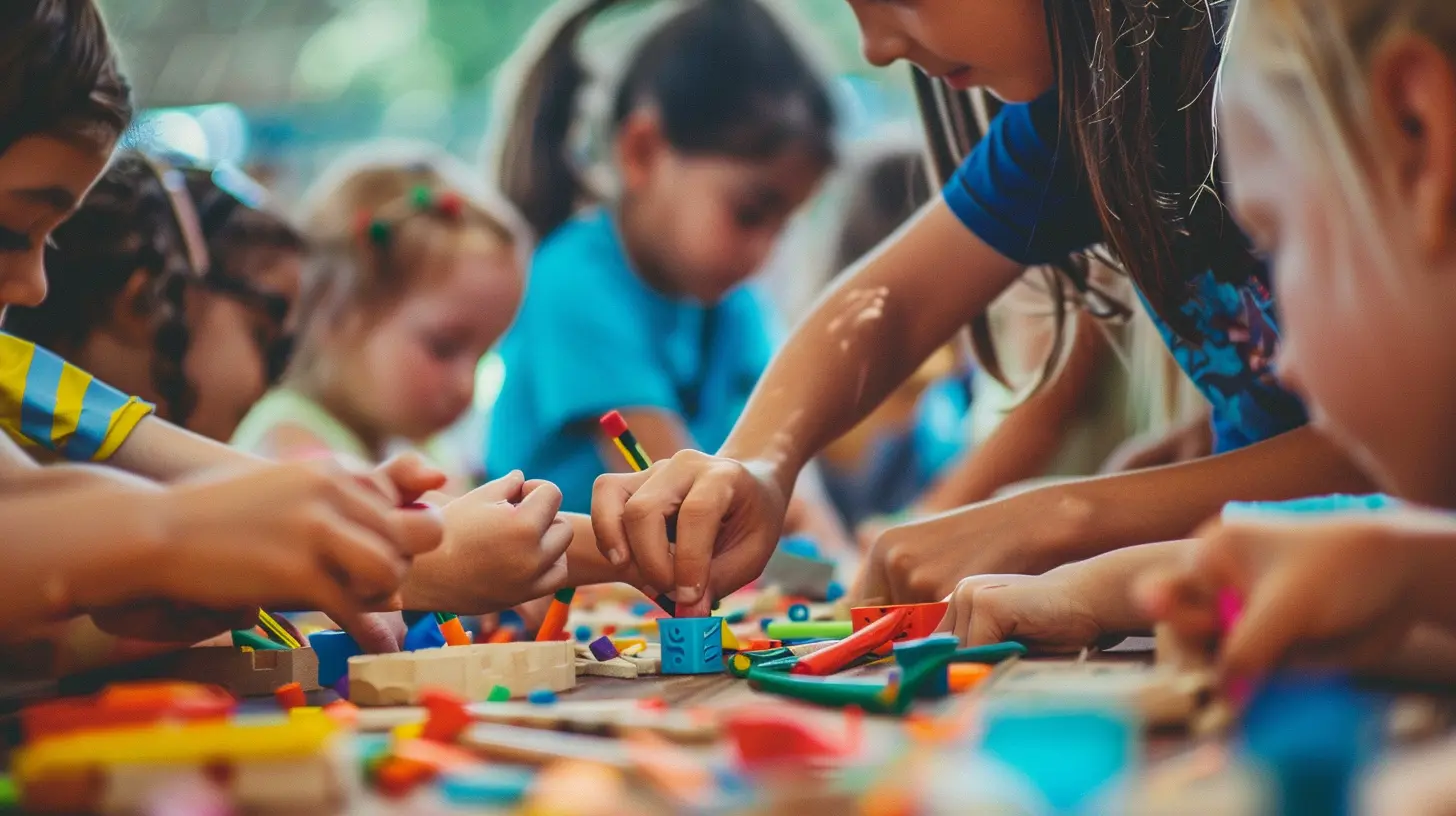
Alright, before we go any further—let’s clear up what hands-on learning really means. Simply put, it's doing rather than just listening or watching. Instead of passively taking in information, students are actively involved in the learning process.Imagine students building a working model of a volcano rather than reading about eruptions from a textbook. Or conducting experiments in a lab instead of watching a video demonstration. That’s hands-on learning—also known as experiential learning or learning by doing.
It’s the difference between watching a cooking show and actually cooking a meal. Sure, one is easier, but the other? Way more satisfying and memorable.
Why Does Hands-On Learning Boost Engagement?
Here's the thing: when students physically interact with the subject matter, their brains become more active. They build connections faster, retain information longer, and—most importantly—stay engaged.1. Active Involvement Means Less Boredom
When students are part of the action, there’s no room to zone out. They’re participating, solving problems, and making decisions. It’s like turning class into a quest instead of a lecture.2. Appeals to Different Learning Styles
Not everyone learns the same way. Some students absorb information by reading, others by hearing, and many by doing. Hands-on learning gives kinesthetic learners (those who learn by doing) a fighting chance to shine.3. Encourages Collaboration and Communication
Hands-on activities often involve group work—think lab experiments, building projects, or team presentations. This naturally fosters teamwork, communication skills, and a sense of community in the classroom.4. Builds Real-World Skills
When students build, design, experiment, and apply concepts in a meaningful way, they don’t just memorize—they understand. That’s the kind of learning that sticks and translates to real-world success.
Examples of Hands-On Learning in Action
Okay, so how does this look in real life? Let’s check out some examples across different subjects.Science Classes
- Lab Experiments: Instead of reading about chemical reactions, students conduct them.- Field Trips: Visiting a science museum, a botanical garden, or a recycling plant.
- Model Building: Constructing cell models or demonstrating physics principles with everyday items.
Math Classes
- Math Manipulatives: Using blocks, shapes, or fraction tiles to grasp abstract concepts.- Budget Projects: Creating a budget for a mock vacation or a household, applying real numbers.
- Geometry in Art: Drawing or building shapes to understand spatial relationships.
Language Arts
- Role Play: Acting out scenes from a play or novel to understand character motivations.- Storyboards and Comic Strips: Visual storytelling to outline plot and character development.
- Writing Workshops: Peer feedback sessions and interactive editing.
History and Social Studies
- Simulations and Role-Playing: Recreating historical events, debates, or mock trials.- Artifact Analysis: Studying replicas or images of historical items and documents.
- Interactive Timelines: Students creating and presenting timelines with visuals and stories.
Vocational and Technical Education
- Shop Projects: Building furniture, engines, or circuits depending on the course focus.- Culinary Labs: Cooking and baking as a way to understand measurement, chemistry, and time management.
- Internships and Job Shadowing: Real-world experience outside the classroom.

How to Start Incorporating Hands-On Learning into Your Classroom
Feeling inspired but wondering how to start? Here are some easy, practical steps to get the ball rolling.1. Start Small
Begin with a single hands-on activity. You don’t need a whole curriculum makeover. Try a class project, a group activity, or a DIY assignment. Get a feel for what works with your students.2. Use What You Have
You don’t need fancy tech or expensive materials. Everyday items like paper, cardboard, markers, or even recyclables can become tools for creativity and construction.3. Align with Learning Objectives
Make sure every activity is rooted in what you want students to learn. Hands-on learning isn’t just about “fun and games”—it’s purposeful action that supports academic goals.4. Facilitate, Don’t Dominate
In hands-on learning, you’re more of a guide than a lecturer. Let students explore, ask questions, and lead the way (within reason, of course).5. Reflect and Discuss
After the activity, always make time for discussion. What did students learn? What challenged them? What would they do differently? This reflection reinforces their learning.Overcoming Common Challenges
Let’s be real—it’s not always smooth sailing. Here are a few hurdles teachers might face (and how to jump over them).Time Constraints
Yep, hands-on activities can take more time. Solution? Integrate them strategically. Try project-based learning that spans several classes, or rotate stations to keep things moving.Limited Resources
No budget? No problem. Use low-cost or free materials. Encourage students to bring supplies from home or reuse items creatively. Online resources can also offer printable templates, lesson plans, and guided activities.Classroom Management
Hands-on learning can get noisy and messy. That's part of the magic—but structure is key. Set ground rules, assign roles, and keep tasks clearly defined.Curriculum Pressure
If you’re crunched to “teach to the test,” it may feel hard to justify hands-on detours. Here’s the trick: match active learning with the standards. A science experiment can teach the scientific method just as well—if not better—than a worksheet.
The Role of Technology in Hands-On Learning
Old-school hands-on learning is amazing—but let’s not forget: we’re in the 21st century. When used right, tech can take experiential learning to the next level.- Augmented Reality (AR): Let students explore human anatomy or ancient ruins virtually with apps.
- Coding & Robotics: Build your own robot? Yes, please.
- Gamified Learning Platforms: Solve math puzzles, simulate economies, or conduct virtual labs.
- Multimedia Projects: Students can create podcasts, documentaries, designs, or music videos.
The key is balance. Use technology as a tool—not a crutch—to create deeper, richer learning experiences.
Real Stories From Real Classrooms
Let’s hear it from the trenches. Teachers who’ve embraced hands-on methods often report incredible transformations:> “I had a student who never participated—but after we started building a city model in social studies, he became our lead architect. He presented with confidence and owned that project like a pro.”
> —Ms. Jensen, 6th Grade
> “Using real money in our budget project helped my students understand decimal places better than any worksheet ever could.”
> —Mr. Patel, Math Teacher
These stories are the heartbeat of why hands-on learning matters. It’s not just about academic outcomes—it’s about helping students see their own potential.
Final Thoughts
Incorporating hands-on learning isn’t a luxury—it’s a necessity in today’s attention-starved, tech-saturated classrooms. It brings life into your teaching, turns students into active participants, and helps knowledge stick like glue.You don’t need to be Pinterest-perfect. Just start where you are. Try one activity. Then another. Let your students get their hands dirty, make mistakes, and discover along the way.
Because when learning feels real, students don’t just learn—they engage, grow, and remember.
all images in this post were generated using AI tools
Category:
Student EngagementAuthor:

Zoe McKay
Discussion
rate this article
2 comments
Velvet Clark
Great insights! Hands-on learning truly enhances engagement and fosters deeper understanding in students.
March 8, 2026 at 1:47 PM
Zoe McKay
Thank you! I completely agree—hands-on learning really brings concepts to life and makes education more impactful.
Drake Pope
Great insights! Hands-on learning truly enhances engagement and retention. It's essential for fostering curiosity and creativity in students.
February 7, 2026 at 4:38 AM
Zoe McKay
Thank you! I completely agree—hands-on learning is key to sparking curiosity and enhancing retention.