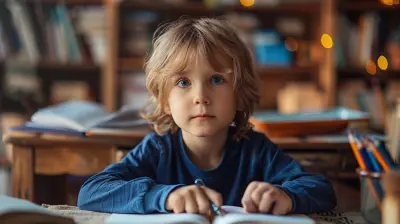
The Role of Peer Tutoring in Preparing Students for College
1 February 2026
Introduction
Let's be real—college prep can feel like training for the academic Olympics. You're juggling assignments, SAT scores, extracurriculars, and maybe even a part-time job. It's overwhelming! But there’s a secret weapon many students underestimate: peer tutoring.
Think of peer tutoring as the academic equivalent of having a gym buddy. It’s when students help each other learn, reinforcing concepts in a way that feels less like a lecture and more like a conversation. And guess what? It’s one of the best tools to sharpen those college-ready skills.
So, how exactly does peer tutoring set students up for success in college? Let’s break it down.
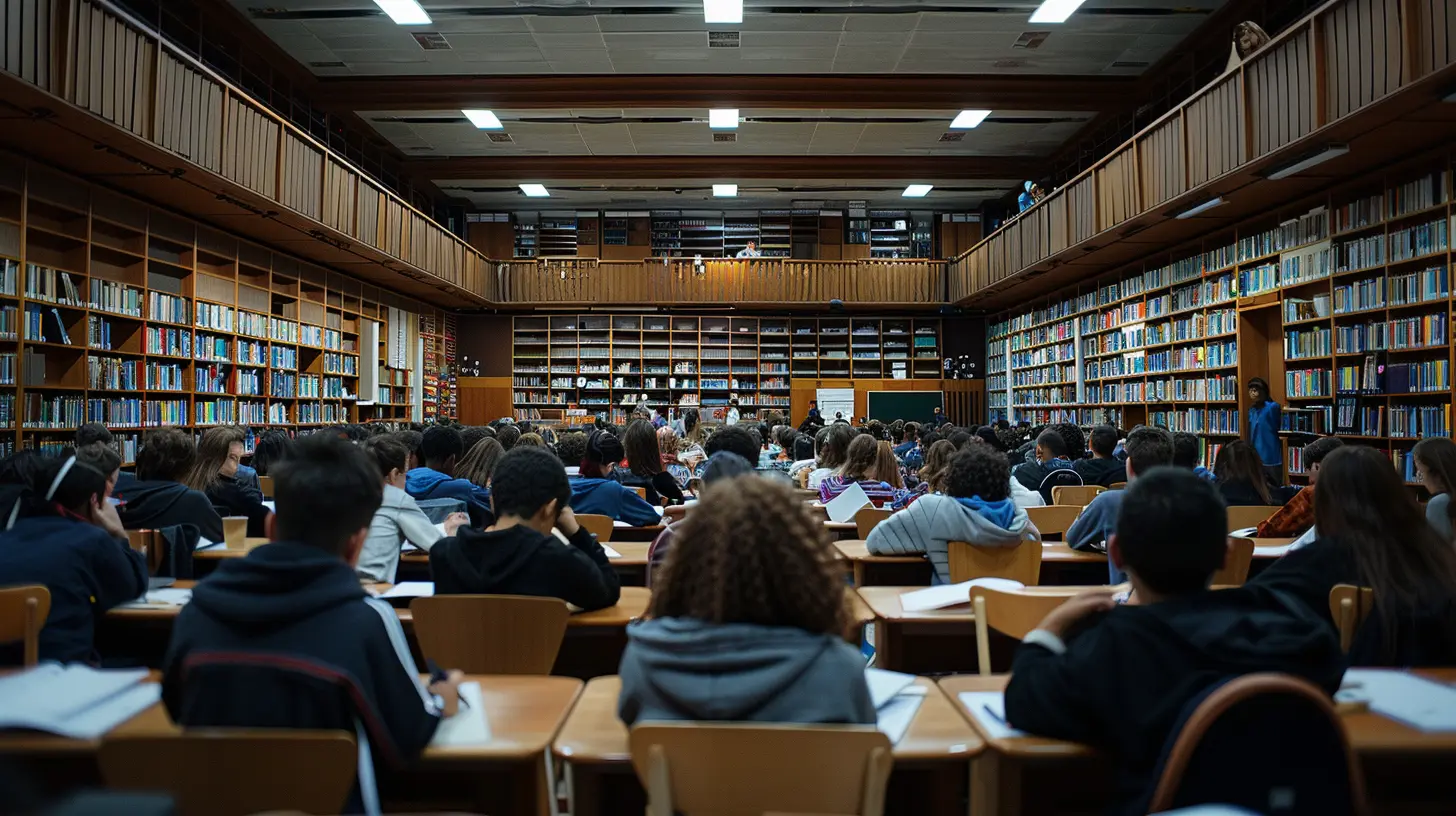
What Is Peer Tutoring?
In the simplest terms, peer tutoring is when students step in as mini-professors to help their classmates understand tricky concepts. It happens in classrooms, study groups, or even casual coffee shop meetups.Unlike traditional tutoring with a professional educator, peer tutoring is more relatable, engaging, and often less intimidating. It's learning from someone who’s been there, struggled with that, and found a way to master it.

How Peer Tutoring Prepares Students for College
1. Strengthens Academic Foundations
College isn't just about passing exams—it’s about truly understanding the material. Peer tutoring reinforces learning in a way that sticks. When students teach each other, they break down complex ideas into digestible, real-world explanations.Ever struggled to grasp a math formula until a friend explained it in a way that actually made sense? That’s the magic of peer tutoring. It reaffirms classroom lessons while filling in the gaps traditional teaching might leave behind.
2. Boosts Confidence and Communication Skills
College runs on discussion-based learning, group projects, and (unfortunately) a ton of presentations. If public speaking gives you cold sweats, peer tutoring helps ease those fears.When students regularly explain concepts to their peers, they get used to articulating ideas clearly. This confidence carries over to college, making group discussions and presentations feel like second nature.
3. Encourages Critical Thinking
Let’s be honest: college professors won’t spoon-feed information. They expect students to analyze, question, and apply concepts independently.Peer tutoring promotes this mindset. When students help each other, they ask deeper questions, challenge assumptions, and explore alternative solutions. It’s not about memorizing facts—it’s about mastering the art of thinking critically.
4. Develops Time Management and Responsibility
Balancing coursework in college is like juggling flaming swords—one misstep, and your GPA takes a hit. Peer tutoring teaches students how to manage their time effectively.Tutors need to prepare materials, schedule sessions, and ensure they’re staying on top of their own studies. This experience mirrors the self-discipline required to excel in college.
5. Promotes Collaborative Learning
Newsflash: College isn’t a solo mission. Whether it's study groups, research projects, or late-night cramming sessions in the library, teamwork is essential.Peer tutoring fosters a collaborative spirit, teaching students how to work with others, communicate effectively, and learn from different perspectives—all skills that will be invaluable in a university setting.
6. Reduces Test Anxiety
Test anxiety is real, and it can hit hard when you’re staring at a confusing question with no clue where to start. Peer tutoring helps students feel more prepared and less stressed.When students repeatedly explain concepts to others, they reinforce their own understanding. By the time exams roll around, there's less anxiety because the material feels more familiar and manageable.
7. Encourages a Growth Mindset
In college, setbacks are inevitable—failed quizzes, tough assignments, overwhelming workloads. The difference between struggling and thriving is having a growth mindset.Peer tutoring instills the idea that mistakes aren’t failures; they’re learning opportunities. Students supporting each other creates an environment where asking questions and making errors is totally okay. This mindset shift is a game-changer when tackling college-level challenges.

The Hidden Perks of Peer Tutoring
Aside from the obvious academic benefits, peer tutoring comes with some unexpected—and pretty awesome—side effects.Networking and Friendships
Let’s face it—studying alone can be a drag. Peer tutoring builds connections that often turn into lifelong friendships. And in college, having a strong support system makes all the difference.Resume and Leadership Experience
College applications and future job prospects love to see leadership experience. Being a peer tutor showcases initiative, teaching skills, and responsibility—qualities that stand out to admissions officers and employers alike.A Fresh Perspective on Learning
Sometimes, teachers follow a strict curriculum that doesn’t always match how students best absorb information. Peer tutors can break things down in creative, relatable ways, making learning more engaging and enjoyable.
How to Get Involved in Peer Tutoring
If you’re intrigued and thinking, "Okay, I need this in my life," here’s how to get started:- Check with your school – Many schools have official peer tutoring programs and study groups.
- Join or create a study group – Gather a group of friends and designate tutoring sessions based on each person’s strengths.
- Offer help informally – Helping a friend with homework? Congrats, you're already a peer tutor!
- Sign up for online peer tutoring programs – Websites and platforms offer student-to-student tutoring options.
Final Thoughts
College prep doesn’t have to be a lonely, stressful journey. Peer tutoring makes the process smoother, more engaging, and even fun. It boosts confidence, communication, collaboration, and problem-solving skills—all essential for thriving in higher education.So, whether you're struggling with calculus or absolutely crushing your history assignments, consider becoming a peer tutor (or finding one). The benefits stretch far beyond high school, setting you up for a successful college experience and beyond.
all images in this post were generated using AI tools
Category:
Peer TutoringAuthor:

Zoe McKay
Discussion
rate this article
2 comments
June Hardy
This article intriguingly highlights how peer tutoring fosters collaboration and communication skills essential for college success. I'm curious about specific examples of peer tutoring programs and their measurable impact on student preparedness. Great insights overall!
March 7, 2026 at 11:37 AM
Zoe McKay
Thank you for your thoughtful comment! Some effective peer tutoring programs include the Peer Academic Leadership program at universities like UNLV and the SI program at many community colleges, both of which have shown significant improvements in student GPA and retention rates. I'm glad you found the insights valuable!
Sophia Campbell
Peer tutoring is a powerful tool that not only enhances academic skills but also fosters essential interpersonal connections, preparing students for the collaborative nature of college life. It's a win-win!
February 8, 2026 at 11:24 AM
Zoe McKay
Thank you for your insightful comment! I completely agree—peer tutoring indeed empowers students both academically and socially, making it a vital part of their college preparation.