The Role of Peer-to-Peer Learning in Virtual Classrooms
8 January 2026
The rise of online education has revolutionized the way we learn. Virtual classrooms have become the new norm, bringing together students from different backgrounds, time zones, and perspectives. But here's the thing—learning in an online space can sometimes feel isolating. Without face-to-face interaction, students may struggle with engagement, collaboration, and motivation.
That’s where peer-to-peer learning comes in. Instead of relying solely on instructors, students learn from each other through discussions, collaboration, and shared experiences. In virtual classrooms, this type of learning can break down barriers, foster creativity, and improve knowledge retention. But how does it work, and why is it so effective?
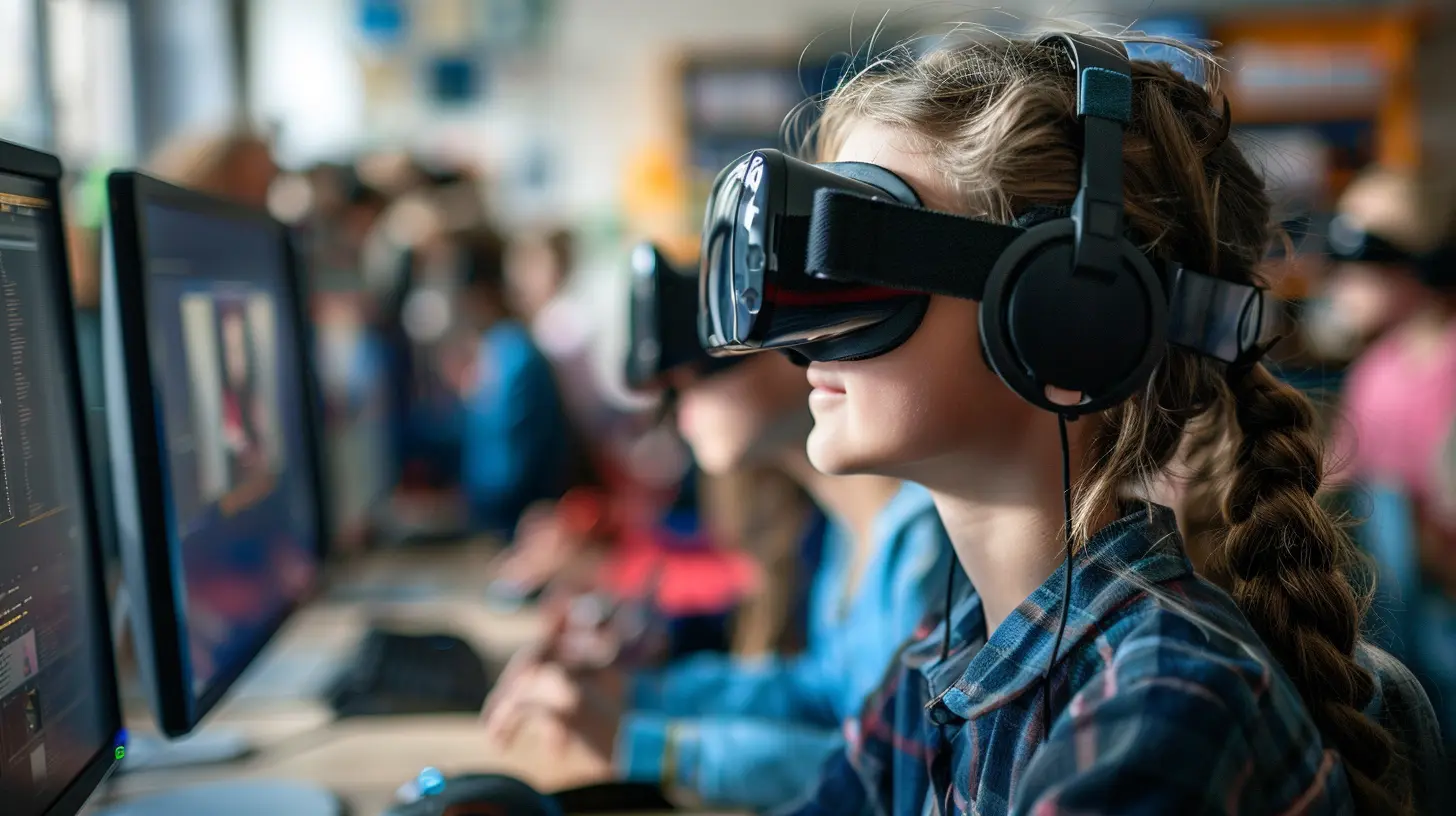
What Is Peer-to-Peer Learning?
Peer-to-peer learning (P2P learning) is an educational approach where students teach and learn from one another. It shifts the traditional teacher-centered model to a more collaborative and interactive learning experience.Think of it like a gym workout. Sure, you can exercise alone, but having a workout buddy pushes you to do better. In the same way, P2P learning encourages students to actively participate, discuss, and develop a deeper understanding of the subject matter.
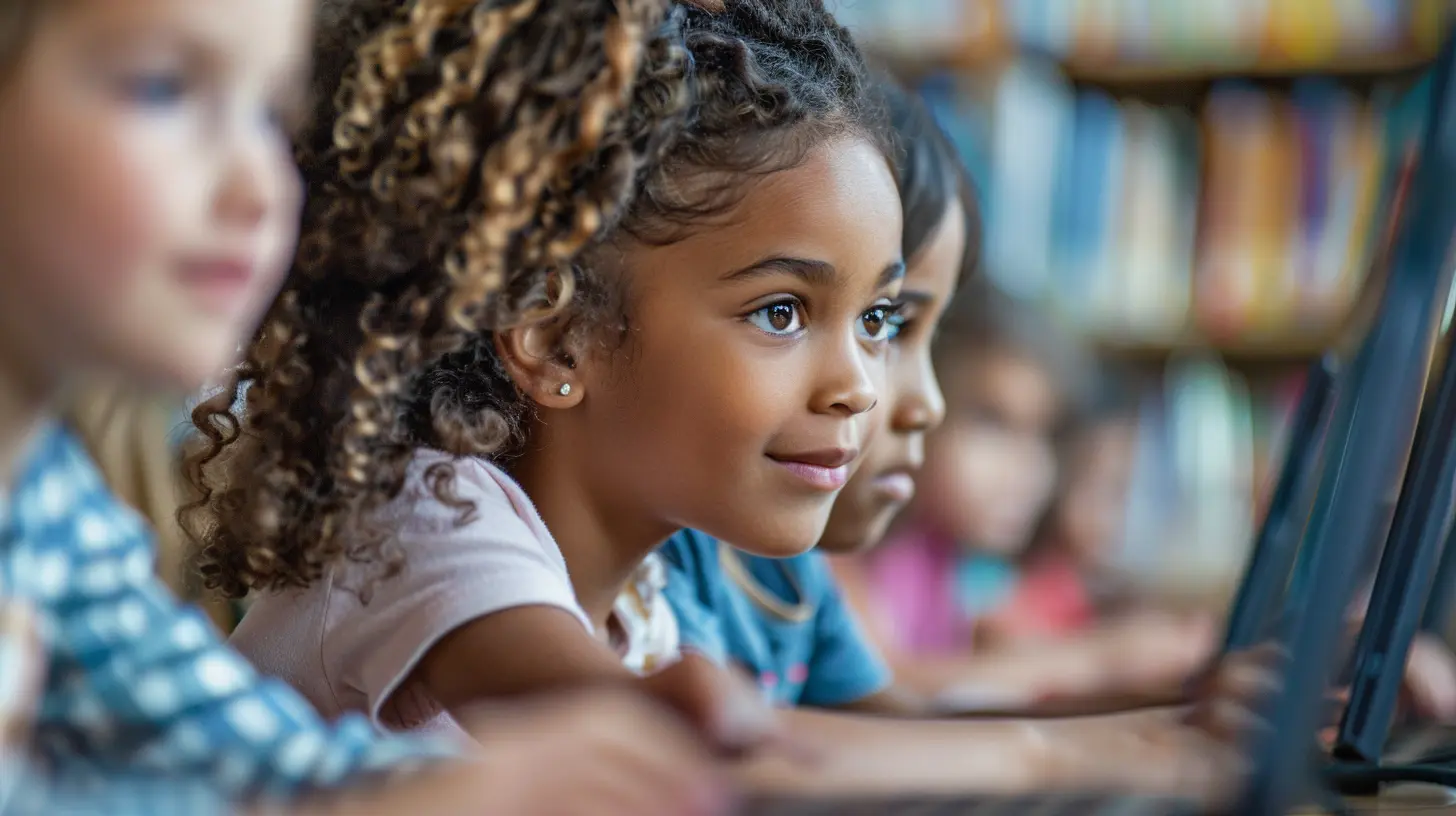
The Importance of Peer-to-Peer Learning in Virtual Classrooms
With the shift to online education, peer-to-peer learning has become more crucial than ever. Virtual classrooms often lack the spontaneous interactions of traditional classrooms—no quick chats before class, no group study sessions in the library. This can make learning feel mechanical and disengaging.Here’s why P2P learning is a game-changer in virtual classrooms:
1. Encourages Active Participation
In a traditional online lecture, students passively absorb information. But when they engage in discussions, group projects, or peer reviews, they actively participate in the learning process. This leads to better comprehension and knowledge retention.2. Builds a Sense of Community
One of the biggest challenges of online learning is the feeling of isolation. Peer learning creates a sense of belonging. When students interact regularly, they form relationships, support each other, and feel more connected to the learning experience.3. Enhances Critical Thinking and Problem-Solving Skills
Discussing ideas with peers forces students to think critically, question assumptions, and view topics from different perspectives. This enhances analytical thinking and helps students develop skills that go beyond textbook knowledge.4. Boosts Confidence and Communication Skills
Not everyone feels comfortable speaking up in a traditional virtual classroom. However, peer discussions create a safe space where students can express their thoughts without the fear of being judged. This improves their confidence in articulating ideas and enhances communication skills.5. Encourages Responsibility and Self-Discipline
When students rely on each other for learning, they feel a sense of responsibility to contribute. Whether it's explaining a concept, reviewing a peer’s work, or collaborating on a project, they take ownership of their learning.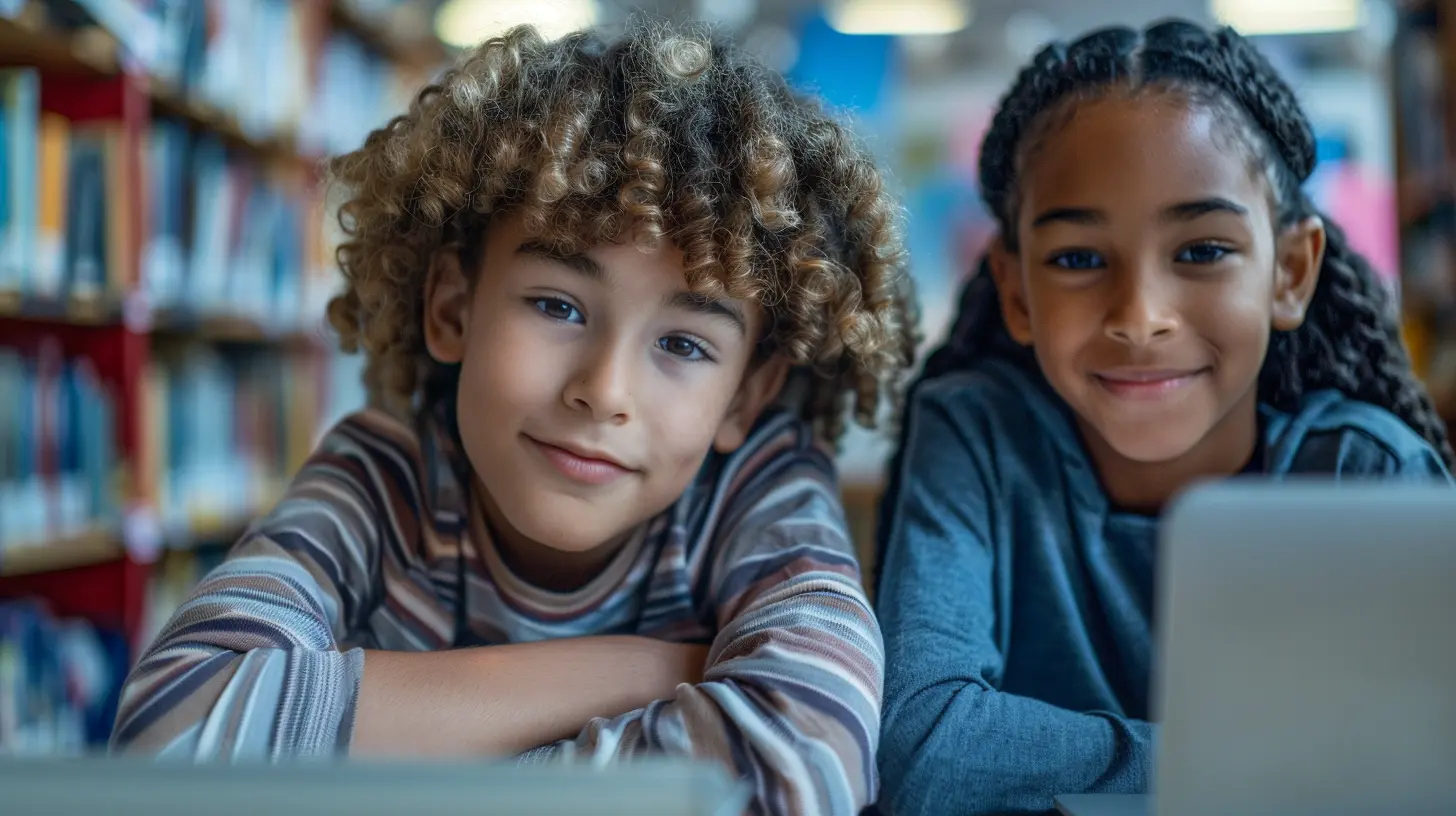
How Peer-to-Peer Learning Works in Virtual Classrooms
So, how do we make peer learning work effectively in an online setting? Here are some practical strategies:1. Online Discussion Forums
Platforms like Moodle, Blackboard, or even Slack allow students to engage in discussions, ask questions, and share resources. These forums encourage interaction beyond scheduled class hours, making learning continuous and dynamic.2. Virtual Study Groups
Students can form small study groups via Zoom, Google Meet, or Discord. These groups provide a space for collaborative learning, brainstorming, and problem-solving. They mimic the experience of traditional study sessions, helping students stay engaged.3. Peer Review and Feedback Sessions
Encouraging students to review each other’s assignments improves critical thinking and provides valuable insights. When students analyze their peers’ work, they learn from different approaches, identify strengths and weaknesses, and enhance their own understanding of the subject matter.4. Collaborative Projects
Group projects in virtual classrooms help students work together towards a common goal. Whether it’s a research paper, a presentation, or a case study analysis, these projects teach teamwork, time management, and effective communication.5. Gamification and Peer Challenges
Gamified learning—such as quizzes, competitions, and peer challenges—adds an element of fun to education. Platforms like Kahoot! and Quizizz allow students to test each other’s knowledge in an engaging way, making the learning process more interactive.
Challenges of Peer-to-Peer Learning in Virtual Classrooms
While P2P learning has many benefits, it’s not without challenges. Here are some common hurdles and solutions:1. Unequal Participation
Not all students contribute equally in peer discussions or group projects. To fix this, instructors can assign specific roles in group activities, ensuring every student has a defined task.2. Misinformation and Lack of Accuracy
Students might share incorrect information during peer discussions. To counter this, instructors can moderate discussions, provide guidelines, and encourage students to back their arguments with credible sources.3. Time Zone and Scheduling Conflicts
Virtual classrooms often bring together students from different time zones, making collaboration tricky. Using asynchronous discussion boards and recorded study sessions can help bridge this gap.4. Lack of Engagement
Some students may be hesitant to participate due to shyness or lack of confidence. Icebreaker activities, anonymous Q&A platforms, and structured discussions can help shy students feel more comfortable in engaging.The Future of Peer-to-Peer Learning in Online Education
As online education continues to evolve, peer-to-peer learning will play an even greater role in shaping the future of virtual classrooms. Artificial intelligence (AI), virtual reality (VR), and collaborative learning platforms will further enhance the peer learning experience, making it more interactive and immersive.Imagine AI-driven study groups that match students based on their learning styles, or virtual reality classrooms where students collaborate in simulated environments. The possibilities are endless.
Final Thoughts
Peer-to-peer learning isn't just a buzzword—it’s a powerful method that strengthens understanding, builds connections, and makes virtual learning more engaging. Online education doesn’t have to be a lonely journey. By encouraging collaboration and active participation, students can make the learning process more meaningful, enjoyable, and effective.So next time you're in a virtual classroom, don’t just sit back and listen—engage, share, and learn from your peers. After all, the best way to learn is to teach and be taught at the same time.
all images in this post were generated using AI tools
Category:
Online LearningAuthor:

Zoe McKay
Discussion
rate this article
2 comments
Julia Barron
Great article! Peer-to-peer learning in virtual classrooms fosters collaboration and enhances understanding among students. It not only builds community but also empowers learners to take ownership of their education. Embracing this approach can truly transform the online learning experience and help students thrive in a digital environment. Keep sharing these insights!
February 14, 2026 at 3:24 AM
Zoe McKay
Thank you for your thoughtful feedback! I appreciate your insights on the transformative power of peer-to-peer learning in virtual classrooms.
Brick Richardson
Who needs teachers, right?
January 13, 2026 at 4:39 AM
Zoe McKay
While peer-to-peer learning is valuable, teachers play a crucial role in guiding, facilitating, and ensuring a structured learning environment. Both are essential for effective education.