The Role of Peer Support in Student Health and Well-Being
1 December 2025
Let’s be honest—student life can be tough. Between exams, assignments, social expectations, and figuring out who you are, it’s easy to feel overwhelmed. It’s not just about grades; it’s about mental health, emotional resilience, and staying afloat when life feels like it’s moving way too fast. And while professional counselors, teachers, and parents have their roles, there’s one underrated source of support that often gets overlooked: peers.
Yep, your classmates, roommates, and even that quiet kid in the back row—your peers—can be powerful allies when it comes to navigating the rollercoaster of student life. In fact, peer support isn’t just helpful—it’s vital.
In this blog, we’re diving deep into the role of peer support in student health and well-being. We’ll look at why it matters, how it works, and how it’s changing the way students cope, connect, and care for each other.
What Exactly Is Peer Support?
At its core, peer support is students helping students. It’s not about degrees or professional expertise; it’s about shared experiences. Have you ever vented to a friend after a stressful day and felt instantly lighter? That’s peer support in action.Peer support involves emotional, social, and sometimes practical assistance given by individuals of similar age, experience, or social status. It can be informal—like a chat during lunch—or structured through programs like peer mentoring, buddy systems, or peer counseling groups.
It’s all about empathy, understanding, and mutual respect.
Why Is Peer Support So Important for Students?
Alright, let’s get into the real talk. College, high school, or any academic journey can be brutal. Burnout, anxiety, loneliness—they’re more common than you think. But here’s the silver lining: students don’t have to tackle these challenges alone.1. It's Easier to Open Up to Someone Who "Gets It"
Let’s face it—we’re way more likely to open up to someone who’s in the same boat. While therapists and counselors are amazing, sometimes it just feels easier to talk to someone who’s juggling deadlines, exams, and drama, just like you.Peers can relate. They’ve been there—or they’re still there. That level of understanding makes conversations feel genuine, safe, and judgment-free.
2. Peer Support Breaks Down the Stigma Around Mental Health
Mental health shouldn’t be taboo, but sometimes it still feels like a topic we tiptoe around. When students talk openly with each other—whether it’s about stress, depression, or just having a bad day—it normalizes the conversation and encourages others to speak up.It chips away at the stigma. The message is clear: “You’re not alone, and it’s okay to ask for help.”
3. It Boosts Emotional Resilience
Ever noticed how just talking about your problems can make them feel smaller? Peer support helps students process difficult emotions and build coping mechanisms. It’s a tool for resilience. When life throws curveballs—failed exams, friendship breakups, homesickness—peer support can be the emotional safety net that keeps students from feeling like they’re crashing.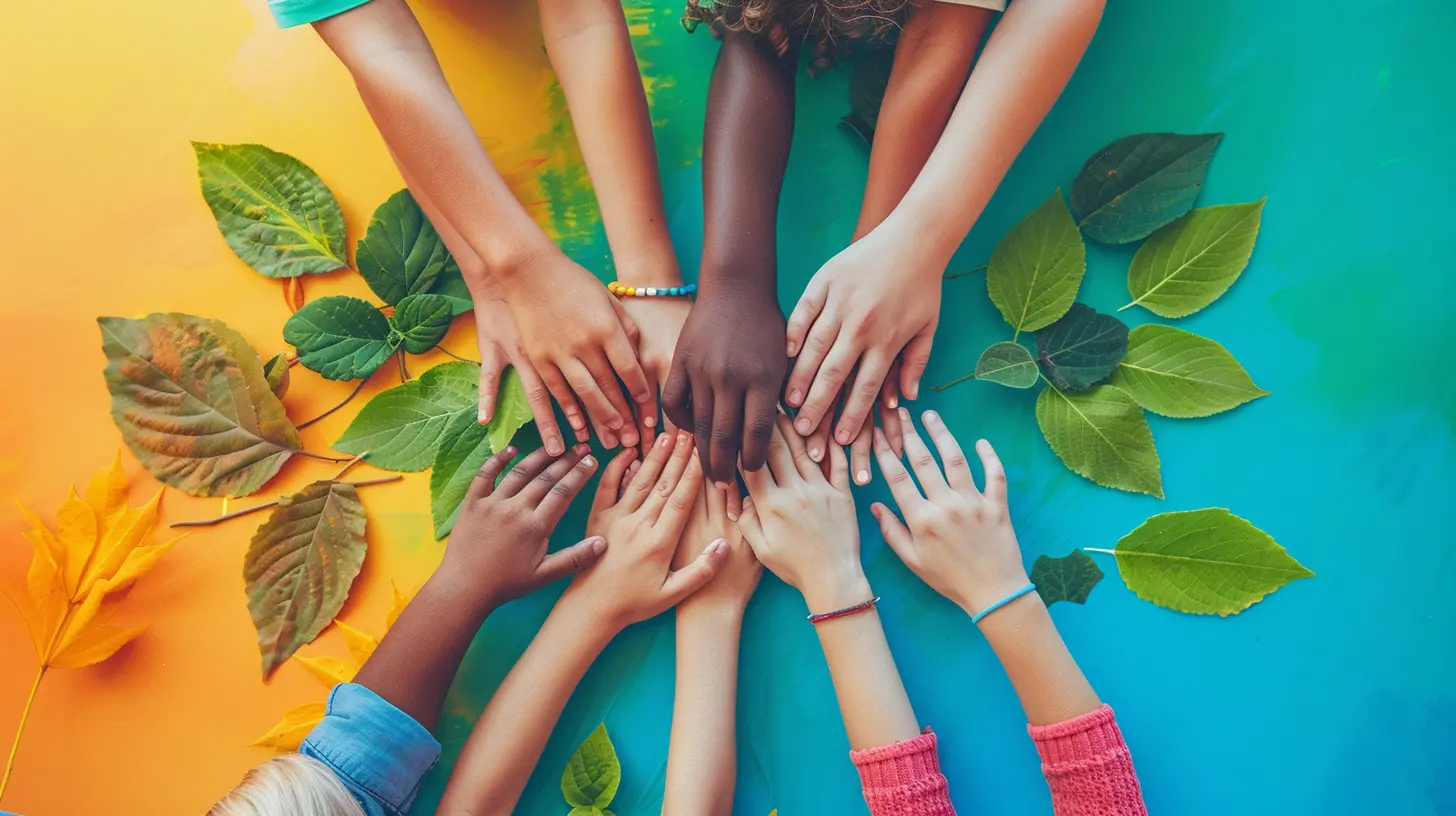
Different Types of Peer Support in Schools and Colleges
Peer support might sound like a casual chat, but it can take a lot of different forms:✅ Peer Mentorship Programs
Usually found in universities, these programs pair experienced students (mentors) with newcomers (mentees). The goal? To provide guidance, share experiences, and create a sense of belonging. It’s like having a friendly GPS when you’re lost on campus life’s highway.✅ Peer Counseling or Support Groups
These are more structured setups where trained students offer a listening ear in a confidential setting. Think of it like counseling, but less formal. Sometimes, just knowing someone your age is trained to support you makes it easier to talk.✅ Mental Health Ambassadors
Some schools now train students to act as mental health advocates. They’re not replacing professionals—they’re enhancing outreach. These peers raise awareness, host events, and connect students to appropriate resources.✅ Buddy Systems
Simple, yet powerful. Buddy systems pair or group students together so no one feels left behind. This is especially helpful for international students or freshmen who are adjusting to new environments.
How Peer Support Impacts Student Well-Being
Now you might be wondering, “Okay, but does it actually work?” Spoiler alert: Yes, it does—and there’s research to back it up.Mental Health Improvement
Students who engage in peer support programs consistently report lower levels of stress and anxiety. Why? Because it alleviates loneliness, builds self-esteem, and provides a clear outlet to talk through problems.Academic Performance Gets a Boost
Wait—how does peer support help with grades? Simple. Emotional well-being and academic success are deeply connected. Students who feel supported emotionally are more focused, motivated, and better at managing their time.Plus, peer mentors often help with study tips, time management, and navigating academic systems. So yeah, it’s a two-in-one benefit.
Stronger Campus Community
Peer support fosters connection. And when students feel connected, campus life becomes more than just a place to attend classes. It feels like a community. That sense of belonging can be a game changer, especially for students who feel out of place or homesick.The Human Side: Real-Life Peer Support Scenarios
Let’s take the textbook out of the equation for a minute. Here are a few everyday examples of peer support you might recognize:- A senior student helping a freshman figure out their class schedule.
- A roommate listening to a rant about a tough professor.
- A group of students organizing a mental health awareness event.
- Classmates starting a study group that turns into a friendship circle.
These stories don’t always make the headlines, but they’re happening every day. And they’re making a quiet, powerful difference.
Barriers to Effective Peer Support (and How to Overcome Them)
Now, it’s not always sunshine and rainbows. Peer support can face challenges too:Lack of Training
Not every student knows how to listen effectively or offer emotional support. That’s where training comes in. Schools can help by offering workshops and basic mental health education.Maintaining Boundaries
It’s important for peer supporters to understand their limits. They’re not therapists. If something’s too heavy, they need to refer their friend to a professional. Setting boundaries isn’t cold—it’s responsible.Confidentiality Concerns
Trust is the glue that holds peer support together. If a student spills their heart out, they need to know it stays between them. Schools can strengthen this by creating clear confidentiality guidelines in peer programs.How Schools and Universities Can Promote Peer Support
Want to create a culture where peer support thrives? Here’s how institutions can help:- Train student leaders in active listening, empathy, and basic mental health awareness.
- Create safe spaces where students can meet, vent, and connect.
- Promote inclusivity so every student feels valued and heard.
- Incorporate peer support as part of orientation programs.
- Highlight success stories to show the real impact of peer support.
When schools invest in these initiatives, they’re not just improving student life—they’re saving it.
Tips for Being a Great Peer Supporter
Feeling inspired to be a better peer supporter yourself or start something on your campus? Awesome. Here are a few golden rules to keep in mind:- Listen more than you talk. Sometimes, people just need to vent.
- Don’t judge. Everyone’s fight is different.
- Ask, don’t assume. A simple “How are you really feeling?” can open doors.
- Respect boundaries. You can’t pour from an empty cup. Take care of yourself too.
- Know when to refer. If something’s beyond your capacity, guide your friend to a counselor or professional.
The Ripple Effect of Peer Support
When one student supports another, it creates a ripple effect. That kindness, that moment of connection, spreads. And the beauty? It’s not even always about solving problems—it’s about showing up.Peer support reminds us of our shared humanity. It proves that healing doesn’t always come from big gestures—sometimes, it’s just a quiet “I’ve got you” from someone sitting next to you in class.
Wrapping It Up
Life as a student can be rough, but peer support is like finding a flashlight in a dark tunnel. It doesn’t eliminate the ups and downs, but it makes the path feel a little less lonely. It adds warmth, humanity, and connection to spaces that can sometimes feel cold and competitive.Whether you're a student, educator, or someone who’s just passionate about mental health—never underestimate the power of simple human connection. Because sometimes, just knowing someone’s in your corner can make all the difference.
So, what’s stopping you from checking in on a peer today? You might just be their light.
all images in this post were generated using AI tools
Category:
Health EducationAuthor:

Zoe McKay
Discussion
rate this article
2 comments
Gabriel Shaffer
Peer support isn’t just a nice-to-have; it’s the secret sauce for thriving students! Let’s face it: who needs a superhero when you’ve got friends lifting each other up? Empowerment looks good on everyone!
December 17, 2025 at 12:58 PM
Zoe McKay
Thank you! I completely agree—peer support truly creates a powerful environment for student growth and well-being. Friends can be the best form of encouragement!
Thornefield McKellar
Great insights on peer support benefits!
December 2, 2025 at 4:32 AM
Zoe McKay
Thank you! I'm glad you found the insights valuable.