The Role of Peer Influence in Student Engagement
24 November 2026

Introduction
Peer influence is a powerful force in educational settings. It shapes student behavior, attitudes, and ultimately, their level of engagement in learning activities. Understanding this dynamic can help educators, administrators, and even parents foster environments where positive peer influence enhances student engagement. This article delves into the multifaceted role of peer influence in student engagement, highlighting practical applications, potential pitfalls, and best practices.
Understanding Peer Influence
Definition and Scope
Peer influence refers to the impact that individuals in a similar age group or social circle have on each other's behaviors and attitudes. In educational contexts, this influence can manifest in various ways, from academic performance to participation in extracurricular activities.The Mechanisms of Influence
Peer influence operates through several mechanisms:1. Social Norms: Students often conform to the behaviors and attitudes prevalent in their peer group. If high academic achievement is valued among friends, individuals are more likely to engage in behaviors that support this norm.
2. Modeling: Students observe and imitate their peers. When one student demonstrates enthusiasm for a subject, others may follow suit.
3. Feedback and Reinforcement: Positive reinforcement from peers can boost a student's confidence and motivation. Conversely, negative feedback can discourage participation.
The Dual Nature of Peer Influence
While peer influence can be beneficial, it also has a darker side. Negative peer pressure can lead to disengagement, risky behaviors, or a focus on social status over academic achievement. Understanding this dual nature is crucial for educators aiming to harness peer influence for positive outcomes.
The Impact of Peer Influence on Student Engagement
Academic Engagement
Peer influence significantly affects students' academic engagement. When students perceive that their peers value education, they are more likely to participate actively in class discussions, collaborate on projects, and seek help when needed.Real-World Example
Consider a high school where a group of students forms a study club. Their shared commitment to academic success creates a supportive environment, encouraging members to stay focused and engaged. This collective effort often leads to improved grades and a deeper understanding of the material.Social Engagement
Social engagement is equally important. Positive peer relationships can enhance a student's sense of belonging, making them more likely to participate in school events and extracurricular activities.Practical Application
Schools can facilitate social engagement by promoting group activities that require collaboration. For instance, team sports, theater productions, or science fairs can create bonds among students, fostering a supportive community that enhances overall engagement.Emotional Engagement
Emotional engagement relates to a student's emotional investment in their learning. Peers play a crucial role in shaping students' feelings about school. Positive interactions can lead to increased motivation, while negative experiences can result in disengagement.Common Mistakes
One common mistake educators make is overlooking the emotional dynamics of peer interactions. For instance, if a student feels ostracized or bullied, their emotional engagement will plummet, regardless of academic support. Addressing these issues is vital for fostering a positive learning environment.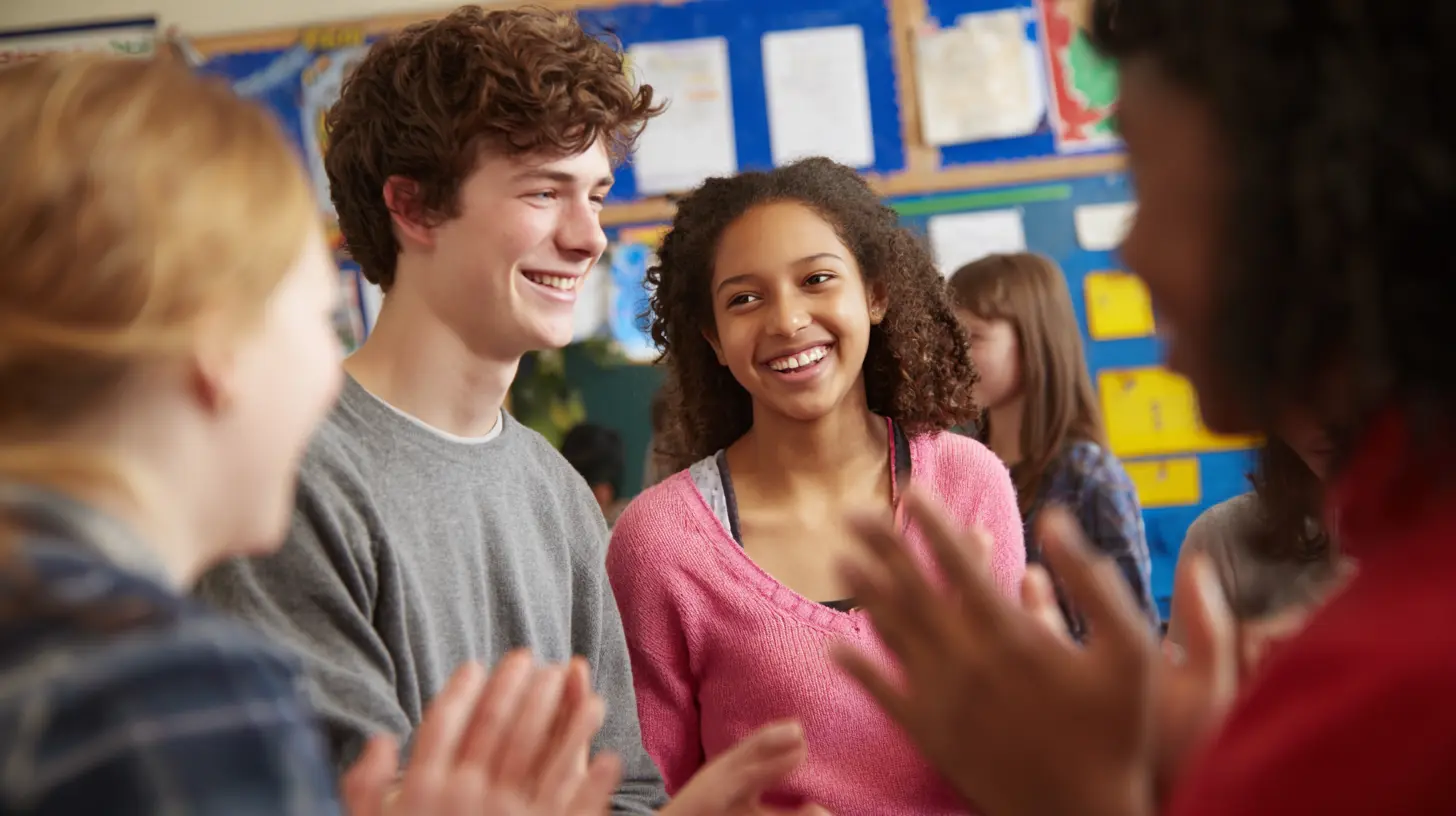
Strategies to Enhance Positive Peer Influence
Fostering Collaborative Learning
Encouraging collaborative learning environments can harness the power of peer influence. Group projects, peer tutoring, and cooperative learning strategies allow students to learn from one another and build positive relationships.Best Practices
1. Diverse Grouping: Mix students with varying abilities to promote peer learning. High-achieving students can support their peers, while those who struggle can benefit from different perspectives.2. Structured Roles: Assign specific roles within groups to ensure that all students contribute and feel valued. This structure can enhance accountability and engagement.
Creating a Positive School Culture
A positive school culture that emphasizes respect, inclusivity, and support is essential for leveraging peer influence. When students feel safe and valued, they are more likely to engage positively with their peers.Key Elements
1. Clear Expectations: Establish and communicate behavioral expectations. Students should understand the importance of supporting one another.2. Recognition Programs: Implement programs that recognize and reward positive peer interactions. This acknowledgment can reinforce desired behaviors.
Utilizing Technology
In today's digital age, technology can be a powerful tool for enhancing peer influence. Online platforms can facilitate communication and collaboration among students, even outside the classroom.Considerations
1. Social Media: While social media can foster connections, it can also lead to negative peer pressure. Educators should guide students on responsible use and promote positive online interactions.2. Collaborative Tools: Tools like Google Docs or educational apps encourage group work and make it easier for students to support one another in real time.
The Role of Educators in Mediating Peer Influence
Active Monitoring and Intervention
Educators play a crucial role in monitoring peer interactions and intervening when necessary. By being aware of social dynamics, teachers can address negative behaviors before they escalate.Effective Strategies
1. Observation: Regularly observe student interactions during group work or free time. This can help identify issues early on.2. Open Communication: Create an environment where students feel comfortable discussing their concerns about peer interactions. This can facilitate early intervention.
Teaching Social Skills
Teaching social skills explicitly can empower students to navigate peer relationships positively. Skills such as empathy, conflict resolution, and effective communication are essential for fostering a supportive peer environment.Implementation
1. Workshops: Conduct workshops focused on social skills development. Role-playing scenarios can help students practice and reinforce these skills.2. Integration into Curriculum: Incorporate social skills training into existing subjects. For example, literature discussions can include themes of empathy and understanding.
Challenges and Misconceptions
Overestimating Peer Influence
One common misconception is that peer influence is universally positive. While peers can motivate each other, the pressure to conform can lead to negative outcomes. Educators must recognize that not all peer influence is beneficial.Balancing Individuality and Group Dynamics
Another challenge is finding the right balance between fostering group cohesion and allowing for individual expression. While collaboration is essential, students also need space to develop their unique identities.Measuring the Impact of Peer Influence on Engagement
Qualitative and Quantitative Approaches
Measuring the impact of peer influence on student engagement can be complex. Both qualitative and quantitative methods can provide insights.Quantitative Measures
1. Surveys: Conduct surveys to gauge students' perceptions of peer influence on their engagement. Questions can focus on academic motivation, social connections, and emotional well-being.2. Performance Metrics: Analyze academic performance data before and after implementing peer-focused strategies to assess impact.
Qualitative Measures
1. Focus Groups: Organize focus groups to gather in-depth feedback from students about their experiences with peer influence. This can provide valuable insights into the nuances of their interactions.2. Case Studies: Develop case studies of specific groups or initiatives to understand the dynamics of peer influence in particular contexts.
Conclusion
Peer influence is a double-edged sword in the realm of student engagement. While it can motivate and inspire, it can also lead to negative behaviors and disengagement. Understanding the mechanisms of peer influence and implementing strategies to foster positive interactions is essential for educators. By creating supportive environments, promoting collaboration, and actively engaging with students, schools can harness the power of peer influence to enhance student engagement and overall learning outcomes.
all images in this post were generated using AI tools
Category:
Class ParticipationAuthor:

Zoe McKay