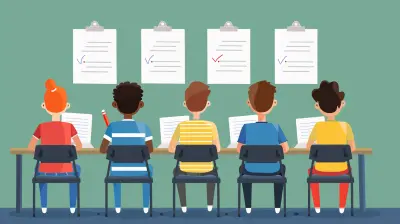
The Ripple Effect: How Peer Tutoring Impacts School Culture
24 May 2026
Ever tossed a pebble into a calm pond? That little splash stirs wave after wave, reaching out farther than you’d expect. Now imagine that pebble is peer tutoring—and the school culture is that calm pond. At first glance, peer tutoring might seem like just a helpful academic program. But its impact? Oh, it goes much deeper.
Peer tutoring is more than students helping students with homework. When done right, it transforms relationships, reshapes learning attitudes, and rewires how a school community functions. Let’s dive into this ripple effect and unpack just how powerful peer tutoring can be.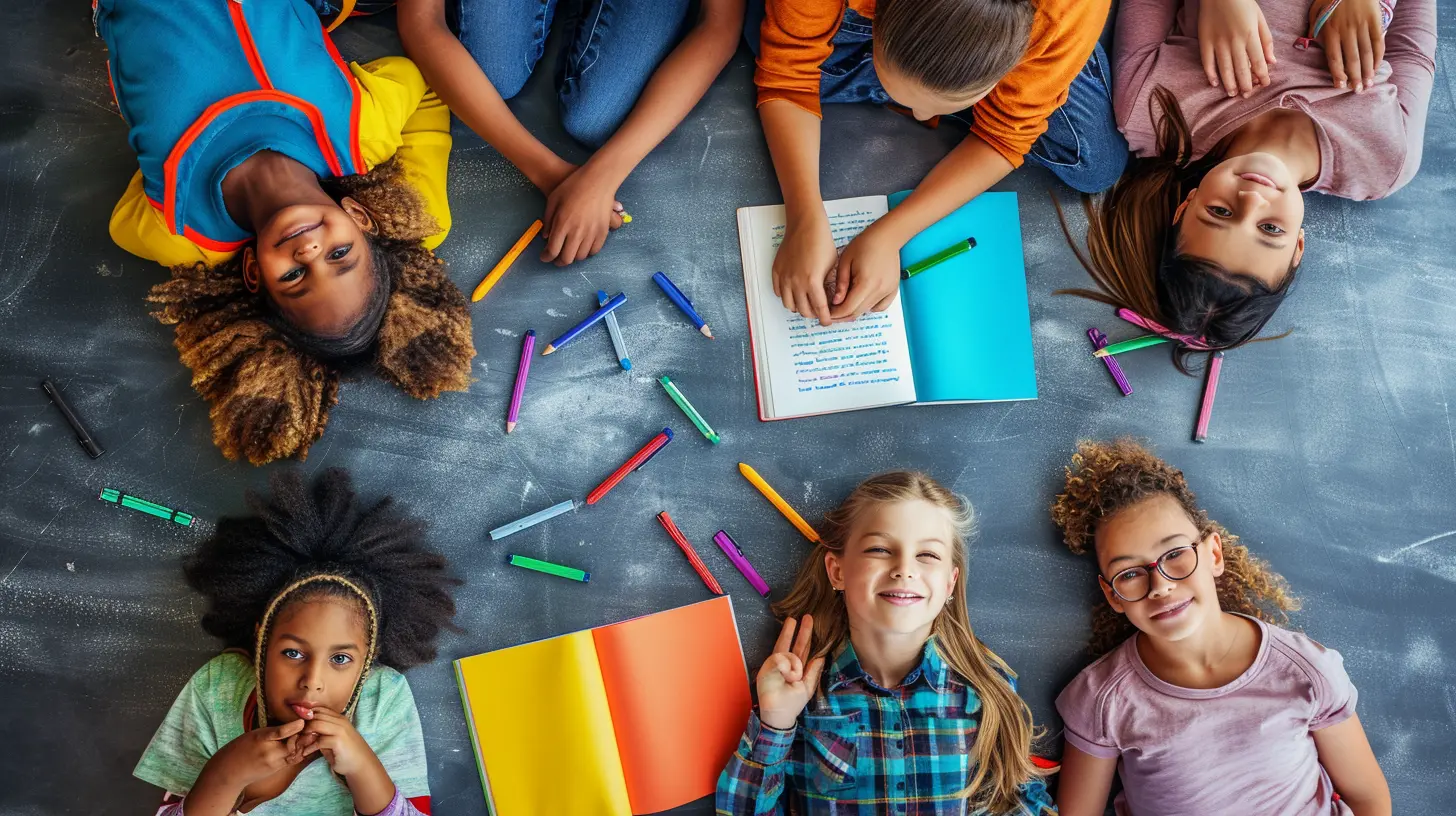
What Is Peer Tutoring, Really?
Before we get into the deep stuff, let’s make sure we’re on the same page. Peer tutoring usually involves students from similar age groups or slightly different academic levels helping each other learn. Think of a tenth-grader helping a ninth-grader through algebra or a senior guiding a junior with essay writing.What makes this powerful is that the learning doesn't just flow in one direction. Both the tutor and the tutee benefit in unique ways. And when more students get involved? That’s when the magic really starts to happen.
Strengthens Academic Confidence—For Everyone
You know that feeling when the light bulb finally switches on? Now imagine being the person who flips that switch for someone else. That’s what peer tutors experience every time they help a classmate grasp a tough concept. It reinforces their own knowledge and builds up their self-confidence.And for the tutees? They're getting support without the pressure of adult authority. They’re more likely to ask “silly” questions, dig deeper into hard topics, and take more academic risks. The result: better performance, fewer gaps, and more confidence in the classroom.
Real Talk: Confidence Is Contagious
Once you start feeling good about learning, you walk into school a little taller. That attitude rubs off. More students start thinking, “Hey, I can do this too.” Suddenly, academic success isn’t just for the top 10%—it’s attainable for everyone.
Breaks Down Social Barriers
High school hallways can be like invisible mazes—cliques, grade levels, and social silos everywhere. Peer tutoring punches holes through those walls. It brings together students who might never have crossed paths otherwise.A sophomore helping a senior with Spanish? A freshman guiding a junior through geometry? That kind of interaction turns heads. It normalizes collaboration and disrupts traditional hierarchies. Now, students start seeing each other more as equals and teammates than just names and faces.
Relationships Over Rivalries
Peer tutoring puts friendship and mutual respect on the same playing field as academics. It builds empathy. Students become more understanding of each other's challenges—and that understanding stretches beyond the classroom. You start seeing more smiles in the hallway, more “hellos,” and fewer awkward silences.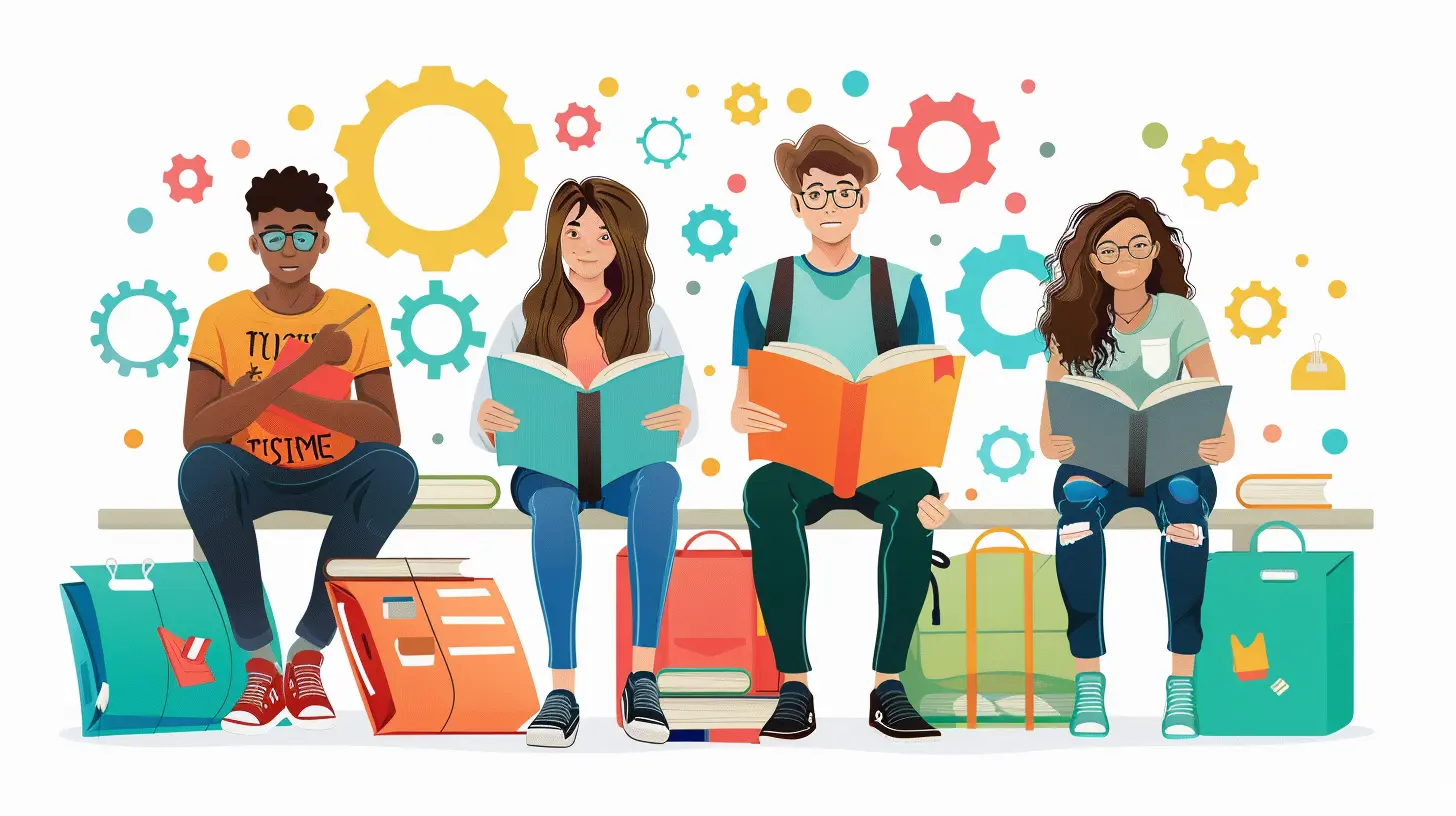
Builds a Culture of Kindness and Support
Let’s face it—school can be stressful. Between deadlines, social pressure, and figuring out who you are, it’s easy to feel overwhelmed. Peer tutoring adds a layer of emotional support that’s often missing from the traditional classroom.By giving students a space to ask for help, it signals that needing support is normal—not a weakness. That message, repeated over and over, creates a culture where kindness, patience, and encouragement are front and center.
It’s More Than Just Help—It’s Hope
Sometimes, the most powerful thing a student hears isn’t the solution to a math problem. It’s “I’ve been there, and you’ll get through it.” That moment of relatability is priceless—it shows students that they're not alone, and that success is possible with just a little help.Encourages Leadership and Responsibility
Here’s where the ripple gets even wider. Being a peer tutor isn’t just about being smart—it’s about being reliable, patient, and compassionate. It teaches leadership in a very real, hands-on way.When students take on the role of a tutor, they start seeing themselves as leaders. They take ownership of their responsibilities and learn to communicate more clearly, listen more attentively, and manage their time more wisely.
Future-Ready Skills, Right Here in School
We're talking about soft skills that colleges and employers drool over. Communication, teamwork, problem-solving—they’re all baked into peer tutoring. And these aren’t just resume-fillers. They stick with students long after they’ve moved their tassels and thrown their caps.Creates a Ripple in Teacher-Student Dynamics
Here's a surprise benefit: teachers feel it too. When students support each other academically, it allows teachers to step back and become facilitators rather than fixers. This shift can breathe new life into classrooms.Peer tutoring fosters a more collaborative learning environment, where students aren't just passive receivers—they're contributors. It creates more time for personalized instruction, creative activities, and genuine discussion.
Teachers as Coaches, Not Just Lecturers
Instead of spending all their time re-explaining the same content, teachers can now focus on guiding, mentoring, and enriching the learning experience. It’s a win-win.Improves Overall School Performance
When more students feel supported and understood, attendance rates go up. Behavior issues go down. Grades start climbing across the board. Why? Because students start believing in themselves and each other.A strong peer tutoring program doesn’t just help individuals—it lifts the entire school. And that momentum carries forward year after year. New students come in and see a culture of collaboration. They jump in. They grow. And the ripple continues.
Transforms the Way Students View Learning
One of the most beautiful things peer tutoring does is shift the way students see education. It no longer feels like a solo race to the finish line. Instead, it becomes a shared journey.When learning becomes about “how can we help each other get better?” rather than “how can I beat you?”—that’s when school becomes a community. Not just a requirement.
From Competition to Collaboration
Grades will always matter, sure. But when students value learning for the sake of personal growth—and are willing to help others grow too—that's when you've struck gold. That’s the kind of school culture that lasts.Encourages Inclusivity and Equity
Let’s not sugarcoat this—many students feel left out of the traditional academic spotlight. Maybe they’re struggling in silence. Maybe they’ve been told they're not “honors material.” Peer tutoring throws those labels out the window.It gives ALL students a chance to shine. The ones who tutor feel valued. The ones who are tutored feel seen. And the ones who do both? They learn that everyone has something to offer.
Every Student a Puzzle Piece
Peer tutoring recognizes that intelligence isn’t one-size-fits-all. Whether it's explaining concepts, organizing a study session, or just being a good listener—every student brings something to the table.Builds Long-Term Educational Values
At its core, peer tutoring instills values that stretch far beyond report cards and test scores. We're talking about compassion, resilience, curiosity, and work ethic.These are the qualities we want to see in tomorrow’s leaders, thinkers, and citizens. And the best part? They’re being developed today, in real classrooms, through peer-driven experiences.
Lifelong Lessons in Every Session
Every time a student helps another understand a tough problem, they're not just teaching content. They're shaping character. They're learning to care. That's the kind of impact that sticks.The Ripple Is Real—And It Starts With You
So, what does all this mean for students, teachers, and schools? It means that small steps, like setting up a peer tutoring program, can lead to massive cultural shifts.Maybe your school hasn’t started a peer tutoring program yet. Or maybe it has one that's underused. Either way, the opportunity is there. The ripple is waiting. All it takes is one drop to start.
Want to be that drop?
How To Get Started With Peer Tutoring
Feeling inspired? Getting a peer tutoring program up and running isn’t as hard as it sounds. Here are a few quick tips to make it work:- Start small – A lunchtime homework club or after-school help desk can be plenty.
- Train your tutors – Confidence is key, but support is essential. Give your student tutors some basic training.
- Match wisely – Consider learning styles, personalities, and academic strengths when pairing tutors and tutees.
- Celebrate successes – Shout out great sessions, improvements, and growth moments. Recognition motivates everyone.
- Keep it flexible – Academic help shouldn’t be a chore. Keep it student-centered, low-pressure, and fun.
Final Thoughts
Peer tutoring isn’t just about getting better grades—it’s about creating better people. And when that becomes part of your school’s DNA, everything changes. Students support each other more. Teachers connect with learners on a deeper level. And the entire school becomes a place of growth, not just instruction.The ripple effect is real. And it can start today—with just one student helping another.
all images in this post were generated using AI tools
Category:
Peer TutoringAuthor:

Zoe McKay
Discussion
rate this article
1 comments
Carmen Thompson
Peer tutoring fosters connection, promotes empathy, and enhances overall school culture.
May 27, 2026 at 2:20 AM
Zoe McKay
Absolutely, peer tutoring creates meaningful bonds and helps build a supportive environment that benefits everyone.