The Importance of Teaching Self-Care to Students
18 August 2026
Let’s be real—life as a student is hectic. Between juggling schoolwork, social pressures, extracurriculars, and trying to figure out who you are, it’s a rollercoaster ride. But here’s the thing: while schools teach math, science, and grammar, one crucial skill often gets left out of the curriculum—self-care.
And no, self-care isn’t just about bubble baths and scented candles (although those are great too). It’s about maintaining emotional, mental, and physical health, especially during the chaotic years of education. So why aren’t we teaching this in classrooms?
In this article, we’re diving deep into why teaching self-care to students isn't just important—it’s absolutely essential.
What Is Self-Care Anyway?
Let’s start there. Self-care is any activity that we do deliberately to take care of our mental, emotional, and physical health. It can be as simple as getting enough sleep, eating nutritious food, taking breaks when needed, or practicing mindfulness.It’s about knowing when to hit pause, when to say “no,” and how to recognize your own needs. Think of it as building your own personal emergency kit for life—and the earlier you start, the better.
The Student Struggle: More Than Just Homework
Now, think about the average student’s day. Wake up early, sit through hours of classes, handle homework, stay connected with friends (hello, social media drama), maybe go to a part-time job or sports practice—then repeat it all tomorrow.Sounds exhausting, right?
Unfortunately, many students are so caught up in this cycle that they don’t realize they're burning out. Anxiety, depression, lack of motivation, and even physical health issues creep in. And without self-care strategies in place, these problems can spiral fast.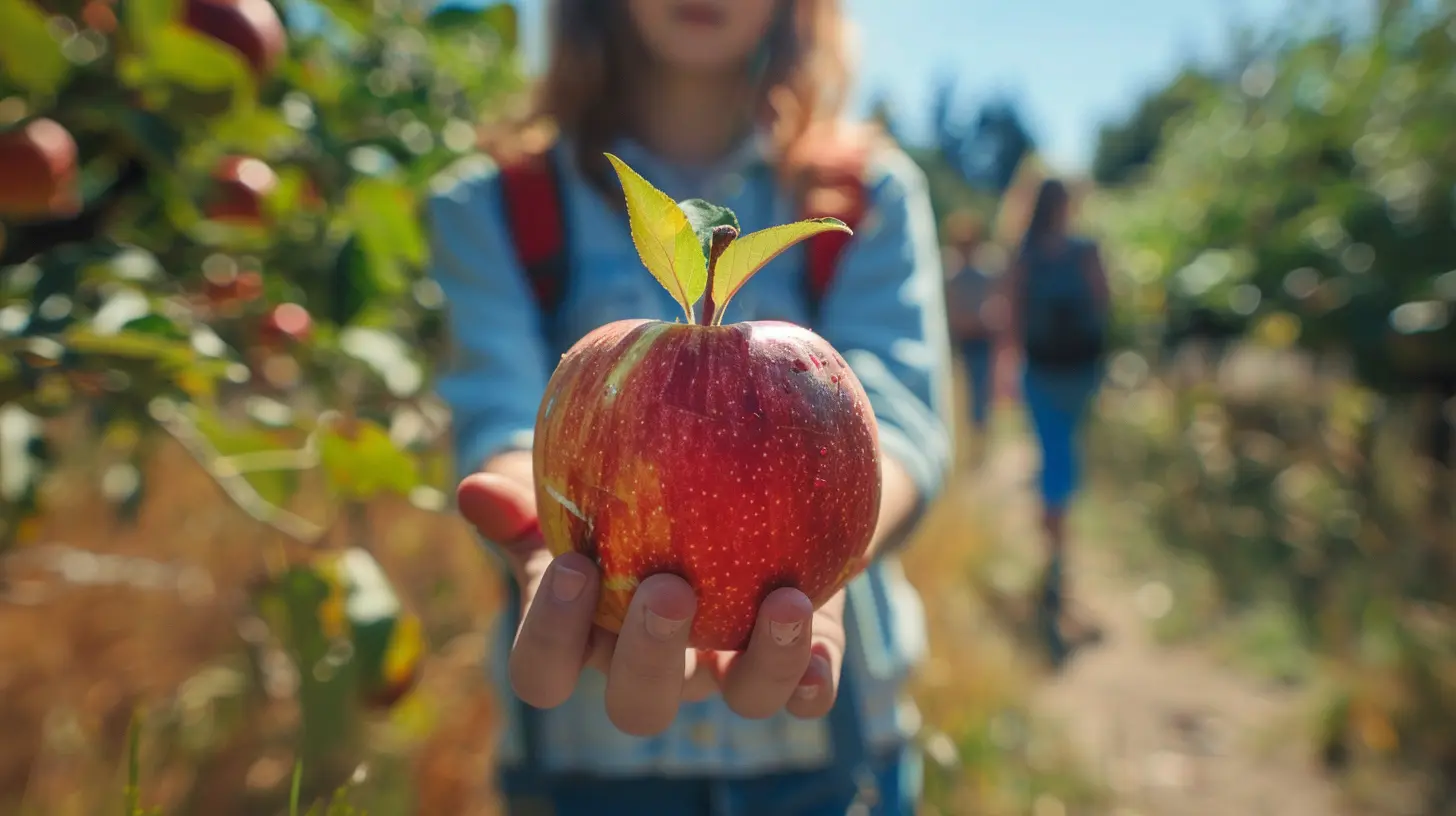
Why Self-Care Matters (Especially for Students)
1. Builds Emotional Resilience
Life throws curveballs—constantly. Teaching students how to manage stress, deal with setbacks, and handle their emotions helps them bounce back quicker. Self-care routines like journaling, speaking to a counselor, or even just taking a walk can make a huge difference.Remember, emotional resilience isn’t about being unaffected. It’s about coping effectively. That starts with self-awareness, something self-care builds over time.
2. Improves Mental Health
Here’s a truth bomb—mental health is just as important as physical health. Yet, so many students feel ashamed when struggling internally. Self-care teaches them it's okay to not be okay sometimes—and that there are healthy ways to cope.Regular check-ins with themselves, quiet moments of reflection, and healthy sleep habits can massively reduce anxiety and depression. It’s like giving their brain some much-needed TLC.
3. Promotes Academic Success
You might think taking time for self-care would take away from study time, but hear me out—students who practice self-care are actually more productive.Better sleep equals better focus. Healthy meals lead to more energy. Mindfulness practices sharpen concentration. So if you want those grades to soar, taking care of yourself is a smart starting point.
4. Encourages Independence
Self-care helps students grow into independent adults who can manage their lives effectively. It’s like giving them the tools to build their own emotional toolkit. They learn what works for them, how to listen to their bodies and minds, and how to handle life without constant external help.It’s basically the adulting 101 that should be taught in every school.
5. Boosts Physical Health
Let’s not forget the basics—hydration, nutrition, exercise, and sleep. Good self-care means students are less likely to get sick, more likely to have energy, and overall, function better in daily life. When your body feels good, everything else becomes more manageable.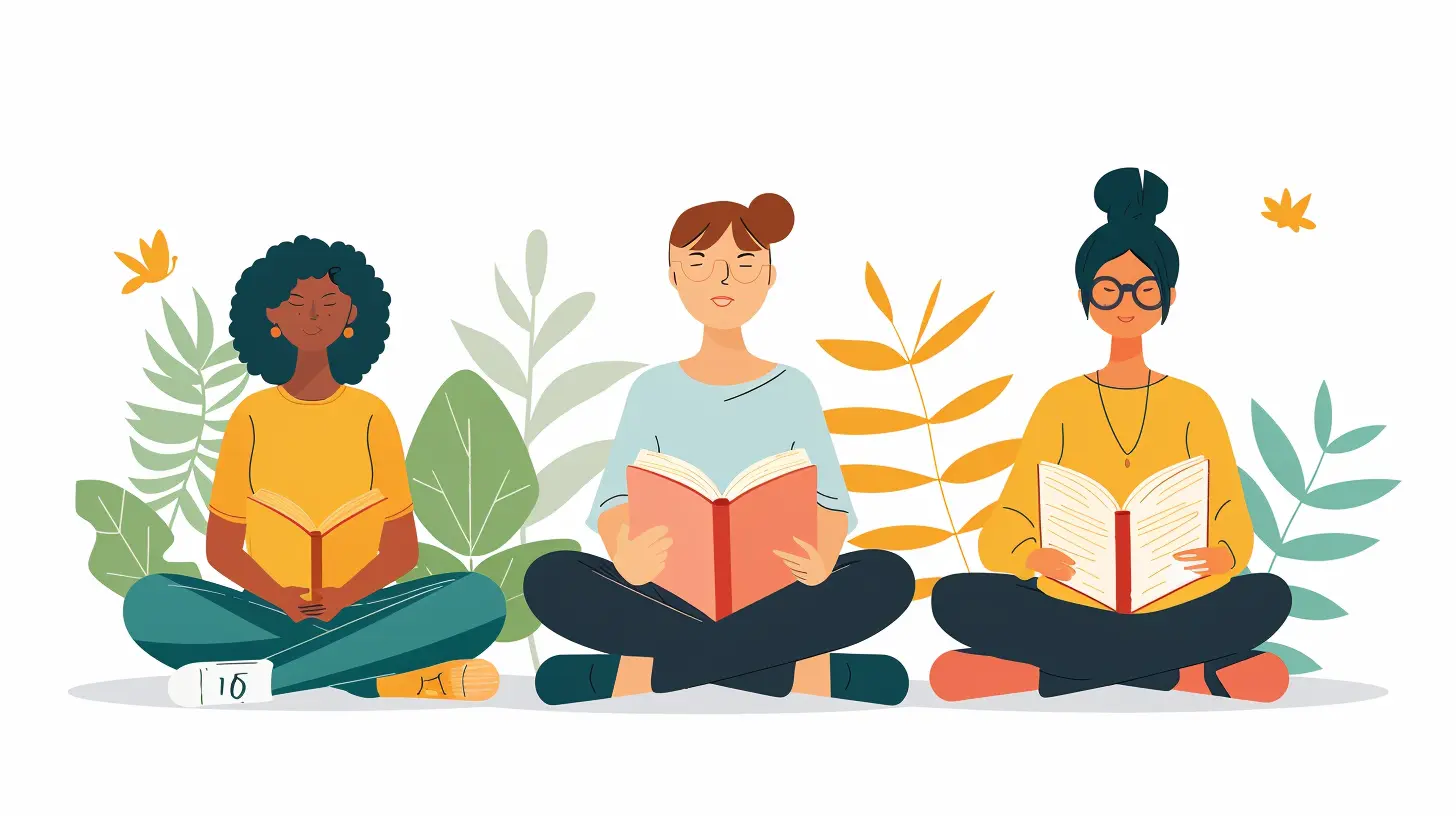
Why Schools Should Make Self-Care a Priority
We teach algebra, historical dates, and diagramming sentences—but where’s the class on managing stress or dealing with social anxiety?Here are some solid reasons schools need to step up and prioritize self-care education:
- Reduces burnout and drop-out rates
- Improves classroom behavior and focus
- Fosters a positive school environment
- Promotes lifelong healthy habits
- Prepares students for real-world challenges
Essentially, when students are mentally and emotionally healthy, they learn better. Isn’t that the ultimate goal?
How Self-Care Can Be Taught in Schools
Okay, so we’ve made the case. But how exactly can schools integrate self-care into daily routines? Don’t worry—it doesn’t mean overhauling the entire curriculum. Small changes can make a big impact.1. Start with Mental Health Education
Introduce students to basic concepts of mental health and emotional well-being early on. Workshops, guest speakers, or even short weekly lessons can normalize conversations around feelings, stress, and mental well-being.2. Create Safe Spaces
Students need spaces where they can just… breathe. A quiet room in school where they can go if they’re overwhelmed, or a trusted counselor they can talk to, can work wonders.You’d be surprised how one simple space or person can stop a meltdown in its tracks.
3. Encourage Mindfulness Techniques
Simple mindfulness exercises like deep breathing, guided meditations, or gratitude journaling can be game-changers. And they don’t take hours—just a few minutes each day can refresh students' minds.Imagine starting each school day with a two-minute breathing session. That’s a reset button more schools need to push.
4. Promote Physical Self-Care
Teach students about healthy eating, the importance of sleep, and regular exercise—not just in health class, but as part of daily routines. Maybe offer brain breaks during long lessons, or encourage stretching between classes.Let’s face it, nobody learns well when they’re sleepy, starving, or sitting still for hours.
5. Normalize Asking for Help
Make it crystal clear that needing help is not a weakness. Whether it’s emotional, academic, or social—students should know that it’s okay to reach out.Teachers, counselors, and staff should model this openness too. Vulnerability can be contagious—in the best way.
The Role of Parents and Teachers
While schools play a huge role, parents and teachers are the coaches on this self-care journey. Here’s how they can help:- Model good self-care
Kids pick up more from what you DO than what you say. If they see you setting healthy boundaries or prioritizing rest, they’ll follow suit.
- Open the dialogue
Ask questions like “How are you feeling today?” or “What’s something you did for yourself this week?” These prompts keep self-care on their radar.
- Celebrate small wins
Did your child decide to take a walk after a stressful study session? That’s a win! Reinforcing these actions builds healthy habits.
Common Myths About Self-Care (Busted!)
Let’s bust a few myths that often make people roll their eyes at the idea of teaching self-care in schools.❌ “Self-care is selfish.”
Nope. You can’t pour from an empty cup. Taking care of yourself actually allows you to be more present for others.❌ “It’s just a trend.”
While #SelfCareSunday is trendy on Instagram, real self-care is timeless. It's a lifelong habit, not a hashtag.❌ “It’s only for people with mental health issues.”
Wrong again. Everyone needs it. Think of it like brushing your teeth—you don’t wait for a cavity before you start.Long-Term Benefits: Beyond the Classroom
The beauty of teaching self-care in school is that it doesn’t just help with grades or teenage angst—it sets the stage for adulthood.Students who grow up with self-care practices are more likely to:
- Handle stress effectively in their careers
- Build healthy relationships
- Avoid burnout in high-pressure environments
- Maintain a balanced lifestyle long-term
It’s like planting seeds now so they can grow into emotionally intelligent, balanced adults later. Isn't that what education is ultimately about?
Final Thoughts: Let’s Change the Narrative
Here’s the deal—we live in a world that praises hustle and productivity, but neglects rest and reflection. And students are absorbing that message way too young.Teaching self-care to students isn’t a luxury, or a fluffy extra. It's a necessity. It's what lays the foundation for healthy minds, resilient hearts, and successful lives.
So if you’re an educator, a parent, or even a student reading this—start the conversation. Make space for self-care, talk about it openly, and treat it as a priority.
Because today's self-caring students? They're tomorrow’s thriving adults.
all images in this post were generated using AI tools
Category:
Health EducationAuthor:

Zoe McKay
Discussion
rate this article
2 comments
Alyssa McNair
This article highlights a crucial topic! Teaching self-care to students not only helps them manage stress but also fosters resilience and well-being. It's essential for their growth and future success. Great insights on a vital aspect of education!
August 26, 2026 at 3:25 AM
Zoe McKay
Thank you for your thoughtful comment! I'm glad you found the insights valuable. Self-care is indeed key for student success.
Xena Roberts
This article highlights a crucial aspect of education. Teaching self-care empowers students to manage stress and foster resilience, equipping them with essential tools for personal well-being and long-term success in their academic and personal lives.
August 25, 2026 at 3:33 AM