The Importance of Peer Relationships for Gifted Learners
13 July 2026
Let’s face it—being gifted isn’t always the walk in the park most people think it is. Sure, acing tests and breezing through lessons sounds great, but gifted students often face unique social and emotional challenges. One of the biggest? Building and maintaining meaningful peer relationships.
Whether you're a teacher, parent, or star student yourself, understanding how and why these connections matter is key to helping gifted learners thrive—not just survive.
So, let’s dive deep into why peer relationships matter so much for gifted kids and teens, and what we can do to support them in this often overlooked area.
What Does It Mean to Be Gifted?
Before we go any further, let’s clear something up. When we say "gifted," we’re not just talking about students who score high on IQ tests. Giftedness can show up in many forms—academically, creatively, emotionally, or even physically.Gifted learners often think deeply, question everything, and dream big. They may love solving complex problems or lose themselves in books far beyond their age level. But that same depth often makes them feel “out of sync” with their peers.
Sound familiar? That’s why peer relationships are such a big deal.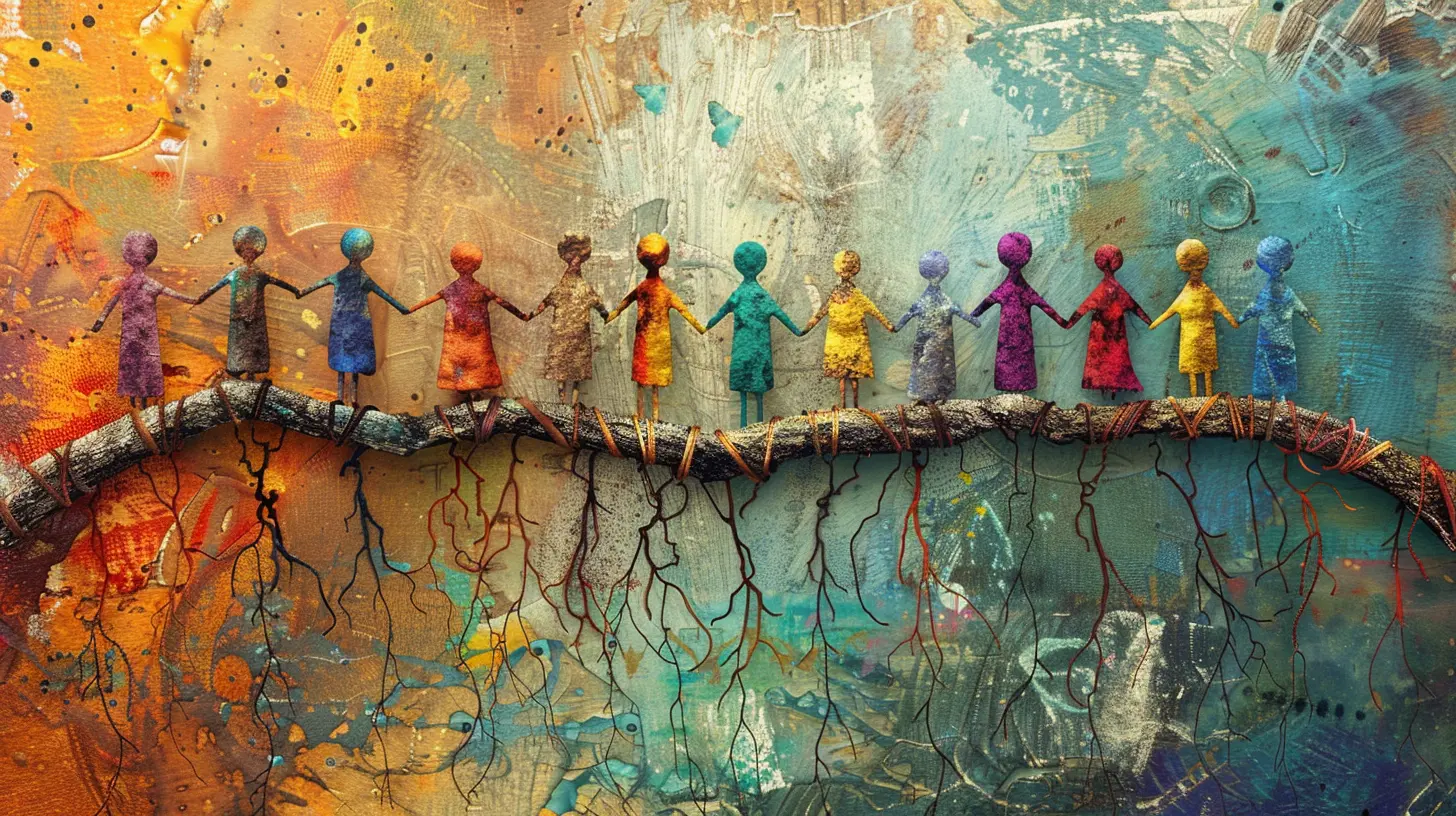
Why Peer Relationships Matter for Everyone (But Especially for Gifted Kids)
So why do these relationships hold so much weight? Simple: humans are social creatures. We crave connection—people who make us laugh, understand our quirks, and challenge our thinking.For gifted learners, it's not just about having friends. It's about finding people who get them. Here’s why it’s such a game-changer:
1. Emotional Support and a Sense of Belonging
Let’s be honest—it’s easy to feel isolated when you're the only one in class who’s excited about string theory or Shakespeare. Gifted learners often struggle to find peers who share their passions, intensity, or curiosity.That disconnect can lead to loneliness, anxiety, or even depression. But when they do find peers who "get" them, it's like discovering their tribe. Suddenly, they're not weird—they're just with the right crowd.
2. Intellectual Stimulation
Gifted kids often thrive on deep, meaningful conversations. They want to dig into topics, ask the big “why” questions, and challenge ideas. Regular classroom banter may not cut it.Peers who match (or even stretch) their thinking stimulate growth and keep that spark of curiosity alive. It's like iron sharpening iron—together, they get sharper and stronger.
3. Social Skill Development
Here’s the kicker: just because gifted learners are intellectually advanced doesn’t mean they're emotionally or socially mature. In fact, they often lag behind in these areas or misread social cues altogether.Strong peer relationships help bridge that gap. They learn to cooperate, listen, empathize, and compromise—not just score high on tests.
4. Identity Formation
During childhood and adolescence, kids are building their identities. They're asking, “Who am I?” and “Where do I fit in?”Gifted learners often feel torn between fitting in and being true to themselves. When surrounded by peers who accept and value them, gifted students gain the confidence to embrace their uniqueness—instead of hiding it.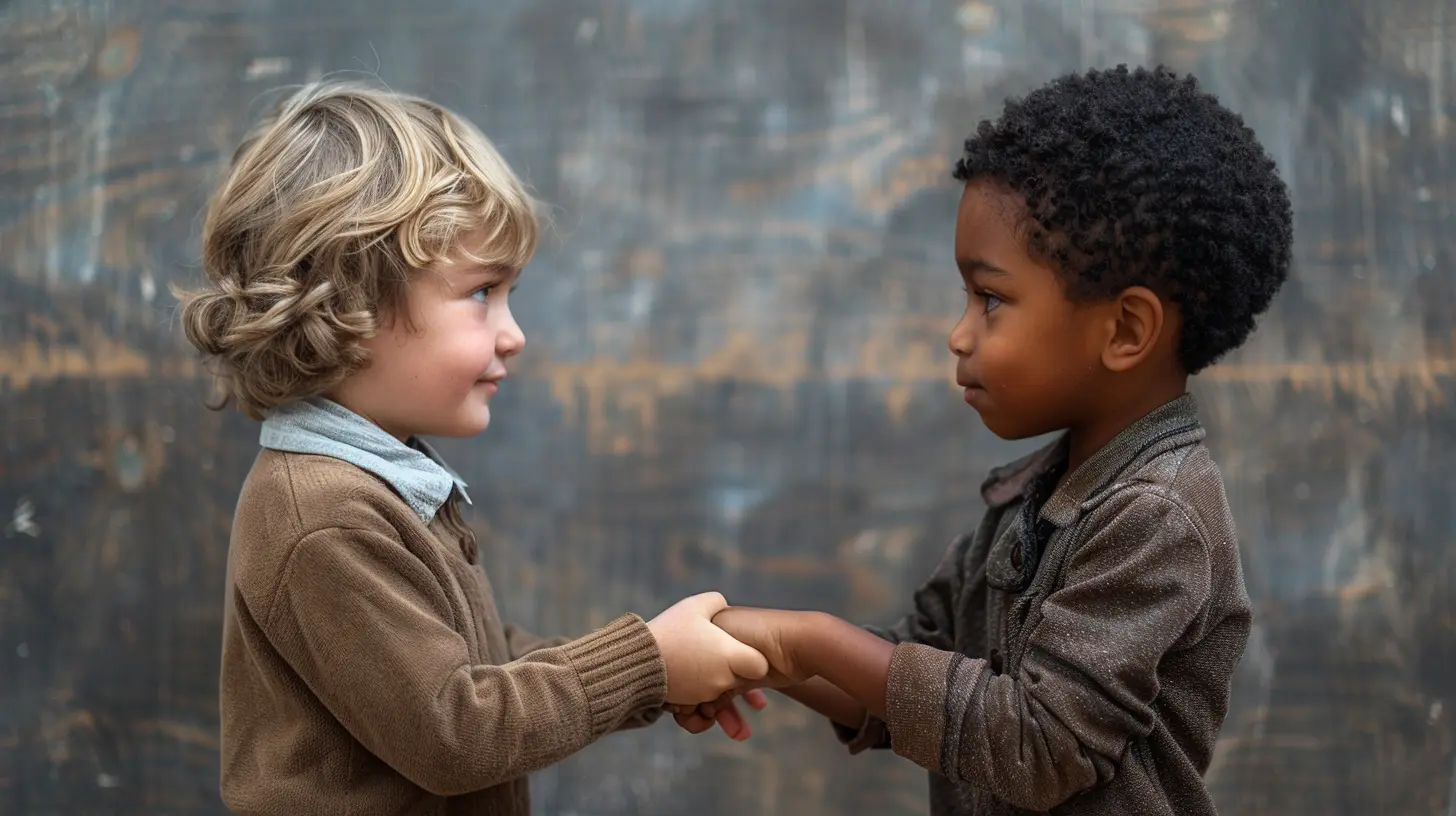
The Challenges Gifted Learners Face in Peer Relationships
Of course, it’s not always smooth sailing. For many gifted students, connecting with peers is more complicated than it sounds.1. Asynchronous Development
Gifted learners often develop intellectually faster than they do socially or emotionally. This is called asynchronous development. Imagine a 10-year-old with the reading level of a college student, but the emotional maturity of a… well, a 10-year-old.That mismatch can make it tough to find age-mates who relate to them on all levels. Older kids may match their intellect, but not their emotional needs. Same-age peers might feel like they’re “on a different planet.”
2. Perfectionism
Many gifted students wrestle with perfectionism. They fear mistakes and reject anything that doesn’t meet their high standards—even in social settings. That pressure can make them withdraw from peer interactions entirely.You can imagine how hard it is to build authentic friendships when you’re always trying to be flawless.
3. Sensitivity and Intensity
Gifted kids are often extra sensitive—emotionally, physically, and socially. Loud noises, criticism, or even unfair rules can set them off. They may feel more deeply, care more intensely, and react more strongly than their peers.This intensity can be a superpower, but it can also make social situations tricky. Peers may not understand why they overreact or get “too deep” so quickly.
4. Fear of Rejection or Bullying
Let’s not sugarcoat it—being different can be a social risk. Gifted kids are often targeted for being “know-it-alls,” “teacher’s pets,” or “weird.”After experiencing rejection or bullying, many gifted learners shrink back, avoiding friendships altogether to protect themselves. But in doing so, they miss out on the very connections that could help them flourish.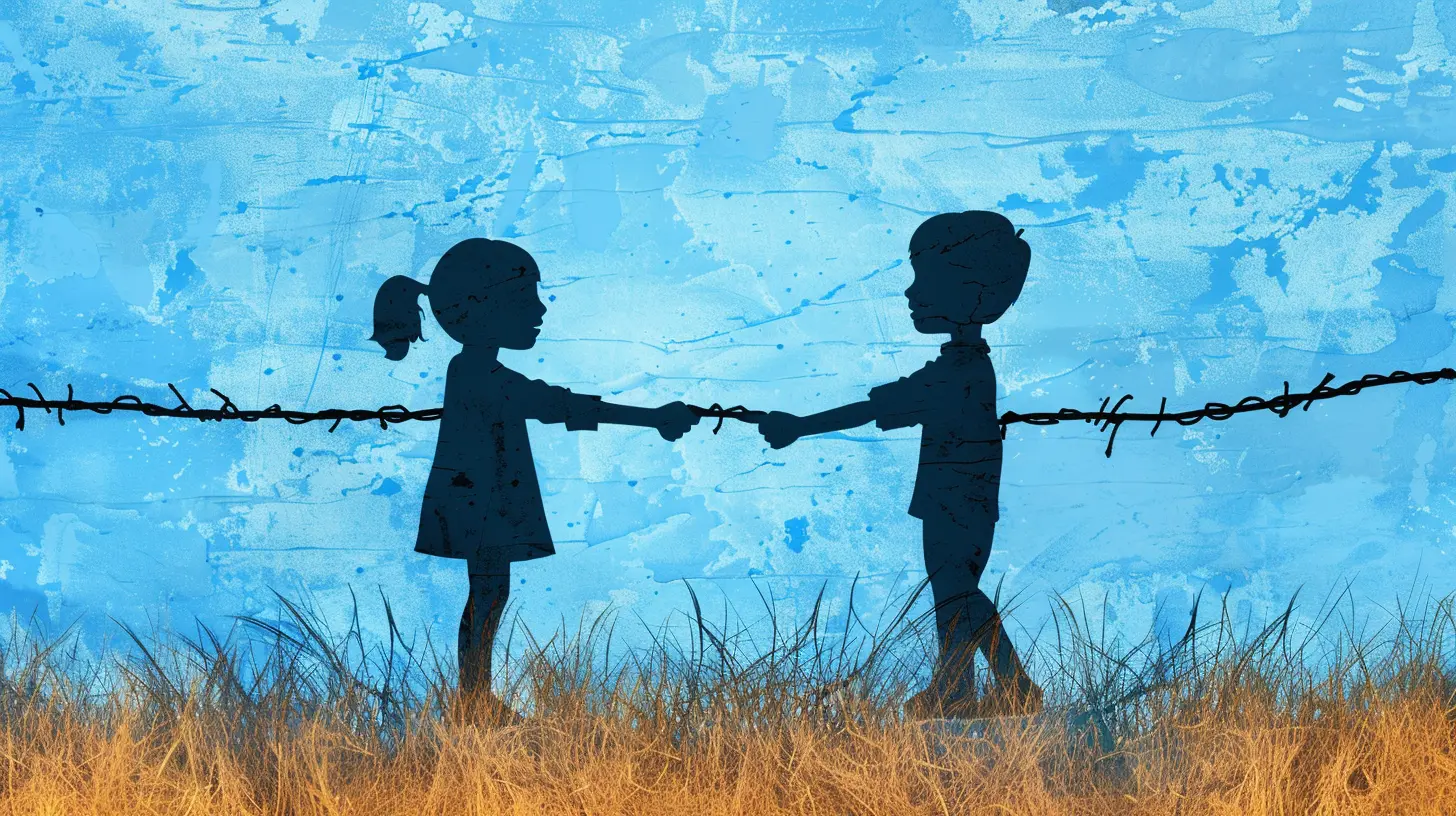
How Parents and Educators Can Support Peer Relationships
Here’s where you come in. Whether you're a teacher, administrator, or parent, you play a crucial role in creating environments where gifted learners can build positive peer relationships. Here’s how:1. Create Peer-Matching Opportunities
We can't force friendships, but we can create space for them to grow. Set up clubs, discussion groups, or extracurriculars where gifted students can meet like-minded peers. Think robotics teams, book clubs, coding camps, or science fairs.Even virtual communities can make a big difference—especially for kids in remote or rural areas.
2. Encourage Mixed-Age Friendships
Because gifted kids often think and feel differently from age peers, allow them the freedom to connect with older or younger friends who are on their wavelength. They may find more meaningful connections when they aren't boxed in by arbitrary age brackets.3. Teach Social-Emotional Skills
Gifted learners may need explicit instruction in things like empathy, active listening, conflict resolution, and self-awareness.These aren't just "add-ons"—they're life skills. Integrate social-emotional learning (SEL) into the curriculum or have open, honest conversations at home. Books, role-playing, and group projects can help, too.
4. Foster Acceptance and Anti-Bullying Practices
Build a classroom or home culture that celebrates diversity—not just in race or gender, but in learning styles, talents, and personalities. Make it clear that there’s no “normal” way to be smart, and that different doesn’t mean wrong.Tackling bullying should be a top priority. No one should feel unsafe being themselves.
5. Model Healthy Relationships
Want kids to value empathy, kindness, and collaboration? Show them. Kids are always watching. If they see you handling disagreements respectfully and building supportive relationships, they’ll follow suit—whether they’re gifted or not.Helping Gifted Teens Navigate Peer Pressure
Teenage years are a whole different ballgame. The desire to fit in becomes stronger, and gifted teens may start hiding their intelligence to avoid standing out.Sound familiar? Teens may “dumb themselves down” just to blend in. That’s heartbreaking—and completely avoidable.
Here’s what helps:
- Remind them that true friends will never ask them to be less than who they are.
- Encourage them to pursue passions through specialized programs or mentorships.
- Introduce them to older peers or adults who’ve walked a similar path.
- Reinforce that their uniqueness is a strength, not a weakness.
Being gifted isn’t something to shy away from—it’s something to embrace and cultivate.
When Peer Relationships Flourish, So Do Gifted Learners
When gifted learners find their people, it’s like water to a thirsty plant. They blossom—not just academically, but socially and emotionally.They laugh more. Try more. Trust more.
They stop hiding parts of themselves and start showing up as their whole, quirky, brilliant selves. And isn’t that the goal for all of us?
Final Thoughts
Peer relationships might not be the first thing we think of when we talk about gifted education—but maybe it should be. Because no matter how brilliant a student is, loneliness can dull even the brightest mind.Gifted learners don’t just need advanced curriculums or enrichment programs. They need friendships. They need peers who ignite their imagination, challenge their assumptions, and remind them they’re not alone.
So let’s build classrooms and communities where those friendships can thrive. Because when gifted learners find their people, the sky's the limit.
all images in this post were generated using AI tools
Category:
Gifted EducationAuthor:

Zoe McKay
Discussion
rate this article
1 comments
Zarenith Lee
Building strong peer relationships is crucial for gifted learners. These connections foster social skills, emotional support, and collaboration, enhancing their overall educational experience and personal growth.
July 14, 2026 at 10:41 AM
Zoe McKay
Absolutely, strong peer relationships not only enrich the learning experience for gifted learners but also provide essential emotional support and collaboration opportunities. It's vital for their growth both in and out of the classroom.