The Importance of Health Screenings in Schools
8 August 2026
Introduction
When was the last time you took your child for a health check-up? As parents, we often prioritize school supplies, homework, and extracurriculars, but what about their health? Schools play a huge role in a child's overall well-being, and one of the best ways to ensure they stay healthy is through regular health screenings.
Health screenings in schools might not be the first thing that comes to mind when thinking about education, but they are just as essential as textbooks and classrooms. Let's break down why school health screenings are so important and how they can make a long-term difference in a child’s life. 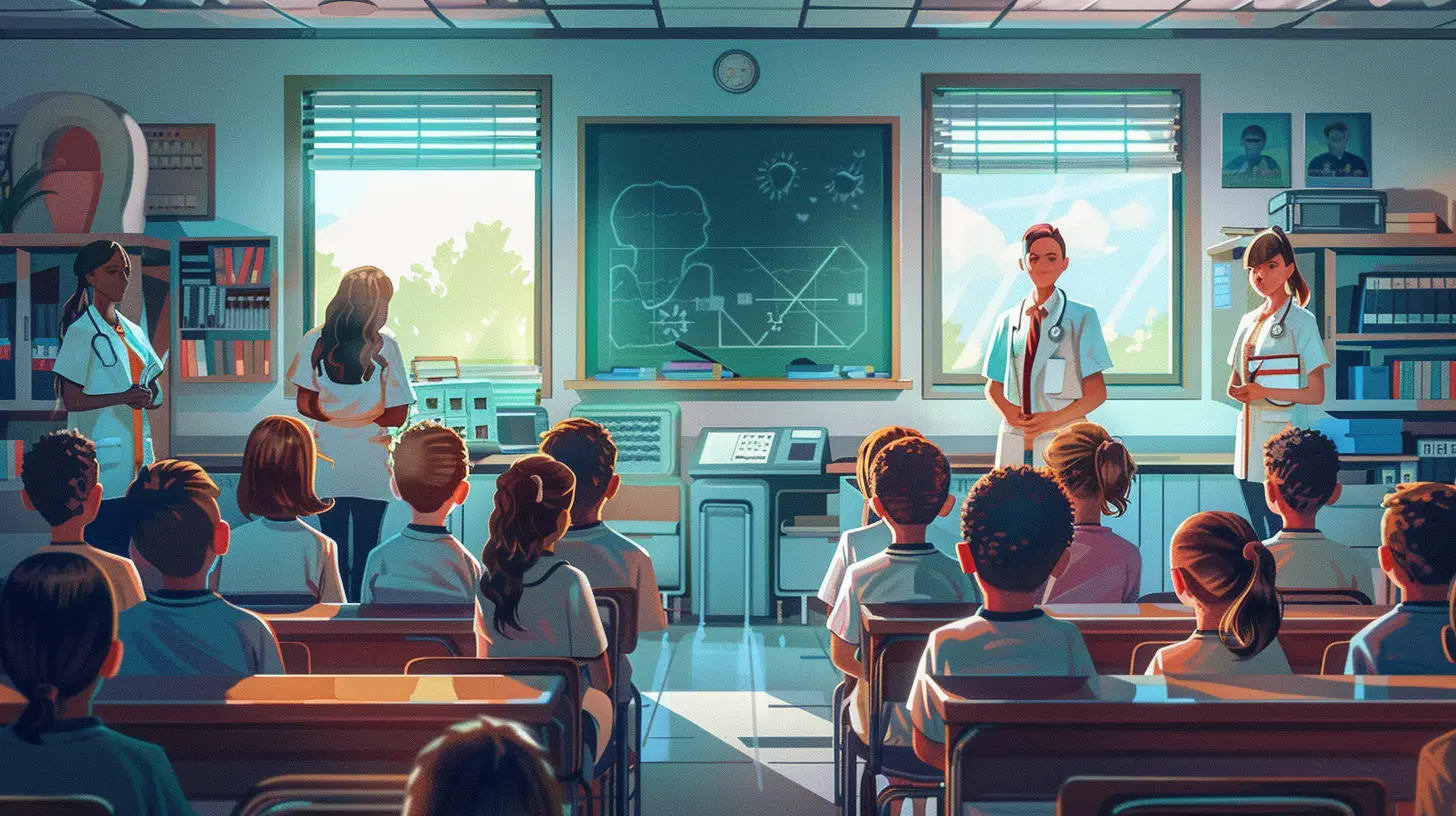
What Are School Health Screenings?
School health screenings are simple medical check-ups conducted in schools to detect potential health concerns early. These screenings usually include:- Vision tests – To check for nearsightedness, farsightedness, or other eye issues.
- Hearing tests – To ensure kids can properly hear their teachers and peers.
- Dental check-ups – Because toothaches and cavities can make it hard to focus in class!
- Body mass index (BMI) assessments – To identify potential weight-related health risks.
- Scoliosis screenings – To detect abnormal spinal curvatures.
- Mental health evaluations – Because emotional well-being is just as important as physical health.
These tests don’t replace a visit to the doctor, but they help catch problems early so they can be addressed before they worsen. 
Why Are Health Screenings in Schools So Important?
1. Early Detection Saves Lives
Think about it. If a child struggles to see the board but doesn't realize they have vision problems, their grades might suffer. Or if they have a hearing issue, they may miss vital instructions in class. Catching these issues early means they can get the help they need before it affects their learning and development.Health screenings act like an early warning system, identifying issues before they become serious medical conditions. For example, detecting high blood pressure in a child can help prevent future heart disease.
2. Improves Academic Performance
A child who is feeling unwell is unlikely to focus in class. Imagine sitting through a math lesson with a pounding headache—it’s not fun, right? Health screenings ensure that students don’t have underlying health issues that could interfere with their ability to learn.Studies have shown that healthier students perform better academically. Whether it’s an undiagnosed vision problem or an untreated ear infection, resolving these issues can significantly boost a child’s success in school.
3. Promotes Health Awareness
When kids go through regular health screenings, they become more aware of their own bodies and health. It encourages them to take health seriously from a young age.For instance, if a student learns they’re at risk for obesity, they might become more conscious of their diet and exercise habits. Schools can use these screenings as a starting point to educate students on how to stay healthy.
4. Prevents the Spread of Illness
Schools are like petri dishes—one child comes in sick, and before you know it, the whole class has caught the bug! By identifying contagious illnesses early, schools can take steps to prevent widespread outbreaks.Regular health check-ups help in spotting conditions like lice, flu, or even more serious infections, keeping students and teachers safe. 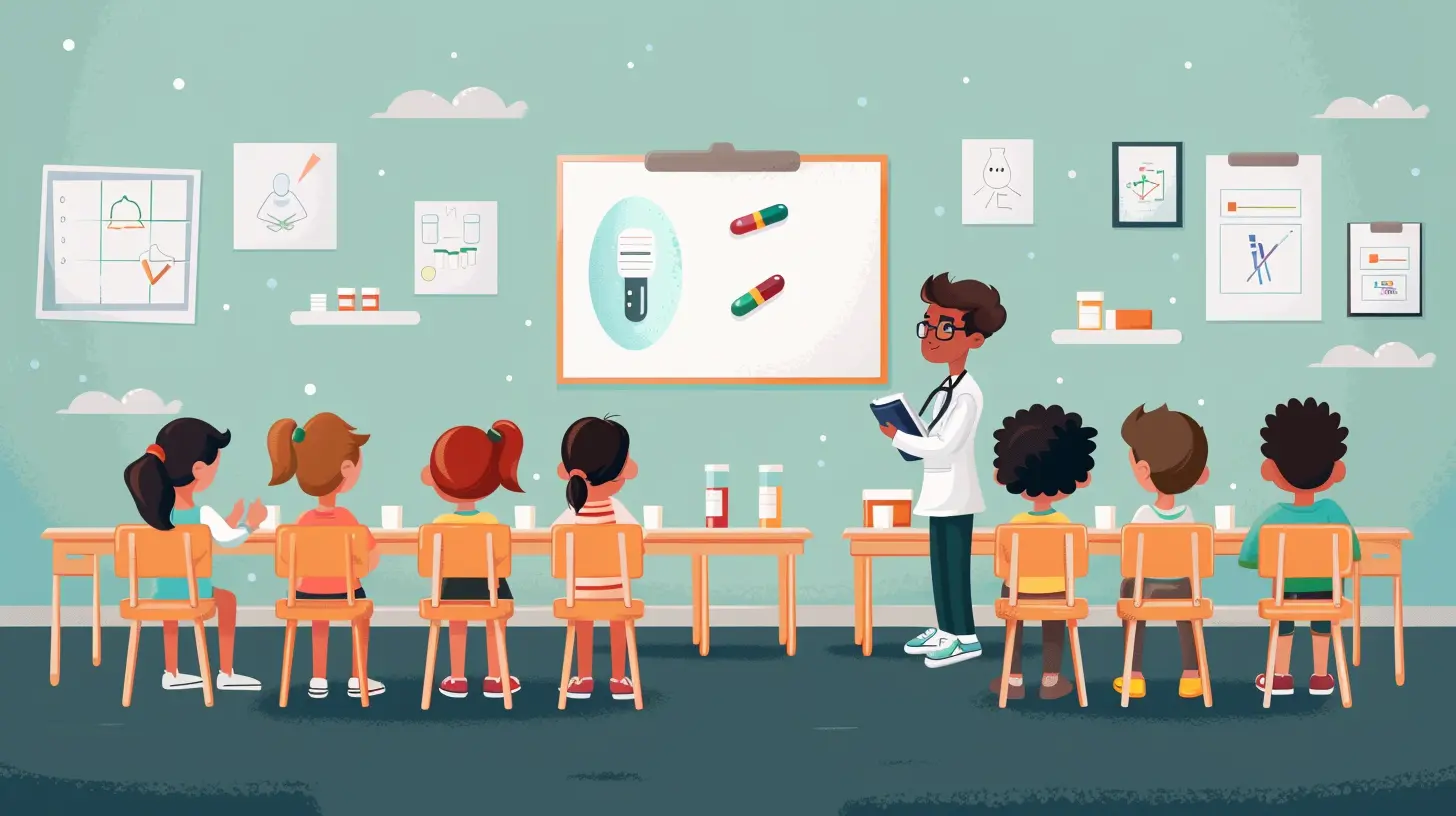
The Role of Parents in School Health Screenings
Health screenings in schools are a great start, but parents also play a crucial role. Here’s how you can support your child’s health:- Follow up on screening results – If the school notifies you about a concern, take action immediately!
- Schedule regular doctor visits – Screenings are helpful, but a pediatrician can provide in-depth medical advice.
- Encourage good health habits – Teach your child the importance of hygiene, balanced eating, and exercise.
A collaboration between parents and schools ensures that children get the best possible healthcare support. 
Addressing Concerns About School Health Screenings
Some parents worry about privacy and parental consent when it comes to school health screenings. It’s completely understandable—you want to make sure your child’s personal health details are handled with care.Most schools follow strict privacy guidelines and ensure all screenings are conducted professionally. Parents are also informed before any tests are done, and they have the option to opt-out if they prefer to use their own healthcare providers.
The key is open communication. If you have concerns, talk to your child’s school and understand how they conduct the screenings.
The Long-Term Benefits of School Health Screenings
While the immediate benefits of health screenings are clear, their impact stretches far into the future. Detecting issues early can lead to better long-term health outcomes, reducing the risk of chronic diseases in adulthood.For instance, early detection of spinal issues can prevent severe back problems later in life. Addressing childhood obesity can reduce the chances of developing diabetes or heart disease. Essentially, these screenings don’t just help kids today—they set them up for a healthier tomorrow.
Conclusion
At the end of the day, school health screenings are a lifesaver—literally. They ensure students are physically and mentally ready to learn, prevent health issues from snowballing, and create a culture of health awareness among children.As parents and educators, we must support these programs and take their results seriously. After all, a healthy child is a happy, thriving, and successful child. So, next time your school offers a health screening, remember—it’s not just a routine check-up. It’s an investment in your child’s future.
all images in this post were generated using AI tools
Category:
Health EducationAuthor:

Zoe McKay
Discussion
rate this article
1 comments
Georgina Mendoza
Health screenings in schools are essential! They help kids stay healthy and catch issues early. It's a great investment in our children's future... so important!
August 27, 2026 at 5:05 AM