The Importance of Cultural Immersion During Your Study Abroad Experience
4 January 2026
Studying abroad is an exciting journey, full of new experiences and endless opportunities. You’re not just signing up to take classes in another country; you’re stepping into a whole new world. Yet, while academics are a big part of why you're there, one of the most rewarding aspects of studying in a foreign land is the cultural immersion that comes with it.
But what exactly is cultural immersion, and why should it matter to you during your study abroad experience? Well, let’s dive right into it!
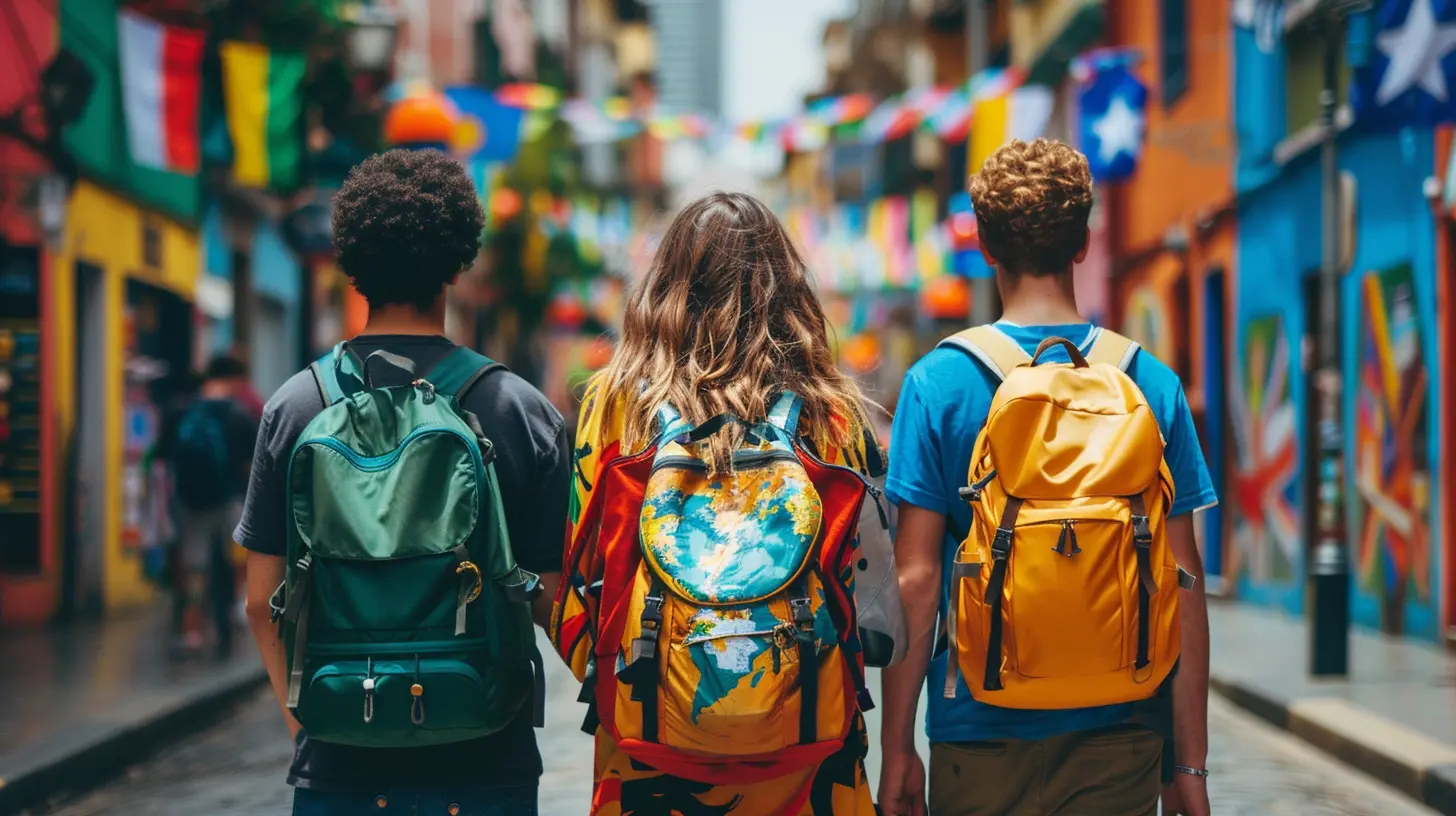
What is Cultural Immersion?
Cultural immersion is more than just being physically present in a new country. It’s about fully engaging with the culture, customs, and traditions of your host country. It’s about making a conscious effort to connect with the local community, understand their way of life, and, in some cases, temporarily adopt it as your own.Think of it as plunging headfirst into a swimming pool. You don’t just dip your toes in the water and call it a day. Instead, you dive in to feel the full experience. When you immerse yourself in a culture, you're doing the same thing—you’re jumping into a whole new way of living, learning, and interacting with the world.
Why Is Cultural Immersion So Important?
Alright, so you might be thinking: “Why should I bother? Can’t I just stick to my comfort zone and hang out with other international students?” Sure, you can do that, but you'd be missing out on a golden opportunity. Let’s break down why cultural immersion is so crucial during your study abroad adventure.1. Enhances Personal Growth
When you're in a new country, everything is different: the language, the social norms, the food, the way people interact... the list goes on. It can be overwhelming at first, but that's exactly where the magic happens.Immersing yourself in a new culture challenges your mindset and forces you to grow. You start to see the world through a different lens, and you develop empathy and understanding for people who live differently than you. It’s like hitting the "refresh" button on your world view. You’ll come back home not just with great memories and photos, but with a more open, flexible, and curious mind.
2. Improves Language Skills
Let’s face it—language learning in a classroom and language learning in the real world are two completely different beasts. When you immerse yourself in a culture, you’re constantly exposed to the local language. You’ll be ordering food, asking for directions, and chatting with locals, all in their native tongue.At first, it may feel like you're piecing together a puzzle with missing parts, but over time, you’ll notice that your language skills improve much faster than they would in a formal classroom setting. Plus, you'll pick up on slang, accents, and everyday expressions that textbooks just don’t cover.
3. Builds Lifelong Connections
One of the often-overlooked benefits of cultural immersion is the relationships you form along the way. When you make an effort to connect with locals, you’re opening the door to friendships that could last a lifetime. These relationships are often deeper and more meaningful because they transcend cultural barriers.You’ll also gain a network of connections from all over the globe. Whether it’s a local café owner who remembers your name or a host family that treats you like one of their own, these relationships add a level of richness to your study abroad experience that you simply can’t get by staying in your bubble.
4. Enhances Career Opportunities
Believe it or not, employers love seeing cultural immersion on your resume. Why? Because it shows that you’re adaptable, open-minded, and capable of thriving in diverse environments. In our increasingly globalized world, these are key skills that companies look for when hiring.Whether you’re applying for a job in international relations, business, or even tech, the experience of having lived and thrived in another culture gives you a competitive edge. It highlights that you can communicate effectively with people from different backgrounds and are comfortable working in cross-cultural teams.
5. Deepens Academic Understanding
It’s easy to think of academics and culture as two separate things, but in reality, they’re deeply intertwined. The history, politics, and even the literature of a country are all shaped by its culture. When you immerse yourself in the local way of life, you gain a deeper understanding of the academic subjects you’re studying.For example, if you’re studying art history in Italy, it’s one thing to read about the Renaissance in a textbook—but it’s a whole other experience to see the artworks in person, speak with local historians, and walk through the same streets that inspired the artists. Cultural immersion gives context to what you’re learning and makes your academic experience more enriching.
How to Immerse Yourself in a New Culture
So, now that we’ve established why cultural immersion is so important, how do you actually go about doing it? Here are some practical tips to make the most of your study abroad experience.1. Learn the Language (Or at Least Try!)
Even if you’re not fluent, making an effort to speak the local language goes a long way. People appreciate it when you try, and it opens up more opportunities to engage with locals. Start with the basics—greetings, how to order food, and asking for directions. As you grow more comfortable, you can dive into more complex conversations.2. Live Like a Local
Instead of sticking to tourist hotspots, venture off the beaten path. Try local cafés, visit markets, and attend community events. If you can, opt for homestay accommodation instead of living with other international students. Living with a local family is one of the best ways to gain an authentic experience and learn about the culture from the inside.3. Participate in Local Traditions and Festivals
Every culture has its own unique traditions, festivals, and holidays. Whether it’s a traditional dance, a religious ceremony, or a food festival, these events offer a glimpse into the soul of the culture. Don’t just be an observer—participate! It’s a great way to meet new people and learn about the cultural values of your host country.4. Ask Questions
Don’t be afraid to ask locals about their customs and traditions. People love sharing their culture, and it’s a great way to learn more about why things are the way they are. Just be respectful and open-minded. You might discover fascinating stories or beliefs that you wouldn’t have learned otherwise.5. Try New Foods
One of the most delicious ways to immerse yourself in a new culture is by trying the local cuisine. Food is an important part of cultural identity, and each dish tells a story. Don’t be afraid to step out of your comfort zone and try something new. Whether it’s street food or a homemade meal from your host family, you’re bound to discover new flavors and textures that you’ll remember long after you’ve left.6. Engage in Cultural Activities
Sign up for cultural classes, workshops, or volunteer opportunities. Whether it's learning how to cook local dishes, taking dance lessons, or volunteering at a community center, these activities give you a hands-on experience of the culture. Plus, they provide valuable opportunities to interact with locals in a more relaxed and informal setting.
The Challenges of Cultural Immersion
Of course, cultural immersion isn’t always easy. It can be a bit of a rollercoaster ride, especially in the beginning. You might experience culture shock, homesickness, or even frustration when things don’t go the way you expect. But here’s the thing—it’s all part of the process.Cultural immersion is about embracing the discomfort and learning from it. You’ll have moments where you feel out of place, but those are the moments where the most growth happens. The more you immerse yourself, the more comfortable and confident you’ll become.
Conclusion: Why Cultural Immersion is a Must
At the end of the day, cultural immersion is what takes your study abroad experience from “good” to “life-changing.” It’s the difference between being a tourist and truly understanding the world from a new perspective. The memories you make, the skills you develop, and the relationships you build will stay with you long after you've returned home.So, don’t just dip your toes in—dive in! Say “yes” to new experiences, embrace the beauty of the unknown, and let the culture of your host country shape you in ways you never expected.
all images in this post were generated using AI tools
Category:
Study AbroadAuthor:

Zoe McKay
Discussion
rate this article
2 comments
Thalyn McNeely
Cultural immersion transforms study abroad into a profound journey. It fosters empathy, broadens perspectives, and enriches personal growth, ensuring that the experience extends far beyond academics into a lifelong appreciation of diversity.
February 13, 2026 at 4:10 AM
Zoe McKay
Thank you for your insightful comment! I completely agree—cultural immersion truly enhances the study abroad experience, fostering empathy and a deeper understanding of our diverse world.
Maya James
Cultural immersion transcends mere observation; it fosters empathy and understanding, enriching our global perspective. By engaging with diverse communities, students not only enhance their academic journey but cultivate a deeper appreciation for humanity's shared narratives, ultimately shaping them into more thoughtful, compassionate global citizens ready to tackle complex world challenges.
January 9, 2026 at 6:02 AM
Zoe McKay
Thank you for highlighting the profound impact of cultural immersion. Engaging with diverse communities not only enriches academic experiences but also fosters empathy, shaping students into compassionate global citizens ready to address complex challenges.