The History and Significance of the United Nations
24 January 2026
If you're someone who keeps half an eye on world affairs, you've probably heard of the United Nations (or UN, as most of us call it). But here's the real question: do you actually know how and why it came to be or why this mega-organization still matters today?
Stick around, because we're diving deep into the history and significance of the United Nations in a way that’s easy to understand, surprisingly interesting, and—let’s be honest—important for everyone to know.
What Sparked the Creation of the United Nations?
Let’s rewind a bit. Picture the world in the 1940s. The globe had just witnessed the catastrophic horror of World War II—not once, but twice in a few short decades. With over 60 million people dead, cities destroyed, economies ruined, and immense suffering, world leaders collectively thought: “Enough is enough.”There was a simple yet powerful desire: to prevent this kind of global catastrophe from ever happening again.
Enter the idea of a new international organization built not just to talk peace, but to preserve it.
The Ghost of the League of Nations
Before the UN, there was the League of Nations—a similar concept born after World War I. Unfortunately, it lacked real power and, frankly, cooperation from key countries like the United States. Spoiler alert: it failed. Big time.So when the dust settled after World War II, countries wanted a do-over, but this time, with stronger bones.
The Birth of the United Nations
The official birthdate of the United Nations? October 24, 1945. That’s the day it came to life after 51 countries signed the UN Charter.Fun fact: That’s why we celebrate United Nations Day every October 24th!
Who Were the Founding Members?
The main architects of the UN were the Allied powers during World War II—think the United States, the Soviet Union (now Russia), the United Kingdom, China, and France. These five countries became permanent members of the UN’s most powerful body: the Security Council. More on that later.
What Does the United Nations Actually Do?
Here’s where most people get stuck—they know the UN is important, but they’re not entirely sure what it is they actually do.In a nutshell, the UN aims to:
- Maintain global peace and security
- Promote human rights
- Deliver humanitarian aid
- Support sustainable development
- Uphold international law
So essentially, they’re like the referee, the doctor, the lawyer, and the coach of the global neighborhood—all rolled into one.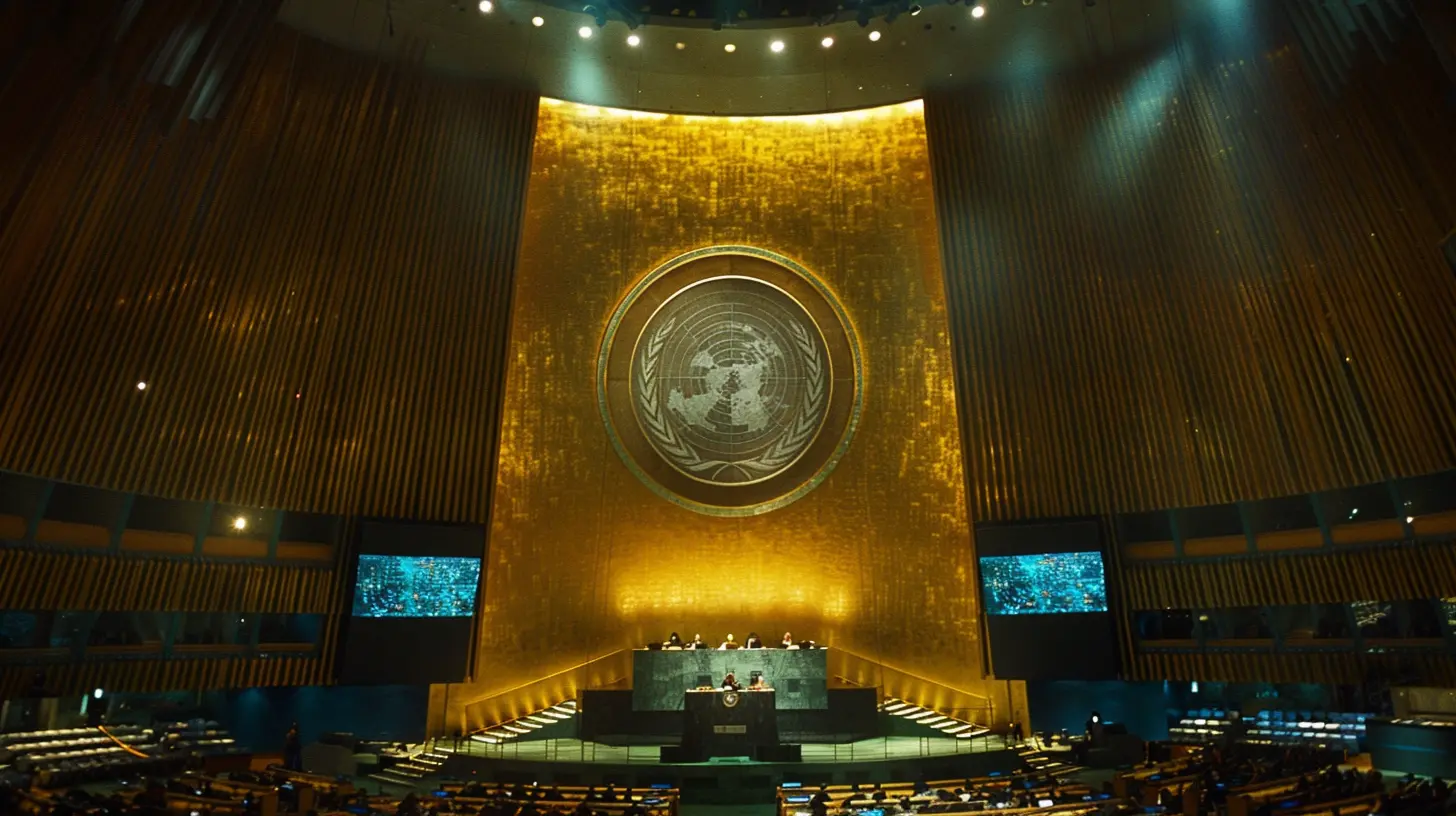
Key Milestones in UN History
Let’s look at some defining moments that shaped the UN’s role on the world stage:1. The Universal Declaration of Human Rights (1948)
Imagine writing the world’s rulebook for basic human decency—that’s what happened here. The UN created a document that set the standard for what rights every person should have, no matter where they’re born.2. Peacekeeping Missions
Since 1948, the UN has deployed peacekeeping troops to conflict zones around the world—from Rwanda to Kosovo to the Democratic Republic of Congo. These are the folks in the blue helmets. Their job? To ease tensions, protect civilians, and help maintain ceasefires.3. Sustainable Development Goals (SDGs)
In 2015, the UN launched the 17 Sustainable Development Goals—a global to-do list with everything from ending poverty to ensuring clean water and quality education by 2030. Ambitious? Definitely. Necessary? Absolutely.4. Global Health Efforts
The UN’s health arm, the World Health Organization (WHO), has been critical in tackling global health crises—be it eradicating smallpox, responding to Ebola outbreaks, or coordinating the COVID-19 response.Why the United Nations Still Matters Today
You might be wondering, “Is the UN really that relevant today?” Oh, absolutely. Global issues don’t stop at borders.Here’s why the UN continues to be a key player:
1. Peace and Security Aren’t Guaranteed
Just turn on the news. From ongoing wars to rising tensions, we’re far from a peaceful planet. The UN provides a platform for countries to talk instead of shoot.2. Global Problems Need Global Solutions
Whether it’s climate change, pandemics, or cybercrime, these issues don’t care about national boundaries. The UN acts as a united front to tackle them together.3. Gives Voice to Smaller Nations
Without the UN, smaller countries could easily be drowned out by the louder, richer powers. The General Assembly gives each member state an equal vote, leveling the playing field.The Structure: Who's In Charge, Anyway?
The UN isn’t a single entity—it’s more like a family of bodies working together. Each has its own role, but they all aim for the same goal: a better world.1. The General Assembly
This is the UN’s big town hall. Every country has one vote, and while it doesn’t make binding decisions, it sets the tone for global conversations.2. The Security Council
This one’s the big boss when it comes to peace and security. It has 15 members—5 permanent (with veto power) and 10 rotating. The catch? If one of the P5 (like the U.S. or Russia) doesn’t agree, action can be blocked.3. The Secretariat
This is the UN’s executive branch, headed by the Secretary-General (kind of like the organization's CEO). They oversee operations and speak on behalf of the UN.4. The International Court of Justice
This is the legal arm. It settles disputes between states and offers legal opinions. Think Judge Judy, but for countries.5. Specialized Agencies
These include the WHO, UNESCO (education and culture), UNICEF (children’s welfare), and many more. Each focuses on a specific issue impacting humanity.Criticisms and Controversies
Let’s keep it real: the UN isn’t perfect. It has its share of critics.1. Bureaucracy and Inefficiency
Some argue it’s bloated with red tape, making decision-making painfully slow.2. The Veto Power Problem
One of the biggest issues? Any of the five permanent members of the Security Council can veto a resolution, making it difficult to take action—even during crises.3. Not Always Effective
From failures to prevent genocides to inconsistent responses to conflicts, the UN hasn’t always lived up to its lofty mission.But here's the thing—no global organization is flawless. What matters is that the UN continues to evolve and adapt.
Looking Ahead: The Future of the UN
As we face the 21st century’s unique challenges—climate change, AI governance, global inequality—the UN will be more important than ever.It needs some fine-tuning, no doubt. More transparency, more reform in voting structures, and better coordination could go a long way. But the core idea? Still golden: nations working together to create a better world.
And the truth is, without it, the world would be a far more chaotic, divided, and dangerous place.
So, Does the UN Deserve Our Attention?
Absolutely. If you’ve ever enjoyed a relative sense of peace, or if you care about global rights, the environment, health, or security, then the UN affects you more than you probably realize.It’s not just some talking shop for diplomats in suits—it’s a symbol of hope for cooperation in an often divided world.
It might not be perfect, but what in life is?
Whether you’re a student, an educator, or just a curious mind, understanding the history and significance of the United Nations is a step toward becoming a more informed global citizen.
TL;DR (Too Long; Didn’t Read)
- The UN was founded in 1945 after World War II to promote peace and prevent future conflicts.- It has 193 member states and various bodies to tackle global issues.
- Its goals include peacekeeping, human rights, humanitarian aid, and sustainable development.
- It's faced criticism but remains vital in a highly interconnected world.
all images in this post were generated using AI tools
Category:
History LessonsAuthor:

Zoe McKay
Discussion
rate this article
2 comments
Tiffany Campbell
This article beautifully highlights the UN's journey and impact. It’s a reminder of how global collaboration shapes our world. Essential reading for anyone curious about international relations!
February 25, 2026 at 11:20 AM
Zoe McKay
Thank you for your kind words! I'm glad you found it insightful. Global collaboration truly makes a difference.
Karly Murphy
This article effectively highlights the UN's crucial role in fostering global cooperation and peace efforts.
January 24, 2026 at 4:58 AM
Zoe McKay
Thank you for your feedback! I'm glad you found the article effective in showcasing the UN's vital role in promoting global cooperation and peace.