The Hidden Benefits of Applying to Smaller Colleges
16 November 2026
When it comes to higher education, the choice between large universities and smaller colleges often comes down to personal preference. However, many students overlook the unique advantages that smaller colleges offer. While larger institutions boast extensive resources and a diverse array of programs, smaller colleges provide an environment that fosters community, individualized attention, and unique opportunities. In this article, we will delve into the hidden benefits of applying to smaller colleges, exploring how they can shape your academic and personal journey.
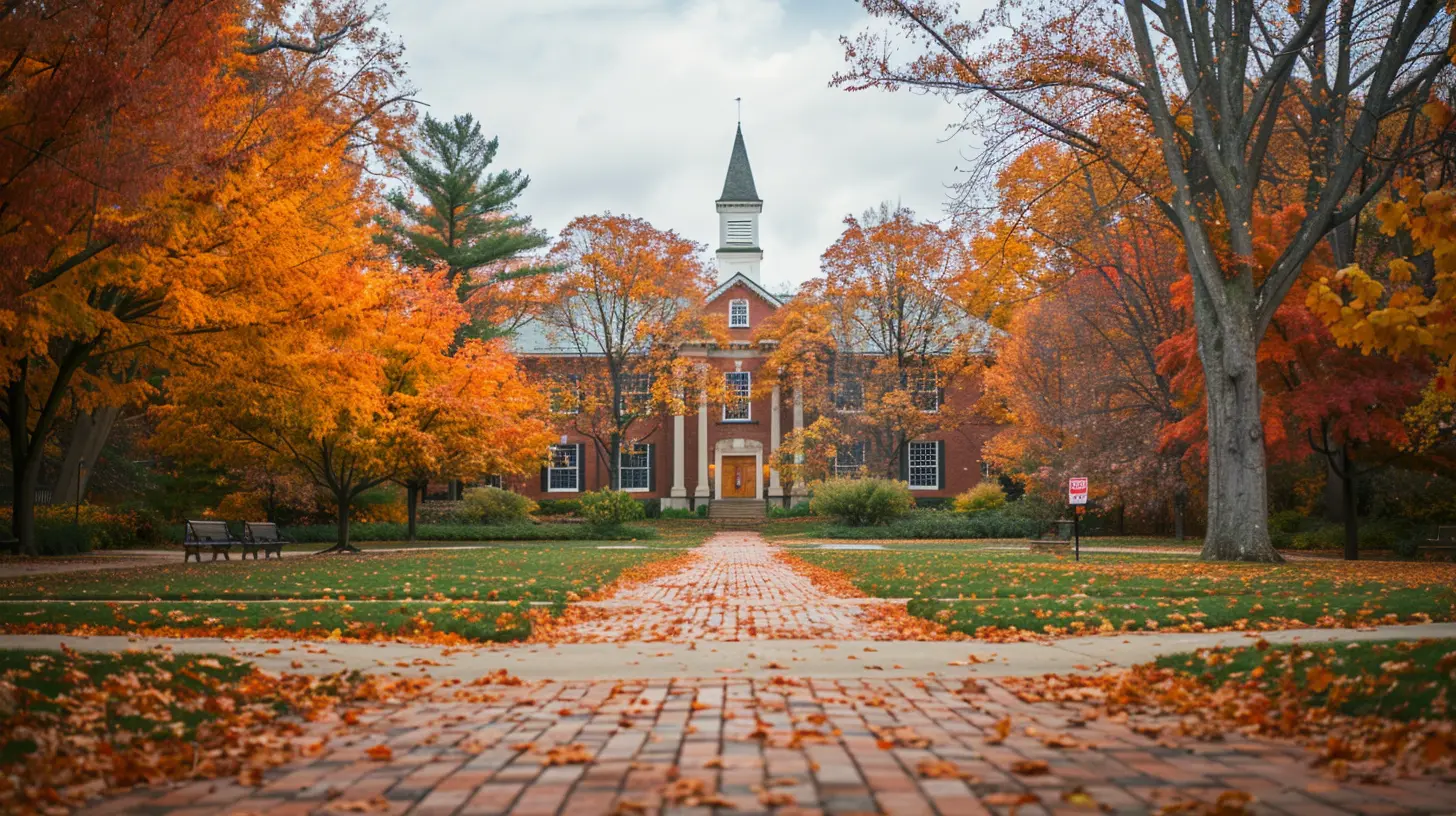
A Closer Look at Community and Relationships
Fostering Relationships with Faculty
One of the most significant advantages of attending a smaller college is the ability to develop close relationships with faculty members. In smaller classes, students often find themselves with more opportunities for interaction and engagement. Professors are usually more accessible and willing to provide mentorship, guidance, and support.Real-World Example
Consider a student studying biology at a large university, where introductory classes may have hundreds of students. The professor may hardly know the students' names. Conversely, in a smaller college setting, a biology professor might teach a class of 15 to 20 students and can take the time to understand each student's interests and career aspirations. This personal connection can lead to research opportunities, internships, and strong letters of recommendation that can be invaluable later in life.Building Lasting Friendships
Smaller colleges often nurture a greater sense of belonging, allowing students to create lasting friendships. With fewer students on campus, there are more opportunities to meet and collaborate with peers. This can lead to deeper connections, as students often share similar interests and values.Community Engagement
Many small colleges emphasize community engagement and service. This focus allows students to participate in meaningful activities that not only help the community but also strengthen their ties with fellow students. Engaging in service projects can build a sense of purpose and camaraderie that is often less pronounced in larger institutions.
Personalized Academic Experience
Tailored Course Selection
At smaller colleges, students often have more flexibility in designing their academic paths. With fewer bureaucratic hurdles, it becomes easier to explore courses across disciplines, allowing for a more personalized education. This is particularly beneficial for students with interdisciplinary interests.Example of Course Flexibility
For instance, a student interested in environmental science may wish to take classes in politics, sociology, and economics. In a smaller college environment, the administration may be more willing to accommodate cross-disciplinary study, leading to a broader understanding of complex issues.Supportive Learning Environment
Smaller classes also mean a more supportive learning environment. In smaller settings, professors can adapt their teaching methods to suit the needs of their students, ensuring that everyone grasps the material. This flexibility can lead to improved academic performance and greater student satisfaction.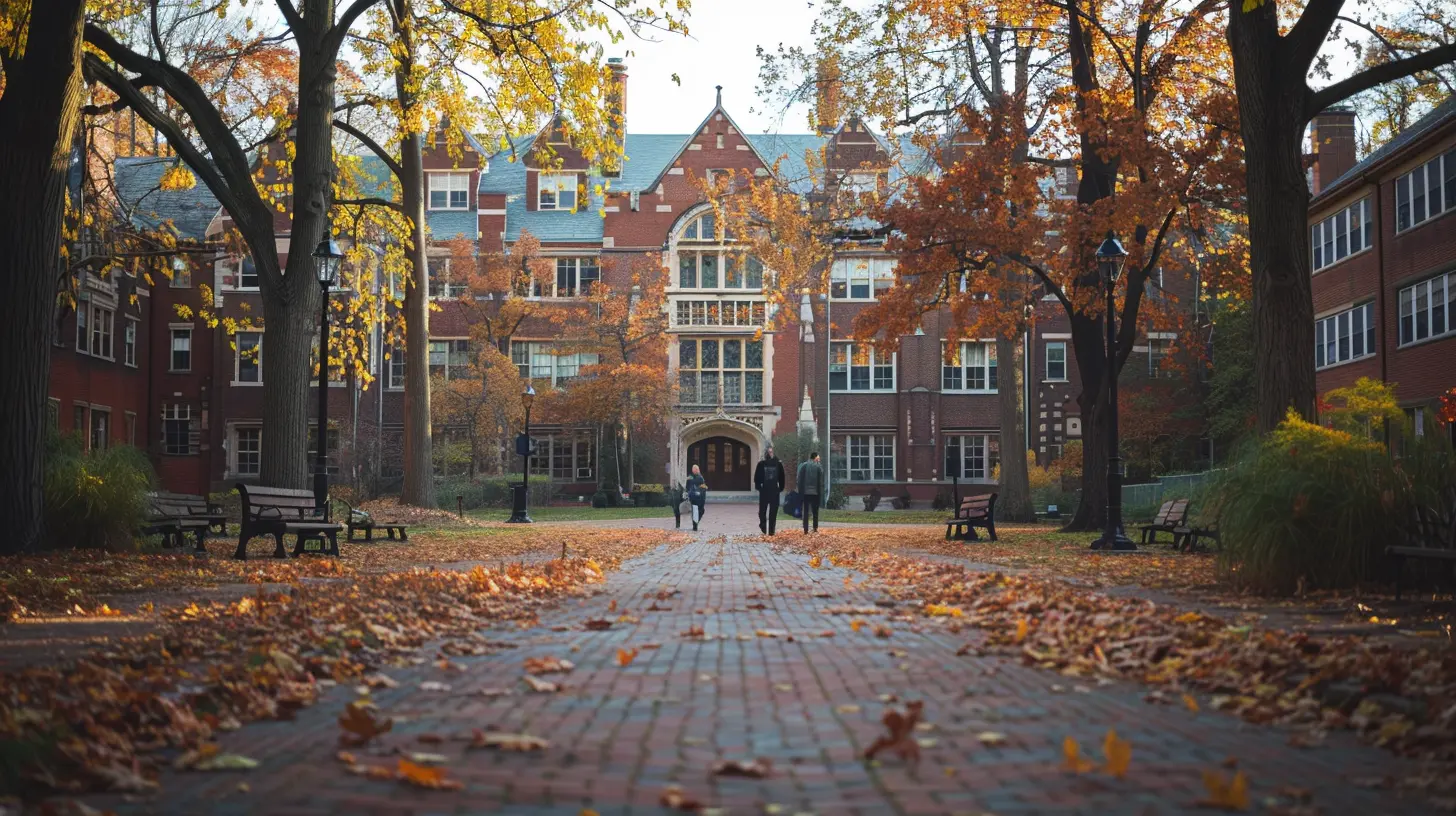
Opportunities for Involvement and Leadership
Engaging in Extracurricular Activities
Smaller colleges typically offer a wider range of leadership opportunities. With fewer students vying for positions in clubs and organizations, it is easier to take on leadership roles. This can enhance resumes and build skills that are attractive to employers.Developing Skills through Involvement
A student interested in student government or campus organizations at a larger university may find it challenging to gain a leadership position due to competition. On the other hand, a smaller college may allow that same student to assume a leadership role, providing valuable experience in governance, event planning, and teamwork.Building a Diverse Skill Set
Engagement in various extracurricular activities helps students develop a diverse skill set. Whether it's through sports, the arts, or student governance, students at smaller colleges are often encouraged to pursue multiple interests. This can lead to a well-rounded education that prepares them for the workforce.
Access to Unique Programs
Specialized Majors and Minors
Smaller colleges often offer niche programs that may not be available at larger institutions. These programs can provide students with unique learning experiences and specialized skills that are highly valued in specific industries.Case Study of Unique Offerings
For example, a small liberal arts college might offer a major in sustainable agriculture or a minor in film studies that a larger university does not emphasize. Students pursuing these fields can benefit from specialized faculty expertise and focused resources, making them more competitive in the job market.Research Opportunities
Smaller colleges often prioritize undergraduate research, allowing students to work closely with faculty on projects. This hands-on experience can be invaluable for those considering graduate school or careers in research-intensive fields.Example of Research Experience
A student studying psychology might have the chance to assist a professor in conducting experiments or analyzing data. Such experiences not only enhance understanding but also strengthen a student's application for graduate programs.Financial Considerations
Competitive Financial Aid Packages
While larger universities often have significant endowments and financial aid resources, smaller colleges can be equally competitive in their financial aid offerings. Many smaller institutions prioritize attracting talented students and may offer generous aid packages that can make attendance more affordable.Understanding Financial Aid
Prospective students should thoroughly research financial aid options at smaller colleges. Some institutions may offer merit scholarships based on academic achievement, while others may provide need-based aid that can significantly reduce costs.Lower Overall Costs
In general, smaller colleges often have lower tuition rates compared to larger institutions. This can lead to reduced student debt upon graduation, a significant consideration for many students and their families.
A Diverse Learning Environment
Emphasizing Diversity and Inclusion
Smaller colleges often prioritize creating a diverse and inclusive environment. With a focus on community and relationships, these institutions may foster a culture that values different perspectives and backgrounds.Benefits of Diverse Perspectives
Diversity enriches the academic experience by encouraging students to engage with viewpoints different from their own. This exposure can lead to greater empathy, enhanced critical thinking skills, and a better understanding of global issues.Finding Your Fit
Students should assess the campus culture of smaller colleges to determine if it aligns with their values and goals. Engaging with current students and alumni can provide valuable insights into the community and its commitment to diversity.Navigating Misconceptions
The Myth of Limited Resources
One common misconception about smaller colleges is that they lack the resources of larger institutions. While it is true that some smaller colleges may not have the same extensive facilities or funding, many offer personalized resources that can enhance the educational experience.Evaluating Resources
Students should consider the quality and accessibility of resources rather than just quantity. For instance, smaller colleges may provide intimate library settings, easier access to advisors, and more personalized academic support services.Understanding Job Placement and Career Services
Another misconception is that smaller colleges do not have strong career services or job placement rates. In reality, many smaller colleges have dedicated staff focused on helping students secure internships and job placements. The close relationships between faculty and students can lead to valuable networking opportunities.
Conclusion: Making the Right Choice
Choosing between a smaller college and a larger university is a personal decision that depends on individual preferences, career goals, and learning styles. Smaller colleges offer distinctive benefits that can enhance both academic and personal development. From strong faculty relationships to community engagement, smaller institutions provide an environment that fosters growth and learning.Before making a decision, prospective students should visit campuses, engage with current students and faculty, and consider their long-term goals. Weighing the pros and cons of each option will help ensure a choice that aligns with their aspirations and values.
In summary, the hidden benefits of applying to smaller colleges can be significant. By understanding what these institutions offer, students can make informed choices that positively impact their futures.
all images in this post were generated using AI tools
Category:
College AdmissionsAuthor:

Zoe McKay