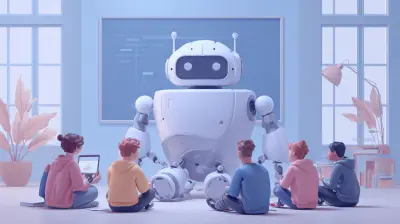
The Future of Peer Tutoring in Education: Trends and Insights
28 May 2026
Education is evolving at lightning speed. With technology advancing and traditional teaching methods being challenged, one thing remains constant—students helping students. Peer tutoring is taking center stage, transforming how learners grasp concepts and build confidence.
But where is it headed? What trends and innovations are shaping the future of peer tutoring? Let’s dive into what lies ahead for this powerful learning approach. 
The Rise of Peer Tutoring in Modern Education
Peer tutoring isn't a new concept. Students have been helping each other in classrooms for centuries. However, what’s exciting is how it's gaining more recognition as an effective learning strategy.Schools and universities worldwide are embracing peer tutoring programs because they bring undeniable benefits:
- Personalized Learning – Unlike one-size-fits-all teaching, peer tutoring allows for tailored explanations suited to individual learning styles.
- Confidence Building – Students often feel more comfortable asking questions from peers than from teachers.
- Cost-Effective Education – Hiring private tutors or investing in costly learning programs isn't always feasible, making peer tutoring a budget-friendly alternative.
- Enhanced Social and Communication Skills – Teaching others reinforces knowledge and improves articulation skills.
With these benefits, it's no surprise that peer tutoring is becoming a mainstay in modern education. But what does the future hold? 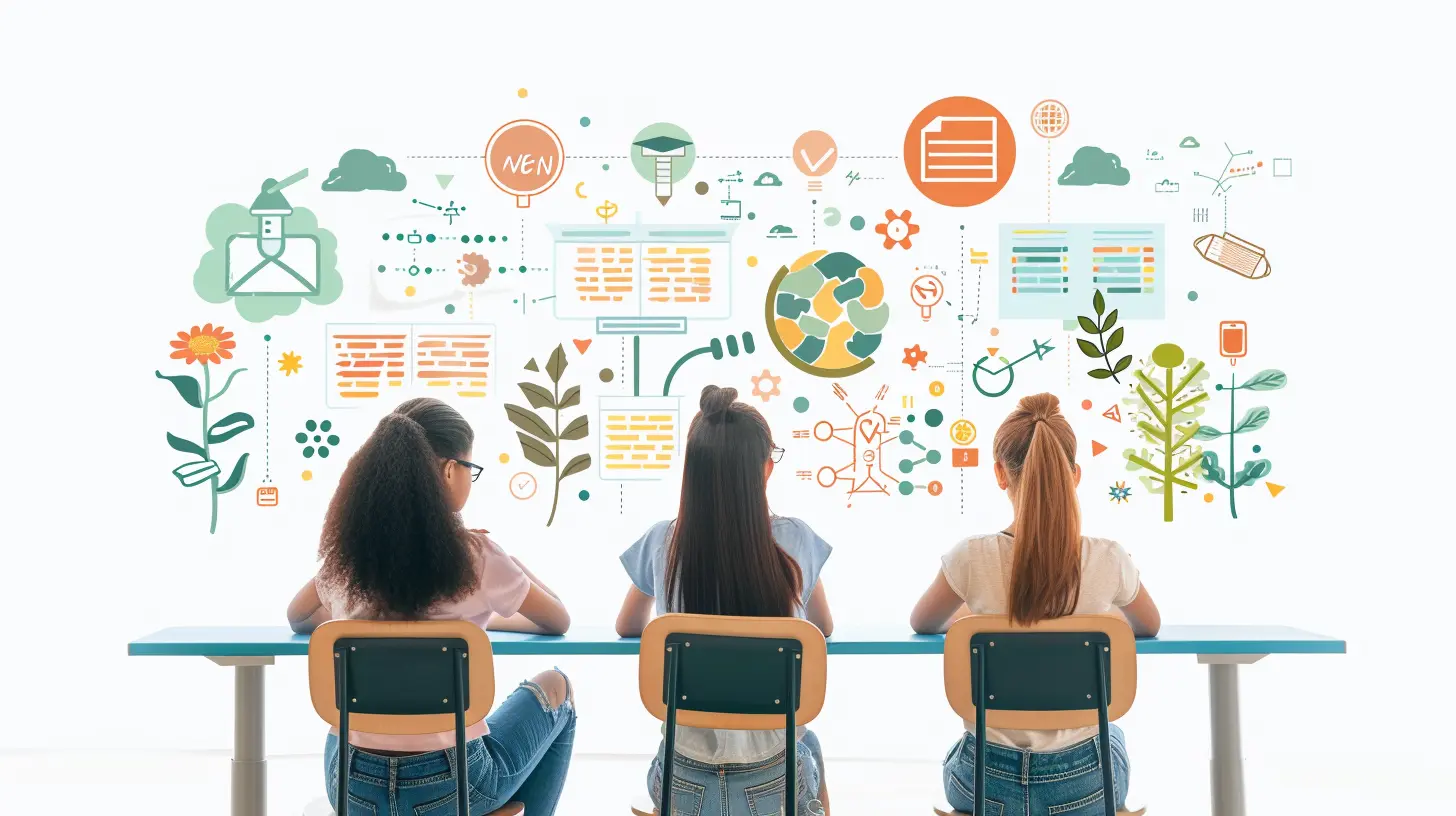
Future Trends Shaping Peer Tutoring
The way students interact, learn, and teach each other is changing. Let’s look at some of the biggest trends impacting the future of peer tutoring.1. Online Peer Tutoring Platforms
Technology is the game-changer here. Forget about meeting in the library or coffee shop—peer tutoring is going digital. Online tutoring platforms are rapidly expanding, offering students the flexibility to connect with tutors from anywhere in the world.Some innovations driving this change include:
- AI-Powered Matching Systems – Platforms now use artificial intelligence to pair students with the best peer tutors based on their learning needs and preferences.
- On-Demand Tutoring – Need help at midnight before a big exam? Many services now offer 24/7 access to peer tutors.
- Gamification & Interactive Learning – Engaging elements like quizzes, badges, and leaderboards make tutoring sessions more fun and effective.
This digital shift makes peer tutoring more accessible than ever before, breaking geographic and time barriers.
2. AI and Machine Learning Enhancements
Artificial intelligence isn't just for tech geeks—it’s revolutionizing peer tutoring as well. AI-driven systems can:- Analyze student performance and recommend the right peer tutors.
- Provide real-time feedback to both tutors and learners.
- Automate administrative tasks, allowing tutors to focus purely on teaching.
Imagine a future where AI suggests better learning strategies based on a student’s past struggles. That’s not science fiction—it’s already happening!
3. Hybrid Learning: In-Person + Virtual Tutoring
While online tutoring is booming, in-person interactions still hold great value. The future of peer tutoring is likely to embrace a hybrid approach. Students will be able to blend face-to-face support with online resources, creating a more holistic learning experience.Some schools are even integrating peer tutoring sessions into their curriculum, ensuring students get structured support without it feeling like extra work.
4. Peer Tutoring as a College and Career Advantage
The value of peer tutoring extends way beyond school. Universities and employers are increasingly recognizing peer tutoring as a skill that develops:- Leadership abilities
- Communication expertise
- Problem-solving skills
In the future, peer tutoring experience might just give students an edge in college admissions and job applications. Employers admire candidates who can teach, collaborate, and explain complex ideas—core skills that peer tutors naturally develop.
5. Inclusion and Diversity in Peer Tutoring
Education should be for everyone, and peer tutoring is playing a big role in making that happen. More schools are implementing peer tutoring programs to support students from diverse backgrounds, including:- Students with learning disabilities – Specially trained peer tutors can help learners with dyslexia, ADHD, and other challenges in ways that traditional teaching might not.
- Underprivileged students – Free or low-cost peer tutoring initiatives ensure that financial limitations don’t hinder learning.
- Non-Native English Speakers – Peer tutors can assist ESL students in improving their language skills without the pressure of a traditional classroom.
By making learning more inclusive, peer tutoring is helping bridge educational gaps and fostering empathy among students. 
Challenges Peer Tutoring Faces in the Future
As promising as peer tutoring is, there are hurdles to overcome.1. Quality Control
Not all peer tutors are equally effective. While some excel at explaining concepts, others may struggle to teach in a structured way. Schools and online platforms need to implement better training and rating systems to maintain quality.2. Reliance on Technology
While digital learning is fantastic, technology isn’t always reliable. Not every student has access to internet-enabled devices, and some may struggle with digital tools. Future peer tutoring programs need to ensure inclusivity for all learners.3. Student Motivation
Let's be honest—some students sign up for peer tutoring with great enthusiasm but lose interest over time. Creating engaging, gamified, and rewarding experiences will be key to keeping both tutors and learners motivated.
The Role of Schools and Institutions in the Evolution of Peer Tutoring
Educational institutions play a crucial role in helping peer tutoring thrive. Some initiatives they can focus on include:- Integrating Peer Tutoring into the Curriculum – Schools can make peer tutoring an official part of coursework rather than just an extracurricular activity.
- Providing Proper Training – Not every student is a natural-born teacher. Training sessions on mentorship, communication, and subject knowledge will improve the effectiveness of peer tutors.
- Offering Certifications – Recognizing peer tutoring as a valuable skill by providing certificates can incentivize participation.
With structured involvement, schools can ensure that peer tutoring continues to be a sustainable and effective learning approach.
Final Thoughts: The Bright Future of Peer Tutoring
Peer tutoring is no longer just a nice-to-have—it’s becoming a vital piece of the education system. With technology, AI, and institutional support shaping the way students interact, the sky’s the limit.The future looks promising, but it’s not without challenges. For peer tutoring to reach its full potential, schools, educators, and students must work together to ensure quality, accessibility, and engagement.
So, whether you're a student looking to sharpen your skills, a tutor eager to help others, or an educator embracing new learning methods—peer tutoring is a movement worth watching.
The future of education isn’t just in the hands of teachers—it’s in the hands of students, too.
all images in this post were generated using AI tools
Category:
Peer TutoringAuthor:

Zoe McKay
Discussion
rate this article
1 comments
Holly Hill
Peer tutoring empowers students, fostering collaboration and enhancing learning for all.
May 29, 2026 at 12:00 PM
Zoe McKay
I completely agree. Peer tutoring creates a supportive environment where students can learn from each other and grow together. It's an essential part of modern education.