Studying Abroad in Developing Countries: Challenges and Rewards
17 July 2026
Have you ever thought about studying abroad, but not in the traditional destinations like the U.S., U.K., or Australia? What if I told you that studying in a developing country could offer just as many, if not more, unique and life-changing experiences?
Studying abroad is often associated with prestigious universities in well-established nations, but heading to a developing country for your education comes with its own set of challenges and rewards—some of which might surprise you. So, if you're curious about what it’s like to study in a developing country, let's explore the ups, downs, and everything in between.
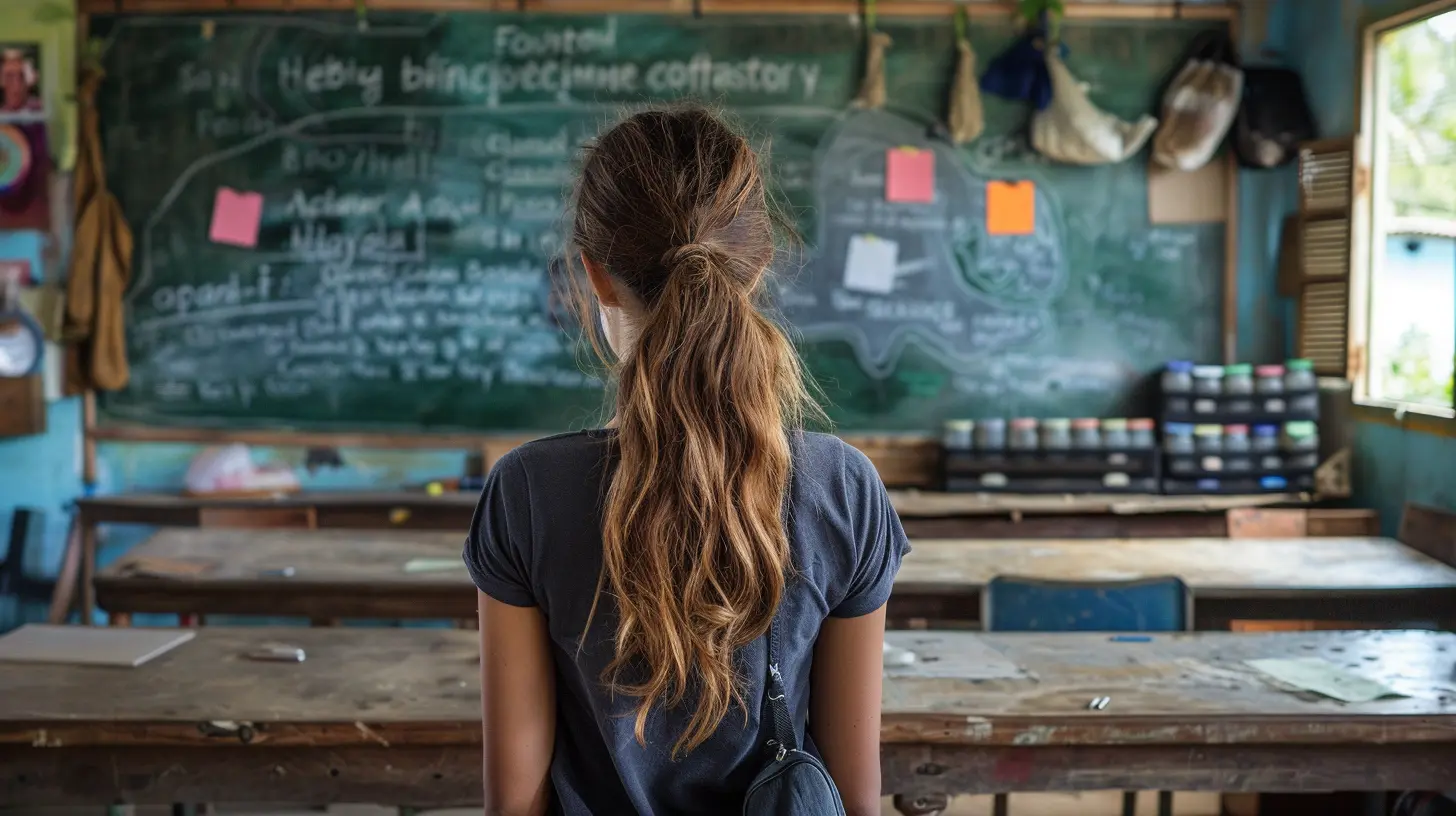
Why Consider Studying in a Developing Country?
Before diving into the challenges and rewards, it's worth asking: why would someone consider studying in a developing country in the first place?Well, for starters, it's an adventure! Imagine immersing yourself in a completely different culture, language, and way of life. Plus, the cost of education in many developing countries is significantly lower than in developed nations. And let's not forget about the opportunity to develop a unique perspective on global issues—one that stems from first-hand experience rather than textbooks.
But that's just the tip of the iceberg. Let's break it down further.
Lower Tuition Costs
One of the most obvious benefits of studying in a developing country is the lower tuition costs. Education in countries like India, Vietnam, or Kenya can be a fraction of the price compared to universities in Western countries. For students on a tight budget, this can be a game changer.Plus, not only is tuition cheaper, but the overall cost of living—housing, food, and transportation—can also be much more affordable. Imagine getting a quality education without racking up mountains of student debt. Sounds pretty tempting, right?
Unique Learning Experiences
Studying in a developing country often means that you’re exposed to educational practices and methodologies that differ from what you’d find in more developed nations. This could be both a challenge and a reward. Why? Because you’ll likely have to adapt to a new way of learning, which could push you out of your comfort zone.But isn’t that what growth is all about? You might even find that you prefer the more hands-on, practical approach often adopted by universities in these regions. Fields like medicine, agriculture, and environmental science, for example, can be particularly interesting to study in countries where these issues are part of everyday life.
The Challenges of Studying Abroad in Developing Countries
Of course, it's not all rainbows and sunshine. Studying in a developing country comes with its own set of challenges. Being aware of these obstacles can help you prepare and make the most of your experience.Language Barriers
Let’s face it: language can be one of the biggest hurdles when studying abroad. While many universities in developing countries offer courses in English, not everyone around you will be fluent in the language. This can make navigating daily life a bit tricky, especially in countries where English is not widely spoken.But look at it this way—this is your golden opportunity to pick up a new language! Whether it’s Arabic, Swahili, or Mandarin, learning a new language can be one of the most rewarding aspects of your time abroad, helping you to connect with locals and enrich your experience.
Cultural Differences
Culture shock is real, folks. Moving to a developing country means that you're likely to encounter customs, traditions, and societal norms that are completely different from what you’re used to.For example, in some countries, time is viewed more loosely, and punctuality may not be as important. In others, gender roles or religious practices could be more pronounced than what you're accustomed to. These differences can be jarring at first, but they also offer a chance to broaden your horizons and become more adaptable.
Just remember: flexibility is key. Embrace the differences rather than resist them. After all, isn’t that one of the main reasons you chose to study abroad in the first place?
Limited Resources and Infrastructure
Okay, we have to be real: some developing countries may lack the infrastructure and resources that students from developed nations are used to. Libraries might have fewer books, internet access might be spotty, and lab equipment could be outdated.But here’s the thing: learning how to navigate these limitations can actually make you a more resourceful, creative problem-solver. In some ways, it’s like learning how to cook with limited ingredients—you become more inventive and resilient. And let’s not forget the life lesson in gratitude; you'll likely return home with a newfound appreciation for things you once took for granted.
Safety Concerns
Safety can also be a challenge in some developing countries. Political instability, crime, or public health issues can be a concern. It’s important to do your research before choosing a destination and follow any travel advisories from your home country.That being said, many students study in developing countries without any issues. Taking basic precautions—like avoiding risky areas, staying informed about local news, and keeping emergency contacts handy—can go a long way in ensuring your safety.
The Rewards of Studying in Developing Countries
While studying in a developing country comes with its challenges, the rewards are equally, if not more, significant. Let’s look at some of the most compelling reasons why this experience can change your life in ways you never expected.Cultural Immersion
Studying in a developing country offers you the chance to deeply immerse yourself in a culture that is often vastly different from your own. You’re not just visiting as a tourist; you’re living as a local. This kind of immersion can help you develop cultural empathy and awareness, skills that are invaluable in today’s increasingly globalized world.You’ll get to experience local festivals, food, traditions, and possibly even live with host families. These experiences are not just postcard moments—they shape your worldview in profound ways.
Real-World Perspective
When you study in a developing country, you're often confronted with real-world problems—poverty, inequality, environmental degradation—that may seem distant or abstract when you're sitting in a classroom in a developed country.This can lead to a profound shift in perspective. You start to see the world through a different lens and may even be inspired to work on solutions to some of these global challenges. It’s one thing to read about these issues; it’s another thing entirely to witness them first-hand.
Networking Opportunities
Believe it or not, studying in a developing country can also offer unique networking opportunities. Many developing countries are emerging markets, and building connections in these regions can be incredibly valuable for your future career. You’ll likely meet a diverse group of international students, local leaders, and academics, providing you with a network that spans borders and cultures.Personal Growth
Let’s not forget the most important reward of all: personal growth. Studying abroad, especially in a developing country, forces you to step outside your comfort zone in ways you never imagined. You’ll become more independent, adaptable, and resilient.You’ll learn to navigate challenges with grace and develop a level of self-awareness that only comes from living and learning in a completely new environment. By the end of your journey, you might find that the most significant education you received wasn’t from your textbooks, but from the life experiences you gained along the way.
Global Citizenship
In an increasingly interconnected world, the ability to understand and engage with different cultures is more important than ever. Studying in a developing country allows you to become a true global citizen. You’ll return home with a deeper understanding of global issues, a more nuanced worldview, and the ability to relate to people from all walks of life.In short, you won’t just be a student—you’ll be a bridge between cultures, fostering understanding and cooperation on a global scale.
Is It Worth It?
So, should you study abroad in a developing country? Well, that depends on you. If you’re looking for a cushy, predictable experience, then maybe not. But if you crave adventure, growth, and the chance to make a real impact in the world, then absolutely.Yes, it’s challenging. Yes, it can be frustrating at times. But the rewards? They’re priceless. You’ll come back not just with a degree, but with memories, experiences, and a perspective that will shape the rest of your life.
So, what do you think? Ready to take the leap?
Conclusion
Studying abroad in a developing country offers both challenges and rewards that are unique and transformative. While you may have to face language barriers, cultural differences, and limited resources, the personal and academic growth you’ll experience more than makes up for it. From lower tuition costs to real-world perspectives, the benefits are immense.In the end, it's all about stepping out of your comfort zone and embracing the unknown. It may not be the traditional path, but sometimes, the road less traveled leads to the most rewarding destinations.
all images in this post were generated using AI tools
Category:
Study AbroadAuthor:

Zoe McKay
Discussion
rate this article
1 comments
Ryan Meyers
Exciting adventures await in developing countries! Enjoy!
July 17, 2026 at 12:57 PM
Zoe McKay
Thanks! It's a journey full of growth and discovery. Excited to dive in!