How to Balance Academics and Travel During Your Study Abroad Experience
23 December 2025
Studying abroad is a dream come true, isn’t it? New country, new friends, endless travel possibilities—and oh yeah, schoolwork. If you’re like most study abroad students, you've probably wondered how in the world you’re supposed to keep up with your studies while hopping between cities like a jet-setting superstar.
Don’t worry, it’s totally possible to juggle both! In fact, balancing academics and travel can turn your time abroad into a life-defining adventure without tanking your GPA. So grab your planner (or phone—who uses paper these days?), and let’s dive into how to strike that perfect balance between classes and cruising through cobblestone streets.

Why Balancing Academics and Travel Even Matters
Let’s be straight: you didn’t fly halfway across the globe just to sit in a classroom all day. But also, your study abroad program isn’t just a long vacation. You’re here to grow academically, professionally, and personally. Striking the right balance means you can have the best of both worlds—gain knowledge and collect passport stamps.Ignoring either side of the equation leads to burnout or missed opportunities. Go all in on travel and your grades suffer. Focus only on school and you’ll feel like you missed out. The key? Find your rhythm.
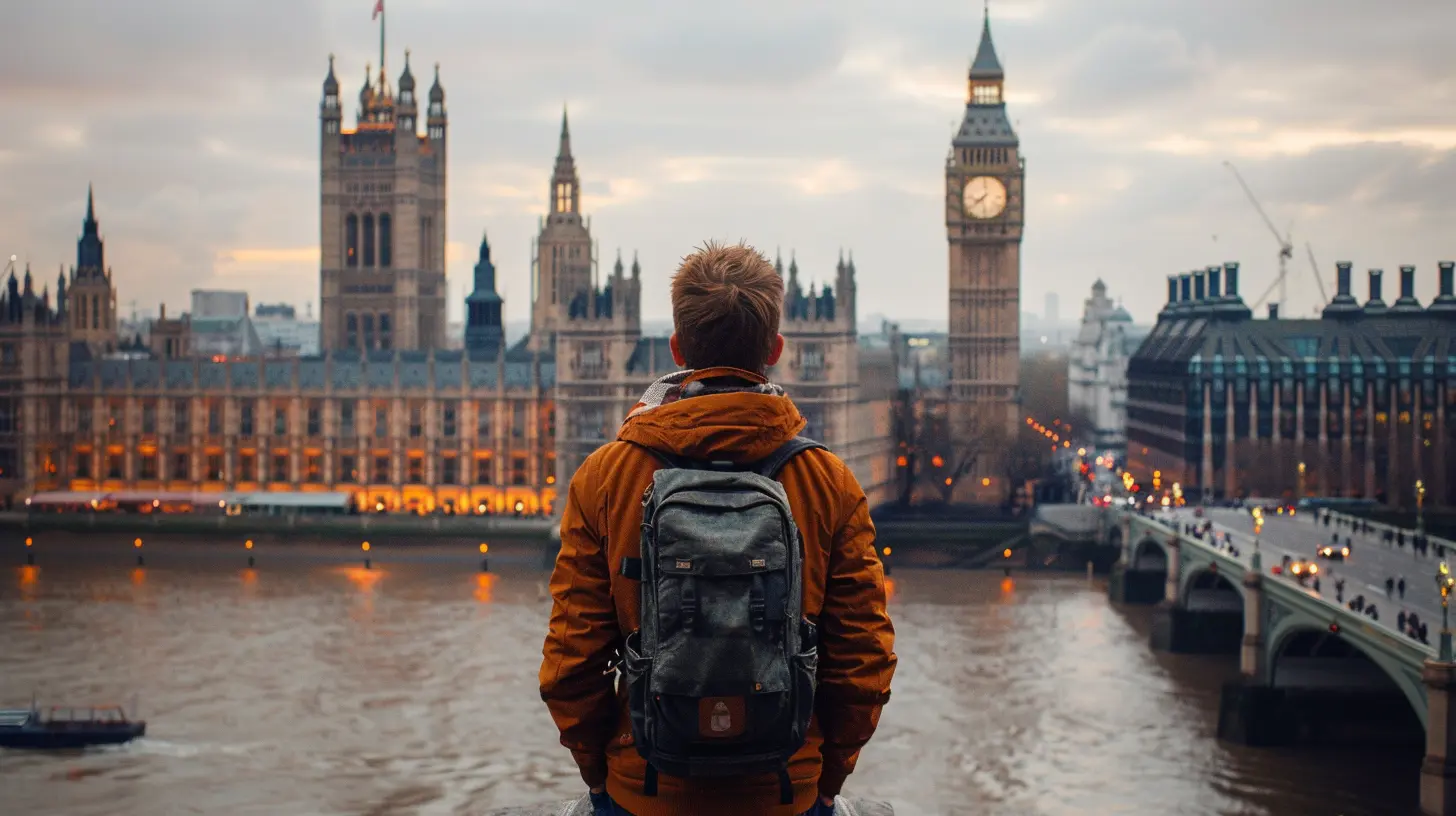
Step 1: Start With a Plan (But Keep It Flexible)
Planning is your best friend when it comes to balancing books and boarding passes.Plot Your Semester
Before you even hop on a plane, take a look at your academic calendar. Note important dates—midterms, finals, big papers—and block them off in your schedule. Then, sprinkle potential travel weekends around those dates.Seriously. Travel like a chess player—think three moves ahead.
Use Tech to Stay Organized
Apps like Notion, Trello, or even good ol' Google Calendar can help you keep track of deadlines and travel plans. Color-code your classes, assignments, and travel weekends. You'll feel like a productivity ninja.
Step 2: Master the Art of Time Management
Time is just as valuable as your student ID when you’re abroad. It’s what stands between you and a weekend in Paris or an all-nighter writing that essay.Prioritize Like a Pro
Not all tasks are created equal. Divide your to-dos into:- Must-do: Assignments, quizzes, attendance-required events.
- Should-do: Review sessions, optional readings.
- Can-wait: Binge-watching a new series or scrolling endlessly.
Take care of the must-dos early, so you're not stressing about them while you're staring at the Colosseum.
The Magic of Micro-Studying
Studying doesn't have to mean locking yourself inside for hours. Use those snippets of downtime—on trains, in cafes, waiting for your laundry—to review notes or watch a lecture. A little effort each day adds up.
Step 3: Choose Travel Destinations Wisely
Let’s be honest—we all want to snap that iconic photo at the Eiffel Tower. But sometimes, staying local can be just as rewarding (and less time-consuming).Go for Weekend-Friendly Spots
Look for destinations that don’t eat up your entire week. Think cities a train ride away rather than overseas journeys that leave you jetlagged.Got a 3-day weekend? Perfect. A quick trip to a nearby town can be just as magical, plus you'll be back in time for Monday’s lecture.
Be a Tourist in Your Host City
Don't forget the gems right in your backyard. Explore your host city fully before jetting off every weekend. You'll be surprised how much there is to see once you dig a little deeper.Step 4: Communicate With Professors
This one’s a game-changer. Your professors know you’re abroad and they (usually) want you to get the most out of it.Ask, Don’t Assume
Want to leave early on a Friday? Or turn in an assignment a day early because you're heading out of town? Just ask. The worst they can say is no, but more often than not, they’ll be cool about it if you show you’re responsible.Show You Care
Participate in class, ask questions, go the extra mile. If your professors see that you’re engaged, they’ll be more likely to give you the benefit of the doubt when you need it.
Step 5: Build a Support System
You’re not alone on this. Hundreds of students are juggling the same things you are.Buddy Up
Find a study buddy or two who share your wanderlust. You can keep each other accountable, trade notes, and even plan weekend getaways together.Connect With Locals
Sometimes, the best travel experiences aren’t far-off trips—they’re hanging out at a local café chatting with new friends. Locals can give you the inside scoop on hidden gems that don't require a passport stamp.Step 6: Stay Healthy—Mind And Body
Ever tried cramming for a test while battling jet lag and a cold? Not fun.Sleep Is Your Secret Weapon
Sure, it’s tempting to party until 3 a.m. and catch a 6 a.m. flight. But remember: Sleep is when your brain absorbs what you’ve learned. Skimp on it too often, and you’ll feel like a zombie in class.Eat (Mostly) Right
Local pastries are fabulous, but try to balance them with actual nutrients. Your body needs fuel, especially when you're bouncing between time zones and study sessions.Check In With Yourself
Feeling overwhelmed? Homesick? It’s okay. Take a breath, talk to someone, or even just take a break. Your mental health matters just as much as your GPA.
Step 7: Know When To Say No
This might be the hardest one.It can feel like every day abroad is too precious to waste. But if you’re exhausted, behind on work, or just not feeling up to it—skip the trip. Seriously. FOMO is real, but so is burnout.
Sometimes, staying in, catching up on work, or just relaxing is the best decision you can make.
Pro Tips for Study-Travel Balance Experts-in-the-Making
Feeling like you’ve got the basics down? Awesome! Here are a few seasoned tips to take your balance game to the next level:- Budget wisely: Don’t just budget money—budget time. That 4-day trip might sound awesome, but it could cost you more than just Euros.
- Use public transport efficiently: Overnight trains or buses can double as “mobile hotels” and save you both time and money.
- Pre-load study materials: No Wi-Fi in the Alps? No problem. Download readings, lectures, and notes ahead of time.
- Pack light but smart: Always keep a notebook, charger, and maybe even a textbook with you. You never know when you’ll get a study window.
What You’ll Learn (Besides What’s in the Syllabus)
Balancing academics and travel teaches you epic life skills. Think time management, responsibility, adaptability, cultural awareness—and yeah, maybe how to nap effectively in public places.These lessons go way beyond the classroom and stay with you long after your passport expires.
Wrapping It Up: You’ve Got This
Studying abroad is like stepping into a real-life “choose your own adventure” story. The choices you make—to study a bit before a trip, to speak with your prof about missing class, to take a weekend off—shape your whole experience.There’s no perfect formula, but with some planning, self-awareness, and the right attitude, you can absolutely rock both your academics and your adventures.
So go ahead—pack your books next to your hiking boots, charge that laptop, and chase both grades and sunsets. You’re not just here to pass exams; you’re here to collect stories, too.
Safe travels and happy studying!
all images in this post were generated using AI tools
Category:
Study AbroadAuthor:

Zoe McKay
Discussion
rate this article
2 comments
Zella Wagner
Embrace the adventure of studying abroad! By prioritizing your goals and managing your time wisely, you can create unforgettable memories while excelling academically. Remember, every experience enriches your journey—balance is the key to a fulfilling exploration!
February 2, 2026 at 11:27 AM
Zoe McKay
Thank you for your insightful comment! Balancing academics and travel truly enhances the study abroad experience. Embracing both can lead to unforgettable memories and personal growth!
Thane Daniels
Traveling while studying abroad can be a juggling act, but remember: adventure fuels creativity! Embrace the chaos, explore new horizons, and let every experience enrich your academic journey. You've got this!
December 23, 2025 at 3:55 AM
Zoe McKay
Absolutely! Embracing the chaos of travel can inspire creativity and enrich your studies. Finding that balance will make your experience even more rewarding!