Strategies for Inclusive Participation in Diverse Classrooms
10 October 2026
A classroom is never one voice. It is a chorus, sometimes harmonious, sometimes unruly, always alive with difference. Some students enter ready to speak, their hands rising before the question finishes. Others sit quietly, holding entire worlds of thought behind their eyes, waiting for a reason to trust the room. Between those two extremes lies the real work of teaching: building a space where participation becomes possible for everyone, not just for the students who find it easy.
Inclusive participation is not a technique you bolt onto a lesson plan. It is a way of thinking about power, voice, and belonging. It asks who gets heard, who gets interrupted, who gets praised for speaking and who gets praised for silence. It asks whether the quiet student is disengaged or simply processing, whether the loud student is confident or performing. When teachers treat participation as a spectrum rather than a single behavior, the classroom changes. More students speak. More students listen. More students learn.
This article examines the strategies that make inclusive participation real. It looks at why some approaches work and when they fail. It considers trade-offs, common mistakes, and the quiet decisions that shape whether a student feels invited into the conversation or pushed to its edges.
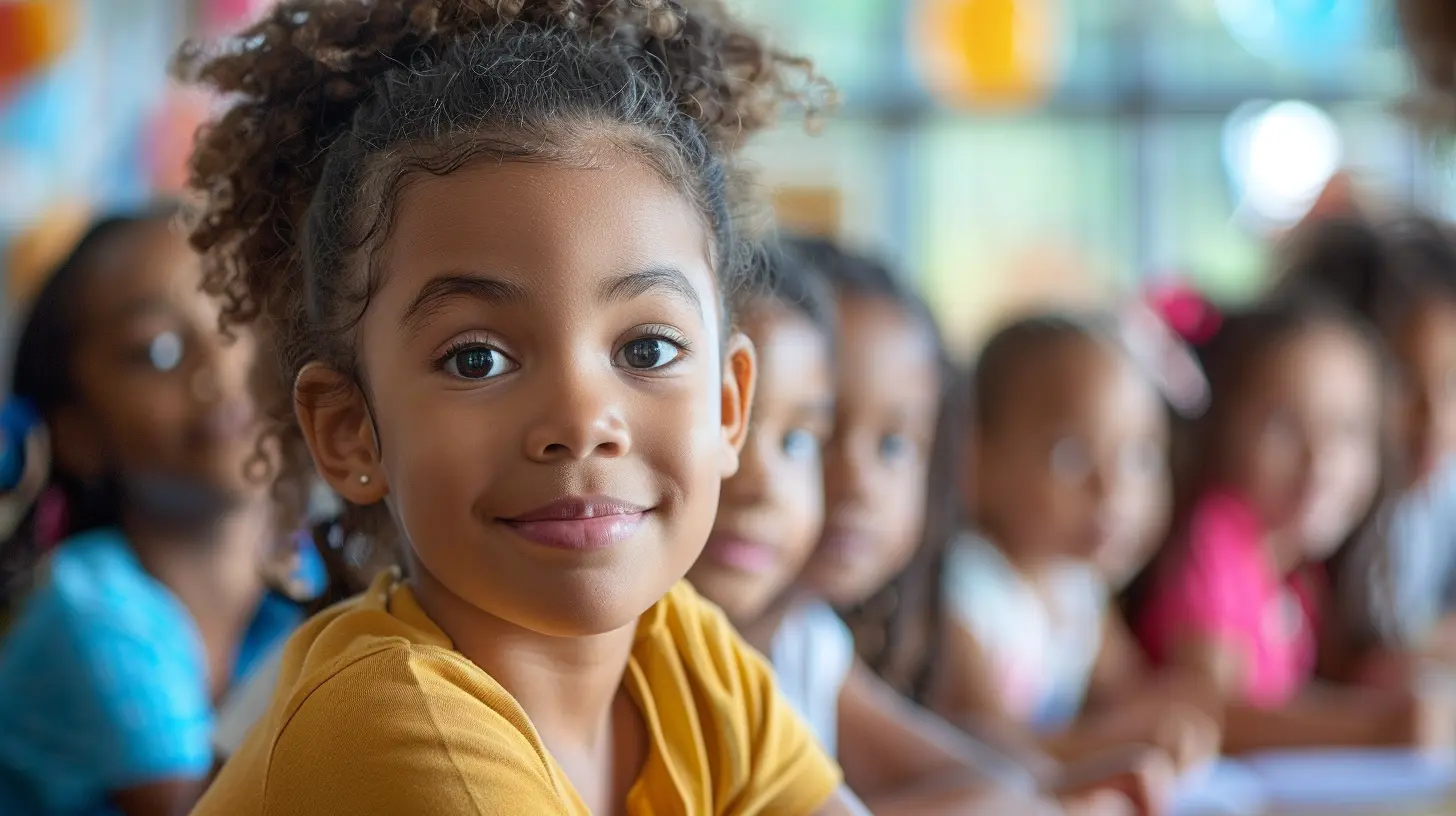
Why Participation Matters Beyond the Gradebook
Participation is often reduced to a line in a rubric: speaks in class, contributes to discussion, earns points. That framing misses the point. Participation is how students test ideas against other minds. It is how misconceptions surface before they harden. It is how a learner moves from passive reception to active ownership of knowledge.When participation is inclusive, the benefits multiply. Students who hear perspectives different from their own develop more flexible thinking. Students who are asked to explain their reasoning deepen their own understanding. The classroom becomes a place where knowledge is built collectively, not delivered from a single source.
But participation also carries risk. Speaking in front of peers exposes a student to judgment. For students who have been mocked for their accent, their stutter, their slow processing speed, or their unfamiliarity with the dominant culture, the decision to speak is not neutral. It is an act of courage or a calculated gamble. Teachers who understand this stop treating silence as a problem to be fixed and start treating it as information to be read.
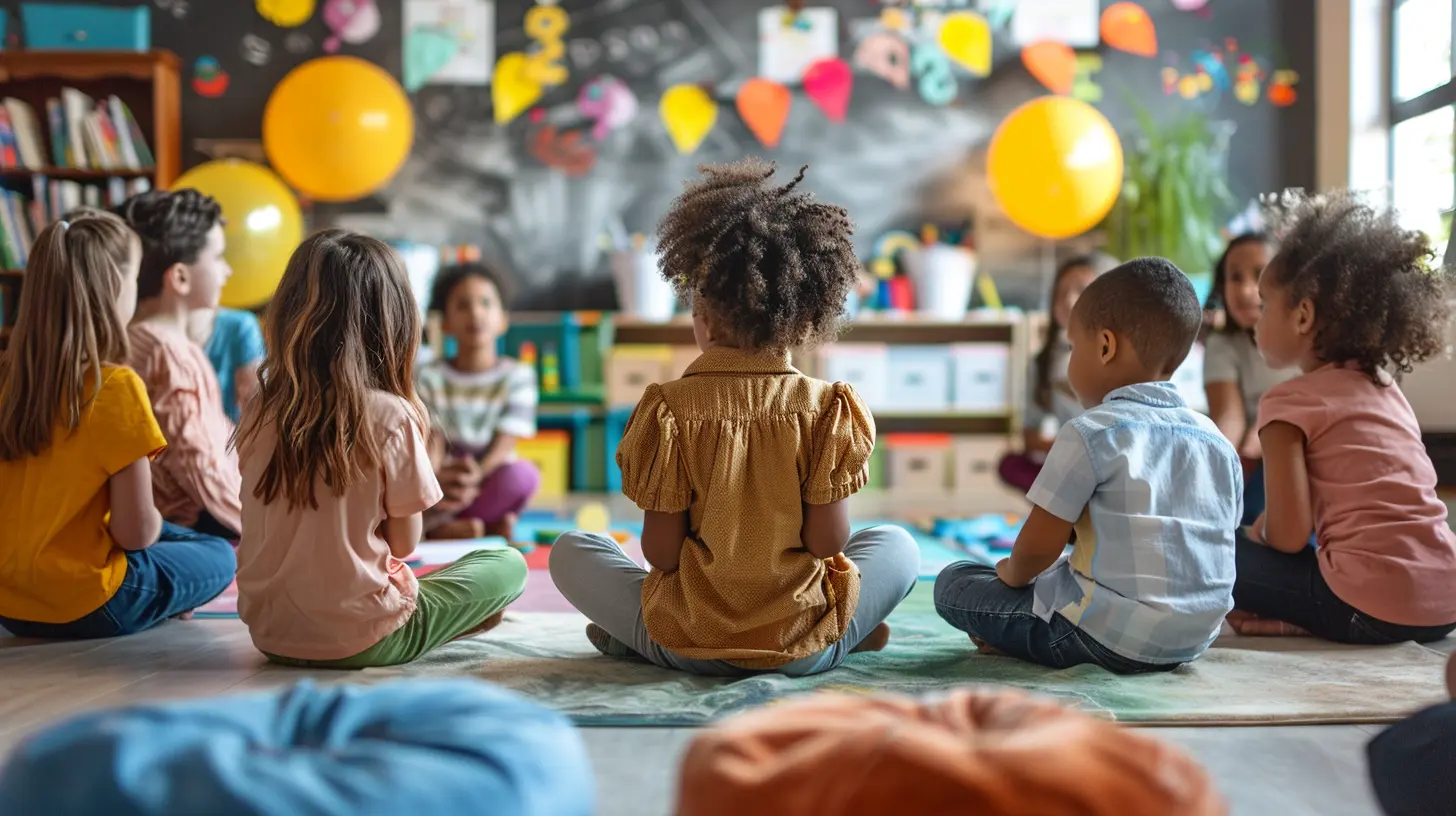
The Hidden Architecture of Who Speaks
Before reaching for strategies, it helps to see the forces already at work. Participation does not happen in a vacuum. It is shaped by seating arrangements, by wait time, by the order in which hands are called, by the subtle signals a teacher sends about whose contributions are valuable.Consider the common pattern of the first hand. When a teacher calls on the first student who raises a hand, the same few voices dominate. This is not because other students have nothing to say. It is because the fast responders set the frame, and once an idea is on the table, the slower processors must either build on it or compete with it. Over time, the fast responders gain fluency and confidence while the others fall further behind. The gap widens not because of ability but because of timing.
Another hidden force is cultural. In some communities, speaking up quickly is a sign of engagement. In others, it is a sign of disrespect. Some students are taught to listen before speaking, to wait for a pause, to avoid contradicting an elder. When a teacher interprets that restraint as disinterest, the student is misread. The classroom then rewards a particular cultural script while penalizing another.
Physical layout matters too. A student in the back corner, behind a pillar or a tall classmate, is less likely to be called on and less likely to feel part of the group. A student seated at the edge of a circle may feel like an observer rather than a participant. These are not trivial details. They are the architecture of belonging.
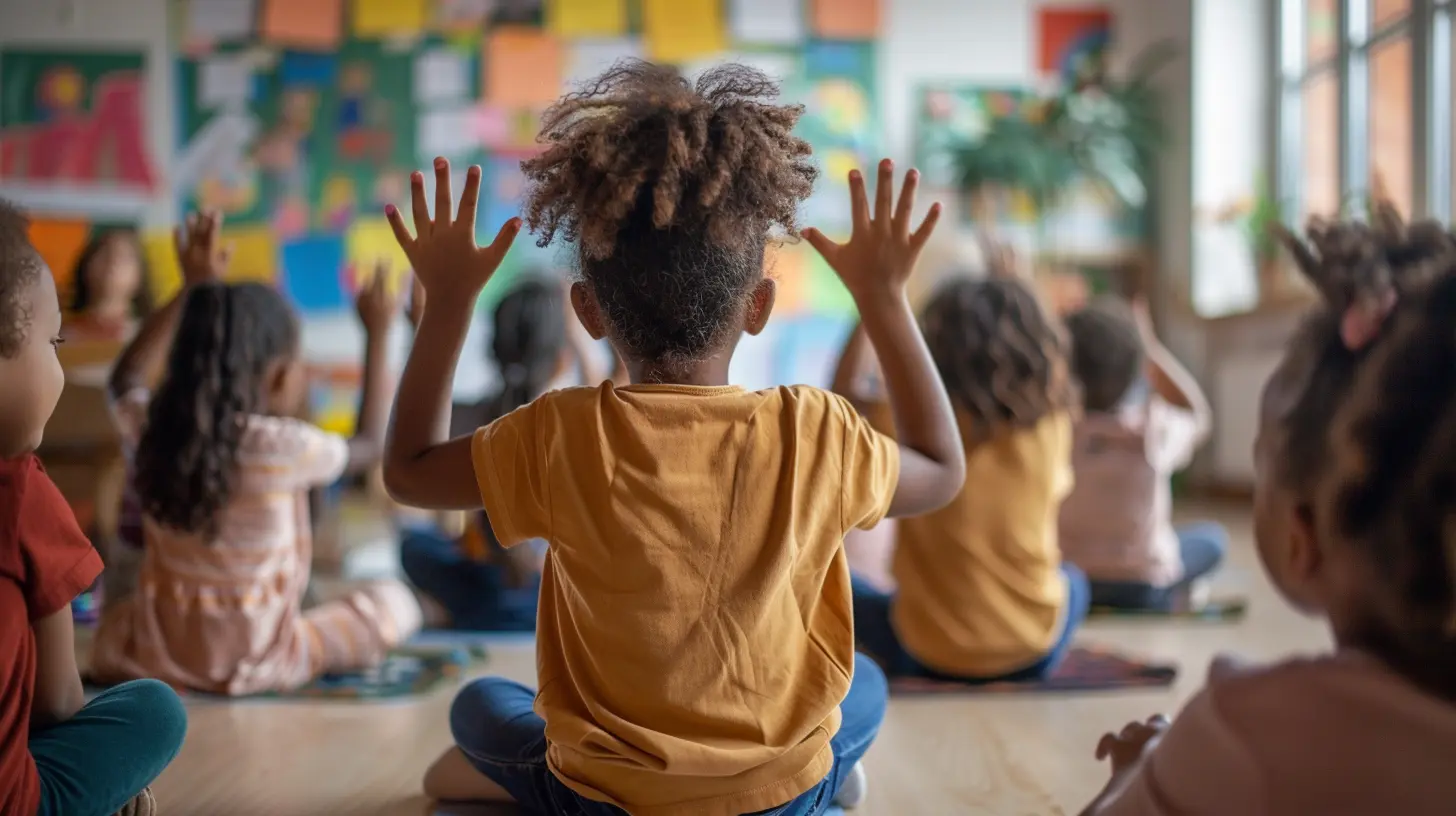
Strategies That Open the Room
The most effective inclusive participation strategies share a common trait: they lower the cost of speaking while raising the quality of listening. They do not force everyone into the same mold. They create multiple pathways into the conversation.Structured Turn-Taking
One of the simplest and most powerful strategies is structured turn-taking. Instead of calling on volunteers, the teacher ensures that everyone has a turn, either in a sequence or through a random selection method. This removes the advantage of speed and gives every student a predictable opportunity to speak.Why it works: When students know their turn is coming, they prepare. They listen more carefully because they might be next. The pressure to compete for airtime disappears. The quiet student is not overlooked, and the dominant speaker learns to wait.
When it can fail: If the turn-taking is rigid and the questions are low-level, students may give minimal answers just to fulfill the requirement. The strategy becomes a ritual rather than a conversation. It also can feel punitive to students who genuinely need more time to process. A teacher who calls on a student immediately after posing a complex question may get silence not because the student is unprepared but because the student is thinking.
What to consider: Pair structured turn-taking with generous wait time. Give students a moment to jot down a thought before the turns begin. Allow passes, but track them. A student who passes every time may need a different entry point, such as a written response or a partner conversation before sharing with the group.
Think-Pair-Share and Its Variations
Think-Pair-Share is widely used, and for good reason. It gives students time to think alone, then to rehearse their idea with one peer, then to share with the larger group. The pair stage acts as a low-stakes rehearsal. By the time a student speaks to the whole class, the idea has already been spoken aloud once.Why it works: The social risk drops when the first audience is one person rather than thirty. The student also gets feedback from the partner, which can refine the idea. For multilingual learners, the pair stage offers a chance to practice vocabulary and sentence structures before the public performance.
Where it breaks down: If pairs are not thoughtfully formed, a dominant partner can monopolize the conversation. If the teacher does not circulate during the pair stage, off-task talk can take over. And if the share stage always calls on the same confident students, the pair work becomes a formality.
A useful variation is Think-Pair-Square, where two pairs combine to compare ideas before the whole-class share. This adds another layer of rehearsal and exposes students to more perspectives. Another variation is Think-Write-Pair-Share, which adds a written step. The writing slows down the fast processors and gives the slower processors a record of their thinking to draw from.
Wait Time and the Art of Silence
Wait time is the pause after a question before calling on someone, and the pause after a response before reacting. Research on classroom discourse has long suggested that extending wait time to three to five seconds increases the length and complexity of student answers. It also increases the number of students who volunteer.Why it works: Silence gives the brain time to retrieve, organize, and articulate. It also signals that the teacher values thoughtful responses over quick ones. When a teacher waits, students learn that they are not in a race.
The trade-off: Extended wait time can feel uncomfortable, especially for new teachers. The urge to fill the silence is strong. Some students may interpret the pause as a sign that no one knows the answer. A teacher can manage this by narrating the pause: "Take a moment. I am going to wait because this question deserves a careful answer." This reframes the silence as purposeful.
Common mistake: Using wait time only for the first response. The pause after a student speaks is equally important. It gives the student a chance to extend or revise, and it gives other students a chance to process what was said before jumping in.
Multiple Modes of Participation
Speaking is only one way to participate. A classroom that recognizes this opens the door to students who think best through writing, drawing, movement, or building.Why it works: When students can choose how to show their thinking, the artificial barrier between "good at school" and "not good at school" begins to dissolve. A student who freezes when called on may write a brilliant paragraph. A student who struggles to write may explain an idea fluently in a one-on-one conversation.
Examples: A teacher might use a chalk talk, where students respond to a prompt by writing on chart paper or a whiteboard, building a silent conversation. Or a gallery walk, where students move around the room reading and commenting on each other's work. Or a quick sketch, where students draw their understanding before explaining it verbally.
What to watch for: Multiple modes should not become a way to avoid speaking altogether. The goal is to build bridges, not to create separate tracks. A student who draws first can be invited to explain the drawing to a partner, then to the group. The mode is a scaffold, not a destination.
Small Group and Partner Work
Large-group discussion is the most demanding format. Small groups reduce the audience and increase the airtime per student. For many learners, this is where real participation begins.Why it works: In a group of three or four, it is harder to hide and easier to speak. The social pressure is lower. Students can ask clarifying questions without feeling exposed.
The risk: Small groups can reproduce the same inequities as the whole class. One student may dominate, another may withdraw. The teacher's role is to set norms, assign roles, and monitor. Rotating roles such as facilitator, note-taker, timekeeper, and reporter can distribute power. But roles should not be rigid. A student who always takes notes may need a turn as facilitator.
A practical tip: Give groups a clear task and a visible time limit. Ambiguity breeds off-task behavior. A simple structure like "Each person shares one idea, then you discuss, then you choose the most important point to report" keeps the group focused and ensures every voice is heard.

The Role of the Teacher in Shaping Participation
Strategies are only as good as the person using them. The teacher's beliefs, habits, and responses shape whether students feel safe to speak.Listening as a Discipline
Inclusive participation requires a teacher who listens more than talks. This sounds obvious, but it is hard. The pressure to cover content, to correct errors, to keep the lesson moving, pushes teachers toward monologue. A teacher who listens well, however, learns what students actually understand. That information is more valuable than a perfectly delivered lecture.Listening well means noticing who has not spoken. It means tracking patterns over days, not just minutes. It means resisting the urge to finish a student's sentence or to rephrase an idea in more polished language. When a teacher paraphrases a student's contribution, the student should still recognize the idea as their own.
Responding Without Shutting Down
How a teacher responds to a wrong answer can determine whether a student ever volunteers again. A quick "No, that's not right" may be efficient, but it closes the door. A response that honors the attempt while redirecting the thinking keeps the door open.A useful move is to ask the student to say more. "Tell me how you got there." This gives the teacher insight into the student's reasoning and gives the student a chance to self-correct. Another move is to ask the class to respond. "Who can build on that?" This turns the error into a shared problem rather than a personal failure.
What to avoid: Sarcasm, rhetorical questions that mock an answer, and the habit of calling on a different student immediately after a wrong answer. These signals tell the class that only correct answers are welcome. The result is a room full of students who wait until they are certain before speaking, which means the richest thinking never surfaces.
Equity in Call Patterns
Teachers often believe they call on students randomly, but studies of classroom interaction have shown that patterns exist. Boys may be called on more than girls. Students in the front may be called on more than those in the back. Students with names the teacher finds easy to pronounce may be called on more than those with unfamiliar names.A simple audit can reveal these patterns. A teacher can place a seating chart on a clipboard and make a tally mark each time a student speaks. After a week, the pattern becomes visible. This is not about guilt. It is about awareness. Once a teacher sees the gaps, they can adjust.
Navigating the Tensions
Inclusive participation is not a set of tricks that eliminates all problems. It involves trade-offs, and honest teaching means naming them.Inclusion and Depth
A discussion that includes every voice may not go as deep as a discussion among a few highly prepared students. This is a real tension. The teacher must decide when to prioritize breadth and when to prioritize depth.One approach is to alternate. Use a structured protocol that ensures broad participation for one discussion, then a seminar format for another where students who have prepared deeply can explore an idea in detail. The key is to be transparent about the purpose. Students are more willing to accept a format that limits their airtime if they understand why.
Comfort and Growth
Inclusive participation should not mean that students never feel challenged. Growth often comes from discomfort. But discomfort is productive only when it is paired with safety. A student who feels attacked will not learn. A student who feels supported will take risks.The distinction is between feeling uncomfortable and feeling unsafe. A teacher can create conditions for productive discomfort by establishing clear norms, modeling respectful disagreement, and intervening quickly when a comment crosses a line. The goal is not a classroom without friction. It is a classroom where friction generates light rather than heat.
Individual Needs and Group Dynamics
Some students need accommodations that are not obvious to their peers. A student with selective mutism may not speak in class at all, but may communicate brilliantly in writing. A student with attention challenges may need to move or fidget to focus. A student who is hard of hearing may need to see faces and read lips.Inclusive participation means designing for these needs without singling students out. Universal design principles apply here. If the teacher provides written instructions, multiple ways to respond, and flexible seating, the student who needs those things benefits without being marked as different. The classroom becomes more accessible for everyone.
Common Mistakes and Misconceptions
Even well-intentioned teachers fall into traps. Naming them helps avoid them.One mistake is treating participation as a personality trait. The quiet student is not necessarily shy. The loud student is not necessarily confident. Behavior is context-dependent. A student who never speaks in the large group may be the most vocal member of a small group. A student who dominates the discussion may be covering for insecurity.
Another mistake is assuming that all students want to speak. Some students learn best by listening. Forcing them to speak can be counterproductive. The goal is not to make every student an extrovert. The goal is to remove barriers so that students who want to speak can speak, and students who need other modes can use them.
A third mistake is using participation grades as a lever. When participation is graded, students may speak to earn points rather than to contribute. The result is empty comments that fill time. A better approach is to assess participation through multiple means: written reflections, self-assessments, and observations of small group work. This gives a fuller picture of who is engaging and how.
A fourth mistake is ignoring the role of peer dynamics. If a classroom has a culture of mockery or exclusion, no strategy will work. The teacher must address the culture directly. This may mean building community through icebreakers, restorative conversations, or explicit lessons on listening and respect. Culture is not a one-time fix. It is a daily practice.
Practical Steps for the First Week
Inclusive participation does not require a complete overhaul. It begins with small, deliberate choices.Start with norms. Ask students what they need in order to speak. Ask what makes it hard. Write the answers on a chart and post them. Refer to them often.
Learn names quickly and pronounce them correctly. A student whose name is mispronounced repeatedly may feel unseen. Ask the student to say their name, and practice it. If you are unsure, ask privately.
Use a seating chart for the first few weeks. This serves two purposes. It helps you learn names, and it gives you a tool for tracking participation. You can also change seats periodically to disrupt cliques and give students new partners.
Plan for wait time. Write it into your lesson plan. After a question, count to five in your head. Resist the urge to fill the silence.
Offer multiple ways to respond. A quick write, a turn to a partner, a sketch, a hand signal. The more pathways, the more students who can enter.
Conclusion
Inclusive participation is not a destination. It is a practice, a daily decision to notice who is speaking and who is not, to ask why, and to adjust. It is the recognition that a classroom is a living system, and that every voice in it has something to teach the others.The strategies in this article are not prescriptions. They are invitations. Try one. Notice what happens. Adjust. The work is slow, and it is never finished. But in a classroom where participation is truly inclusive, the silence is not empty. It is full of thinking. And when the thinking finds its way into words, the whole room grows.
all images in this post were generated using AI tools
Category:
Class ParticipationAuthor:

Zoe McKay