Promoting Healthy Relationships Through Classroom Discussions
8 March 2026
Introduction
Healthy relationships are the foundation of a happy life. Whether it's friendships, family bonds, or even professional connections, the way we interact with others shapes our well-being. But how do we teach students to build positive relationships? One simple yet powerful method is classroom discussions.
Conversations in the classroom go beyond just learning facts. They create a safe space where students can express their thoughts, listen to different perspectives, and develop essential social skills. In this article, we’ll dive into why promoting healthy relationships through classroom discussions is so important and how educators can foster meaningful conversations that make a lasting impact.
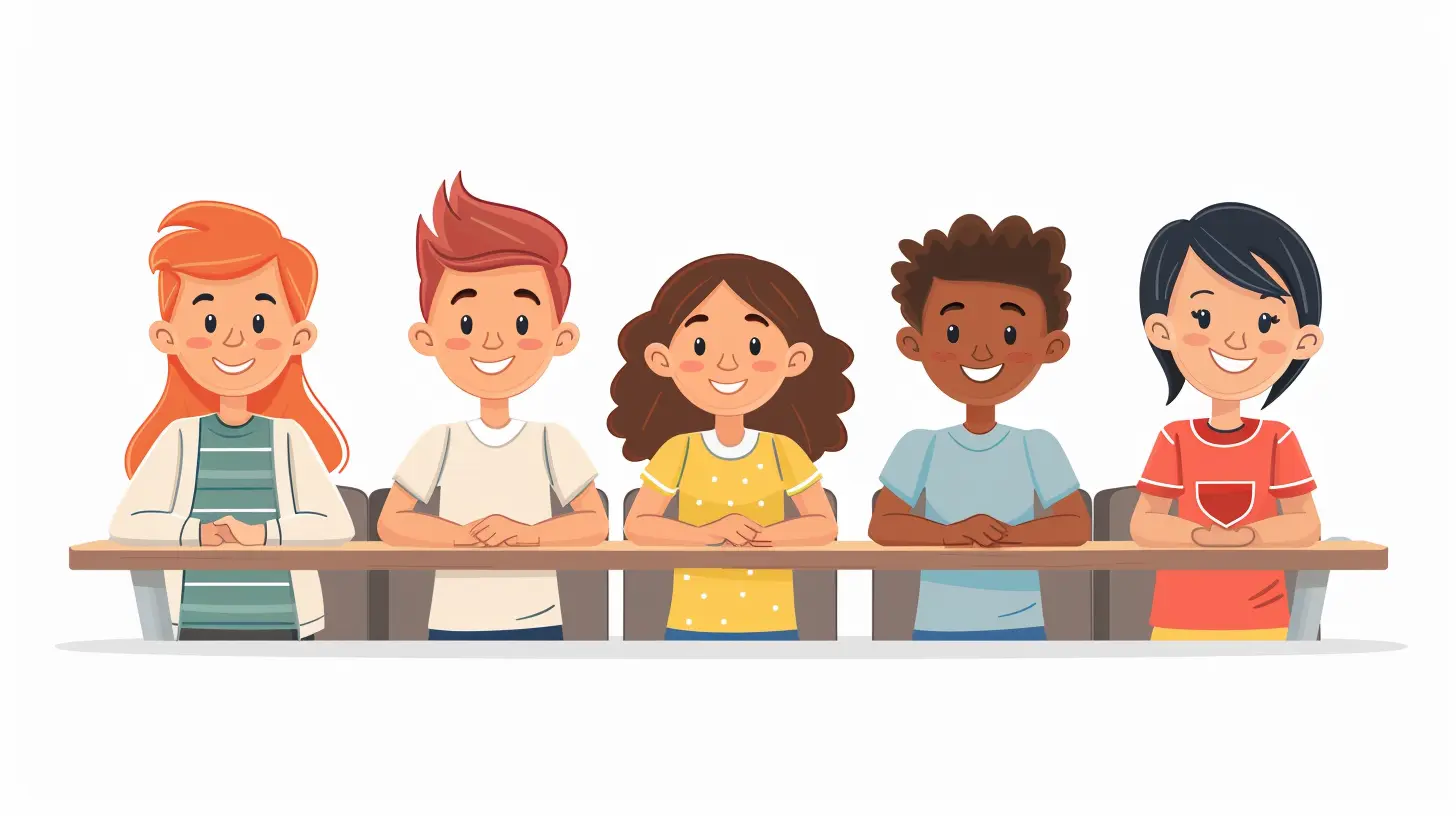
Why Healthy Relationships Matter
Healthy relationships are more than just getting along with others—they influence mental health, academic success, and overall happiness. When students have strong relationships, they feel supported and encouraged, making it easier for them to navigate school and life challenges.On the flip side, poor relationships can lead to stress, anxiety, and even academic struggles. This is why it's crucial to equip students with the skills they need to build and maintain positive connections. And what better way to do that than through open, honest, and guided discussions?

The Role of Classroom Discussions in Relationship Building
Talking things out works wonders. When students engage in meaningful classroom discussions, they develop:- Empathy – Understanding different perspectives helps students relate to others.
- Communication Skills – Expressing themselves clearly and listening actively strengthens their ability to connect.
- Conflict Resolution Skills – Learning to handle disagreements in a respectful manner prepares them for real-world interactions.
But how do we ensure that these discussions are truly beneficial? Let's break it down.

Creating a Safe and Open Environment
For classroom discussions to be effective, students need to feel safe. If they fear judgment or ridicule, they’re less likely to open up. Here’s how educators can create a welcoming atmosphere:1. Set Ground Rules
At the start of the year (or even before a discussion), establish clear rules. Encourage:- Respectful listening (no interrupting)
- Open-mindedness (no judgment)
- Confidentiality (what’s shared in the classroom stays there)
2. Encourage Vulnerability
Students look to their teachers for cues. If educators share personal experiences (within reason), it inspires students to do the same.3. Validate Every Voice
No idea should be dismissed. Even if a student’s perspective is different, acknowledge it. This fosters confidence and encourages more participation.
Discussion Topics to Promote Healthy Relationships
Now that we’ve set the stage, let’s talk about what students should be discussing. Here are some key topics that can help them build stronger relationships:1. What Makes a Healthy Friendship?
Ask students: What qualities make a good friend? How do we maintain friendships? What should we do if we feel like a friendship is unhealthy?This discussion helps students reflect on their relationships and recognize red flags in unhealthy friendships.
2. Handling Disagreements Respectfully
Conflict is part of life, but how we handle it makes all the difference. Role-playing scenarios can help students practice resolving disagreements without hostility.Questions to ask: How do you react when someone disagrees with you? How can you express your point of view without being hurtful?
3. The Power of Kindness and Empathy
Challenge students to think about how small acts of kindness impact their relationships. Share real-life stories of kindness and discuss how empathy strengthens bonds.4. Social Media and Relationships
In today’s digital world, many relationships exist online. Talk about how social media affects friendships and mental health. Ask: How can we use social media positively? What should we do about online conflicts?Strategies to Keep Discussions Engaging
Engaging students in meaningful discussions isn’t always easy. Here are some strategies to keep the conversation flowing:1. Use Real-Life Scenarios
Students connect better with real-world examples. Share relatable stories or news events to spark conversations.2. Incorporate Group Activities
Break students into small groups to discuss topics before bringing the conversation back to the whole class. This helps quieter students feel more comfortable sharing their thoughts.3. Ask Open-Ended Questions
Instead of questions that can be answered with a simple "yes" or "no," encourage deeper thinking with questions like:- How do you feel when someone truly listens to you?
- What’s a time you showed kindness that made a difference?
4. Bring in Guest Speakers
Sometimes, hearing from an outside voice can make an impact. Invite counselors, motivational speakers, or even older students to talk about their experiences with relationships.
Overcoming Common Challenges
1. Lack of Participation
Not all students are eager to speak up. Try:- Allowing anonymous written responses before discussing topics.
- Using interactive tools like polls or online discussions.
2. Sensitive Topics
Discussions can sometimes bring up personal or emotional issues. Make sure students know they can reach out privately if they need support. Always be prepared to guide discussions with care.3. Disagreements That Get Heated
It’s normal for students to have differing opinions, but respectful dialogue is key. If tensions rise:- Remind students of classroom rules.
- Encourage taking a break and revisiting the discussion later.
Long-Term Benefits of Relationship-Centered Discussions
Discussions about relationships don’t just help in the short term—they set students up for lifelong success. Here’s what they gain:- Stronger Communication Skills – Essential for personal and professional life.
- Increased Emotional Intelligence – Helps in responding to emotions effectively.
- Better Teamwork and Collaboration – Prepares them for future group settings.
When students learn in an environment that prioritizes healthy relationships, they carry those lessons into adulthood.
Conclusion
Promoting healthy relationships through classroom discussions isn’t just beneficial—it’s necessary. When students learn to communicate, empathize, and resolve conflicts early on, they develop the skills needed to build meaningful connections throughout life.So, let’s start the conversation. Let’s create classrooms where students feel safe to express themselves, listen to others, and grow into compassionate, understanding individuals. After all, relationships shape our world—so why not teach students how to build the best ones?
all images in this post were generated using AI tools
Category:
Health EducationAuthor:

Zoe McKay
Discussion
rate this article
2 comments
Molly Benton
Oh sure, because nothing says "healthy relationship skills" like a lively debate over last week’s homework. Can’t wait to see those conflict resolution skills in action during lunch!
March 31, 2026 at 3:17 AM
Zoe McKay
I appreciate your perspective. Healthy debates can actually strengthen relationships and teach valuable skills. Let's embrace the discussion!
Micah McHugh
This article effectively highlights the vital role of classroom discussions in fostering healthy relationships among students. However, it would benefit from exploring the challenges teachers face in facilitating these conversations, such as diverse perspectives and potential conflicts. Addressing these barriers could enhance the practical implementation of promoting healthy interactions in educational settings.
March 8, 2026 at 5:58 AM
Zoe McKay
Thank you for your insightful feedback. I agree that discussing the challenges teachers face is important. I will consider incorporating that perspective in future work to provide a more balanced view.