Building Stronger Learning Communities Through Peer Tutoring
10 June 2026
Education isn’t just about textbooks, grades, or standardized tests. It’s about people—students, teachers, mentors—and the beautiful web of relationships that help knowledge flow like a river through time. When learning becomes a shared journey instead of a solitary trudge, magic happens. And peer tutoring? That’s the spark that sets the whole thing ablaze.
Let’s take a walk through the heart of what it really means to build stronger learning communities through peer tutoring—and why this low-cost, high-impact method is reimagining classroom walls into bridges.
What Is Peer Tutoring Anyway?
At its core, peer tutoring is simple: students helping students. Sometimes it’s an older student guiding a younger one. Sometimes it’s classmates working together to crack a tough problem. But don’t let the simplicity fool you—it’s powerful stuff.Peer tutoring takes place just about anywhere learning happens: after school programs, university study halls, or even over Zoom from halfway across the world. While the formats vary, the heartbeat remains the same—collaboration over competition.
Why Peer Tutoring Works Like A Charm
You ever notice how something finally “clicks” when a friend explains it? That’s no accident. Peer tutoring works because of empathy. When someone who’s walked the same academic road shares what helped them, the learning feels personal, relatable, and less intimidating.Let’s unpack the magic ingredients that make peer tutoring so incredibly effective:
1. Shared Language
Tutors and learners speak the same language—literally and figuratively. They use familiar slang, cultural references, and even similar thought processes. That makes explanations feel more like a chat than a lecture.2. Comfort Over Pressure
Most students feel more comfortable asking a peer to repeat something or admit they didn’t understand. No fear of judgment. No grade at stake. Just honest learning.3. Better Retention
Want to truly understand something? Teach it. Peer tutors don’t just help others—they reinforce their own skills. It’s like muscle memory for the mind.
Building Community, One Connection At A Time
Now, here’s a deeper truth: peer tutoring isn’t just about learning facts. It’s about creating bonds. It helps build a true sense of “we’re in this together.” That’s what makes a learning community stronger.Connection Breeds Confidence
When students work together, the academic loneliness melts away. That sense of “I’m the only one struggling” transforms into “We’ve got this.”Imagine the ripple effect: a tutor feels empowered because they’re helping someone else. A tutee feels supported and understood. Both students grow in ways that stretch beyond the curriculum.
Leadership Grows Naturally
Peer tutors often become informal leaders. They build communication, empathy, and problem-solving skills that textbooks can’t teach. These aren’t just academic boosts—they're life skills.Over time, classrooms shift from quiet rows of isolated learners into buzzing hives of interaction and mutual support. That’s the real power of community.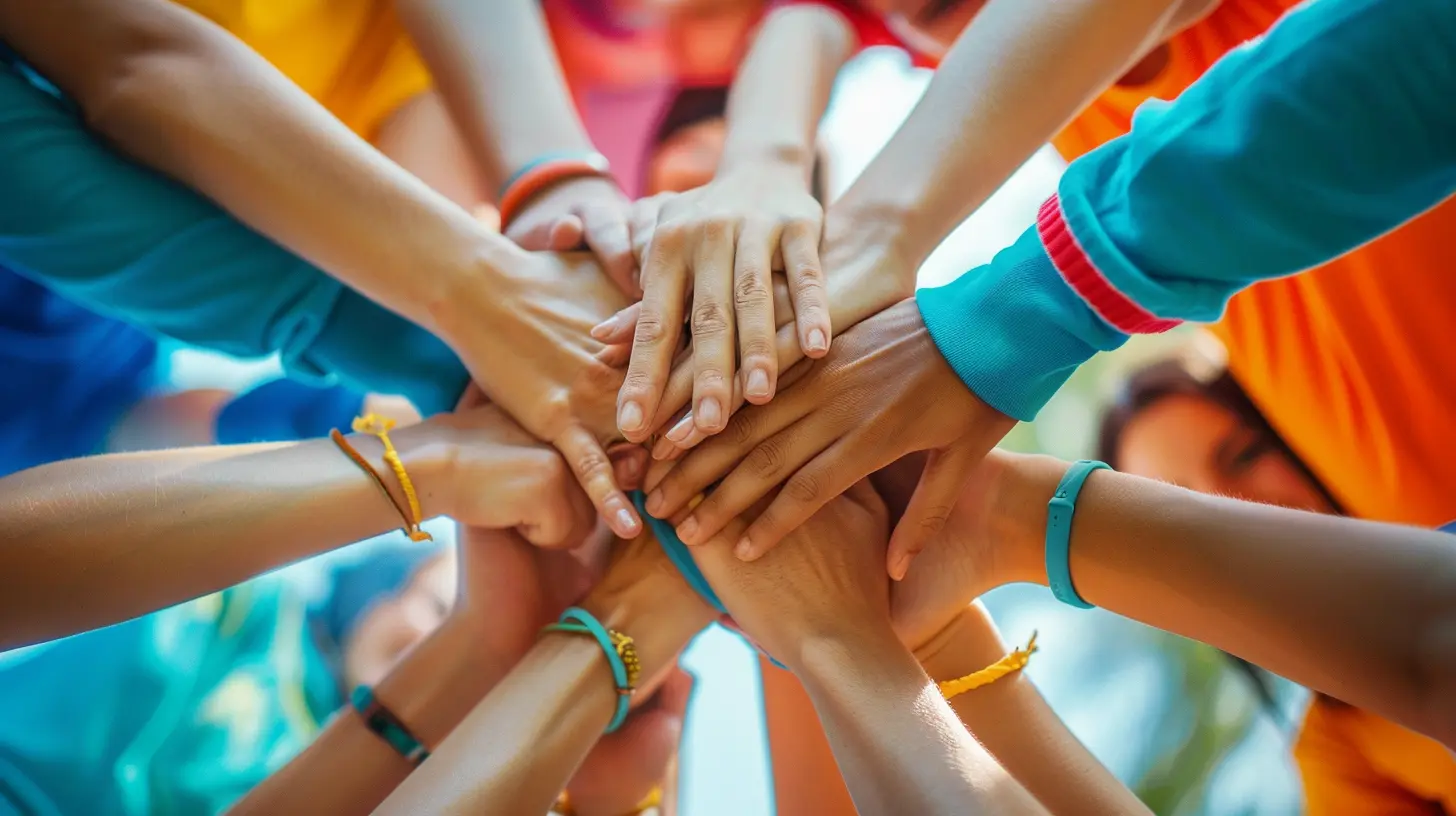
The Ripple Effect: Benefits For Everyone
We talk a lot about academic results, but let's zoom out for a second. Peer tutoring creates positive changes that stretch across entire schools and campuses. Here’s how:For Tutors
- Boosts confidence: Standing in front of peers can feel intimidating at first, but over time, tutors become more self-assured.- Improves mastery: Teaching pushes them to deepen their understanding.
- Builds soft skills: Communication, patience, and active listening—all transferable beyond school life.
For Tutees
- Personalized pacing: Everyone learns at their own speed. With peer tutors, there's space to pause, rewind, and ask tons of questions.- Reduced anxiety: Learning with a peer feels low-stakes and more relaxed.
- Better outcomes: Countless studies show improved grades and motivation.
For Teachers and Schools
- Shared workload: Peer tutoring lightens the load, giving teachers more breathing room.- Improved classroom atmosphere: More collaboration means fewer behavior issues and more engagement.
- Community cohesion: Teachers, parents, and students feel like they’re working toward a shared goal.
How To Start A Peer Tutoring Program
Okay, so you’re convinced. But maybe you’re wondering—how do we actually start something like this? The good news? You don’t need a fancy budget or a perfect plan. You just need heart, structure, and some willing volunteers.Here’s a basic roadmap to get you rolling:
1. Identify Needs
Start by finding out who needs help and in what subjects. Talk to teachers, counselors, and students. Keep things flexible—some learners want one-on-one help, others prefer group sessions.2. Recruit Tutors
Look for students who are not just academically strong, but patient, reliable, and willing to grow. You can train them, but you can’t fake passion. Offer incentives—certificates, school credits, or just good old recognition.3. Provide Training
Even the smartest student may need help learning how to explain clearly, listen actively, or manage time. Training should cover both the academic and interpersonal side of tutoring.4. Create A Matching System
Whether it’s scheduling weekly sessions or forming drop-in study tables, organization matters. Use sign-up sheets, apps, or even sticky notes—whatever keeps things smooth.5. Track Progress
Check in regularly. Are both tutors and tutees happy? Adjust as needed. Collect feedback and celebrate small wins.Common Challenges (And How To Beat ‘Em)
Let’s be real—peer tutoring isn’t always sunshine and rainbows. You’ll hit a few bumps along the way. Here are some typical hurdles and how to hop over them:Scheduling Conflicts
Solution? Offer flexible options. Lunch breaks, after school, weekends, even online sessions. Variety is key.Uneven Pairings
Compatibility matters. Not every tutor-tutee combo clicks. Don’t be afraid to reshuffle if something’s not working.Burnout
Tutors are students too. Make sure they’re not overwhelmed. Recognize their efforts and give them breathing space when needed.Where Peer Tutoring Meets The Digital Age
We’re living in a time where a student in Tokyo can tutor someone in Toronto. Thanks to tech, peer tutoring is breaking barriers left and right.Virtual Platforms and Apps
From Zoom to Discord to Google Meet, the possibilities are endless. Add collaboration tools like shared whiteboards and boom—your tutoring session just went global.Online Tutoring Communities
Students are forming study squads on Reddit, YouTube, and TikTok. They’re creating short lessons, sharing notes, and lifting each other up—all without ever meeting face-to-face.Technology may change the tools, but the heart remains the same: learners helping learners.
Real Stories, Real Impact
Let’s step out of the theory and into the real world. Here are a few snippets of how peer tutoring has transformed lives:- Maya, a shy high school junior, started tutoring freshmen in algebra. By senior year, she was leading a math club and considering a teaching career. Her confidence skyrocketed—not just in math, but in herself.
- Liam, a student with dyslexia, struggled with reading until a classmate broke down passages into bite-sized discussions. His reading scores improved, but more importantly, he stopped saying “I’m just not a reader.”
- Downtown High, an urban school with limited resources, launched a peer tutoring program that cut failure rates by 30% in just one semester. The students drove that change—not the administrators.
These aren’t isolated wins. This is the power of lifting each other up.
The Future Is Collaborative
Here’s the deal—education is changing. And thank goodness. The old “sage on the stage” model is fading. In its place? Circles, not rows. Conversations, not monologues.Peer tutoring is about more than test scores. It’s about creating places where learners feel seen, heard, and valued. Where collaboration beats isolation. Where students build not just knowledge, but relationships and responsibility.
So whether you’re a student, a teacher, a parent, or just someone who cares about the future of education—know this: you have the power to help build a stronger learning community. And it all starts with one student turning to another and saying, “Let me help.”
The classroom walls are coming down. Let’s build bridges instead.
all images in this post were generated using AI tools
Category:
Peer TutoringAuthor:

Zoe McKay
Discussion
rate this article
1 comments
Julianne McElroy
Peer tutoring fosters collaboration and connection, empowering students to learn from each other. It's a vital strategy for enhancing educational experiences together.
June 10, 2026 at 12:02 PM
Zoe McKay
Absolutely, peer tutoring creates a supportive environment where students can share knowledge and strengthen their connections. It truly enhances the learning experience.