Peer Tutoring as a Tool for Personalized Learning
26 March 2026
Education isn't one-size-fits-all. Every student learns at their own pace, with unique strengths and challenges. Traditional classrooms, however, don’t always allow for this kind of individualized attention. That’s where peer tutoring comes in. It’s an effective, student-centered approach that fosters personalized learning in a way that traditional teaching methods often fail to do.
But what makes peer tutoring such a powerful tool? And how does it create a more engaging and personalized learning experience for students? Let’s dive in.
What Is Peer Tutoring?
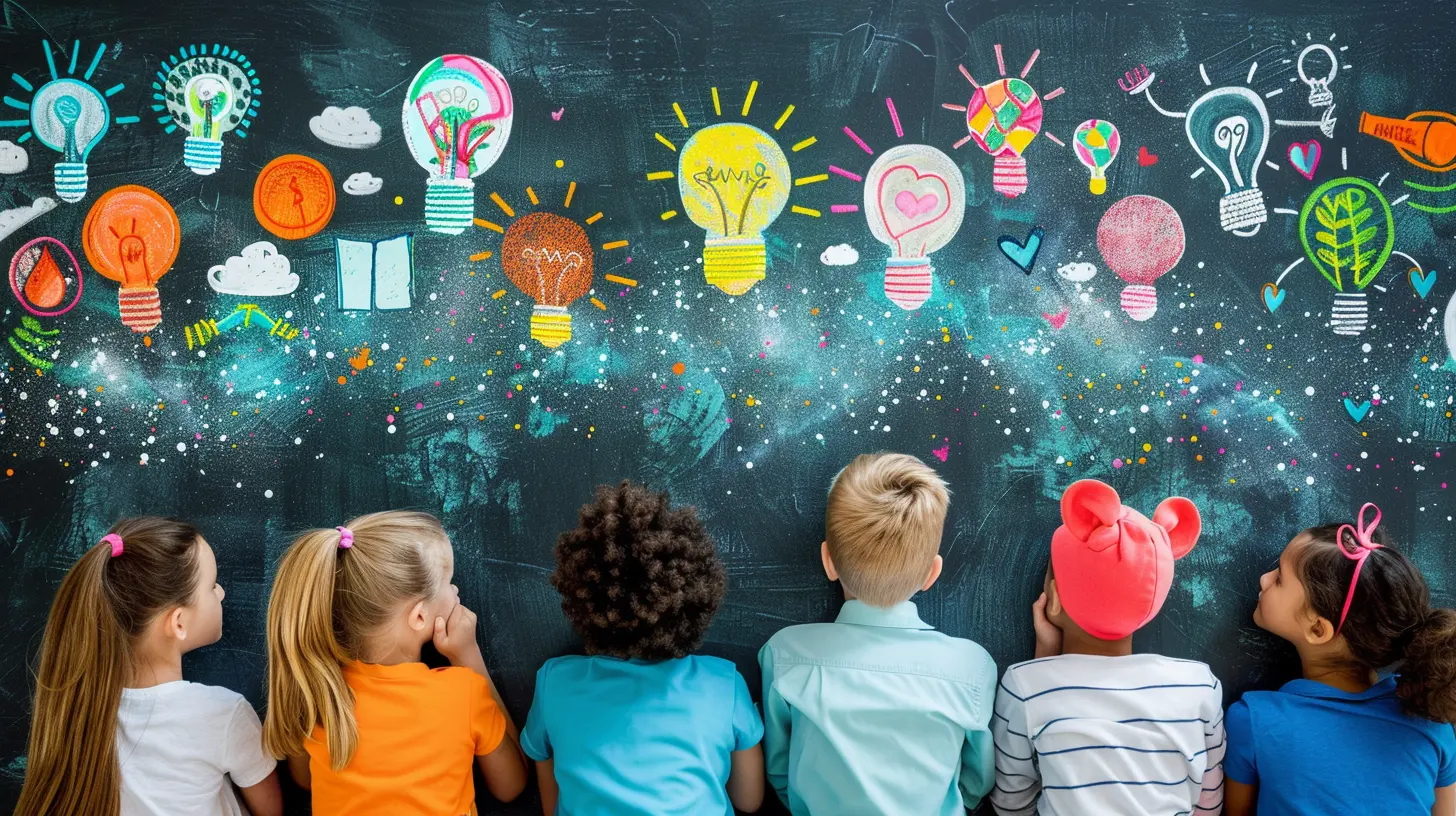
Peer tutoring is a structured learning process where students help each other understand academic concepts. Typically, a more knowledgeable student tutors a peer who needs guidance in a particular subject. This doesn’t mean the tutor has to be an expert—sometimes, learning from someone close in age and experience can make concepts easier to grasp.Unlike teacher-led instruction, peer tutoring creates a collaborative learning environment where both tutor and learner benefit. The tutor reinforces their knowledge by explaining concepts, while the learner gets one-on-one attention that caters to their specific needs.
Why Peer Tutoring Works for Personalized Learning
1. Tailored Learning Experience
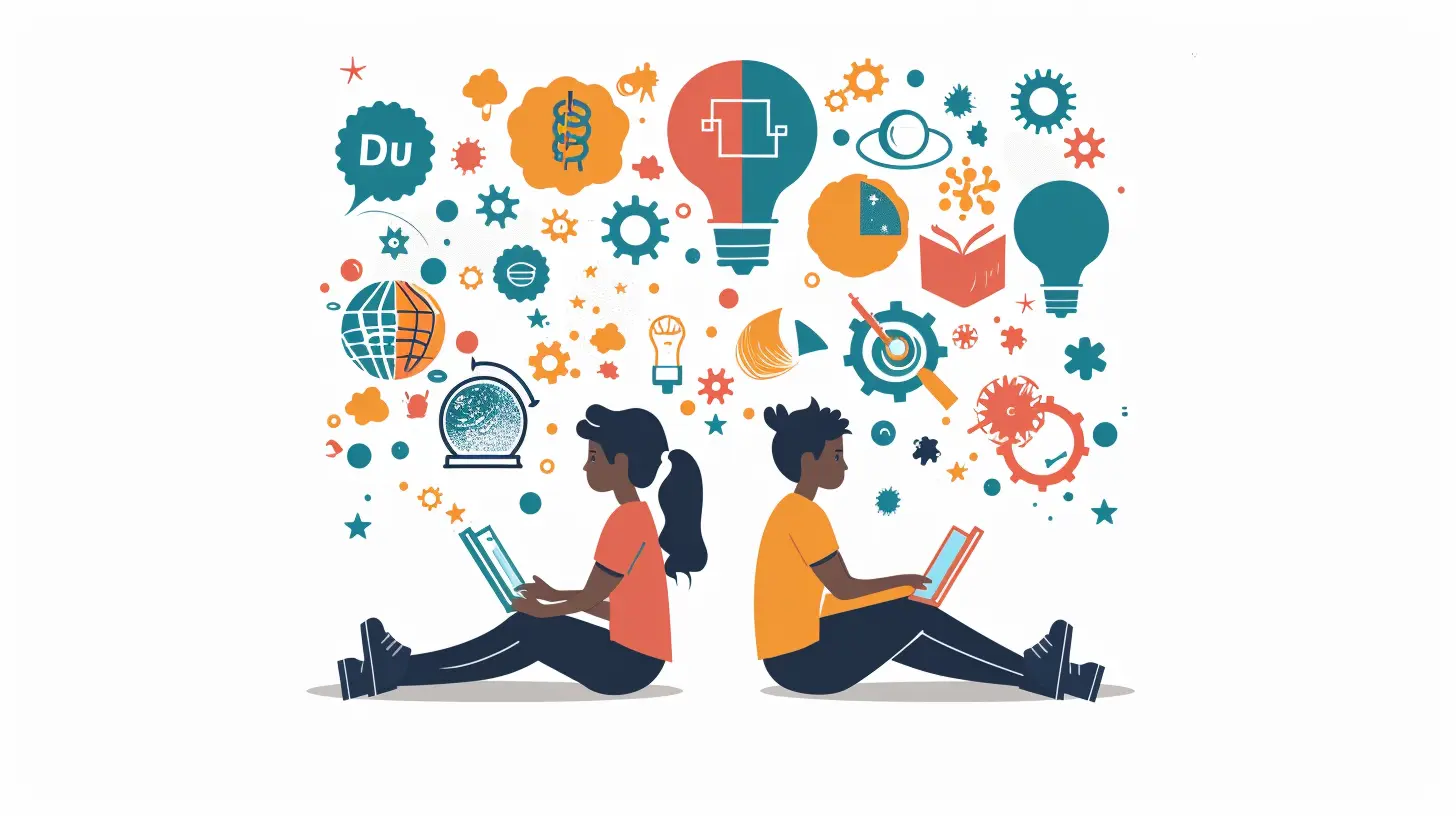
In a traditional classroom, one teacher is responsible for dozens of students. It’s impossible to give every student the personal attention they might need. Peer tutoring fills this gap by offering a more personalized learning experience.With one-on-one or small-group sessions, students can learn at their own pace, ask questions freely, and revisit concepts without the pressure of keeping up with the whole class. This individual attention makes learning more effective and less stressful.
2. Increased Engagement and Confidence
Ever noticed how students are often more comfortable talking to their peers than to a teacher? That’s a key advantage of peer tutoring. Instead of feeling intimidated, students engage more actively in discussions, ask questions, and express their thoughts more openly.This fosters confidence and self-esteem, which is crucial for academic success. When students see themselves making progress with the help of a peer, they gain a sense of achievement that boosts their motivation to learn.
3. Learning Becomes a Two-Way Street
The beauty of peer tutoring is that both students benefit. The tutor gains a deeper understanding of the subject by explaining it in simpler terms, reinforcing their knowledge. Meanwhile, the learner gets a simplified explanation that may be easier to understand than a textbook or lecture.It’s like teaching a friend how to ride a bike—sometimes, peer-to-peer guidance just makes things click faster than a formal lesson ever could.
4. Encourages Active Learning
Passive learning, where students simply listen and take notes, isn’t always effective. Peer tutoring promotes active learning, where students engage in discussions, ask questions, and work through problems together.Rather than just memorizing facts, they gain a more profound understanding of topics by explaining, questioning, and debating. This hands-on approach makes learning stick far better than rote memorization.
5. Bridges Learning Gaps Without Pressure
Traditional classrooms move forward regardless of whether every student fully understands the material. This can create learning gaps, where students fall behind because they missed key concepts.Peer tutoring helps fill these gaps in a comfortable, low-pressure setting. Since learning happens in a friendly, informal environment, students feel more at ease asking for help without fear of judgment.

How to Implement Peer Tutoring Effectively
If you’re an educator or student looking to introduce peer tutoring into your learning routine, here are some practical steps to make it work.1. Pair Students Thoughtfully
Not every student is a good fit for every tutor. Pairing should be based on:- Skill Level: A tutor should be ahead but not too far ahead of their peer.
- Learning Style Compatibility: Some students learn visually, while others prefer verbal explanations.
- Personality Match: It's essential that both the tutor and the learner feel comfortable with each other.
2. Set Clear Goals
Peer tutoring sessions should be structured with specific goals in mind. Without a plan, sessions can drift off-topic. Encourage students to:- Identify weak areas or topics they need help with.
- Set achievable learning goals for each session.
- Track progress so they can see improvement over time.
3. Create a Supportive Learning Environment
It’s essential to foster an environment where students feel safe asking questions and making mistakes. Encouragement and positive reinforcement should be constant to maintain motivation and engagement.4. Provide Training for Peer Tutors
Even though peer tutors are students, they should still receive some basic training. This can include:- Teaching them how to explain concepts clearly.
- Encouraging patience and active listening.
- Showing them how to give constructive feedback.
With proper guidance, peer tutors can be more effective and confident in their roles.
5. Utilize Technology for Peer Tutoring
With digital tools and online learning platforms, peer tutoring doesn’t have to be face-to-face. Virtual tutoring sessions through video calls, online discussion forums, and collaborative documents can expand the reach of peer tutoring beyond the classroom.Apps like Zoom, Google Docs, and even specialized tutoring platforms like Khan Academy or Brainly can help facilitate peer tutoring sessions seamlessly.

The Long-Term Benefits of Peer Tutoring
While peer tutoring is fantastic for academic improvement, its benefits stretch far beyond the classroom.1. Develops Leadership and Communication Skills
For tutors, explaining concepts, guiding discussions, and offering feedback builds leadership and communication skills—valuable assets in any career path.2. Enhances Critical Thinking and Problem-Solving
Both tutors and learners sharpen their critical thinking skills as they discuss topics, dissect problems, and come up with different ways to approach learning challenges.3. Fosters Collaboration and Teamwork
In today’s world, the ability to work well with others is crucial. Peer tutoring teaches students how to collaborate, listen, and support each other—skills that translate into both academic and professional success.4. Builds a Stronger Learning Community
When students actively help each other succeed, it creates a positive learning culture. It fosters a sense of responsibility, cooperation, and mutual support, making the classroom a more engaging and motivating place for everyone.Final Thoughts
Peer tutoring is more than just a teaching strategy—it’s a powerful tool for personalized learning. It allows students to learn at their own pace, receive one-on-one attention, and engage in meaningful, collaborative learning experiences.Whether you’re a teacher looking to implement peer tutoring in your classroom or a student seeking extra help, embracing this educational approach can lead to academic success, personal growth, and a stronger sense of community.
So why not give it a try? The next time you’re struggling with a topic, or you see a friend who needs help, consider a peer tutoring session. The benefits are endless!
all images in this post were generated using AI tools
Category:
Peer TutoringAuthor:

Zoe McKay
Discussion
rate this article
2 comments
Niva Griffin
While peer tutoring fosters collaboration and reinforces learning, its success hinges on careful pairings and training. Without proper guidance, disparities in knowledge and communication styles may hinder effectiveness. Emphasizing structured frameworks can enhance peer tutoring’s potential as a personalized learning strategy in diverse classrooms.
April 23, 2026 at 2:42 AM
Zoe McKay
I appreciate your insights. Structured frameworks and thoughtful pairings are indeed crucial for maximizing the benefits of peer tutoring in diverse classrooms.
Selkie Young
Great insights! Peer tutoring truly enhances personalized learning by fostering collaboration and understanding. Encouraging students to teach each other can boost confidence and knowledge retention.
March 27, 2026 at 9:19 PM
Zoe McKay
Thanks for your thoughts! I completely agree that peer tutoring builds confidence and deepens understanding. It really creates a positive learning environment.