Peer Tutoring and the Development of Soft Skills
5 July 2026
In today's fast-paced world, academic knowledge is no longer enough. Sure, knowing how to solve complex equations or write compelling essays is important, but what about the skills that make us better communicators, collaborators, and problem solvers? Enter soft skills—the often-underrated abilities that can make or break success in both personal and professional life.
Now, here's the thing: while schools are great at teaching hard skills, soft skills often take a backseat. But there’s a powerful, often overlooked method that can help students develop these essential interpersonal abilities—peer tutoring.
In this article, we’ll explore how peer tutoring not only helps students academically but also plays a crucial role in building soft skills. Whether you're a student, teacher, or parent, you’ll want to stick around because this is a game-changer.
What is Peer Tutoring?
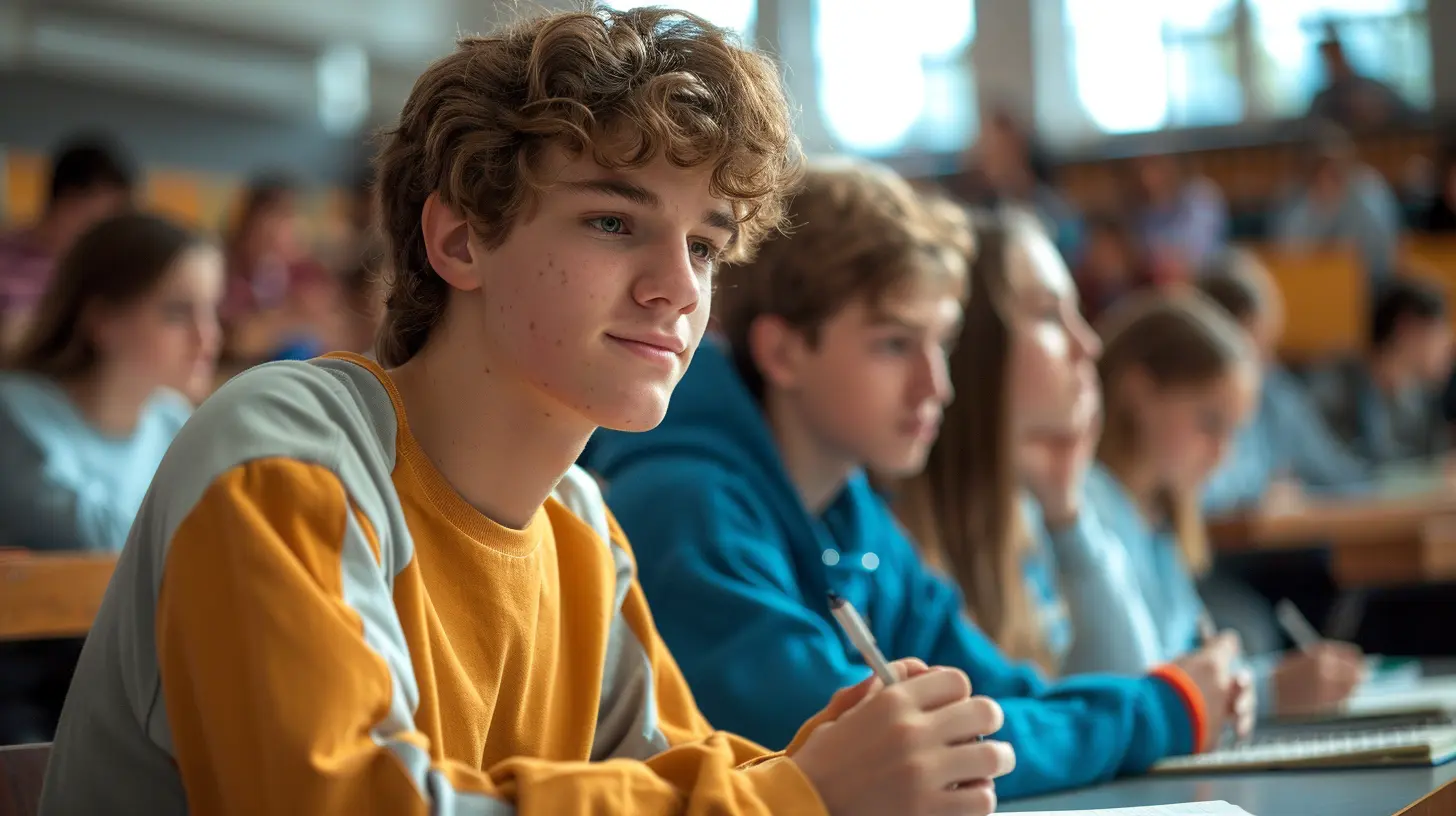
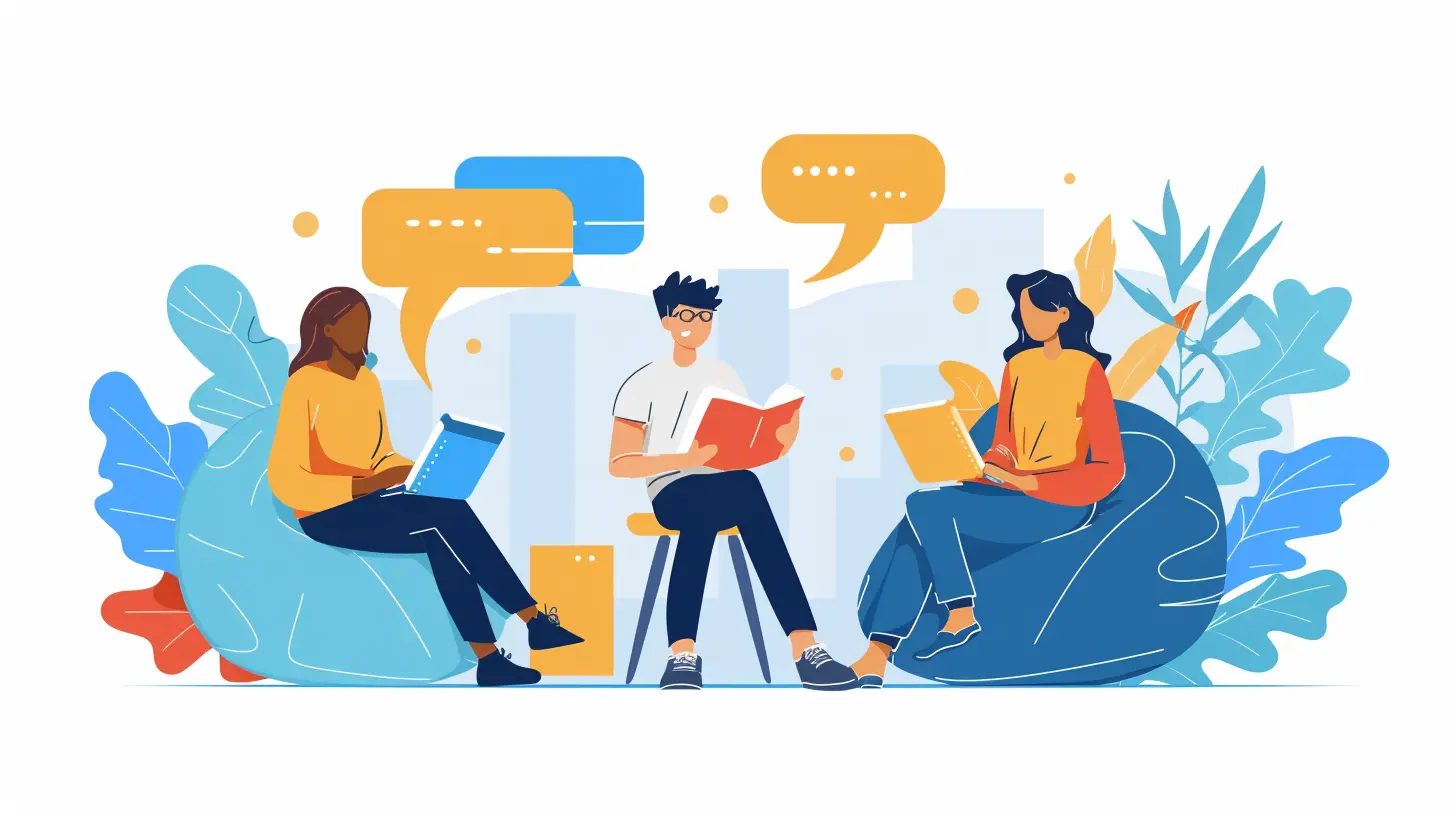
Let’s start with the basics. Peer tutoring is a practice where students help each other learn. It’s a simple concept: a student who understands a topic well teaches another student who might be struggling with it. It could be anything from math problems to essay writing tips.Unlike traditional teacher-led instruction, peer tutoring is more informal and often, more approachable. Whether it’s a one-on-one session or a small group, peer tutoring allows students to engage with the material in a relaxed, friendly atmosphere.
But here's the kicker: while both the tutor and the tutee gain academically, the real magic happens when you dig deeper into the soft skills that are being developed along the way.
What Are Soft Skills, Anyway?
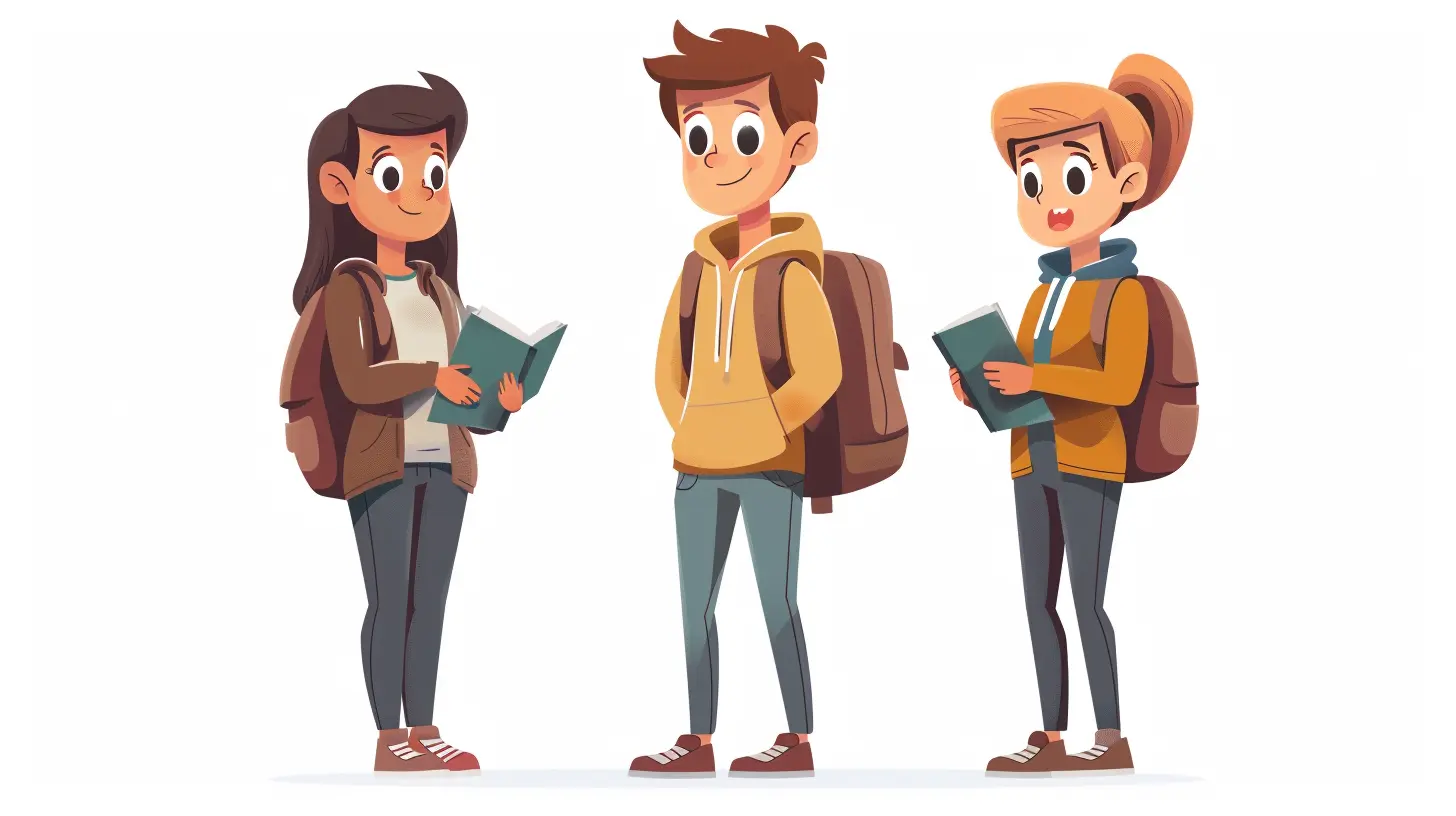
Before we dive into how peer tutoring nurtures soft skills, let’s clarify what soft skills actually are. In simple terms, soft skills are the “people skills” or “interpersonal skills” that help us interact effectively with others. These include:- Communication: The ability to express thoughts clearly and listen actively.
- Empathy: Understanding and sharing the feelings of others.
- Problem-solving: Approaching challenges with creativity and critical thinking.
- Collaboration: Working well in a team, building relationships, and resolving conflicts.
- Emotional intelligence: Being aware of your own emotions and those of others.
Now, imagine a world where everyone is equipped with these skills. That’s the world peer tutoring can help build!
How Peer Tutoring Develops Soft Skills
1. Communication Skills: Learning to Speak and Listen
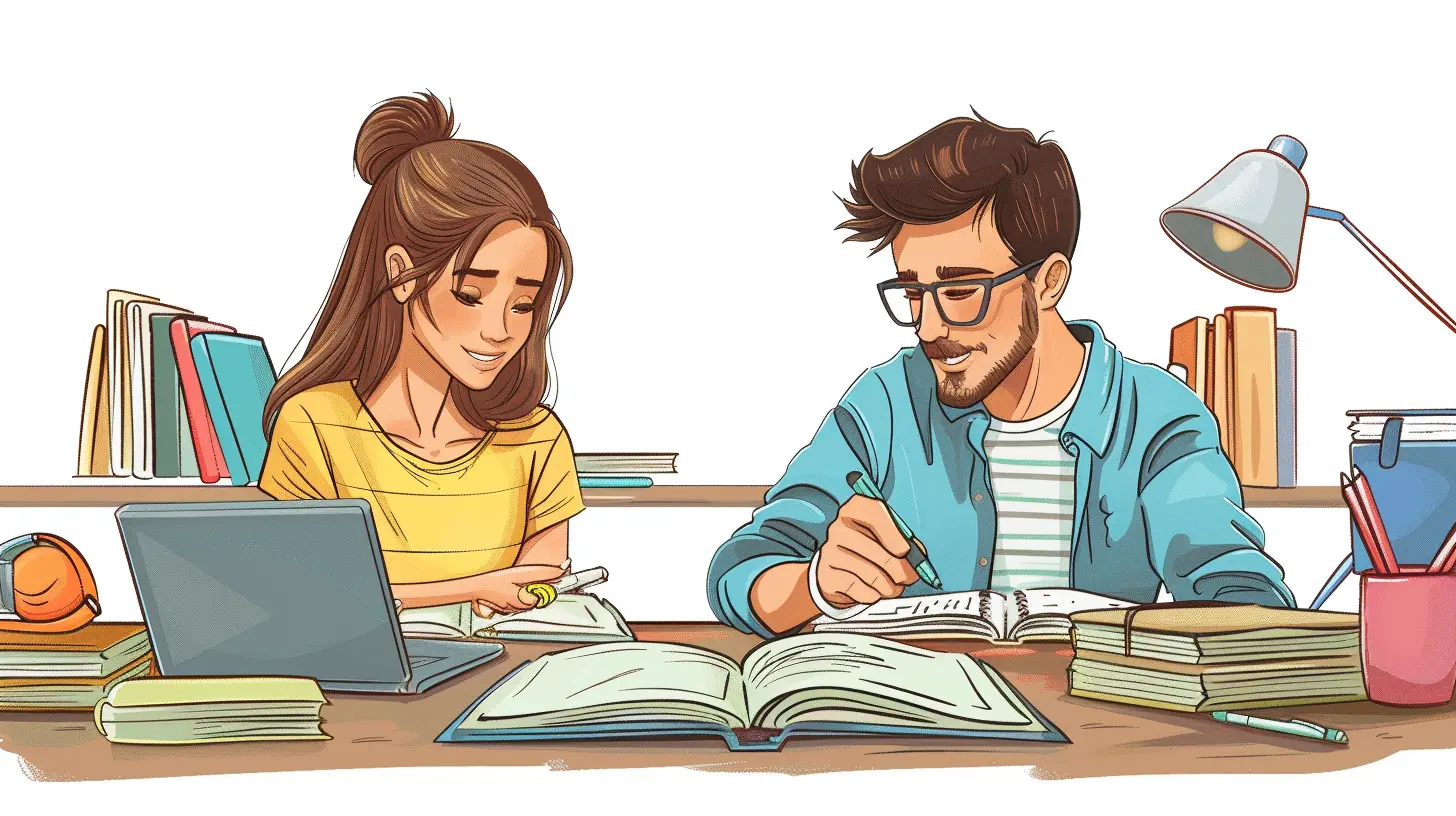
When you’re tutoring a peer, you can’t just rattle off information like a textbook. You have to break things down in a way that makes sense to your fellow student. This means simplifying complex ideas, asking questions, and checking for understanding.On the flip side, the student being tutored also has to communicate. They need to express what they don’t understand, ask questions, and provide feedback. This back-and-forth interaction builds effective communication skills—a soft skill essential for success in almost every career.
Think about it: if you can explain a tricky calculus concept to a classmate, you’re also honing your ability to communicate clearly in the workplace, whether it’s in a team meeting or a client presentation.
2. Empathy: Understanding Different Perspectives
Tutoring isn’t just about teaching facts and figures; it’s about understanding where the other person is coming from. To be an effective tutor, you need to put yourself in the shoes of the person you’re tutoring. Why are they struggling? What’s their learning style? Do they need more encouragement or a different approach?This ability to understand and respond to the needs of others is empathy in action. And empathy is a cornerstone of emotional intelligence, a critical soft skill that helps in everything from leadership to conflict resolution.
So, when students engage in peer tutoring, they’re not just helping each other learn—they’re learning how to relate to and support others more effectively. And let’s be real: the world could use a little more empathy.
3. Problem-Solving: Tackling Challenges Together
Every tutoring session is essentially a problem-solving session. Whether it’s figuring out how to tackle a difficult math problem or finding a new way to explain a concept, both the tutor and the tutee are engaged in active problem-solving.Tutors often have to think on their feet, coming up with creative ways to explain things. Meanwhile, the tutee is trying to grasp the information and apply it to their own understanding. This process fosters critical thinking and creativity, two soft skills that are invaluable in the real world.
In many ways, peer tutoring is like a mini version of the problem-solving you’ll encounter in the workplace. The only difference? Instead of solving business problems or customer issues, you’re solving academic challenges. But the skills are transferable.
4. Collaboration: Working as a Team
Peer tutoring is a two-way street. It’s not just about one person teaching and the other person absorbing information. It’s a collaborative effort. The tutor and tutee have to work together to make progress.This collaboration helps students learn how to function as a team, whether they're brainstorming solutions, dividing tasks, or providing feedback. Teamwork is a vital soft skill in almost every career, from healthcare to tech.
By working together in a peer tutoring environment, students not only help each other academically but also build strong relationships, learn to trust one another, and understand the power of collective effort.
5. Confidence and Leadership: Stepping Up to the Challenge
Being a peer tutor isn’t just about having academic knowledge. It’s also about having the confidence to share that knowledge with someone else. Every time a student tutors a peer, they’re stepping into a leadership role. They’re taking responsibility for someone else’s learning and guiding them through the process.This kind of experience builds leadership skills and boosts self-confidence. And guess what? Confidence is contagious. When the tutee sees their peer successfully guiding them, they start to believe in their own abilities too. It’s a win-win.
6. Time Management: Balancing Responsibilities
Peer tutoring doesn’t happen in a vacuum. Students still have their own assignments, tests, and extracurricular activities to manage. Balancing all these responsibilities while engaging in peer tutoring teaches students how to manage their time effectively.Time management is a crucial soft skill, especially in the professional world where deadlines and competing priorities are a constant challenge. Learning how to allocate time for tutoring sessions, study, and personal commitments is a lesson that will serve students well beyond the classroom.
Why Schools Should Encourage Peer Tutoring
By now, you’re probably convinced that peer tutoring is an amazing way to develop soft skills. But here’s the unfortunate truth: many schools don’t prioritize it.Why? Because soft skills are harder to measure. You can’t exactly grade someone on their ability to empathize or collaborate, right? But just because soft skills aren’t easy to quantify doesn’t mean they’re not important.
In fact, research shows that soft skills are often just as important—if not more so—than hard skills when it comes to long-term success. That's why schools should make peer tutoring a regular part of the curriculum. Not only does it help students academically, but it also equips them with the soft skills they’ll need to thrive in the real world.
Peer Tutoring Creates a Supportive Learning Environment
One of the best things about peer tutoring is that it creates a supportive, non-judgmental learning environment. Students often feel more comfortable asking questions and expressing confusion with their peers than with teachers or authority figures.This kind of open, stress-free communication fosters deeper learning and helps students build confidence in both their academic abilities and their interpersonal skills.
Peer Tutoring is Cost-Effective
Another reason schools should encourage peer tutoring? It’s cost-effective! Schools don’t need to invest in new technology or hire additional staff to make it happen. All it takes is a little organization and a willingness to let students take the lead.How to Get Started with Peer Tutoring
If you’re a teacher or school administrator, setting up a peer tutoring program doesn’t have to be complicated. Here are a few steps to get started:1. Identify willing tutors: Find students who are excelling in certain subjects and are interested in helping their peers.
2. Pair up students: Match tutors with students who need help in specific subjects.
3. Provide guidance: Offer resources or tips to both tutors and tutees on how to make the most of their tutoring sessions.
4. Monitor progress: Check in periodically to ensure the tutoring is beneficial for both parties.
As a student, if your school doesn’t have a formal peer tutoring program, why not start one? Gather a few friends, talk to a teacher, and get the ball rolling. Not only will you help others, but you’ll also be developing skills that will serve you for the rest of your life.
Conclusion
Peer tutoring is a hidden gem in education. While it’s often viewed as a way to boost academic performance, its real superpower lies in the development of soft skills. From communication and empathy to problem-solving and leadership, peer tutoring equips students with the tools they need to succeed in both school and life.So, whether you're a student looking to improve your skills or a teacher aiming to enhance classroom dynamics, peer tutoring is a simple yet powerful solution. Why wait? Start today and watch as students not only excel academically but also grow into confident, compassionate, and capable individuals.
all images in this post were generated using AI tools
Category:
Peer TutoringAuthor:

Zoe McKay
Discussion
rate this article
1 comments
Vaughn Jones
Peer tutoring: where learning to share knowledge is as tricky as sharing snacks!
July 20, 2026 at 4:44 AM
Zoe McKay
That's a great analogy! Sharing knowledge can be just as challenging, but it's essential for growth in both learning and collaboration.