Making Formative Assessment Work in Remote Learning
26 June 2026
Let’s be honest. Remote learning has turned the world of education on its head. Teachers, students, and even parents are still figuring out how to navigate this new digital-classroom reality. One of the biggest question marks? Formative assessment. It used to be super straightforward—asking a question during class, walking around the room to check on student work, or collecting an exit ticket before the bell. Now? Not so simple.
But don’t worry, we’re not here to dwell on the struggles. We’re here to solve them. In this article, we’ll dive deep into what formative assessment really means, why it’s essential (even more so in remote learning), and most importantly—how to make it work like a charm in your virtual classroom.

What Exactly Is Formative Assessment?
Before we start throwing out tools and strategies, let’s get our basics straight.Formative assessment isn’t a pop quiz or a midterm. It’s not about grading. It’s about understanding. Think of it like your GPS during a road trip. It keeps checking in, making sure you’re on the right path. If you're veering off, it reroutes you. In the classroom, formative assessment helps you understand where your students are in their learning journey—so you can adjust your instruction before it’s too late.
Simple, right? But in remote learning, the GPS can feel glitchy. So how do we fix that?

Why Is Formative Assessment More Important in Remote Learning?
You know that feeling when you’re talking on Zoom and everyone is muted with their cameras off? You’re pretty much teaching into the void. That’s where good formative assessment saves the day.In physical classrooms, teachers pick up on lots of unspoken cues—confused looks, raised eyebrows, disengagement. Online, all that disappears. That's why we need intentional, consistent check-ins to see how students are really doing.
Without these check-ins, students can fall behind fast—and you might not catch it until the final grades roll in.

The Common Challenges (And How to Beat Them)
Let’s acknowledge the roadblocks:1. Lack of Engagement
When students are staring at a screen all day, it’s easy for their attention to drift. Even more so when they’re not physically present with their peers or teacher.How to Fix It: Use interactive tools that make learning playful and participatory. Platforms like Pear Deck, Nearpod, and Kahoot turn quizzes into games. They’re like the "Mario Kart" of assessments—fun, fast-paced, and engaging.
2. Tech Issues
Some students might not have stable internet, the latest gadget, or even a quiet place to learn.How to Fix It: Keep assessments low-bandwidth and mobile-friendly. Google Forms, Flipgrid, and even simple discussion boards allow for flexibility. Remember, accessibility beats flash every time.
3. Honesty and Authenticity
Without in-person supervision, how do we know students are doing their own work?How to Fix It: Ask for process over product. Have students record short videos explaining their thought process or submit drafts and reflections. When they can’t just copy-paste an answer, authenticity naturally increases.

Strategies to Make Formative Assessment Work—Remotely
Now that we’ve tackled the big bad challenges, let’s switch gears and talk strategy. Here are some tried-and-true methods that genuinely work in a remote setup.1. Exit Tickets with a Twist
Quick, simple questions at the end of a lesson can work wonders. But remote learning gives us a fun twist—video and audio responses.Try This: Ask students to submit a one-minute Flipgrid video sharing the biggest “aha!” moment from class or one question they still have. It’s like handing in an exit ticket, but more personal and expressive.
2. Weekly Learning Journals
Reflection is powerful. Get students to write short summaries of what they learned each week and any questions they have.Why It Works: Journals help students process information and give teachers insight into their understanding. It’s a win-win.
3. Live Polls and Quizzes
Polling during a Zoom class or dropping a quick quiz in Google Classroom keeps things interactive.Tools to Use: Slido, Kahoot, Mentimeter, or even Zoom’s built-in polling feature.
Pro Tip: Don’t just ask for correct answers. Include reflection questions like, “How confident are you about today’s topic?” That emotional check-in is golden.
4. Peer Feedback
Yes, it works online too! Set up breakout rooms or shared documents where students can review each other’s work.Bonus: It boosts collaboration and helps students learn from one another.
5. Rubric-Based Assignments
Clear expectations = better outcomes. Provide rubrics for projects, writing pieces, or presentations so students know exactly what "success" looks like.Add This: Offer feedback checkpoints before the final submission. That way, they’re improving along the way, not just at the end.
6. Interactive Slides
Use Google Slides or PowerPoint in collaborative mode to create live, shared activities. Each student gets a slide to answer a question or complete a task.Why It Rocks: It gives everyone a voice—quiet kids, shy kids, everyone. Plus, you can see their thinking in real-time.
Feedback Is the Heartbeat of Formative Assessment
Here's the thing—assessment means nothing without feedback. And not just any feedback. We’re talking timely, constructive, and compassionate responses.Think of feedback like watering a plant. Too much? You drown it. Too little? It shrivels. Just the right amount, at the right time, and it blooms. Your students are the same.
How to Give Better Feedback Remotely
- Use voice notes. Tools like Mote or Vocaroo let you leave quick audio messages. It feels more personal than typed comments.- Keep it actionable. Instead of saying “This is confusing,” say “Try explaining this part in one sentence.”
- Celebrate the effort. Remote learning is hard. A little encouragement goes a long way.
Creating a Culture of Continuous Learning
Formative assessment isn’t a one-and-done deal. It's about creating a rhythm in your classroom where checking understanding is part of the process—not a pop quiz surprise.Set Clear Expectations
Let students know from the start that you'll be checking in often—not to "catch" them, but to help them grow. Frame it as a collaboration.Encourage Self-Assessment
Give students rubrics and reflection prompts. Ask: “What parts of this assignment were easiest for you? Which parts were tricky?”When students evaluate themselves, they take ownership of their learning.
Don't Forget the Human Side
Remote learning has made everything a bit more robotic. Screens, schedules, silence. But at its core, education is deeply human.Formative assessments are one of the few ways we get to really connect with our students—understand their fears, celebrate their wins, and guide them forward.
So don’t stress about making it perfect. Focus on making it meaningful.
Let’s Recap
Formative assessment isn’t optional—it’s essential, especially in remote learning. It helps bridge the distance, keep students engaged, and guide instruction with purpose.Here’s what you can take into your virtual classroom:
- Use digital tools that make assessment interactive and fun.
- Focus on process, reflection, and feedback—not just right answers.
- Keep your assessments low-barrier and accessible for all learners.
- Prioritize personal connection—audio notes, video responses, and peer interactions matter.
- Build a classroom culture where formative assessment is just part of how you learn together.
You're not in this alone. The shift to remote learning isn’t easy, but with the right tools and mindset, you can absolutely make formative assessment work. And not just work—make it thrive.
Because at the end of the day, it’s not about the tools or the tech. It’s about supporting your students, one check-in at a time.
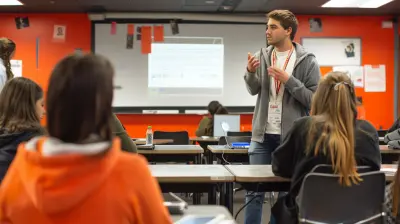
all images in this post were generated using AI tools
Category:
Formative AssessmentAuthor:

Zoe McKay
Discussion
rate this article
1 comments
Hannah Hayes
Formative assessment in remote learning: the only reason I remember to wear pants!
June 27, 2026 at 12:37 PM
Zoe McKay
Glad to hear it sparked a little motivation! It's all about staying engaged, even in your pajamas.