Creating a Learning Environment at Home
14 March 2026
Learning doesn’t have to be confined to the four walls of a classroom. In fact, some of the best learning happens right at home! Whether you're homeschooling, supplementing school education, or just encouraging curiosity, creating a learning-friendly space at home can make all the difference. But how do you turn your home into an engaging, productive learning environment without making it feel like a rigid classroom? Let’s dive in! 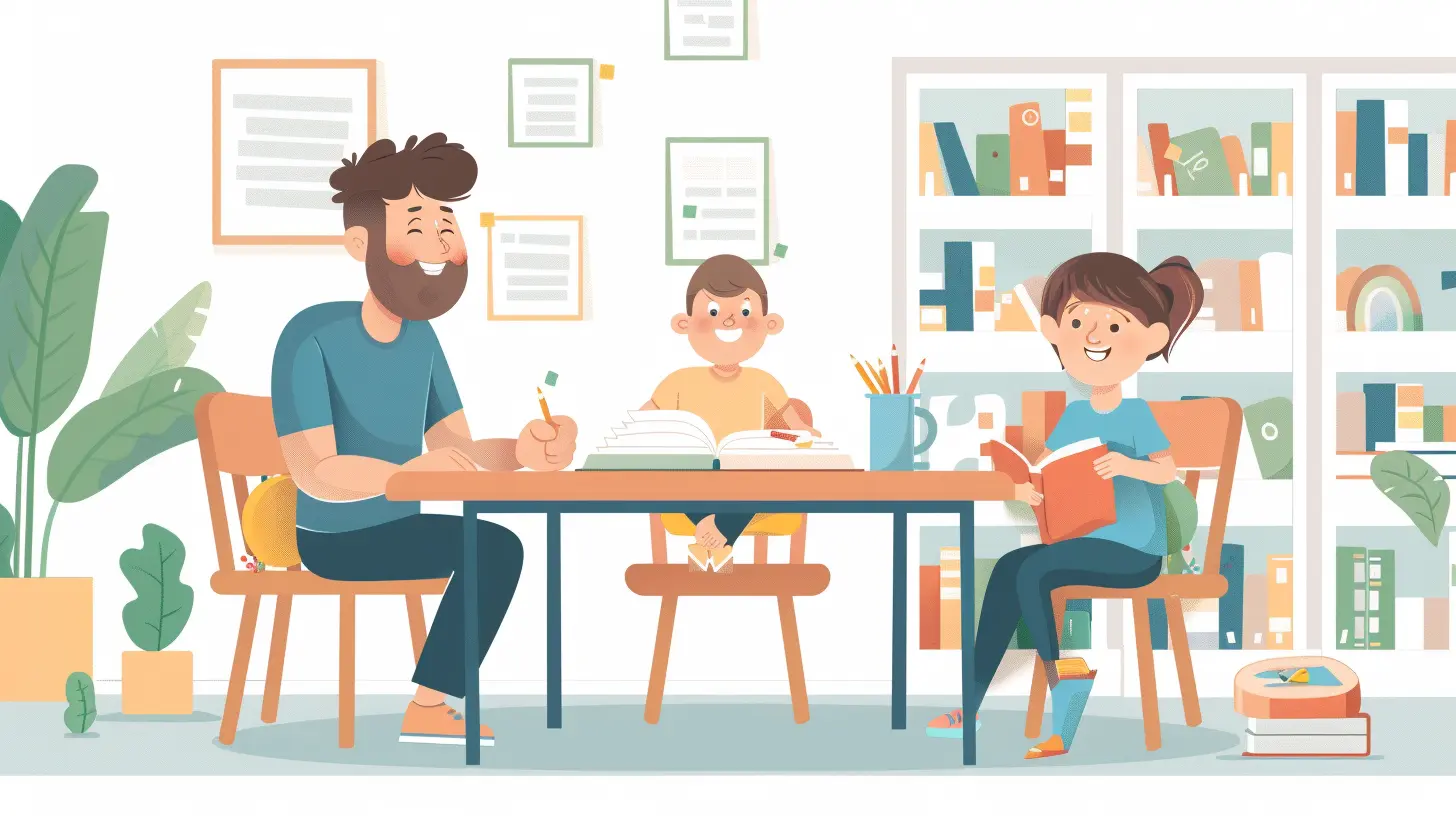
Why a Learning Environment at Home Matters
You might be thinking, "Isn’t school enough?" Well, not really. Kids (and adults!) learn all the time, not just during school hours. Having a dedicated learning space at home helps reinforce concepts, builds curiosity, and encourages lifelong learning. Plus, it creates a structured yet comfortable atmosphere where learning feels natural, not forced.Think of it like a gym for the brain—just as a home gym encourages regular workouts, a learning space encourages continuous mental growth! 
Setting Up the Perfect Learning Space
Now, you don’t need to transform your house into a full-blown classroom, but having a dedicated learning space can make a huge difference. Here’s how to create one:1. Choose the Right Spot
Not every home has a spare room to turn into a study, and that’s okay! The key is to find a spot that is:- Quiet and free from distractions
- Well-lit (natural light is best)
- Comfortable but not too cozy (we don’t want nap time to take over study time!)
- Equipped with a table and chair for proper posture
Even a small corner or a nook in the living room can work wonders if set up correctly.
2. Keep It Organized and Clutter-Free
Ever tried concentrating in a messy room? It’s nearly impossible! A tidy space fosters focus and productivity. Use shelves, bins, or even a rolling cart to keep books, stationery, and learning materials in order.Bonus tip: Label everything! It makes finding and putting away materials much easier.
3. Make It Inviting and Inspiring
A dull, lifeless space won’t spark curiosity. Add educational posters, a whiteboard, or even a world map to make the space visually engaging. Let your child personalize their space with artwork, motivational quotes, or fun decorations.Fun idea: Create a “Wall of Achievements” where they can display their best work. 
Creating a Learning Schedule
While it’s great to have a learning space, structure is just as important. Having a loose but consistent schedule helps:- Maintain focus and discipline
- Balance study and play time
- Prevent learning burnout
1. Set Learning Goals
Start with simple, realistic goals. Whether it’s reading for 20 minutes a day, completing a math worksheet, or writing a short story, having clear objectives makes learning more productive.2. Use a Timer (Hello, Pomodoro Technique!)
The Pomodoro Technique (25 minutes of focus, 5-minute break) works wonders for keeping attention sharp. Use a timer to break study sessions into manageable chunks.3. Incorporate Play and Hands-On Learning
Sitting at a desk for hours? No thanks! Learning should include fun, interactive activities like:- Science experiments in the kitchen
- Math through board games
- Storytelling with puppets
- History lessons through documentaries or role-playing
Mixing things up keeps learning fresh and exciting. 
Encouraging Independent Learning
A well-structured environment is great, but fostering independence is even better. Here’s how to encourage kids to take charge of their own learning:1. Provide the Right Resources
Ensure they have access to books, educational apps, and reference materials so they can explore topics they're curious about.2. Teach Problem-Solving Skills
Instead of giving them all the answers, ask guiding questions:- "What do you think will happen if…?"
- "How can you find out more about this?"
- "What’s another way to look at this problem?"
This builds critical thinking skills and boosts confidence.
3. Let Them Make Choices
Give kids some control over their learning. Let them pick books, select a science experiment, or choose an educational video to watch. It makes learning feel less like a task and more like an adventure.Making Learning a Part of Everyday Life
Learning isn’t just about textbooks and lessons—it’s all around us! Here’s how to integrate learning into daily activities:1. Turn Chores into Learning Opportunities
Cooking? Talk about measurements and fractions. Grocery shopping? Teach budgeting and mental math. Even folding laundry can be a lesson in sorting and categorization.2. Encourage Reading Everywhere
Make books easily accessible. Keep them in different spots around the house—next to the bed, on the coffee table, even in the bathroom! The more kids see books, the more likely they are to pick one up.3. Embrace Technology and Educational Tools
Tablets and computers aren’t just for games! Use apps like Duolingo for languages, Khan Academy for subjects like math and science, or online storytime sessions for younger kids.4. Nature Walks and Outdoor Exploration
A simple walk in the park can turn into a nature lesson. Observe plants, insects, and birds. Ask questions like, "Why do leaves change colors?" or "How do ants communicate?" Learning in nature is both refreshing and educational.The Role of Parents in Home Learning
Parents play a huge role in creating a positive learning environment at home. Here’s how you can support your child’s learning journey:1. Be a Learning Role Model
Kids mimic what they see. If they see you reading, asking questions, and being curious, they’ll do the same.2. Praise Effort, Not Just Results
Instead of saying, "You're so smart," say, "I love how hard you worked on this!" This encourages a growth mindset where effort matters more than innate ability.3. Stay Involved Without Hovering
Support them when needed, but also allow them to struggle and figure things out independently. It builds resilience and problem-solving skills.4. Celebrate Learning Successes
Did they finish a tough book? Master a tricky math concept? Nail a science experiment? Celebrate! A small reward, like a special outing or extra playtime, can keep motivation high.Final Thoughts
Creating a learning environment at home doesn’t mean making your house look like a classroom. It’s about fostering curiosity, making learning fun, and encouraging independence. Whether it’s a cozy reading nook, a hands-on science experiment in the kitchen, or a history lesson through storytelling, there are endless ways to make learning a natural part of everyday life.So, set up that learning space, embrace curiosity, and watch the magic of learning unfold at home!
all images in this post were generated using AI tools
Category:
Parent InvolvementAuthor:

Zoe McKay
Discussion
rate this article
2 comments
Makayla Reynolds
Creating a learning environment at home is like setting up a science experiment—mix a dash of motivation, sprinkle in some snacks, and voilà! You’ve got a recipe for success!
April 11, 2026 at 4:08 AM
Zoe McKay
I love that analogy! A little motivation and some tasty treats can truly enhance the learning experience. It's all about finding that perfect balance.
June Riley
This article provides valuable insights into fostering a positive learning atmosphere at home, emphasizing the importance of structure, encouragement, and resource accessibility.
March 17, 2026 at 1:40 PM
Zoe McKay
Thank you! I'm glad you found the insights helpful for creating a positive learning environment at home.