How to Write with Clarity and Precision
9 February 2026
Have you ever read something that left you more confused than when you started? Or maybe you’ve tried to explain a brilliant idea, only to be met with blank stares? Yep, we’ve all been there. Writing clearly and precisely is one of those skills that sounds easy, but mastering it is a whole different story.
The good news? You can absolutely get better — a lot better. Whether you're writing an essay, an email, or a research paper, clarity and precision are your best friends. They’re like salt and pepper for your writing — simple, powerful, and essential.
In this guide, we’ll dive into what clear and precise writing actually looks like, why it matters, and most importantly, how YOU can level up your writing game. So, grab your metaphorical red pen, and let’s get into it!
What Does It Mean to Write with Clarity and Precision?
Let’s break it down real quick.- Clarity means your writing is easy to read and understand. It’s like wiping fog off a window — now your reader can actually see what you’re trying to say.
- Precision means being specific and accurate. You’re not just shooting in the general direction of your idea. You’re calling your shot and landing it dead center.
Think of it like giving directions to someone. Saying, “Go somewhere over there, kind of near the big building,” is vague and frustrating. But saying, “Turn left at the library, then right at the coffee shop with the blue sign,”? Boom. Clear and precise. That’s exactly how your writing should feel.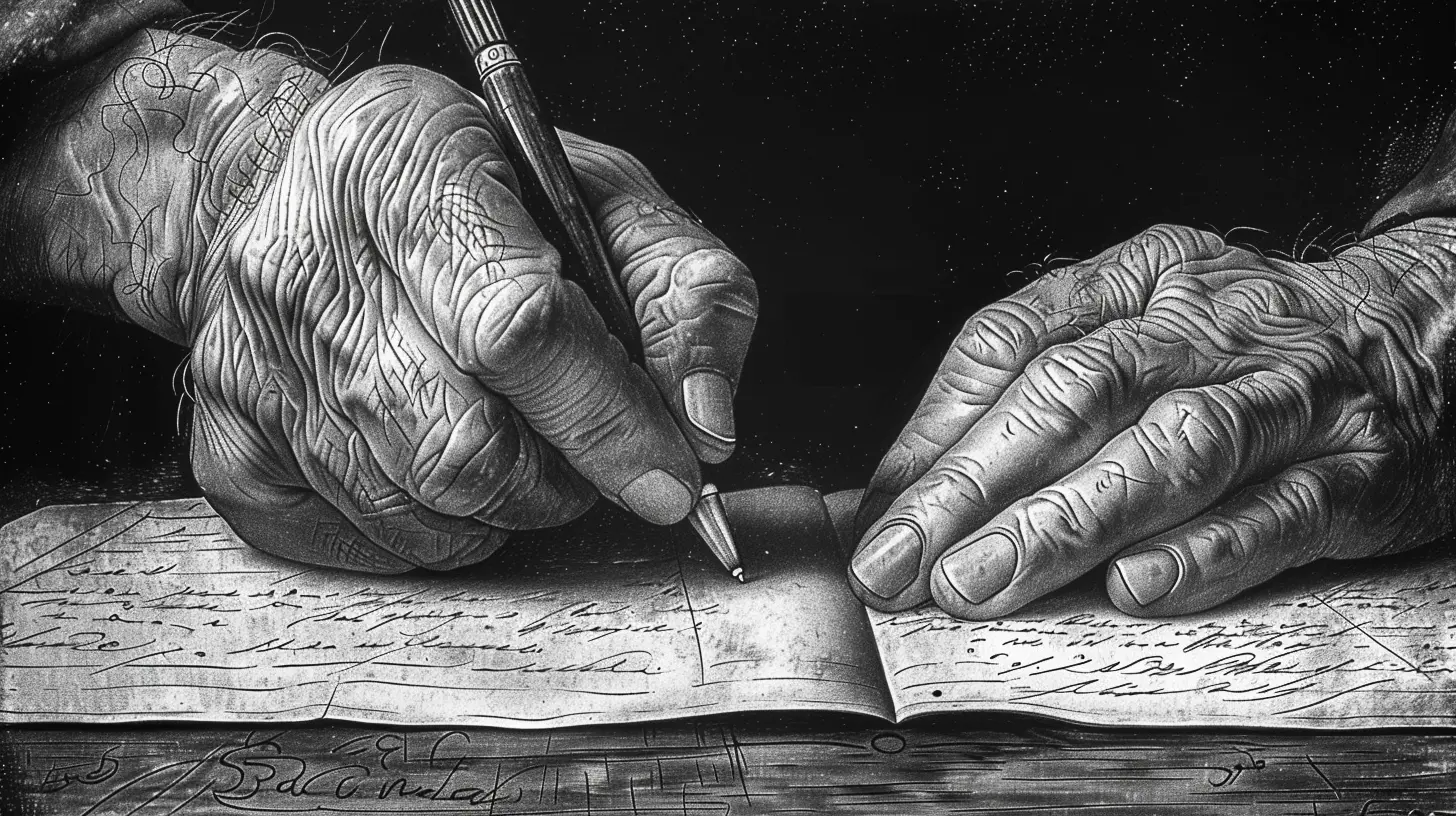
Why Clarity and Precision Matter Big Time
Writing without clarity is like trying to talk underwater. People might kinda get the message, but most of it is lost in the bubbles.Here’s why sharpening this skill is a game-changer:
- ✅ Your ideas get taken seriously.
- ✅ Readers stay hooked.
- ✅ You avoid misunderstandings.
- ✅ You sound confident and credible.
Especially in educational or professional writing, clarity and precision are your VIP passes. They show that you know what you’re talking about—and that you respect your reader’s time.
Step-by-Step: How to Write with Clarity and Precision
Alright, let’s get practical. Here are some golden nuggets to help you write crystal-clear and razor-sharp content.1. Know Exactly What You Want to Say
Before you even type a single word, ask yourself: What’s my point?Trying to write without knowing your core message is like building furniture without instructions — confusing and painful.
Tip: Jot down the main idea of what you want to say. Keep returning to it as your North Star.
2. Use Simple, Everyday Language
Big words don’t make you sound smarter. They just make your writing heavier and harder to digest.Imagine trying to read a menu filled with scientific terms. Wouldn’t you rather just be told it’s spaghetti?
Instead of this:
“Utilize this method to facilitate enhanced understanding.”
Say this:
“Use this method to help you understand better.”
Simple wins. Every. Single. Time.
3. Cut the Fluff
Fluff is the cotton candy of writing—sweet but mostly air.Unnecessary words, long-winded phrasing, and over-the-top descriptions? Snip them out. Be ruthless.
Before:
“In the event that you feel tired, you might want to consider taking a short nap.”
After:
“If you're tired, take a nap.”
Shorter. Clearer. Better.
4. Be Specific, Not Vague
Avoid vague terms like “stuff,” “things,” or “a lot.” They’re lazy placeholders. Get laser-focused.Instead of:
“She did a lot of work.”
Try:
“She spent five hours organizing the research data and creating three detailed charts.”
Now THAT paints a picture.
5. Stick to One Idea per Sentence
Overloading a sentence with too much information is like cramming five people into a phone booth — chaotic and unnecessary.Bad:
“She was writing her essay, which was due tomorrow, while also texting her friend and thinking about lunch, all while her cat jumped on the keyboard.”
Better:
“She was writing her essay, which was due tomorrow. At the same time, she was texting her friend and thinking about lunch. Her cat jumped on the keyboard, too.”
Break it up. Breathe.
6. Use the Active Voice
Active voice makes your writing stronger and more direct. Passive voice can be vague and wordy.Passive:
“The paper was written by me.”
Active:
“I wrote the paper.”
See the difference?
7. Choose the Right Words (And Use Them Precisely)
Words carry weight. Don’t just pick any old synonym. Choose words that fit the meaning and the tone you’re going for.Let’s not say “angry” if you mean “annoyed.” Or “happy” when you really mean “overjoyed.”
Be picky. Words matter.
8. Read It Aloud
Seriously, this one’s a game-changer.When you read your writing out loud, it’s easier to catch awkward sentences, run-ons, and points that don’t quite make sense. If you trip over a sentence, guess what? So will your reader.
Bonus tip: Record yourself reading it. Cringe-worthy? Maybe. Helpful? Absolutely.
9. Edit Like a Pro (But Don’t Overthink It)
First drafts are supposed to be messy. That’s their job.But editing? That’s where you polish your words into something shiny and smart.
Here’s what to look for:
- Unclear or vague points
- Repeated words or phrases
- Long sentences that can be broken down
- Grammar and punctuation slip-ups
Tools like Grammarly or Hemingway Editor can give you a solid head start — just don’t let them take over your voice.
Bonus Tips: Supercharge Your Writing Style
Want to take things up a notch? Here are some extra goodies:Use Analogies and Metaphors
They make abstract ideas easier to understand — like turning clouds into cotton candy.Example: Writing without clarity is like yelling into a wind tunnel — no one’s catching what you’re saying.
Ask Questions
Engaging your reader is key — and questions pull them in.Like, are you still with me? Of course, you are. 😉
Vary Sentence Length
Too many long sentences? Snooze-fest. All short ones? Choppy. Mix it up for rhythm and flow.Common Mistakes to Avoid
Let’s dodge these pitfalls together:🚫 Using overly complex words to impress
🚫 Writing giant paragraphs with no breaks
🚫 Assuming your reader knows what you're talking about
🚫 Letting filler words creep into every sentence (like "basically," "actually," "really")
A little awareness goes a long way.
Practice Makes Perfect (No, Really)
No one wakes up magically writing with clarity and precision — it’s a skill you build.Try these:
- Rewrite a confusing paragraph from a textbook in your own words
- Take a short article and summarize it in five sentences
- Ask a friend to read something you wrote and tell you if it made sense
You’ll be amazed at how quickly you improve with a bit of intentional practice.
Final Thoughts
Writing with clarity and precision isn’t just a “nice skill to have.” It’s the secret sauce to being understood, respected, and remembered — whether you’re writing a school assignment or crafting a killer job application.The great news? You’ve already got what it takes. With a little practice, some editing elbow grease, and the tips in this guide, you’ll be writing like a pro in no time.
So next time you sit down to write, ask yourself — is this clear? Is it precise? And if not... tweak it until it is.
You’ve SO got this.
all images in this post were generated using AI tools
Category:
Writing SkillsAuthor:

Zoe McKay
Discussion
rate this article
2 comments
Tank Banks
Great insights! Clarity and precision are essential for impactful writing. Remember, every word counts—focus on your message and your audience. Practice makes perfect, so keep refining your skills. Your voice deserves to be heard clearly and powerfully! Keep writing!
March 19, 2026 at 5:50 AM
Zoe McKay
Thank you for your encouraging words! I wholeheartedly agree—clarity and precision are vital in writing. I appreciate your support!
Anastasia McVeigh
Love this! Clear writing makes ideas shine—just like a good cup of coffee!
February 9, 2026 at 5:37 AM
Zoe McKay
Thank you! I’m glad you enjoyed it—clarity really does make all the difference!