How to Design a Participation-Friendly Lesson in 2026
10 May 2026
Let me ask you something: have you ever stood in front of a room full of students, delivered what you thought was a brilliant lesson, and then watched them stare back at you like you just spoke in ancient Greek? It happens to the best of us. The problem isn't you. It's the design. In 2026, the game has changed. Students are drowning in notifications, short attention spans, and a world that moves faster than ever. If you want them to actually participate, you can't just ask them to raise their hands. You have to architect a space where participation feels like the only logical choice.
I have been in the trenches. I have watched lesson plans fail spectacularly. And I have seen what happens when you get the design right. It is not magic. It is strategy. So, grab a coffee, and let us walk through how to build a lesson that pulls students in like a good Netflix series. No fluff. Just real, actionable steps for 2026.
Why 2026 Demands a New Approach to Participation
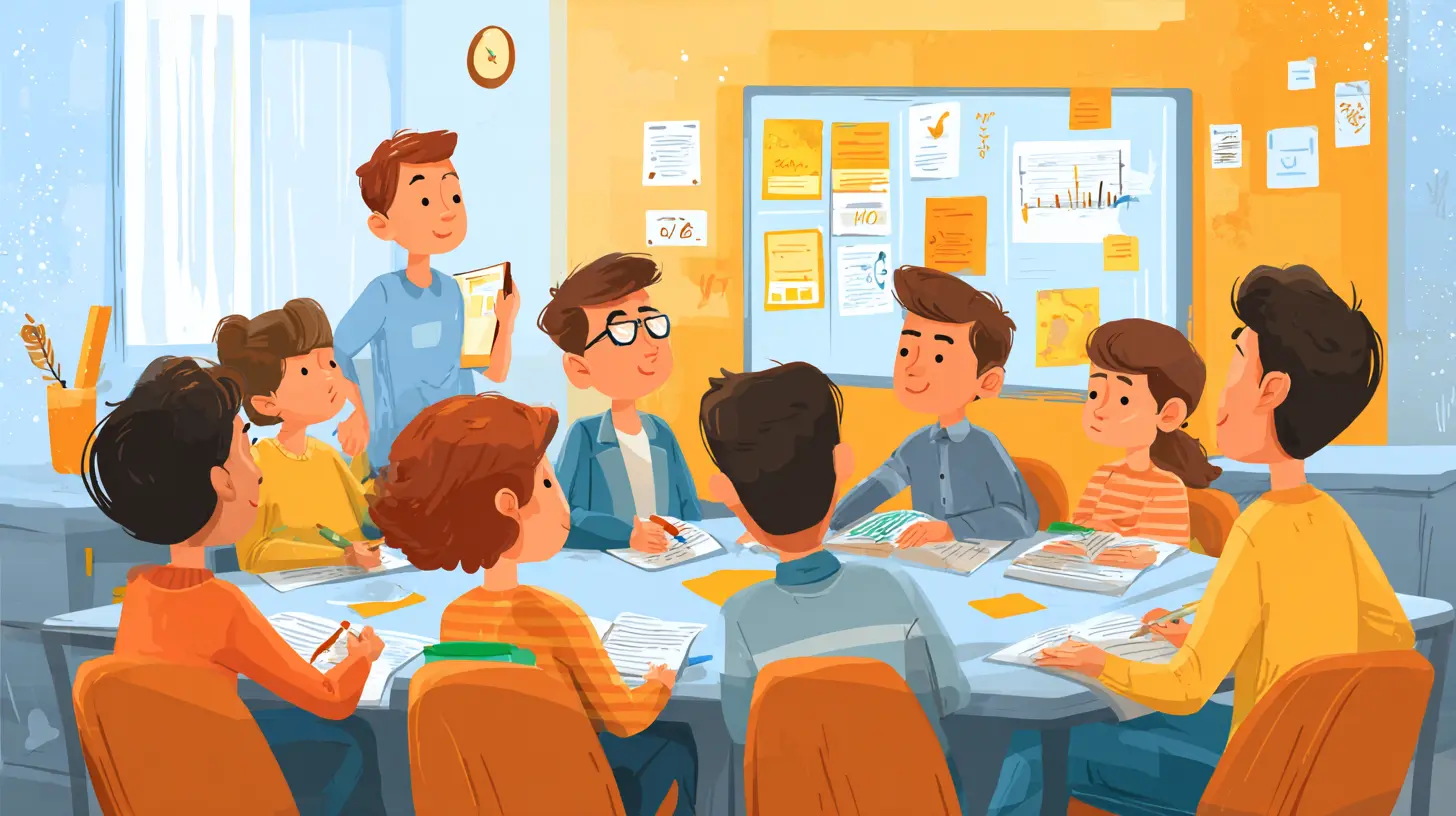
Think about the classroom of ten years ago. Participation meant calling on a kid who was daydreaming, or maybe running a quick group discussion. That is not enough anymore. In 2026, your students have the entire internet in their pockets. They can access a lecture from a Nobel laureate in ten seconds. So, why should they care about your lesson? The answer is connection. They want to be part of something, not just sit in a room and absorb information.Participation in 2026 is not about compliance. It is about ownership. You are not just teaching content; you are designing an experience. If your lesson feels like a lecture from 1995, they will check out. But if you build a structure that invites them to co-create, to struggle through problems together, and to see their own voice matter, they will lean in. The trick is to stop thinking of yourself as the sage on the stage and start thinking of yourself as a DJ. You curate the tracks, but the crowd decides the energy.
The Foundation: Psychological Safety First
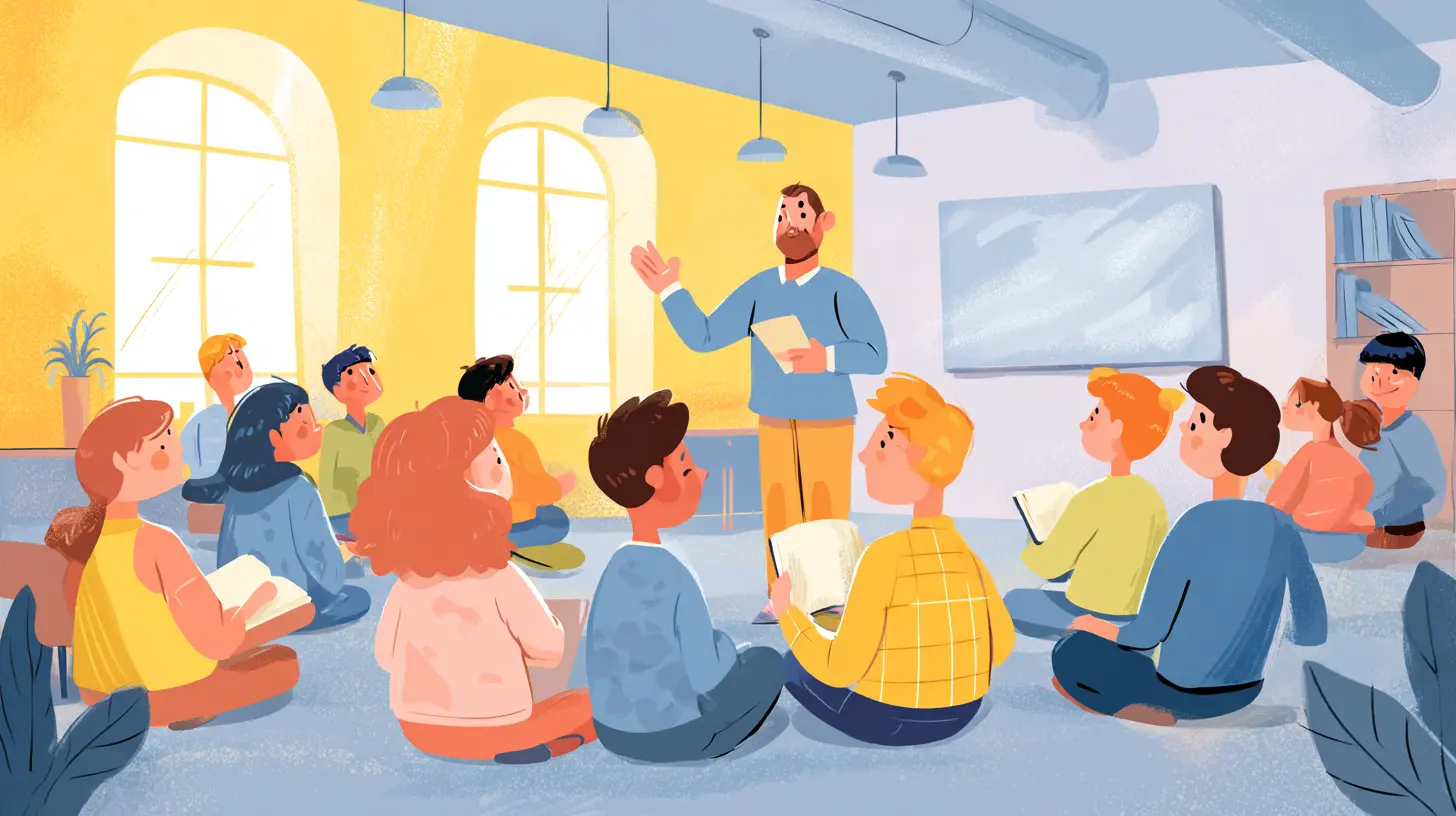
You cannot design a participation-friendly lesson if your students are afraid to be wrong. It is that simple. Fear is the number one killer of engagement. In 2026, with social media amplifying every mistake, students are more risk-averse than ever. They would rather sit silently than risk looking foolish in front of their peers.So, step one is to build a culture of psychological safety. This means setting ground rules that are not just posters on the wall. It means modeling vulnerability yourself. Start your lesson by saying, "I tried a new approach last week and it flopped. Here is what I learned." When you own your failures, you give them permission to own theirs.
In practice, use low-stakes participation methods first. Think quick polls, thumbs up or down, or a shared Google Doc where everyone types an answer anonymously. When they see that no one gets mocked for a wrong answer, they will start raising their hands. It is like warming up a cold engine. You do not floor the gas pedal. You let it idle first.
The 2026 Toolkit: Tools That Actually Work
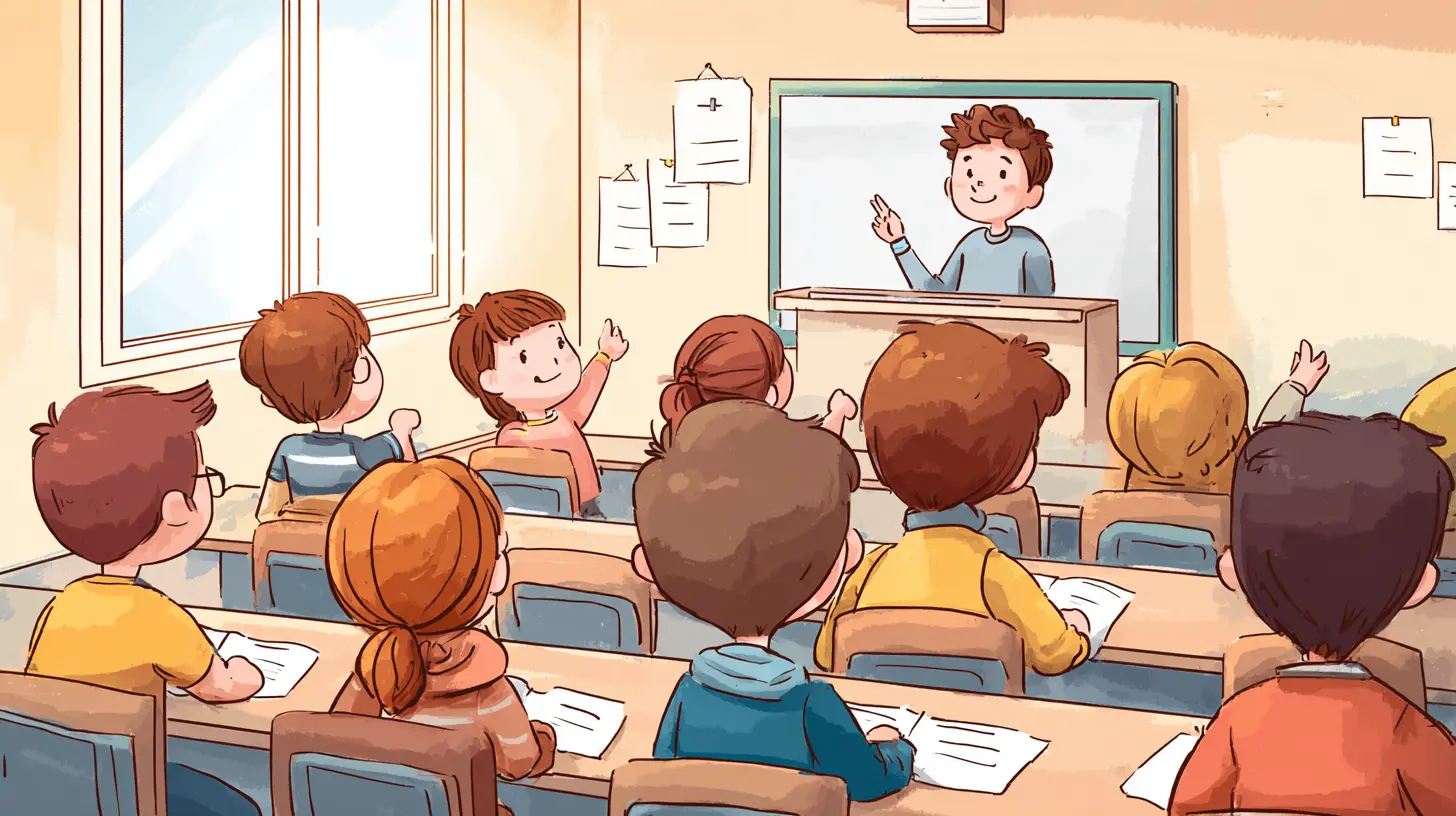
Let us talk about the tech side, but without the hype. You do not need a million apps. You need two or three tools that do one thing well. In 2026, the best tools are invisible. They vanish into the flow of the lesson.First, use a real-time feedback platform. Something like Mentimeter or Slido. But do not just use it for trivia. Use it for "temperature checks." Ask, "On a scale of 1 to 5, how confused are you right now?" When the results pop up, address the confusion immediately. That is participation. You are not just lecturing; you are responding to the room.
Second, leverage collaborative documents. Google Docs or a simple shared whiteboard. Give every student a space to write. Then, project the document live. Watch as they start to build on each other's ideas. It is like a digital campfire. Everyone adds a log, and the fire grows.
Third, use short video clips from your students' phones. Have them record a 30-second explanation of a concept and share it with the class. In 2026, they are already making content for TikTok. Channel that energy into your lesson. It makes them feel like creators, not consumers.
The Art of the "Hook" in 2026
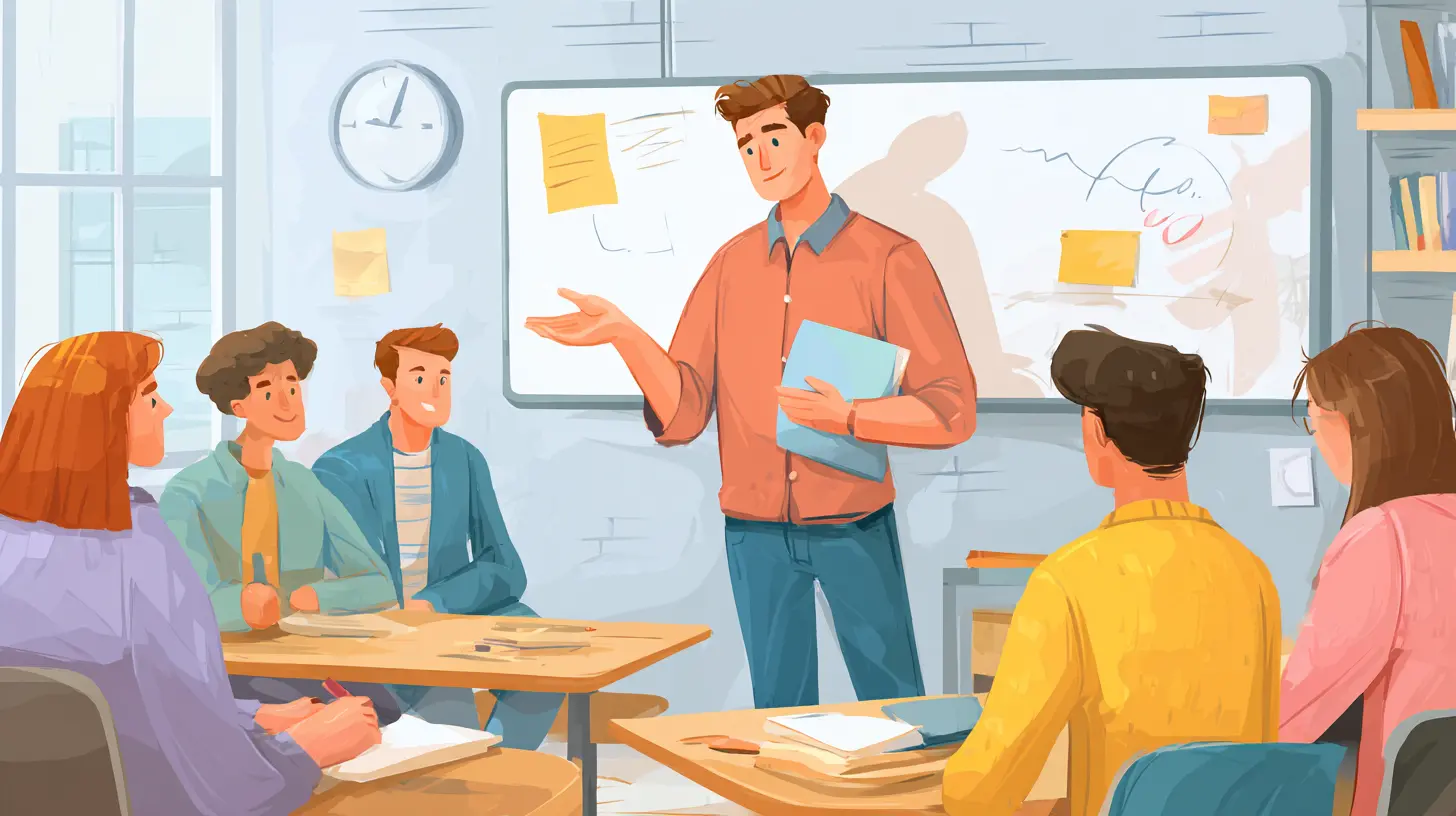
Every great lesson needs a hook. But in 2026, the hook cannot be a boring anecdote. It has to be a problem that demands a solution. Think of it like a mystery box. You open it, and something unexpected jumps out.For example, if you are teaching a history lesson, do not start with a date. Start with a dilemma. "You are a leader in 1945. You have to decide whether to drop a bomb. What do you do? Write your answer in 60 seconds." Now you have them. They are thinking, arguing, and engaging before you even say the word "history."
The hook works because it bypasses the passive part of their brain. It goes straight to the problem-solving center. They cannot sit back and listen. They have to act. In 2026, this is critical. Their brains are wired for quick decisions and instant feedback. Give them that, and they will follow you anywhere.
Structuring the Lesson: The 10-20-10 Rule
Here is a simple structure that works like a charm. I call it the 10-20-10 rule. You break your lesson into three parts.First, ten minutes of input. This is where you introduce the core idea. Keep it tight. No tangents. Use slides, but make them visual. One image, one sentence. That is it. Your goal is to spark curiosity, not to dump information.
Second, twenty minutes of active participation. This is the heart of the lesson. Do not lecture. Instead, run a structured activity. Maybe a debate, a case study, or a problem-solving challenge. In 2026, consider using a "choose your own adventure" format. Give them two paths to explore, and let them vote on which one to take. Then, adapt the lesson on the fly. It is messy, but it is alive.
Third, ten minutes of reflection. This is where you lock in the learning. Ask them to write a one-paragraph summary. Or, have them explain the concept to a partner in 30 seconds. The key is that they are doing the work, not you. When they articulate the idea in their own words, it sticks.
The Power of "Structured Chaos"
I love this phrase. Structured chaos means you give students freedom within boundaries. Think of it like a jazz band. The musicians know the key and the tempo, but they improvise within that structure. Your lesson should feel the same way.In practice, give students a problem with multiple solutions. Do not give them the answer. Let them argue, fail, and try again. For example, in a science class, give them a broken circuit and ask them to fix it. No instructions. Just tools and time. They will struggle. They will get frustrated. But when they figure it out, they will remember it forever.
In 2026, this approach is gold because it mirrors real life. The world does not come with a manual. Your job is to teach them how to navigate ambiguity. Participation becomes a survival skill, not a classroom chore.
How to Handle the Quiet Ones
Every class has a student who never speaks. Do not force them. That backfires. Instead, design for multiple modes of participation. Some students shine in writing. Some shine in small groups. Some shine when they can draw or build.Use a "participation menu." Offer options: write a reflection, record a voice note, create a meme, or lead a small group discussion. Let them choose. In 2026, this is essential because neurodiversity is better understood. A student with social anxiety can still participate deeply if the format fits them.
Also, use asynchronous participation. Set up a class forum or a shared board where students can contribute after the lesson. Some of the best ideas come from students who need time to process. Give them that time. Participation is not just what happens in the 45 minutes you are in the room. It is a continuous conversation.
The Role of Humor and Play
Do not be afraid to be silly. In 2026, students are stressed. They are dealing with information overload, climate anxiety, and social pressure. Your lesson can be a relief valve.Use analogies that make them laugh. Compare a complex concept to something ridiculous. "Mitosis is like a parent dividing a pizza, but the kids want to keep the pepperoni." They will roll their eyes, but they will remember it.
Incorporate games. A quick Kahoot quiz at the start of class can set the tone. Or, use a "worst answer" contest. Ask a question, and the student who gives the most creative wrong answer wins a prize. This lowers the stakes. Suddenly, being wrong is fun. And when being wrong is fun, participation skyrockets.
Measuring Participation Without Killing It
You need to track engagement, but do not turn it into a spreadsheet nightmare. In 2026, use simple metrics. How many students contributed to the collaborative doc? How many asked a question? How many stayed after class to talk?But more importantly, ask them. Do a quick anonymous survey at the end of the lesson. "What part of today's lesson made you want to participate? What part made you zone out?" Let them teach you how to design better. They are your best resource.
Avoid the trap of grading participation. That creates fake engagement. Students will say anything to get points. Instead, reward quality. If a student offers a thoughtful insight, acknowledge it publicly. If a student asks a deep question, pause the lesson and explore it. That signals that participation is valued, not just measured.
The Meta-Skill: Teaching Them How to Participate
Here is a hidden truth: many students do not know how to participate effectively. They think it means talking a lot. You have to teach them the skills. In 2026, this is a game-changer.Spend five minutes at the start of the year teaching active listening. Show them how to paraphrase what someone else said before adding their own idea. Teach them how to disagree respectfully. "I see it differently because..." Not "You are wrong."
Run a mini-workshop on asking good questions. The best participation is not the loudest voice; it is the one that pushes the conversation forward. When you equip students with these skills, the quality of participation jumps. It is not just noise. It is genuine dialogue.
A Real-World Example: Putting It All Together
Let me paint you a picture. It is a Tuesday morning in 2026. You are teaching a lesson on climate change. You start with a hook: a 30-second video of a glacier collapsing. You ask, "What would you do if you were the mayor of a coastal town?" Students type their answers into a shared doc. You project it. The room buzzes.Then, you divide them into groups. Each group gets a different scenario: drought, flooding, or heatwave. They have 15 minutes to design a solution using limited resources. They draw, argue, and revise. You walk around, asking questions but not giving answers.
Finally, each group presents a 60-second pitch. The class votes on the best idea. You close with a reflection: "What is one thing you learned about yourself in this activity?" They write it down. The bell rings, and they keep talking as they leave.
That is a participation-friendly lesson. It is not perfect. It is messy. But it is alive. And in 2026, that is what matters.
The Bottom Line
Designing a participation-friendly lesson in 2026 is not about fancy technology or complicated frameworks. It is about shifting your mindset from "I am the expert" to "I am the host." You are throwing a party for ideas. Your job is to make sure everyone feels welcome, everyone has a role, and everyone leaves wanting to come back.Start small. Pick one strategy from this article and try it tomorrow. Maybe it is the 10-20-10 structure. Maybe it is the anonymous poll. See what happens. You will be surprised. And if it flops, that is okay. Tell your students about it. Ask them what they need. They will tell you.
The future of education is not about more content. It is about more connection. And connection starts with participation. So, go design something that matters. Your students are waiting.
all images in this post were generated using AI tools
Category:
Class ParticipationAuthor:

Zoe McKay
Discussion
rate this article
2 comments
Dylan McCollum
This article is a great resource for educators looking to enhance student engagement. The strategies outlined are practical and forward-thinking, making them ideal for creating inclusive learning environments.
August 13, 2026 at 9:13 AM
Zoe McKay
Thanks for the feedback! I'm glad you found the strategies useful for fostering engagement and inclusivity.
Flint McIlwain
Creating a participation-friendly lesson is key to engaging students in 2026 and beyond. By embracing innovative strategies and encouraging collaboration, you empower learners to thrive. Let's spark curiosity and build a vibrant classroom environment where everyone feels valued and inspired.
May 14, 2026 at 11:46 AM
Zoe McKay
Absolutely! Fostering collaboration and curiosity is essential. Let's keep pushing for engaging, inclusive lessons that inspire all students.