How Peer Tutoring Encourages Self-Reflection and Growth
10 July 2026
Ever had to teach someone else how to do something? Maybe it was helping a friend solve a tricky math problem or showing a classmate how to write a better essay. Whatever it was, chances are you walked away not only helping them—but realizing how much you'd learned yourself. That’s the secret sauce of peer tutoring. It’s not just about lifting others up; it's also a powerful mirror that reflects your own thoughts, habits, and learning.
In this article, we’ll unpack how peer tutoring encourages self-reflection and personal growth, especially in educational settings. Whether you’re a student, teacher, or a curious reader, this one’s for you.
What Is Peer Tutoring, Really?
Let’s break it down. Peer tutoring is when students help each other learn. No, it's not just group study or sharing answers. It's structured. One student (the tutor) guides another (the tutee) through concepts, problems, or skills they already understand well. Simple? Yes. Effective? Incredibly.Imagine a mini classroom inside the actual classroom, where students become both learners and teachers. Sounds empowering, right?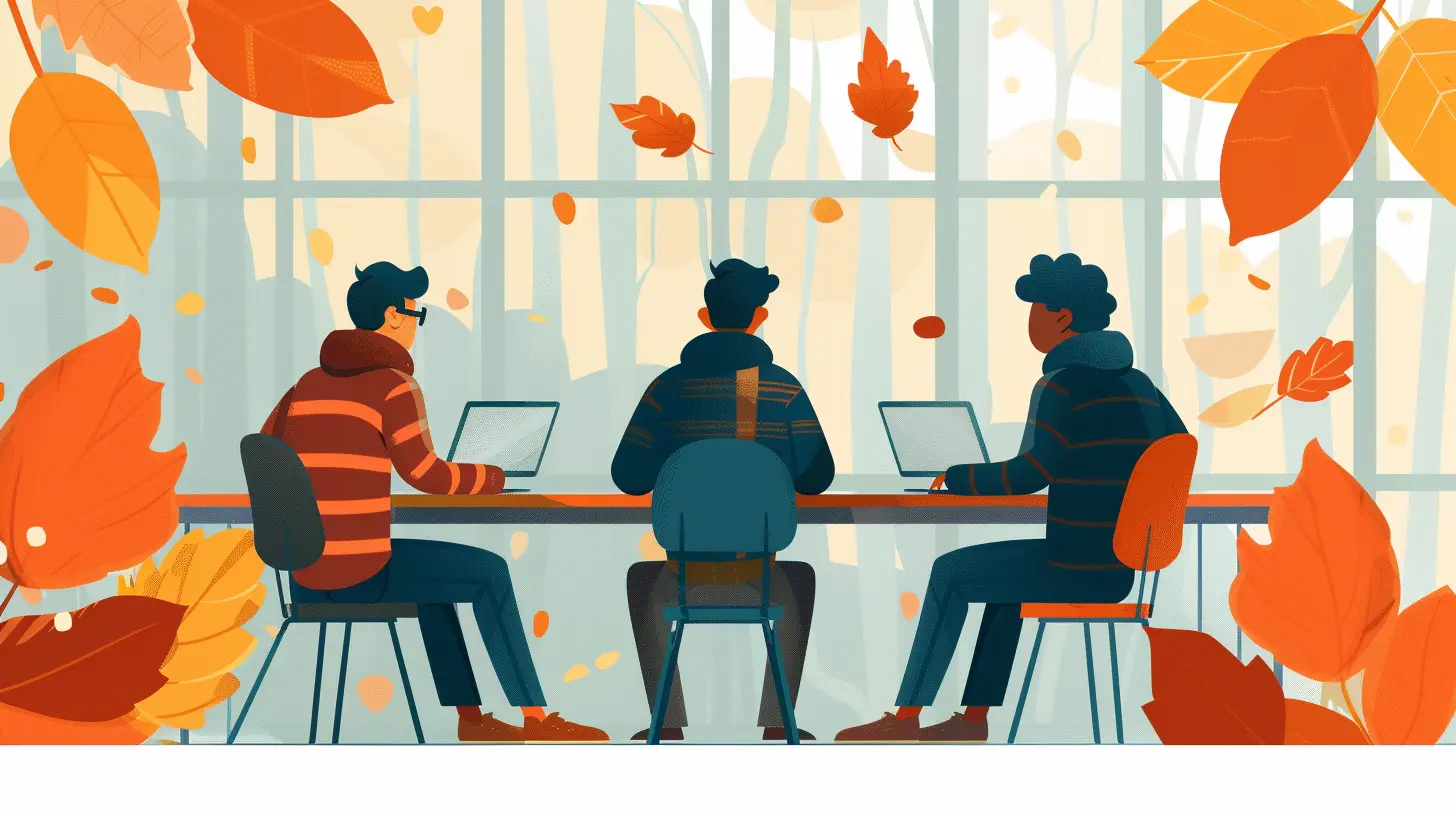
Holding the Mirror: How Peer Tutoring Sparks Self-Reflection
So, how does helping someone else make you reflect on yourself? Well, think of peer tutoring as holding up a mirror—you don't just see the other person’s struggles, you see your own.1. You Notice What You Know
Ever tried explaining a topic only to realize you don’t get it as well as you thought?Tutors often come face-to-face with gaps in their own understanding. When you try to explain something in plain language and struggle, it’s a wake-up call. You begin to ask, “Do I really know this?” That moment of doubt becomes a trigger for deeper learning.
Suddenly, self-reflection becomes natural. You evaluate your strengths and pinpoint areas you need to brush up on. It’s like doing a self-diagnostic test—without even realizing it.
2. Thinking About Thinking (Hello, Metacognition)
Peer tutoring nudges students into metacognition—thinking about how they think. When you guide someone through a problem, you’re forced to break down your thought process. You begin to analyze:- How did I arrive at that answer?
- Why did I choose this method?
- What do I do when I get stuck?
These questions aren’t just for the tutee—they’re for the tutor as well. It’s like tracing your own mental footsteps. The more you do it, the clearer your learning pathways become.
Growth Beyond the Books
Sure, peer tutoring boosts academic skills. But let’s not forget personal growth—the stuff that shapes character, confidence, and communication.1. Sharpening Communication Skills
Ever tried explaining algebra to someone who hates math? You quickly learn that dumping formulas doesn’t work. You’ve got to get creative—use metaphors, jokes, real-world examples. It’s like learning to speak another language.By tutoring, students improve their ability to communicate clearly, listen actively, and adjust their message based on their audience. All lifelong skills, by the way.
2. Building Empathy and Patience
Tutors often meet tutees at different learning levels. Some get it instantly; others take their time. Patience becomes your best friend. And kindness? Non-negotiable.Over time, tutors become more empathetic. They learn to see learning struggles not as failures, but as opportunities for growth. That’s a massive mindset shift.
3. Growing Confidence and Leadership
Helping others succeed feels good. Like, really good. And that confidence starts rubbing off.Tutors often walk away more sure of themselves—not just academically but personally. They start speaking up in class, taking initiative, and stepping into leadership roles. It’s personal growth blossoming in real time.
Real Talk: What Tutees Gain Too
Let’s not forget the other half of the equation. Tutees—the ones receiving help—experience their own moments of self-reflection and growth.1. Becoming Comfortable with Asking for Help
Admitting you need help? That’s tough. But peer tutoring normalizes it.Tutees learn that everyone struggles at times, and it’s okay to speak up. That shift in mindset can be life-changing—especially for students who are too shy or ashamed to seek help.
2. Taking Ownership of Learning
Peer tutoring often feels more informal and less intimidating than regular instruction. That makes it easier for tutees to engage, ask questions, and take control of their learning.When support comes from a peer, students often feel more connected and motivated. They go from passive listeners to active learners—a major leap forward.
The Circle of Growth: Tutors Become Better Learners
Here’s a wild thought: peer tutors often walk away learning more than the students they help. Why? Because teaching is the ultimate test of mastery.Let’s compare it to building muscle. Practicing problems is like lifting weights. But teaching others? That’s resistance training on steroids. It forces you to push your limits and refine your mental 'technique'.
Each tutoring session becomes a workout—not just for the brain, but for emotional intelligence, patience, confidence, and flexibility.
Self-Reflection Tools That Emerge From Peer Tutoring
As part of peer tutoring programs, educators often introduce reflective tools. These aren’t just fluffy add-ons—they deepen the growth even further.1. Reflective Journals
Students write about what worked, what didn’t, how they felt, and what they’d do differently. It’s like mental floss—clears out confusion and reinforces clarity.2. Feedback Loops
Tutors and tutees give each other feedback. Constructive, kind, and honest. That exchange helps both parties reflect on their communication style, content understanding, and emotional approach.3. Goal-Setting Conversations
Before and after sessions, students often set mini-goals. This helps them track progress and ask: “Am I growing? How far have I come?” Constant goal-setting encourages continuous reflection.Teachers as Guides, Not Gatekeepers
Educators play a massive role in making peer tutoring fruitful. Instead of controlling every detail, great teachers act as guides—watching, nudging, and supporting.They facilitate opportunities for reflection, encourage journaling, organize feedback sessions, and create a safe space for learning and growing. When students feel supported, self-reflection comes naturally.
Why It All Matters (Especially Today)
Let’s face it—we’re living in a fast-paced, information-packed world. Knowing facts isn’t enough. Students need to learn how to learn, think critically, reflect deeply, and communicate clearly. Peer tutoring hits all those notes.More importantly, it humanizes learning. It fosters emotional intelligence, builds community, and prepares students for more than just tests—it preps them for life.
So, Should You Try Peer Tutoring?
Absolutely.Whether you’re a student looking to help others or struggling with a subject yourself, give it a shot. Not only will you gain academic insights, but you'll walk away with a deeper understanding of yourself. And that, my friend, is the ultimate growth.
So next time someone asks you for help in class, don’t just give them the answer. Sit with them, guide them, challenge them—and, in the process, watch how much you grow too.
Final Thoughts
Peer tutoring isn’t just a classroom buzzword. It’s a transformative tool that encourages self-reflection, fuels academic success, and cultivates real human growth. By teaching others, we step into our fullest potential—not just as learners, but as thoughtful, empathetic, and resilient individuals.Remember: every time you teach, you learn twice.
all images in this post were generated using AI tools
Category:
Peer TutoringAuthor:

Zoe McKay
Discussion
rate this article
1 comments
Mercy Reese
This article highlights the profound impact peer tutoring can have on personal development. Encouraging self-reflection not only enhances academic skills but also fosters deeper connections among students. It's a wonderful way to promote growth both in and out of the classroom.
July 27, 2026 at 3:17 AM