How AI Will Shape Class Participation by 2026
16 April 2026
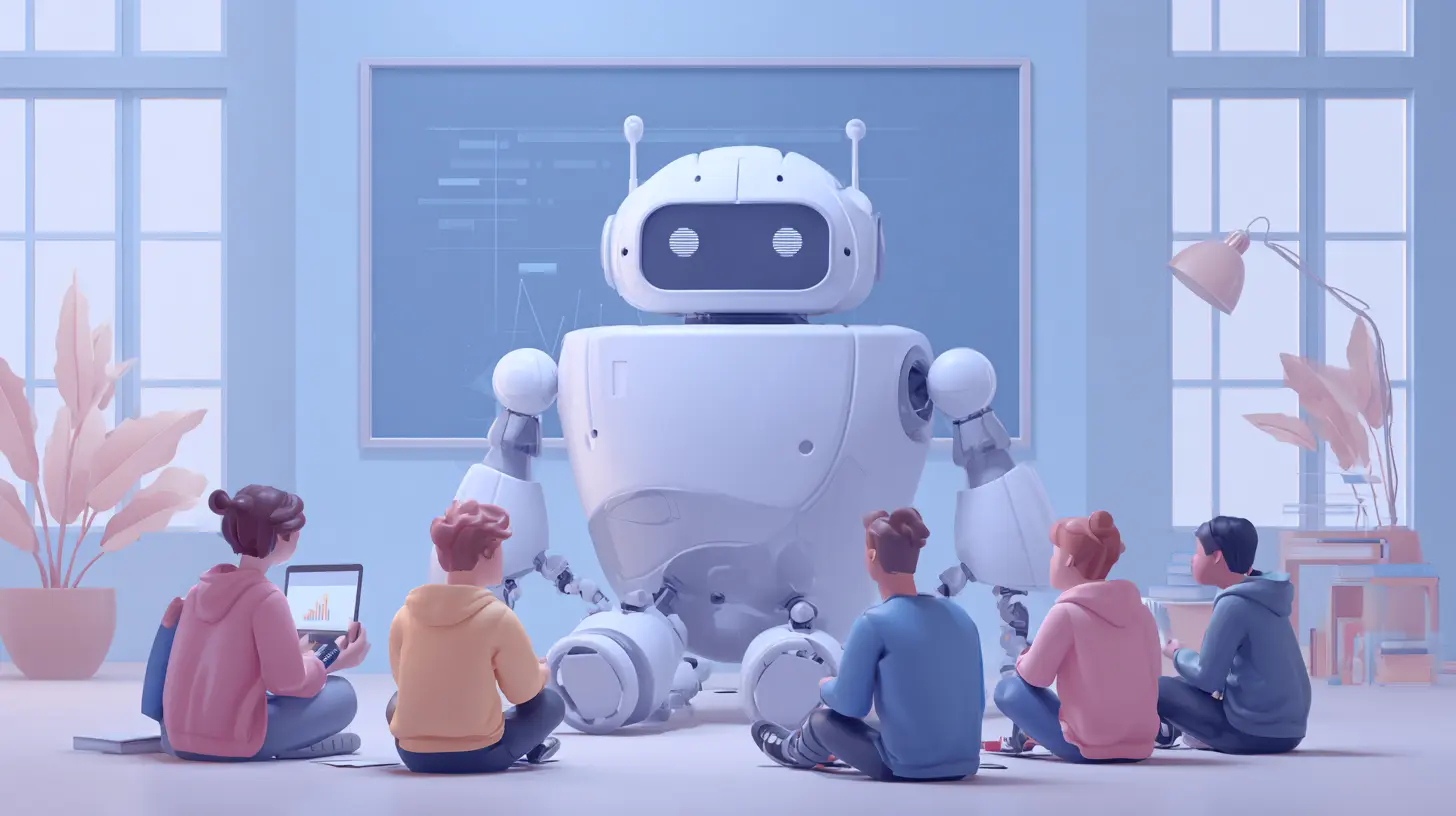
Picture this: It’s 2026. A student named Maya, who has always felt her voice freeze in her throat when called upon, raises her virtual hand in a history class. She doesn’t just offer an opinion; she shares a perspective she’s built with the help of an AI tutor that helped her organize her thoughts. Meanwhile, her teacher, Mr. Alvarez, isn’t just listening to Maya. He’s seeing a real-time dashboard that shows him the evolving sentiment, confusion points, and engagement levels of every single student in the room—both physical and virtual. Class participation no longer means just who speaks the loudest or fastest. It’s become a rich, multi-layered dialogue between humans and intelligent systems, designed to draw out every voice.
This isn’t science fiction. It’s the imminent future of education. By 2026, artificial intelligence will have fundamentally reshaped what we mean by “participating” in class, turning it from a sporadic, often anxiety-inducing event into a continuous, personalized, and deeply insightful process. Let’s pull back the curtain on this transformation.
From Raising Hands to Rippling Networks: Redefining Participation
Traditionally, class participation has been a bit of a blunt instrument, hasn’t it? We’ve all been there. The teacher asks a question, a few eager students shoot their hands up, and a silent majority either hopes to be called on or, more often, hopes to disappear into the background. Participation is measured in decibels and frequency, often missing the quiet thinker, the process-oriented learner, or the student who needs a bit more time to formulate a brilliant idea.By 2026, AI will shatter this monolithic model. Think of participation not as a single stream of verbal comments, but as a rippling network of interactions. AI tools will capture, analyze, and value all forms of intellectual engagement. That thoughtful paragraph a student writes in a shared document, the insightful query they type into a class Q&A bot, the collaborative annotation they make on a digital text, even their engaged facial expression (with appropriate privacy safeguards)—all of this will be woven into a composite picture of participation.
The AI won’t replace the human teacher’s judgment; it will augment it with data. It will answer the question teachers have always asked: “Is everyone with me?” Instead of guessing, the teacher will know.
The AI-Powered Participation Ecosystem: Key Tools in Action
So, what will this actually look like on a Tuesday morning in 2026? Let’s break down the key AI-driven tools that will become as commonplace as whiteboards.1. The Engagement Analytics Dashboard
Imagine a teacher’s second screen, not showing grades, but showing a living pulse of the class. Using natural language processing (NLP) on chat discussions, sentiment analysis on submitted reflections, and even (opt-in) analysis of engagement cues, this dashboard will provide a heatmap of understanding. It will highlight that, for example, during the discussion on quantum theory, a cluster of students’ digital interactions showed signs of confusion. The teacher can then pivot in real-time, addressing the gap before it becomes a chasm. Participation becomes less about performance and more about providing feedback loops to the instructor.2. AI Discussion Moderators & Equity Bots
Every class has its dynamic. Some dominate; some recede. AI moderators embedded in platforms like Zoom or classroom forums can gently intervene. They might prompt: “Three people haven’t shared yet. Would anyone like to add to Jasmine’s point?” or “We’ve heard several arguments for this side. Let’s pause and see if an AI can generate a counter-argument for us to critique.” These systems can ensure airtime is distributed more equitably, not by forcing quiet students to speak, but by creating lower-stakes, alternative avenues for contribution first. It’s like having a teaching assistant dedicated solely to the health of the conversation.3. Personalized Participation Pathways
This is where it gets personal. An AI tutor—think of it as a personalized academic coach—will work with each student outside of class to prepare them for class. For the shy student, it might run through potential discussion questions, building confidence. For the student who jumps in too quickly, it might coach them on active listening and building on others’ ideas. For a non-native speaker, it might help practice phrasing. By 2026, these AI coaches will analyze a student’s past contributions, identify their unique participation style, and offer tailored strategies to help them engage more effectively and comfortably. Participation is no longer one-size-fits-all; it’s a skill to be developed with a personal trainer.4. Asynchronous & Persistent Discussion Environments
The classroom discussion won’t start and end with the bell. AI will power persistent, asynchronous discussion threads that continue the conversation. These platforms will use algorithms to surface the most insightful, contested, or curious student comments, keeping the dialogue alive. A student who needs time to process can contribute meaningfully at 10 PM, and the AI will ensure the teacher and class see it. This reframes participation as a continuous dialogue, not a high-pressure, real-time performance.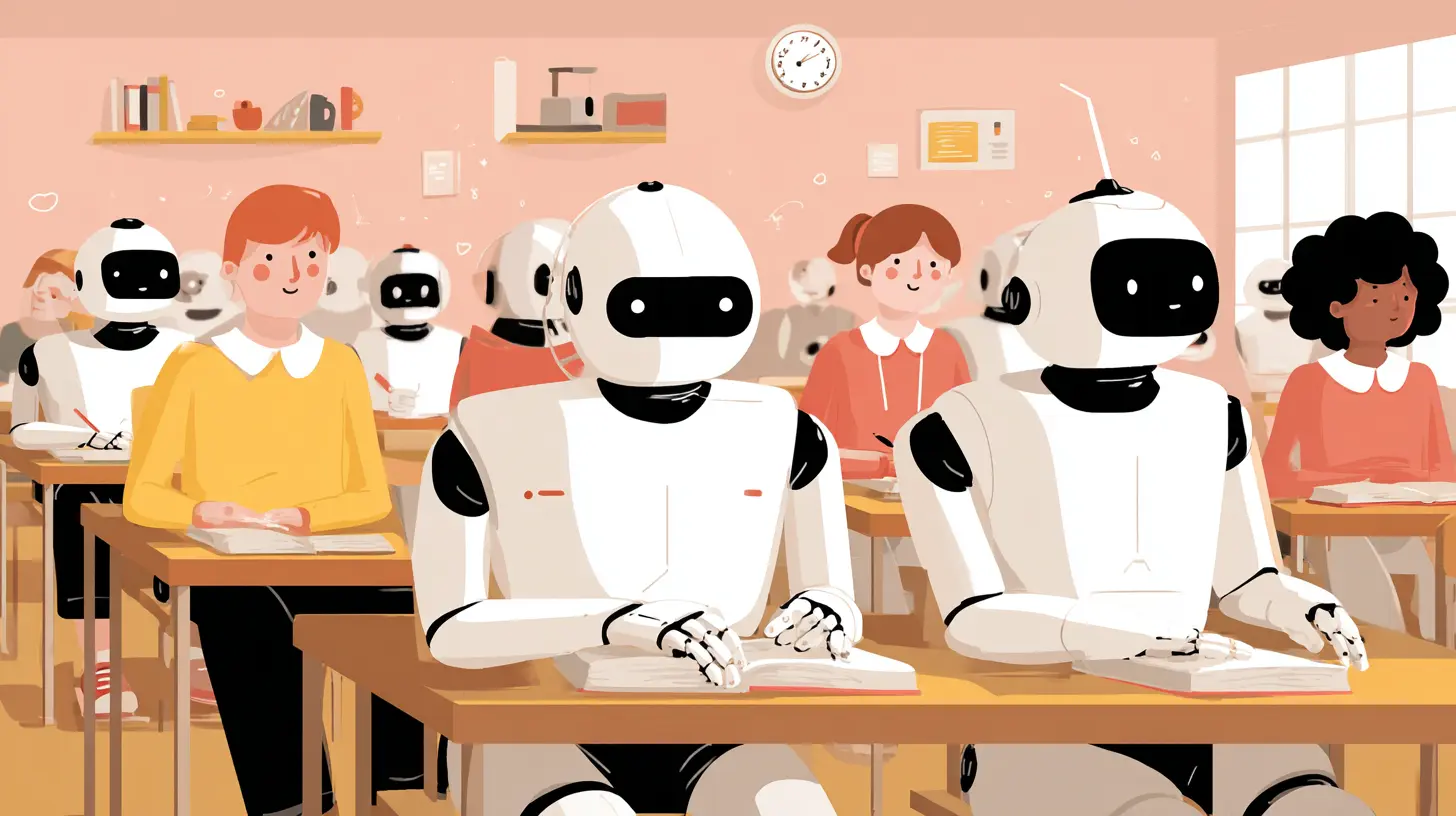
Navigating the Ethical and Practical Minefield
Of course, this brave new world isn’t without its shadows. The integration of AI into something as human as classroom dialogue comes with significant questions we must answer by 2026.Privacy is Paramount. Will students feel constantly surveilled? The key will be transparency and consent. Data must be anonymized, aggregated, and used solely for educational benefit. Students and parents need clear opt-in controls. The AI should feel like a helpful coach, not a grading surveillance camera.
The Authenticity Dilemma. If an AI helps a student formulate a thought, is it still their participation? This is a profound pedagogical question. The analogy here is a calculator: we don’t say a student using a calculator isn’t doing math; we say they’re using a tool to focus on higher-order concepts. Similarly, an AI that helps organize thoughts or build language allows students to participate in higher-level discourse. The focus shifts from the raw generation of an idea to the critical evaluation, application, and communication of that idea.
Avoiding the "Gamification" Trap. If participation is quantified by an AI, do we risk turning it into a soulless points game? The goal must be quality over quantity. AI analytics should be designed to flag deep, connective contributions, not just frequency of posting. The teacher’s role becomes more crucial than ever: to interpret the data with wisdom and nurture the human spirit of curiosity behind the metrics.
The Digital Divide, Extended. This future assumes access to technology and bandwidth. Schools and policymakers must work aggressively to ensure these AI tools don’t become another wedge exacerbating educational inequality. The tech must be a right, not a privilege.
The New Role of the Teacher: From Lecturer to Conversation Conductor
With AI handling the analytics, moderation, and personal coaching, what’s left for the teacher? Everything that matters most. The teacher evolves from the primary source of information and the traffic cop of discussion to a conversation conductor and a meaning-maker.Their skills will shift towards:
* Asking Better Questions: Crafting prompts that the AI can’t—questions that are nuanced, ethical, and deeply human.
* Facilitating Human Connection: Using AI insights to create better small-group dynamics and foster empathy and debate between students.
Interpreting the Data Story: Looking beyond the dashboard to understand the why* behind the data. Why is this cluster disengaged? What emotional undercurrent is the AI sensing?
* Teaching Critical AI Literacy: Helping students understand and ethically use their AI participation tools, fostering a healthy, skeptical, and empowered relationship with the technology.
The teacher becomes the irreplaceable human core in a technologically augmented learning ecosystem.
Conclusion: A More Inclusive, Insightful Classroom Awaits
By 2026, the phrase “class participation” will have shed its old, narrow skin. It will encompass a symphony of interactions—spoken, written, synchronous, and asynchronous—all harmonized by intelligent systems designed to amplify human potential. The goal is not a classroom of cyborgs, but a classroom where every student, regardless of their personality or background, has a supported pathway to engage, to be heard, and to contribute to the collective learning.The fear that AI will make education cold or robotic misunderstands its potential. In truth, by offloading the tasks of measurement, moderation, and basic coaching, AI can free teachers and students to do what humans do best: connect, create, challenge, and build understanding together. The classroom of 2026 won’t be quieter; it will be more thoughtfully noisy. It won’t have fewer voices; it will have more voices, finally tuned in and turned up. The question won’t be “Did you participate?” but “How did you grow the conversation today?” And that is a future worth building.
all images in this post were generated using AI tools
Category:
Class ParticipationAuthor:

Zoe McKay
Discussion
rate this article
2 comments
Sorin McMaster
This article offers valuable insights into the future of AI in education. I'm curious to see how these advancements may impact not just participation but also the overall learning experience for students. Thank you for sharing your thoughts!
June 8, 2026 at 3:54 AM
Zoe McKay
Thank you for your thoughts! I'm glad you found the insights valuable. The impact on learning experiences will be fascinating to see unfold.
Selina Montgomery
By 2026, expect classrooms where AI raises hands, debates with students, and maybe even asks for extra credit! Get ready for a classroom showdown: machines vs. brains!
April 19, 2026 at 4:53 AM
Zoe McKay
Absolutely! The future of classrooms promises exciting interactions with AI, transforming participation and learning dynamics in unprecedented ways.