Peer Tutoring for Language Learning: A Collaborative Approach
27 February 2026
Have you ever tried learning a new language and felt completely overwhelmed? You’re not alone. Language learning can be tough—grammar rules, pronunciation, vocabulary lists—it’s a lot to take in. But what if I told you there’s a simple, powerful method that can make the whole process not just easier, but also more fun and effective? Yep, I’m talking about peer tutoring for language learning.
Let’s dive into how this collaborative approach is shaking up the traditional classroom model and helping learners become confident language users.
What Is Peer Tutoring?
Okay, so let’s break it down. Peer tutoring is when students help each other learn. Simple, right? But there’s magic in this simplicity. In the context of language learning, it’s when two or more learners—often with different skill levels—partner up to practice, correct, motivate, and grow together.Think of it as learning from a friend rather than just from a teacher. The vibe is less “lecture hall” and more “coffee shop chat with a buddy.” And really, who wouldn’t want that?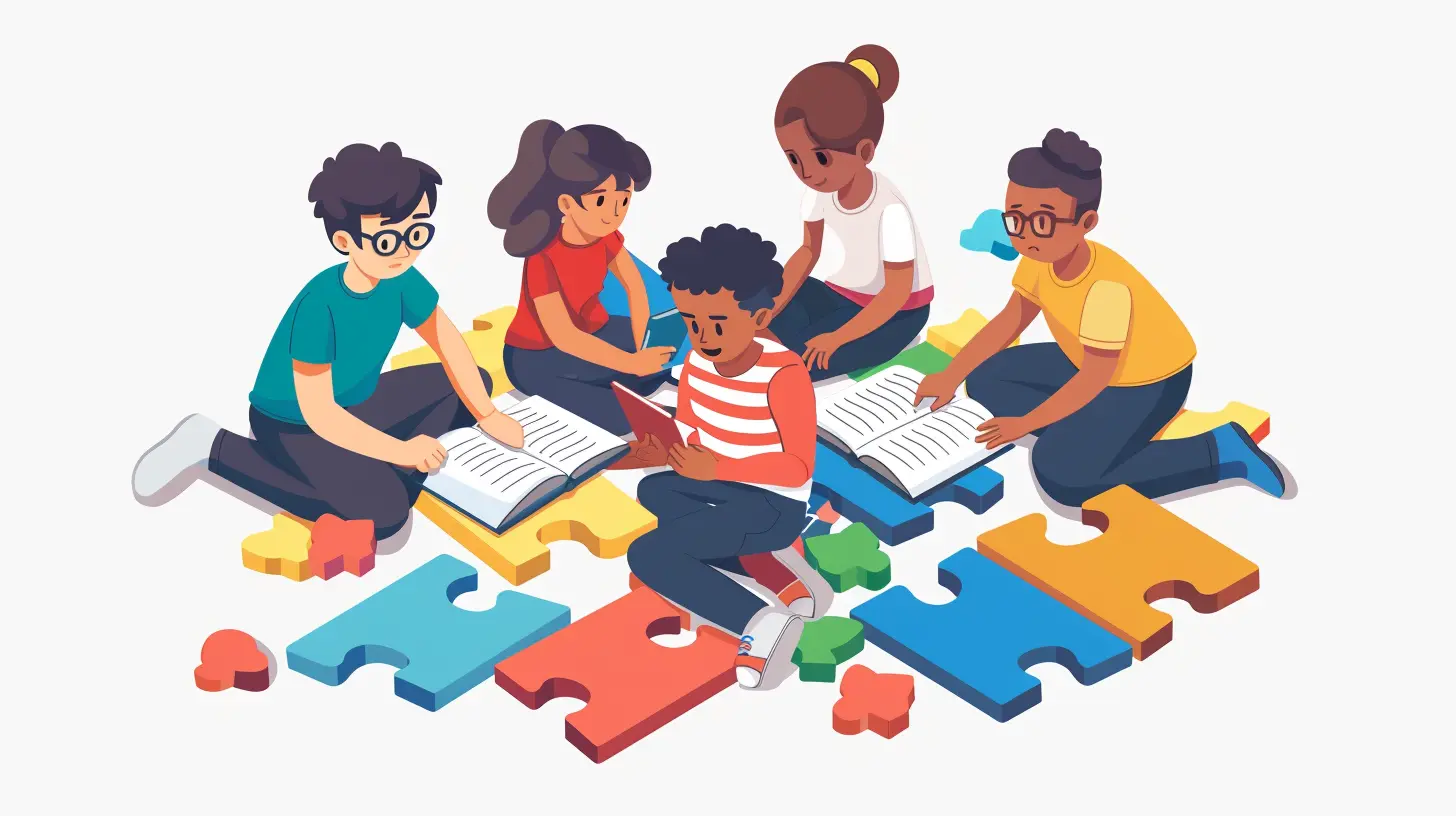
Why Peer Tutoring Works for Language Learners
We’re social creatures. We talk, we laugh, we mimic, and we learn from each other all the time. So it makes perfect sense that we’d learn a new language better by collaborating.Here’s why peer tutoring works like a charm for language learners:
1. Practice Makes (Nearly) Perfect
The more you use a language, the faster you’ll get the hang of it. Peer tutoring provides lots of low-stress opportunities to speak, write, and listen. You’re not being judged by a strict teacher—you’re learning alongside someone who’s also figuring things out. That takes the pressure off and encourages more practice.2. Safe Space for Mistakes
Let’s face it—nobody enjoys making mistakes in front of a class. Peer tutoring creates a safe, supportive environment. You’re allowed to mess up, laugh about it, and try again without feeling like the whole room is watching you.3. Instant Feedback
When you’re paired with a peer, you get real-time feedback. Mispronounce “bonjour”? Your buddy’s there to help. Confused about verb tenses? Boom, instant explanation from a fellow learner. It’s feedback that's timely and often easier to understand because it’s coming from someone at your level.4. Teaching Reinforces Learning
Here’s the kicker: the tutor actually learns just as much—if not more—than the learner. Explaining a concept to someone else forces you to really understand it. It’s like turning on a lightbulb in your own brain while flipping the switch for someone else.
Different Models of Peer Tutoring in Language Learning
Not all peer tutoring looks the same. Depending on your setup—whether it’s a classroom, a language exchange app, or a university program—there are different models you can use.1. Same-Level Peer Tutoring
This model pairs students with similar language abilities. It’s perfect for mutual growth and shared challenges. You work through new material together, figure out meaning as a team, and build confidence side by side.2. Cross-Level Peer Tutoring
Here, someone with a higher proficiency level tutors someone newer to the language. Think “big sibling” helping out the “little sibling.” This model is great for structured guidance and focused support.3. Language Exchange (Tandem Learning)
In this super-cool method, two people fluent in different languages tutor each other. For example, someone fluent in English who wants to learn Spanish pairs up with a Spanish speaker who wants to learn English. You both get to teach and learn—half the time in one language, half the time in the other.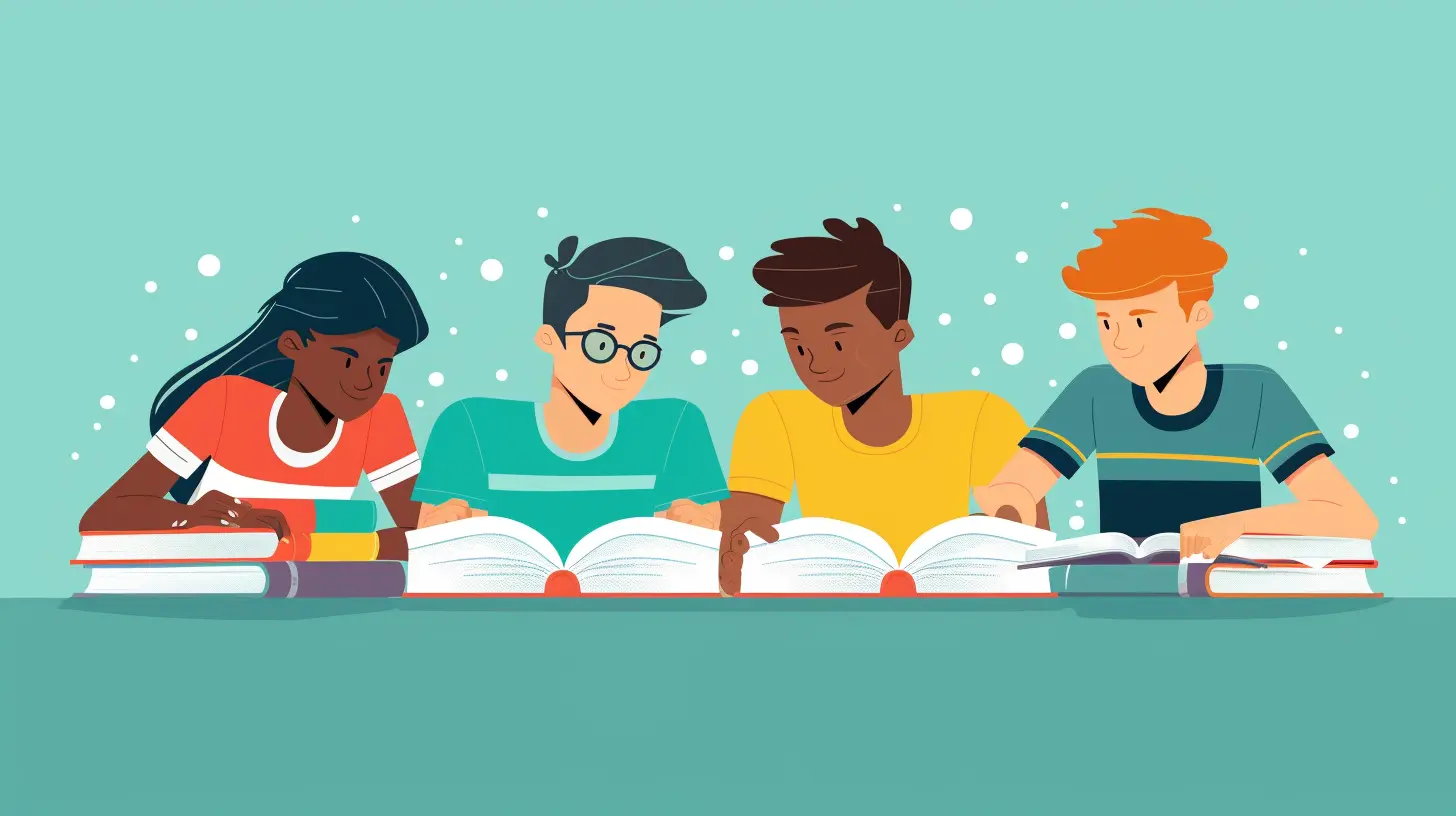
Peer Tutoring in the Classroom
If you’re a student, you’ve probably been involved in some form of peer work—group projects, partner activities, etc. But peer tutoring in language classes takes things up a notch.Benefits for Teachers
- Scalability: Teachers can’t work one-on-one with every student all the time. Peer tutoring fills that gap.- Engagement: Students feel more involved when they’re expected to contribute.
- Community building: It encourages teamwork and empathy.
Tips for Implementation
Teachers, listen up! Peer tutoring works best when:- Roles are clear: Set expectations for both “tutors” and “tutees.”
- Materials are structured: Offer guiding questions or activities.
- Feedback is encouraged: Let students reflect on how the session went.
Peer Tutoring Beyond the Classroom
Guess what? Peer tutoring doesn’t stop when class ends. Thanks to technology, it’s easier than ever to connect with other learners around the world.Language Learning Apps & Platforms
- Speaky, Tandem, or HelloTalk pair learners for language exchange.- Some platforms even offer gamified learning for extra motivation.
Online Communities
Reddit threads, Discord servers, and Facebook groups teem with language learners happy to help peer-tutor a new friend.Common Challenges and How to Tackle Them
Sure, peer tutoring sounds like a dream come true—but let’s be real, it’s not always smooth sailing. Here are a few bumps you might hit and how to dodge them:1. Mismatched Skill Levels
Too much of a gap between learner and tutor? It can cause frustration. Solution? Match partners thoughtfully and rotate them occasionally.2. Lack of Direction
Without a plan, sessions can turn into casual chats with little learning. Solution? Structure the sessions with clear goals and material.3. Shyness or Anxiety
Some learners are nervous about speaking up. Solution? Start with low-pressure activities like reading aloud or practicing simple Q&A.Real-Life Stories: Peer Tutoring Wins
Let’s talk about real people. Sarah, a college student learning Japanese, struggled to keep up in class. She teamed up with Yuki, a native speaker learning English. They met twice a week via Zoom. Fast-forward three months, and not only did Sarah ace her Japanese oral exam, but she also gained a new friend across the ocean.Then there’s Jamal, a high schooler in New York, who improved his Spanish grade from a C to an A after joining a peer tutoring group at school. The secret? Weekly 30-minute sessions with a senior who loved Spanish and had a knack for explaining grammar clearly.
These stories aren’t rare—they’re happening every day.
Simple Peer Tutoring Activities for Language Learners
Looking for ideas? Here are a few easy and effective peer tutoring activities anyone can try:- Role Plays: Act out real-life scenarios like ordering food, asking for directions, or interviewing for a job.
- Flashcard Quizzes: Make vocabulary fun with quickfire quizzes.
- Story Swap: One starts a story, the other finishes it. Great for creativity and grammar practice.
- Error Correction: Exchange short texts and correct each other’s mistakes.
- “Teach Me” Sessions: Each partner teaches the other one concept they’ve mastered—could be anything from irregular verbs to common slang.
Tips for Making Peer Tutoring Successful
Whether you’re a tutor, a learner, or both, here are some tips to get the most out of your peer tutoring experience:- Be patient—language learning takes time.
- Use English sparingly if it's not the target language.
- Set goals for each session.
- Mix it up to keep sessions fresh and fun.
- Celebrate small wins—mastering a tricky pronunciation or finally “getting” a tense is a big deal!
The Future of Language Learning is Collaborative
Old-school, one-way teaching is giving way to more dynamic, interactive, and personalized methods. Peer tutoring? It’s not just a trend—it’s a shift in how we think about learning and sharing knowledge.Instead of climbing the language-learning mountain alone, you’ve got someone right there with you, cheering you on, helping you out, and maybe even laughing with you when you say “grosses tomates” instead of “grandes tomates.” (True story.)
So, whether you're brushing up your French, diving into Mandarin, or just getting started with Spanish, consider giving peer tutoring a shot. You might be surprised at how far two brains can go when they work in sync.
Final Thoughts
Peer tutoring for language learning isn’t just about passing tests or checking boxes. It’s about connection. It’s about conversation. It’s about real human interaction that builds skills, confidence, and friendships.And hey, if you’re going to fumble your way through your first French conversation, wouldn’t it be better to do it with a friend?
all images in this post were generated using AI tools
Category:
Peer TutoringAuthor:

Zoe McKay
Discussion
rate this article
2 comments
Zephyros Lane
Great insights on peer tutoring! This collaborative approach not only enhances language skills but also fosters a supportive learning environment. It's inspiring to see such innovative strategies in education.
March 27, 2026 at 4:20 AM
Zoe McKay
Thank you for your thoughtful comment! I'm glad you found the insights on peer tutoring valuable. It truly is a powerful strategy for enhancing both language skills and community support in learning.
Aelith McAndrews
Peer tutoring fosters a unique learning environment where students not only enhance their language skills but also build confidence and social connections. This collaborative approach encourages mutual growth, allowing learners to share perspectives and strategies. Embracing peer tutoring can transform language acquisition into a rich, interactive experience, benefiting both tutors and tutees.
February 27, 2026 at 5:42 AM
Zoe McKay
Thank you for your insightful comment! I completely agree that peer tutoring not only enhances language skills but also fosters valuable connections and mutual growth among students.