How Distance Education is Shaping Global Classrooms
8 November 2026
Distance education has transformed the landscape of learning, breaking geographical barriers and making education more accessible than ever. As technology continues to advance, classrooms around the globe are evolving, embracing innovative pedagogies and learning modalities. This article delves into how distance education is reshaping global classrooms, highlighting its benefits, challenges, and the future it promises.

The Evolution of Distance Education
Historical Context
Distance education has roots that trace back to the early 18th century when correspondence courses started gaining popularity. With the rise of the internet in the late 20th century, distance education began to flourish, leading to the development of online degree programs and massive open online courses (MOOCs). This evolution reflects a significant shift in educational paradigms, moving from traditional face-to-face instruction to more flexible and diverse learning environments.Modern Technological Innovations
Recent advancements in technology, such as video conferencing tools, learning management systems (LMS), and mobile applications, have further enhanced distance education. Platforms like Zoom, Moodle, and Google Classroom allow educators to deliver high-quality content and foster interaction among students, regardless of their physical location. These tools not only facilitate instruction but also create opportunities for collaboration and community building in virtual settings.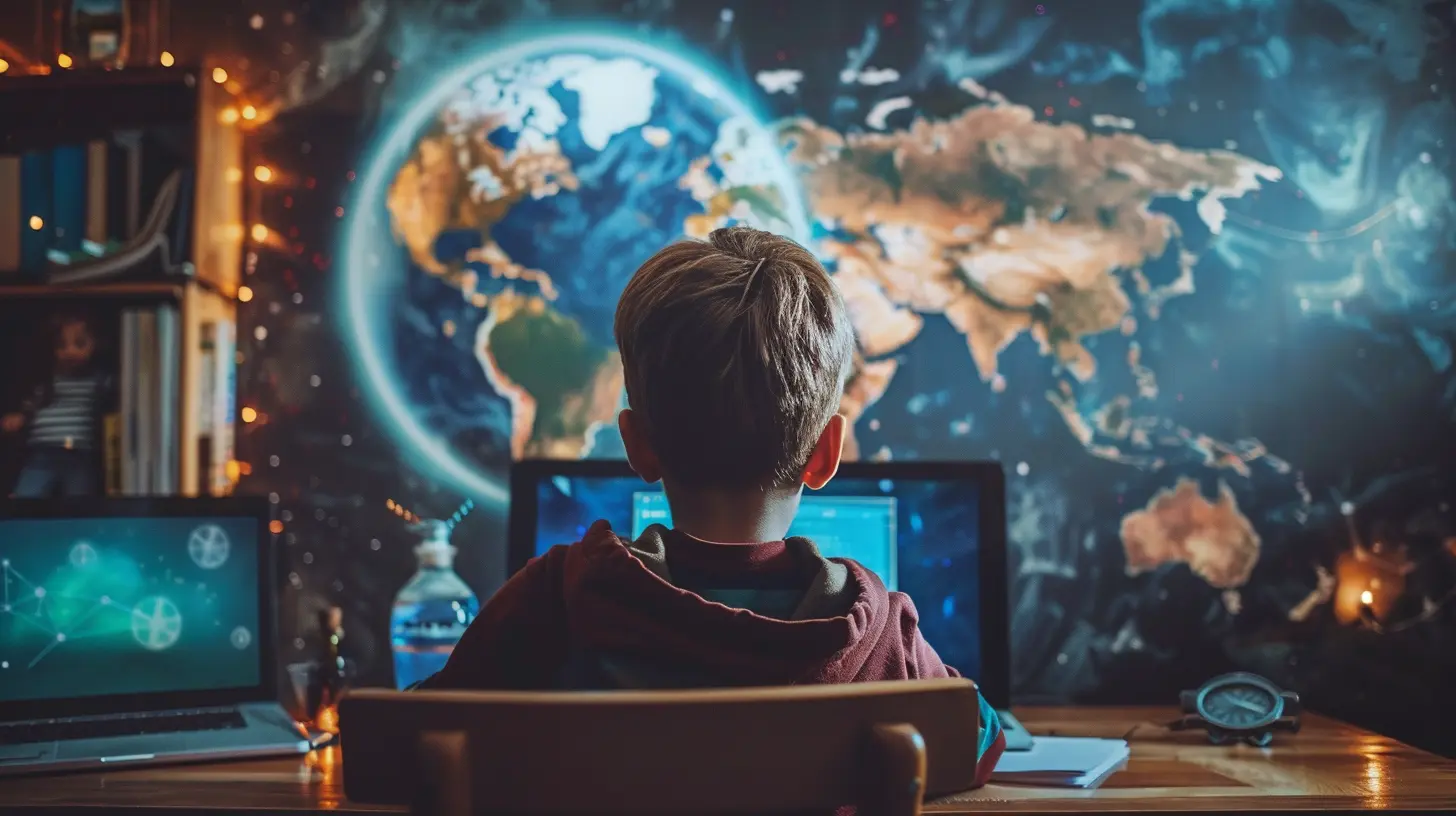
Benefits of Distance Education
Increased Accessibility
One of the primary advantages of distance education is its ability to make learning accessible to a broader audience. Students from remote areas or those with disabilities can participate in courses that may not be available locally. For example, a student in a rural village can now access curriculum materials from a prestigious university halfway across the world, leveling the educational playing field.Flexibility in Learning
Distance education offers students the flexibility to learn at their own pace and on their own schedules. This adaptability is particularly beneficial for working adults or those with family responsibilities. For instance, many online programs allow students to balance their coursework with personal and professional commitments, making education more achievable.Diverse Learning Resources
Online education provides access to a wealth of resources that traditional classrooms may not offer. Students can tap into a variety of multimedia resources, including videos, podcasts, and interactive simulations. This diversity caters to different learning styles, enabling students to engage with the material in ways that resonate with them.
Challenges of Distance Education
Technology Dependence
While technology enables distance education, it also poses challenges. Not all students have equal access to the necessary hardware or reliable internet connections. This digital divide can exacerbate existing inequalities in education. For instance, students from low-income backgrounds may struggle to participate in online classes due to a lack of resources, creating barriers to their success.Engagement and Motivation
Maintaining student engagement and motivation in a virtual setting can be challenging. Without the physical presence of instructors and peers, students may feel isolated or disconnected from the learning community. Educators must employ innovative strategies to foster interaction and keep learners motivated. This may include using gamification, breakout rooms, or interactive discussions to create a sense of belonging.Assessment and Evaluation
Evaluating student performance in distance education requires careful consideration. Traditional assessment methods may not translate well to an online environment. Educators need to design assessments that accurately measure student learning while minimizing the potential for academic dishonesty. This may involve incorporating project-based assessments, peer evaluations, or open-book exams to ensure fairness and integrity.
Best Practices for Distance Education
Designing an Engaging Curriculum
A well-designed curriculum is crucial for effective distance education. Educators should focus on creating interactive and engaging learning experiences that encourage participation. This includes incorporating multimedia elements, real-world applications, and opportunities for collaboration. For instance, using case studies or group projects can enhance critical thinking and foster teamwork among students.Utilizing Technology Effectively
Educators must be proficient in using technology to facilitate distance learning. This involves not only understanding the tools available but also knowing how to integrate them into the learning process. Providing students with clear instructions on how to navigate the technology can help reduce frustration and promote a smoother learning experience.Fostering Community and Support
Building a sense of community is essential for student success in distance education. Educators should create opportunities for students to interact and collaborate, such as virtual study groups or discussion forums. providing access to academic support services, such as tutoring or counseling, can help students overcome challenges and stay on track.Comparative Analysis: Online Learning vs. Traditional Learning
Learning Environment
In a traditional classroom, the physical environment plays a significant role in shaping the educational experience. Students benefit from face-to-face interactions with peers and instructors, which can enhance engagement. In contrast, online learning relies on digital platforms, which can both enhance and hinder interaction, depending on how well they are utilized.Instructional Methods
Traditional learning often employs a lecture-based approach, where instructors deliver content directly to students. Online learning, however, encourages a more diverse range of instructional methods. Educators can blend synchronous and asynchronous learning styles, allowing for a more personalized approach. For instance, students may attend live lectures while also accessing recorded sessions at their convenience.Assessment Strategies
Assessment in traditional classrooms typically involves standardized tests and quizzes, often conducted in a controlled environment. Online learning necessitates a more varied approach, incorporating diverse assessment methods that can accommodate different learning preferences. This flexibility can lead to a more comprehensive understanding of students' knowledge and skills.
Future Trends in Distance Education
Hybrid Learning Models
The future of education is likely to see a continued rise in hybrid learning models, which blend online and face-to-face instruction. This approach allows educators to leverage the strengths of both modalities, providing a more comprehensive learning experience. For example, students may attend in-person labs while completing theoretical coursework online, creating a more holistic learning environment.Lifelong Learning and Micro-Credentials
As the job market continues to evolve, the demand for lifelong learning and upskilling is on the rise. Distance education is well-positioned to accommodate this trend, offering micro-credentials and specialized courses that allow individuals to gain new skills quickly. This focus on continuous learning will empower learners to stay competitive in an ever-changing job landscape.Global Collaboration
Distance education fosters opportunities for global collaboration among students and educators. Virtual exchange programs and international partnerships can enhance cultural understanding and broaden perspectives. For instance, students from different countries can work together on projects, gaining insights into diverse viewpoints and practices.Common Misconceptions about Distance Education
It Lacks Rigor
A prevalent misconception is that distance education is less rigorous than traditional education. In reality, online courses can be just as demanding, often requiring students to demonstrate self-discipline and time management skills. Educators must maintain high academic standards and provide challenging content to ensure a meaningful learning experience.It is Only for Non-Traditional Students
While distance education has historically catered to non-traditional students, it is increasingly becoming a mainstream option for all learners. Traditional students are now taking advantage of online courses to complement their education, allowing them to pursue internships, work, or other interests while continuing their studies.Technology Makes Learning Impersonal
Some believe that distance education lacks the personal touch of traditional classrooms. However, with thoughtful design and effective communication, virtual learning can foster meaningful interactions. Educators who prioritize relationship-building and community engagement can create a supportive online environment that feels personal and connected.
Conclusion
Distance education is undeniably reshaping global classrooms, offering new opportunities for learners worldwide. While challenges exist, the benefits of increased accessibility, flexibility, and diverse learning resources are significant. As technology continues to evolve, so too will the possibilities for distance education, paving the way for a more inclusive and innovative educational landscape.Educators and institutions must embrace these changes, adapting their approaches to meet the needs of a diverse student population. By focusing on best practices and leveraging technology effectively, distance education can continue to thrive, empowering learners to succeed in an interconnected world.
all images in this post were generated using AI tools
Category:
Distance LearningAuthor:

Zoe McKay