How AI Will Influence Class Participation by 2027
6 May 2026
Let's be honest for a second. When you hear "AI in the classroom," what comes to mind? Maybe it's a robot teacher handing out detention slips, or a glowing screen that grades your essays while you sleep. But here's the thing: by 2027, artificial intelligence is going to change class participation in ways that feel less like sci-fi and more like a friendly nudge.
We're not talking about replacing the human spark that makes a classroom alive. We're talking about AI becoming the quiet assistant that helps every student find their voice. You know that kid who never raises their hand? Or the one who blurts out answers before the question is finished? AI is going to balance that out. It's going to make participation less about who is loudest and more about who is ready to think.
So, grab your coffee or tea, and let's dive into how this is actually going to work. No jargon, no fluff. Just a real look at the classroom of 2027.
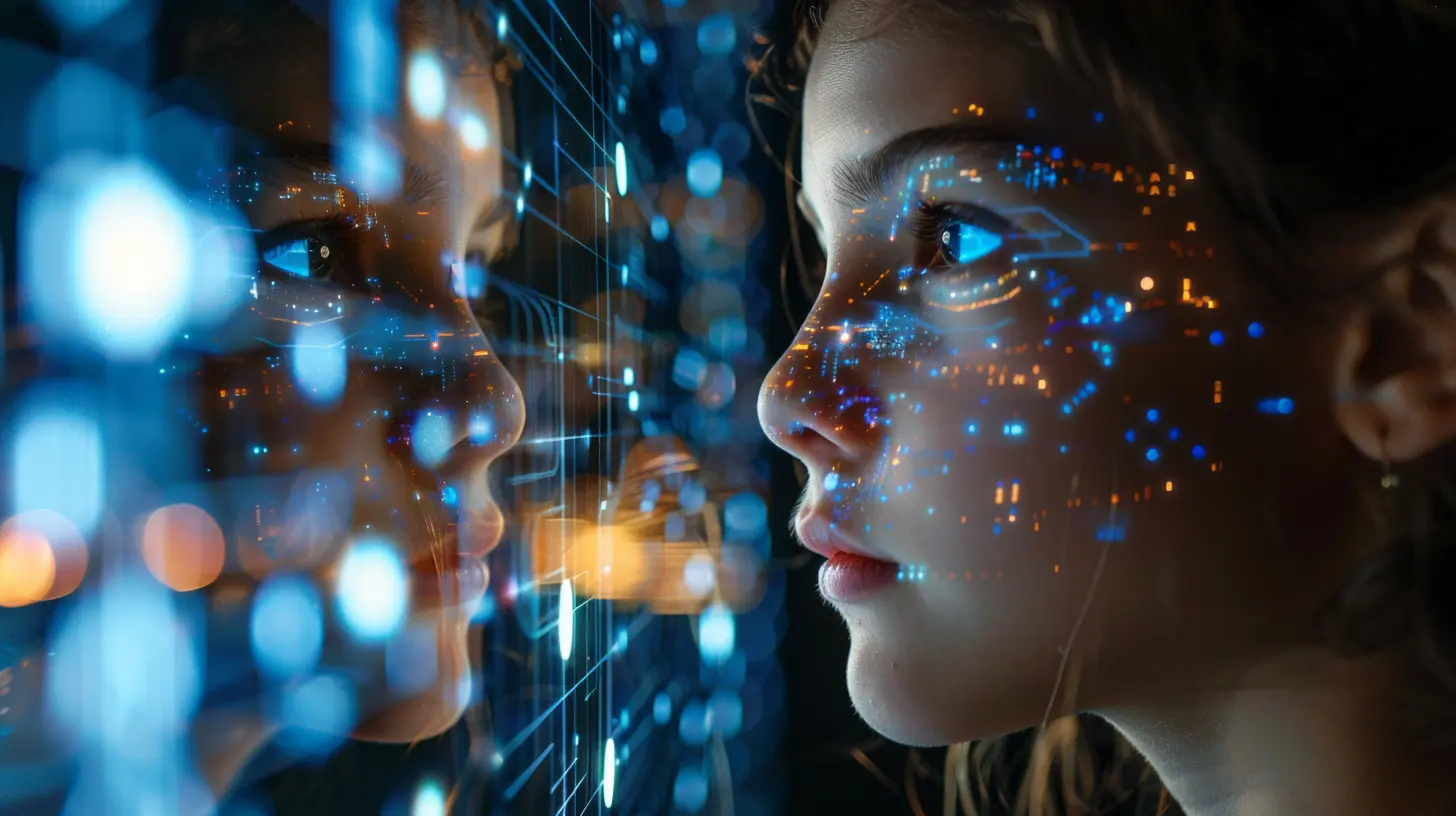
The Death of the Awkward Silence
We've all been there. The teacher asks a question, and the room goes dead quiet. You can hear the clock ticking. Someone coughs. It's painful. By 2027, AI tools will help teachers read the room in real time. Imagine a dashboard that shows, "Three students look confused," or "Five students are about to answer but hesitate."This isn't about surveillance. It's about timing. AI will analyze facial cues, body language, and even typing patterns in digital assignments to suggest when a teacher should pause, ask a different question, or call on a specific student. It's like having a co-pilot who whispers, "Hey, Sarah has a great idea but is too shy to speak up. Give her a moment."
Think of it as a traffic light for discussion. Green means go, yellow means slow down, red means stop and rephrase. The awkward silence will become a thing of the past because the teacher will know exactly when to break it.
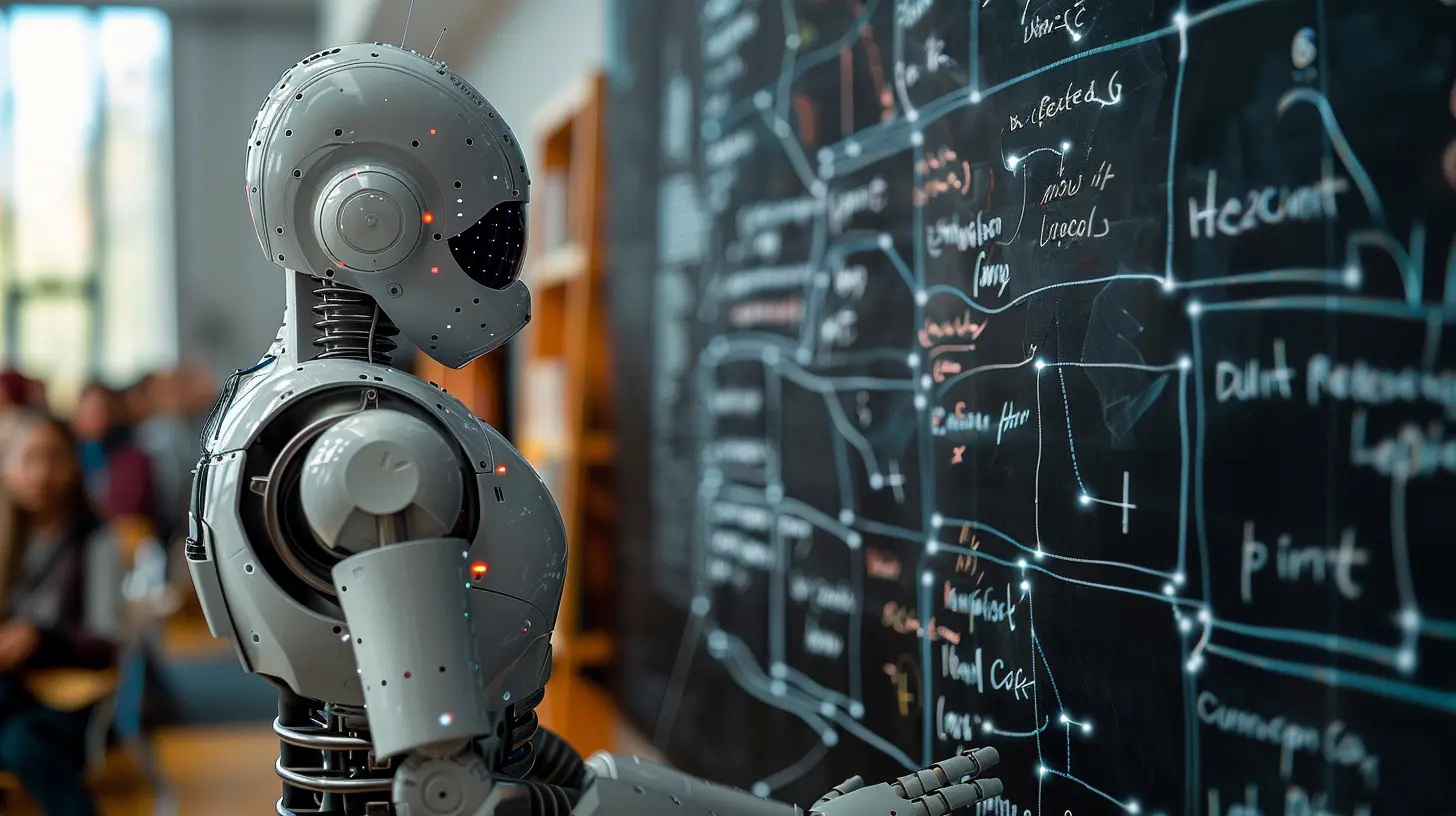
Leveling the Playing Field for Introverts
Here's a truth that stings: traditional class participation often rewards the extroverts. If you're the type who needs a few seconds to gather your thoughts, you're often left behind. By 2027, AI will change that.Picture this: before a live discussion, students can submit a quick voice note or type a few sentences into a shared digital board. The AI scans these inputs and highlights patterns. The teacher then says, "I see that several of you noted this point. Let's explore it." Suddenly, the quiet kid who wrote a brilliant observation gets credit without having to shout it out.
Some platforms are already experimenting with "think time" features. AI will prompt students to reflect for 30 seconds before answering. It will even generate personalized prompts for those who need a little extra help starting. It's like having a patient tutor who says, "You got this. Just take your time."
For the student who dreads being put on the spot, AI will offer alternative ways to participate: chat boxes, anonymous polls, or quick video responses. By 2027, participation won't mean just speaking. It'll mean contributing in a way that fits your style.
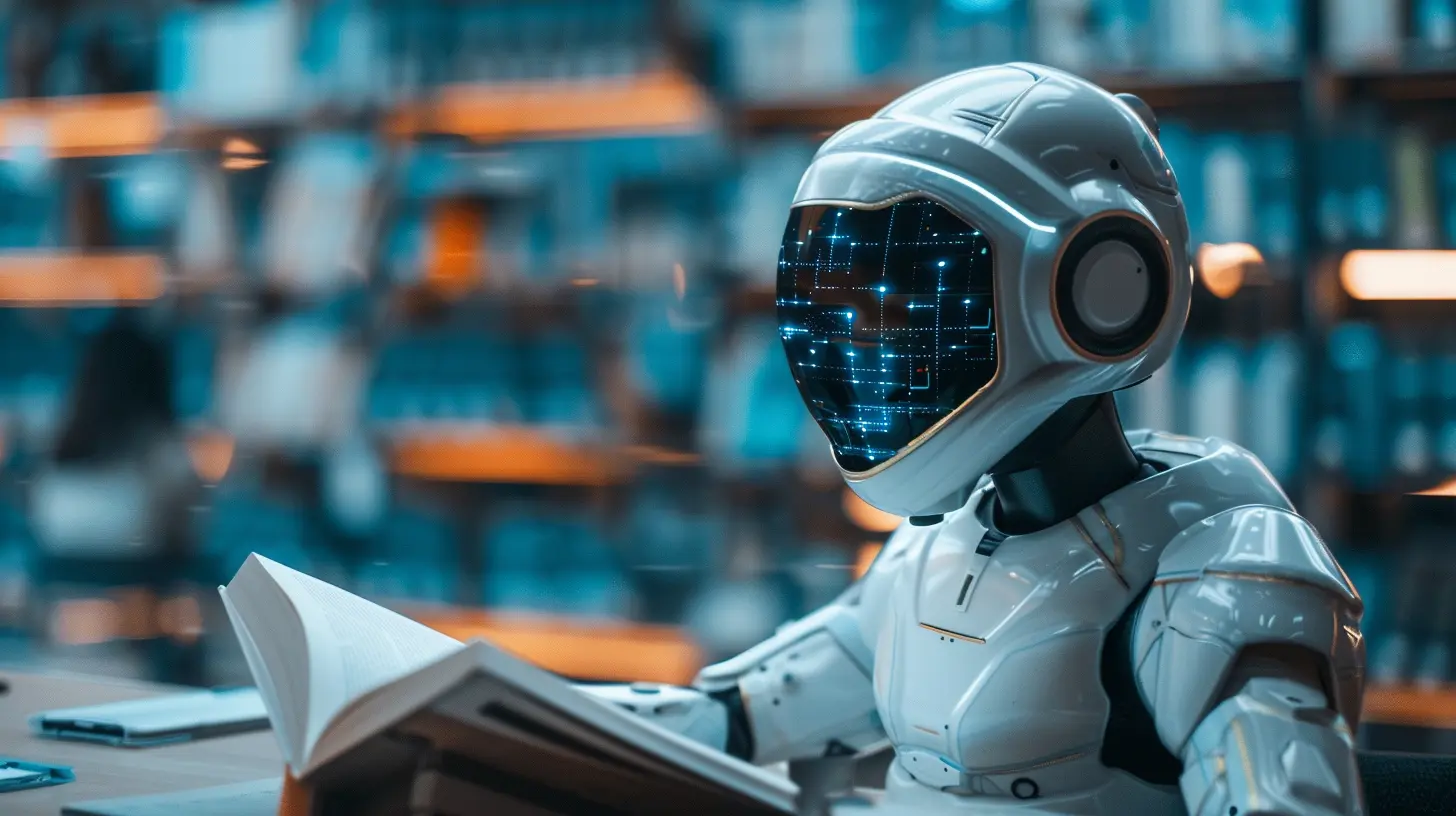
Real-Time Feedback That Doesn't Hurt
You know that feeling when you raise your hand, give an answer, and the teacher says, "Not quite," and moves on? It stings. It makes you want to shrink into your chair. AI is going to soften that blow.By 2027, AI tools will provide instant, gentle feedback during discussions. Let's say a student gives a partially correct answer. Instead of a blunt "wrong," the AI might whisper to the teacher, "They're close. Here's a hint to guide them." Or it might display a quick correction on the student's personal screen: "Good start. Try thinking about the second step."
This isn't about making everyone feel like a winner. It's about making mistakes feel like steps, not failures. We all learn better when we're not scared to be wrong. AI will help teachers create that safe space by catching errors early and offering a soft landing.
Imagine a math class where you solve a problem on your tablet. The AI sees you're stuck on step three. Instead of the teacher calling you out, the AI sends a tiny pop-up: "You're doing great. Remember the rule from last week? That might help." You fix it, raise your hand, and share your corrected answer. No shame. No embarrassment. Just learning.

The End of "One Size Fits All" Questions
Let's face it: not every question works for every student. Some kids need simpler prompts to warm up. Others are ready for deep, critical thinking. By 2027, AI will help teachers tailor questions on the fly.Here's how it might look. A teacher launches a discussion on climate change. The AI scans the room and sees that Maria is a visual learner, Jake loves data, and Chloe is a storyteller. It suggests three different ways to approach the same topic. The teacher asks, "Maria, can you sketch the cycle? Jake, what do the numbers say? Chloe, tell us how this affects a family in your town."
Suddenly, everyone has a door into the conversation. Participation becomes a buffet, not a fixed menu. The AI doesn't decide who speaks. It just helps the teacher serve the right dish.
This is huge for students who feel left out because the questions always seem to target a specific skill set. By 2027, AI will make discussions more inclusive by matching the question to the student's strengths. It's like having a coach who knows exactly which drill you need to improve.
Gamifying Participation Without the Cringe
I know, I know. "Gamification" sounds like a buzzword that belongs in a corporate seminar. But stick with me. By 2027, AI will turn class participation into something that feels more like a game and less like a chore.Imagine a system where every thoughtful comment, every question asked, and every correct answer earns you a small reward. Not a gold star or a sticker. Think of it as experience points. You level up. You unlock new discussion topics or get access to a "bonus round" where you can debate a concept with the AI itself.
The trick is that AI will track quality, not just quantity. It won't reward the kid who talks just to talk. It will reward the kid who asks a question that makes the whole class pause. It will recognize when you connect two ideas that no one else saw. By 2027, participation will be measured by depth, not volume.
This isn't about turning school into a video game. It's about tapping into our natural desire for progress. When you see your participation score go up because you asked a smart question, you feel motivated to keep going. It's like a fitness tracker for your brain.
AI as the Great Listener
One of the most underrated skills in a classroom is listening. We focus so much on speaking up that we forget that real learning happens when you absorb. AI is going to change that.By 2027, AI tools will analyze classroom discussions and create "listening reports." Not for the teacher to punish quiet students, but to help everyone see how well they listen. Did you interrupt? Did you repeat something that was already said? Did you build on someone else's idea? The AI will flag these patterns.
This isn't about Big Brother. It's about building self-awareness. Imagine a weekly summary that says, "You spoke 12 times this week. You interrupted three times. Try letting someone finish before you jump in." That's a powerful lesson that goes beyond any textbook.
Teachers will also get a listening score. Did they let students finish? Did they ask follow-up questions? By 2027, AI will help teachers model good listening, which will trickle down to the whole class.
The Role of Virtual Debate Partners
Let's be real. Sometimes you need to practice before you speak in front of 30 people. By 2027, AI will offer virtual debate partners that are surprisingly good.Picture this: you're nervous about a big discussion on ethics. You log into a simple app, and an AI avatar takes the opposite side. You argue your point. The AI pushes back, asks tough questions, and even throws in a curveball. It's like sparring with a friend who never gets tired.
This practice builds confidence. When you finally raise your hand in class, you've already rehearsed. You know your weak spots. You know how to respond to objections. The AI doesn't replace the real discussion. It prepares you for it.
By 2027, these virtual partners will be common in classrooms. They'll adapt to your skill level, so you're never overwhelmed. It's like having a personal trainer for your ideas.
What About the Teacher's Role?
You might be wondering: does AI take over? Not at all. In fact, by 2027, the teacher's role will become even more important. AI will handle the grunt work: tracking who speaks, suggesting questions, and providing feedback. That frees the teacher to do what humans do best: connect, inspire, and guide.Think of it like a chef with a smart oven. The oven does the timing and temperature. The chef decides the recipe and adds the secret ingredients. AI will handle the data. Teachers will handle the magic.
The best teachers already know how to read a room. AI will just give them better glasses. They'll see who is disengaged, who is bursting with ideas, and who needs a gentle push. By 2027, the teacher will be less of a lecturer and more of a conductor, leading a symphony of voices.
The Elephant in the Room: Privacy
I can't talk about AI in the classroom without addressing the big worry: privacy. By 2027, we'll have stricter rules about how student data is used. AI tools will be designed to anonymize participation data. No one will see that you were shy in third period. The AI will only share patterns, not personal details.Think of it like a thermostat. It knows the room is cold, but it doesn't know who is shivering. The goal is to help the group, not to spy on individuals. By 2027, schools will have clear policies, and parents will have a say in how AI is used.
This is a conversation we need to have now. But if done right, AI can be a tool for empowerment, not surveillance.
A Real-World Example for 2027
Let's paint a picture. It's a Tuesday morning. Ms. Johnson starts her history class with a question: "What caused World War I?" Instead of the usual silence, she pulls up her AI dashboard. It shows that three students have typed tentative answers into their devices, two are doodling, and one looks like they're about to fall asleep.Ms. Johnson says, "Okay, let's warm up. Everyone, take 30 seconds to jot down one cause. Go." The AI collects the responses and highlights the most common ones. She then calls on a student who rarely speaks but wrote a sharp observation. The student stumbles at first, but the AI sends a gentle prompt to her screen: "You wrote about alliances. That's a great start."
The discussion flows. The AI suggests a quick poll to break the tension. It flags when the conversation goes off track. It even reminds Ms. Johnson to call on the kid in the back who has been raising his hand for five minutes. By the end of class, everyone has participated in some way. The quiet kids, the loud kids, the distracted kids. All of them.
That's the 2027 classroom. It's not perfect. It's not robotic. It's just more human, because AI helped remove the barriers that kept people silent.
Will AI Kill Spontaneity?
One fear I hear a lot is that AI will make discussions feel scripted. Like we're all following a plan. But the opposite is true. By handling the routine stuff, AI actually frees up space for spontaneity.Imagine a class where the teacher doesn't have to stop and take attendance, or check who did the reading. The AI handles that. So when a student makes a wild connection between a math problem and a song lyric, the teacher can run with it. That's the kind of magic that happens when you remove distractions.
AI will also help teachers spot unexpected patterns. Maybe a shy student suddenly writes a passionate paragraph. The AI flags it, and the teacher says, "Hey, that's interesting. Can you share that with us?" Without AI, that moment might have been lost.
So no, AI won't kill spontaneity. It will actually give it room to breathe.
The Bottom Line
By 2027, AI will influence class participation in ways that feel natural, not forced. It will help introverts find their voice, give teachers superpowers, and turn discussions into a safe space for mistakes. It won't replace the human connection that makes learning beautiful. It will amplify it.We're not heading toward a cold, automated future. We're heading toward a classroom where every student feels seen, heard, and valued. And that's something worth getting excited about.
So the next time you hear someone worry that AI will ruin education, just smile. Because by 2027, we'll look back and wonder how we ever managed without it.
all images in this post were generated using AI tools
Category:
Class ParticipationAuthor:

Zoe McKay
Discussion
rate this article
2 comments
Astranor Lewis
This article presents a thoughtful perspective on the potential impact of AI on class participation. While it highlights benefits, it's crucial to consider challenges and ensure that all voices are heard.
August 2, 2026 at 11:24 AM
Zoe McKay
Thank you for your insight. Balancing benefits with challenges is key to fostering inclusive class environments as AI evolves.
Presley McTigue
This article raises fascinating questions about the future of classroom dynamics. How will AI shape not just participation but also the quality of student interaction? I'm curious to see if technology can genuinely enhance engagement or if it creates new challenges...
May 16, 2026 at 2:53 AM
Zoe McKay
I'm glad you found it thought-provoking. AI does have the potential to enhance engagement, but it will definitely bring new challenges. It's an evolving space and I look forward to seeing how it develops.